Choosing a car usually starts from a list of models and a maximum budget, not from how the car will actually be used. That is why many drivers spend years in a car that does not fit: too large for the daily route, or too tight for holidays with the whole family. People who work in the car market have seen the same pattern for a long time. Buyers look at the brand first and at use only afterwards. Reversing that order produces clearly better results, because a well-chosen car behaves naturally in the situations where it is used most often.
Choose the car according to how you use it
Before you open the listings, it is worth making an honest sketch of an ordinary week. How many kilometres you cover from Monday to Friday, on what kind of roads, with how many passengers and where you park in the evening narrow the list far more efficiently than any abstract comparison of engines. A driver who does forty kilometres a day on a European road has entirely different priorities from one who stays in town and leaves the county a few times a year.
The same exercise also shows the compromises you are willing to accept. You might give up a large boot for a car that is easy to park, or accept slightly higher consumption for the comfort of an automatic gearbox in heavy traffic. What matters is that those choices are made consciously, so you do not discover them only after the first months of use, when changing the car already means a loss of money.
The daily commute completely changes the buying criteria
For someone who commutes, the car becomes a working tool, and the cost per kilometre weighs more than anything else. That includes real consumption, together with insurance price, service interval and the cost of spare parts for that model. A difference of one litre per 100 kilometres looks small on paper, but at twenty thousand kilometres a year it becomes a sum you feel in the budget.
Comfort matters just as much, even if it is discussed less often. The driver’s seat, driving position, sound insulation and visibility make the difference between a bearable hour of driving and an exhausting one. If your route includes a lot of urban traffic, an automatic transmission and a softer suspension can make the journey easier. When you mostly drive on open roads, stability at cruising speed and cruise control become serious arguments.
How much space you really need for a family
Families almost always overestimate the need for cabin space and underestimate the need for a usable boot. Two children in approved seats take up more room than it seems, especially if one of them is still in an infant carrier. Access to the rear bench depends on how wide the doors open and how high the sill sits. Isofix on the outer seats and a usable middle place are details you check on site, with your own seat in hand, because the spec sheet does not show how it actually sits in the car.
The boot is measured in real situations, with a folded pushchair and the weekend shopping. A mid-size estate often offers more usable space than a compact SUV, because it has a flat floor and a wide opening. That is why many families who start convinced they want an SUV end up, after a few test drives, with an estate or an MPV, more practical and, as a rule, cheaper to maintain.
Weekend trips and the luggage that never quite fits
Short getaways put the car through a different test from daily use. Four people, bags for two nights, sometimes a bicycle or ski equipment, and the space runs out just when you think you still have room. Roof bars, a factory-fitted tow bar or a rear seat that folds in unequal splits solve a large part of the problem, provided you think about them before you buy.
If your destinations include mountain roads or forest tracks, ground clearance and tyres matter more than all-wheel drive, which most drivers use only a few times a year. A car with a slightly higher suspension and suitable tyres copes honourably with Romania’s secondary roads, without the extra maintenance costs that a complex drivetrain brings.
How to choose the powertrain by the kilometres you cover
The rule of thumb used by mechanics still holds. Diesel makes sense on high, steady mileage, on long roads, where the particulate filter can regenerate properly. Below ten thousand kilometres a year, with short trips and frequent cold starts, a petrol engine brings fewer headaches and lower repair costs when something fails.
Hybrids have become a serious option for people who drive a lot in town, because they recover energy under braking exactly where a conventional engine uses the most fuel. LPG systems remain an economical solution for very high mileage, but they need correct installation and periodic checks. Whatever the choice, the engine’s maintenance history says more about its future than the kilometres shown on the dashboard.
Where to start looking for a reliable used car
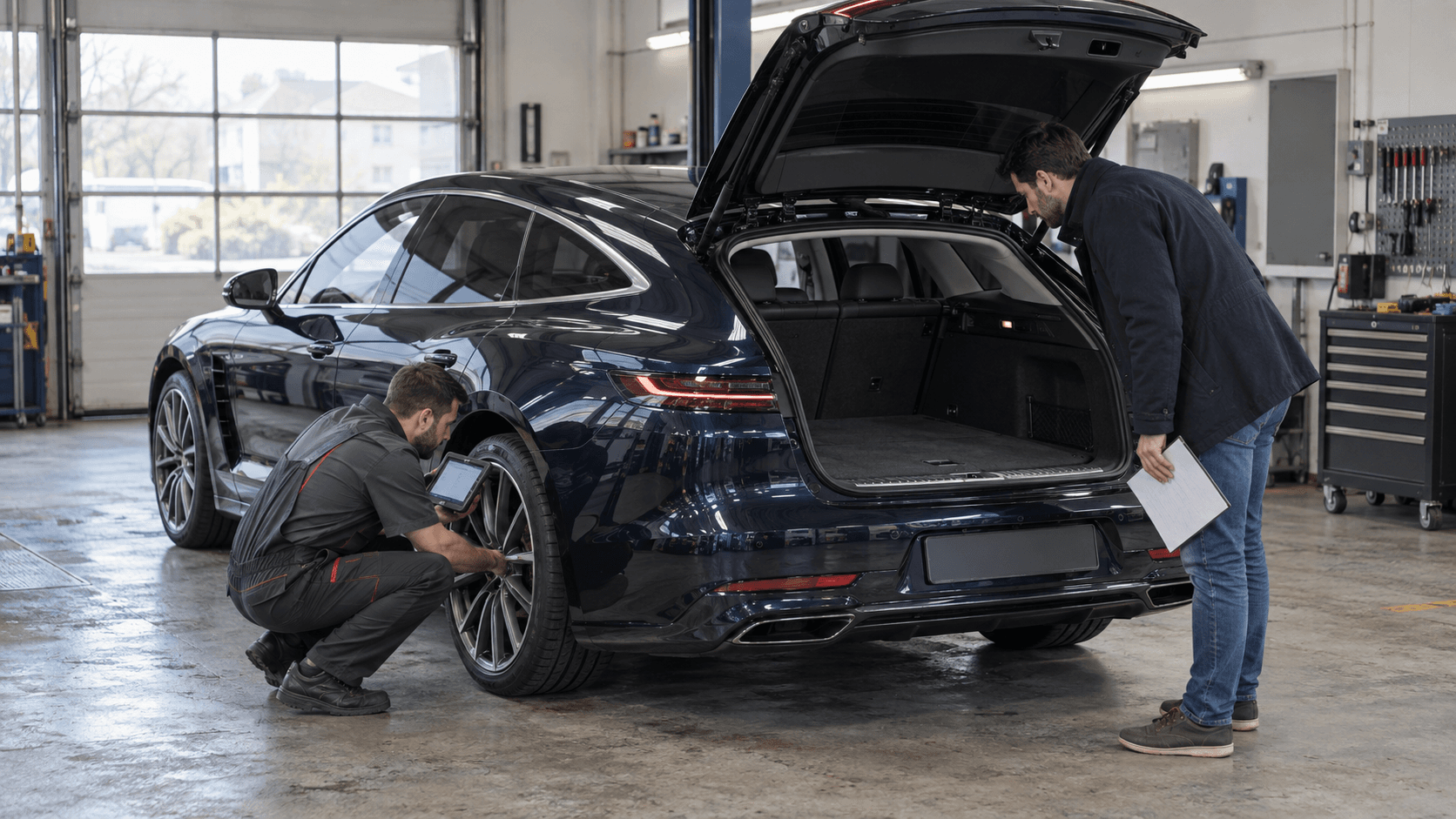
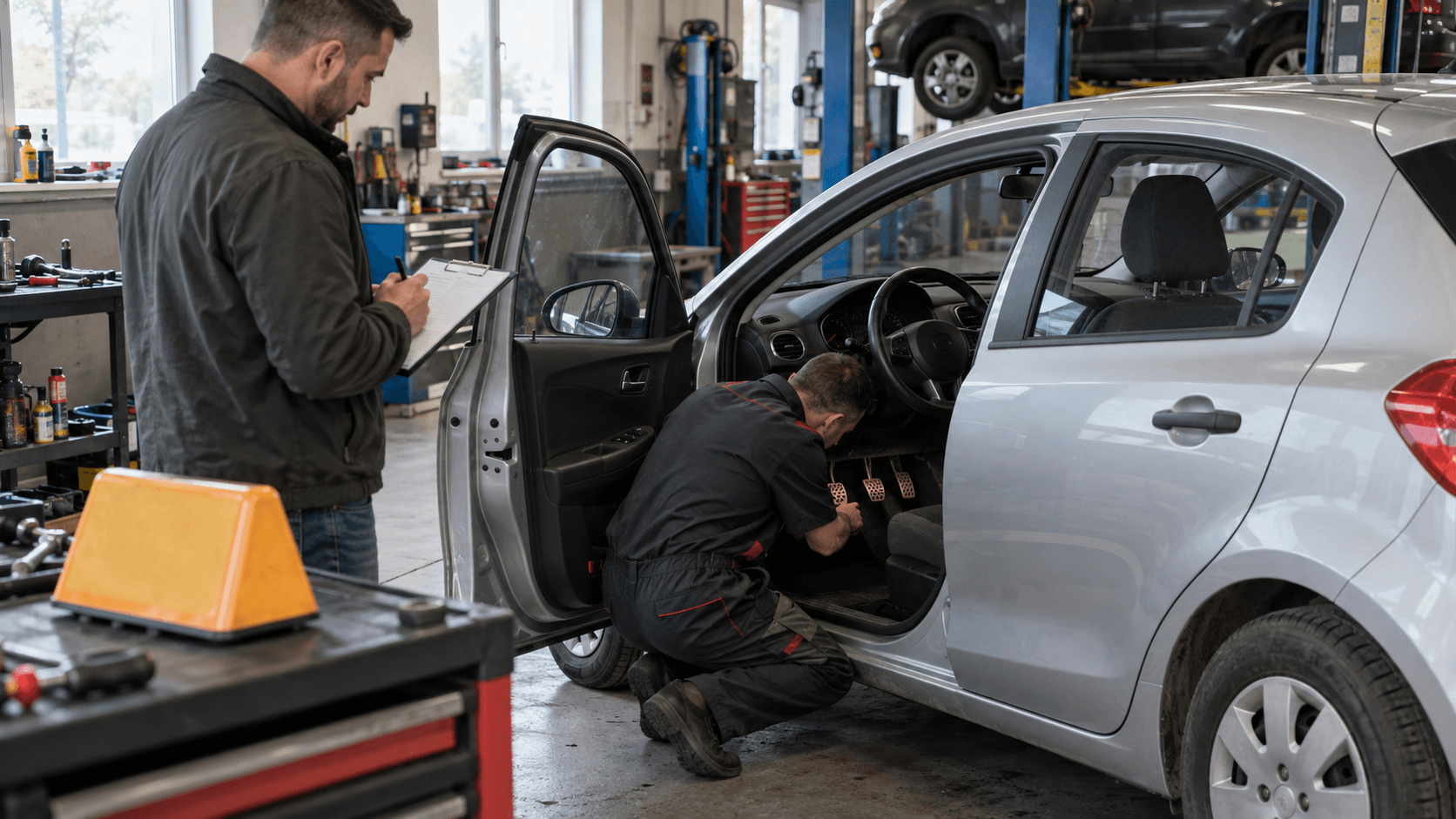
A used car is bought when the checks give you enough evidence. A complete service book, invoices from the latest services, a history report by VIN and an inspection at an independent workshop before payment are the steps that spare you surprises. The source of the purchase also matters, because a dealer lot lets you compare models that, in listings, looked almost identical.
For buyers in the Prahova area, an on-site visit remains one of the clearest forms of checking. Stock such as that at Hary Auto car lot in Ploiești lets you see and try several cars in a single afternoon, without driving through three cities.
Equally useful is a test on different routes, including at higher speeds, when noises, vibrations or steering behaviour become easier to notice. If you can, test the car in urban traffic as well, because the clutch, gearbox and manoeuvrability feel different from on an empty road.
Costs that appear after you have signed the papers
The purchase price is only the first expense in a longer sequence. Immediately after buying come the transfer, compulsory insurance and, if the car’s value requires it, an additional policy. Then comes the part many people postpone: a full service in your name, with oil, filters, timing belt or chain checked, and pads replaced where needed.
A set of winter tyres, an upcoming technical inspection or tired suspension can quickly add a substantial sum in the first year of use. That is why, when you set the budget, it is sound to keep some money for these predictable costs. A slightly cheaper car, with a clean history and recently replaced consumables, often turns out more advantageous than one that looks impeccable, bought at the limit of the budget.
Hary Auto as a local stock to compare cars
haryauto.ro is a car lot in Bucov, near Ploiești, oriented towards used cars and buyers who watch for balanced running costs. After you have clarified your routes, the space you need and the budget available for the period after purchase, you can look at suitable options and test them before making the final decision.