Quick answer: a hail-damaged car should not be rejected automatically, but neither should it be bought only because the price is reduced. Check the roof, bonnet, tailgate, windscreen frame, pillars, panoramic sunroof, windscreen, sensors in the mirror area, paint thickness and repair documents. If the repair is only cosmetic and well documented, the discount can be interesting. If there is poorly refinished paint, leaks, an unclearly replaced windscreen or unverified ADAS systems, the risk rises.
Why such cars appear in listings
Hail storms can affect entire batches of cars: vehicles parked in dealer yards, fleets, leased cars, vehicles in transit or private cars parked outdoors. Some reach sale with visible damage. Others are repaired before the listing is published.
Hail damage is different from structural damage. In many cases the problem is the outer body: small dents on the roof, bonnet, wings and doors. Still, the buyer must find out whether the windscreen was also affected, whether the car was painted, whether interior parts were removed and whether there are hidden repairs under an overly optimistic presentation.
The first place to check: the roof
The roof is one of the most important areas, because it is hard and expensive to repair correctly. Look at the car outside, in side light, not only under neon or in a dark car park. Small dents show better when you walk slowly along the car and follow the reflection of lines on the bodywork.
Check carefully:
- the roof, especially the centre;
- the edges above the doors;
- the A and C pillars;
- the bonnet;
- the front wings;
- the tailgate or boot lid;
- the windscreen frame;
- the antenna and sunroof area, if there is one.
If the roof is full of marks, ask for a repair estimate before you negotiate. On some models, interior access requires dismantling, and cheap work can leave traces in the headliner, handles, seals or trim.
Paintless repair or conventional respray
Many hail dents can be repaired by paintless dent repair, if the paint is not cracked and the panel allows access. The advantage is simple: the original paint layer stays on the car, and the history becomes easier to explain at resale.
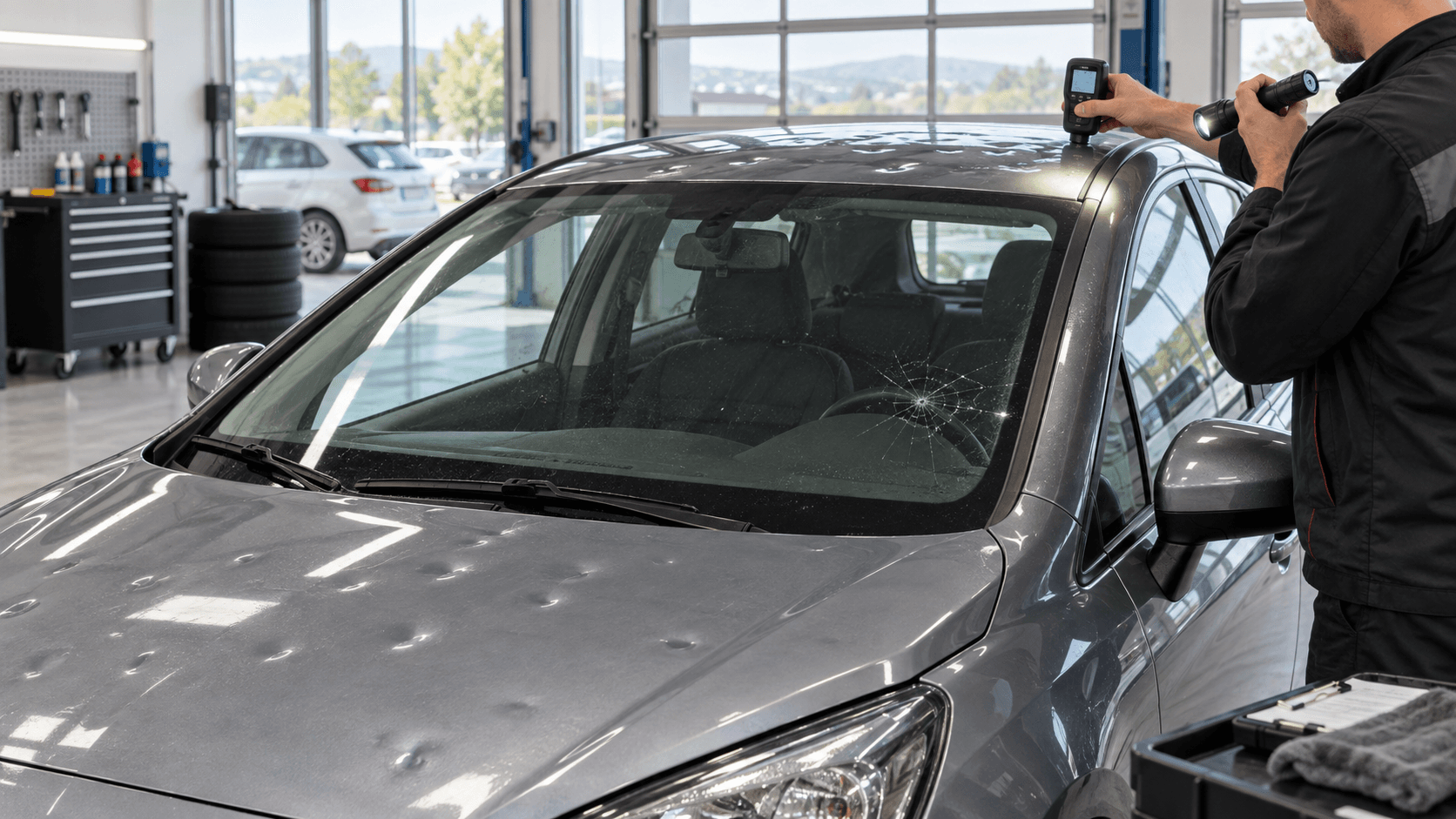
A respray is not automatically a problem, but it must be checked. A paint-thickness gauge can show differences between roof, bonnet, wings and doors. Very different values on several panels can indicate resprays, filler or more extensive repairs than the seller claims.
Do not rely only on phrases such as “it had a few hail spots”. Ask for before photographs, an estimate, an invoice and clear explanations of the method used.
Windscreen, ADAS camera and sensors
Hail can crack the windscreen or leave small chips that turn into cracks. If the windscreen has been replaced, check:
- whether the windscreen serial and brand look compatible with the car’s age;
- whether the rain sensor works;
- whether the assistance systems on the windscreen show no faults;
- whether the mirror, camera housing and surrounding plastics are fitted correctly;
- whether there is wind noise or water traces when washing.
On cars with a forward camera for lane keeping, automatic braking or sign recognition, windscreen replacement must be treated as technical work, not as a simple piece of glass. Ask where the repair was done and whether the calibration procedures required for that model were followed.
Panoramic sunroof and seals
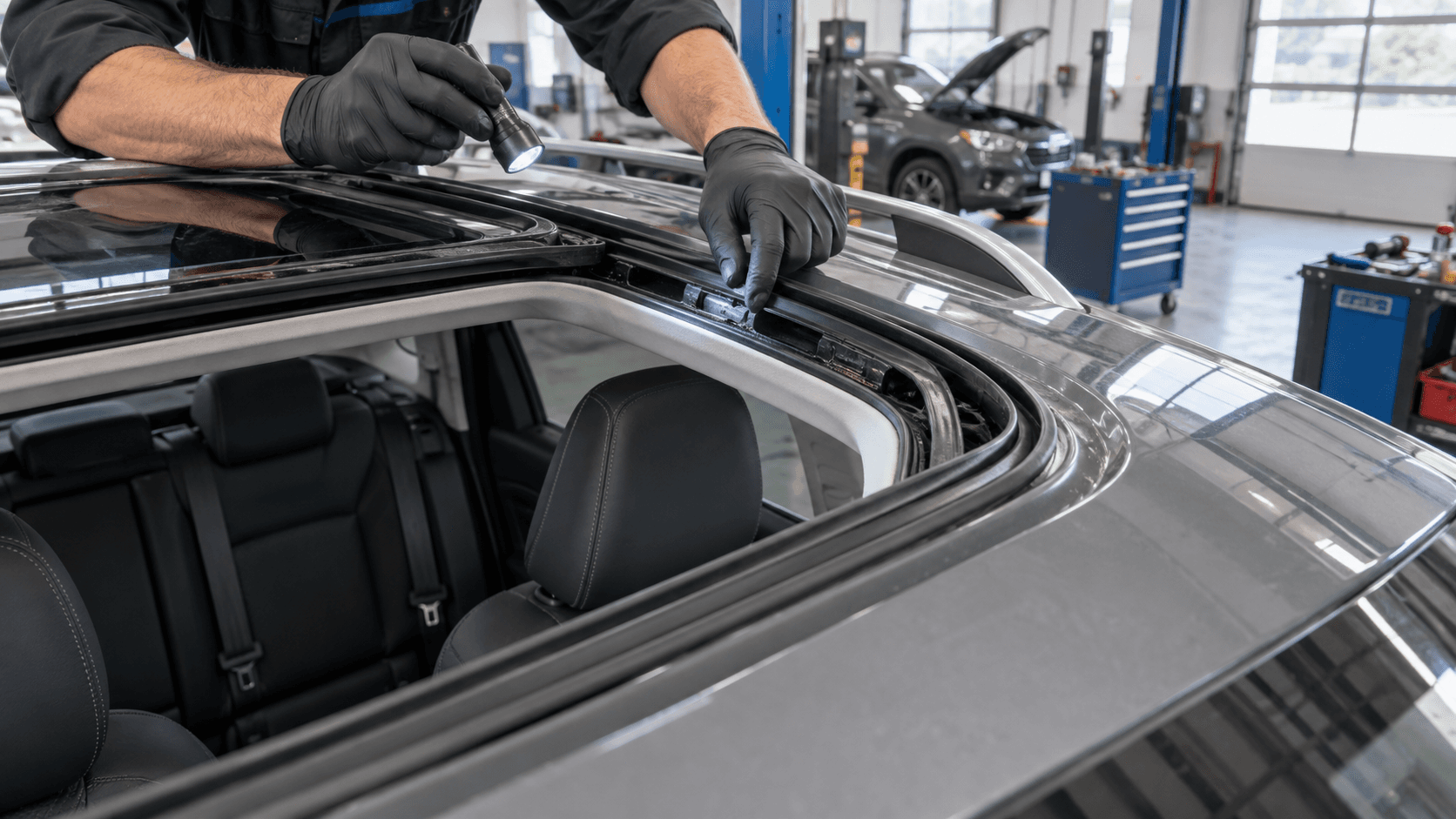
A panoramic sunroof can turn apparently cosmetic damage into a leak problem. Check the sunroof frame, gaskets, headliner, visors and surrounding trim. Look for stains, wrinkles, a damp smell or traces of dismantling.
If the seller agrees, check the car after a wash or after rain. Water in the cabin after a roof, sunroof or windscreen repair can mean higher costs than the discount obtained at purchase.
Paperwork and history
Ask for the VIN before viewing and compare the listing data with the documents. For cars used in Romania, the RAR Auto-Pass certificate can include odometer readings, periodic inspections, reported repairs and recall campaigns, where the information exists in the Romanian Automotive Register databases. If there is no data in the system, RAR can issue a negative certificate, which does not mean the car never had damage in another country or at a workshop that did not report the work.
On imports, ask for origin documents, auction photographs if they exist and the repair invoice. A car brought in after a large storm can be a fair purchase, but only if the price reflects reality and the history is explained.
What to ask the seller
Put concrete questions:
- Did the car have hail damage?
- Which panels were affected?
- Was it repaired without painting or by respray?
- Are there photographs from before the repair?
- Was the windscreen replaced?
- Were the forward camera and sensors calibrated, if fitted?
- Did water enter the interior after the repair?
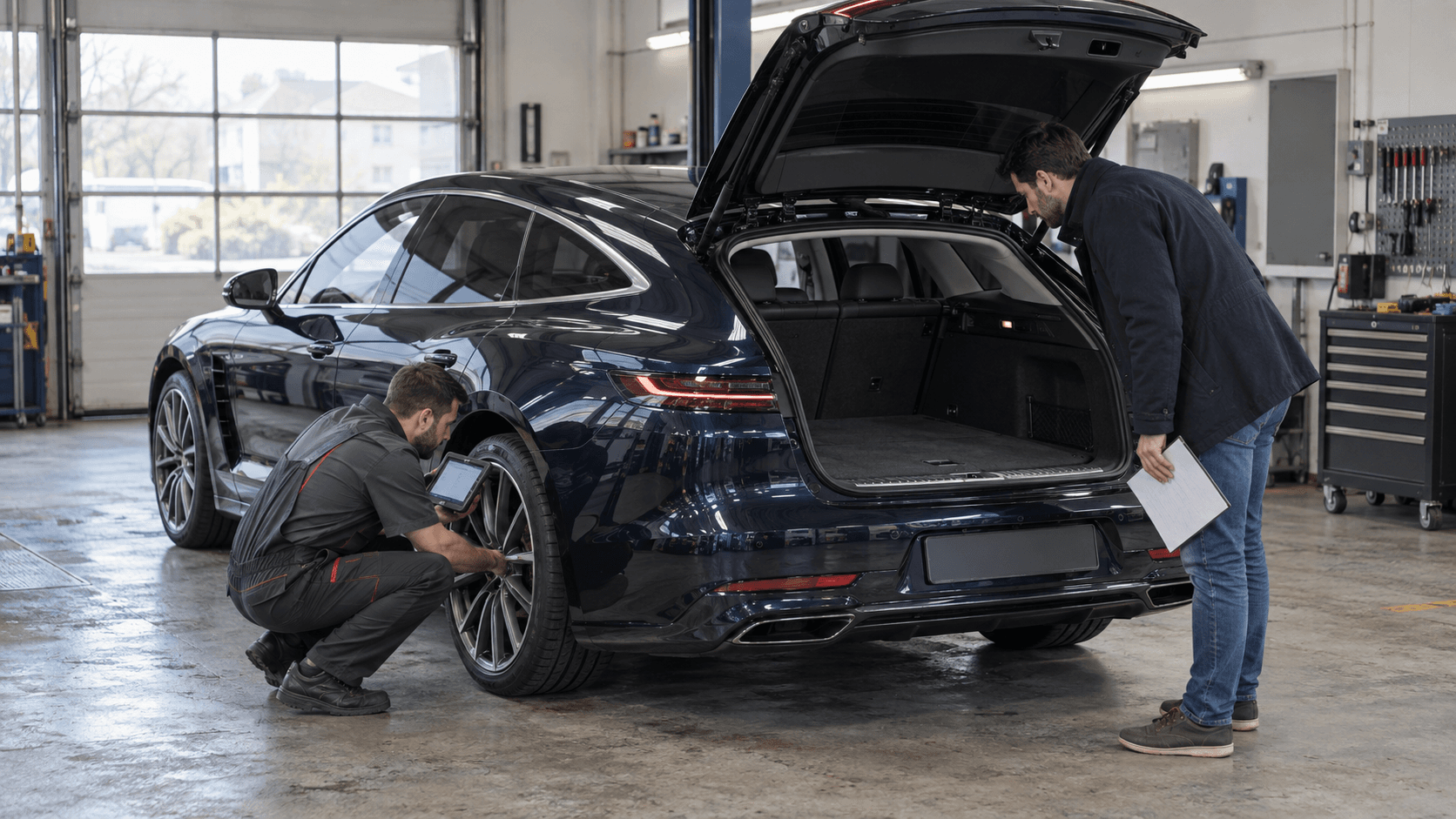
- Can the car be inspected at a workshop chosen by the buyer?
The answers must be consistent with what you see on the car. If the seller says it was minor damage, but the roof has high paint readings, the windscreen is replaced and the interior trim looks dismantled, treat the case as a more serious repair.
When buying can be worth it
It may be worth it if:
- the damage was only on outer panels;
- original paint was kept as far as possible;
- there are invoices and photographs;
- there are no leaks;
- the assistance systems work without faults;
- the price reduction realistically covers the resale risk.
A car repaired correctly after hail can be a good option for someone who wants to keep the car for several years and is not looking for a collector example.
When it is better to walk away
Walk away if you see:
- a roof with filler or a poor respray;
- large colour differences between panels;
- visible waves in the reflection;
- a windscreen replaced without documents;
- ADAS system faults;
- dampness in the headliner or on the trim;
- a panoramic sunroof repaired unclearly;
- a seller who refuses an independent inspection;
- a price reduced too little for the risk assumed.
Hail damage sometimes looks only cosmetic, but the real cost depends on the affected area, access to the panels, repair quality and the car’s technology. On modern models, the windscreen, cameras and sensors can matter as much as the sheet metal.
Useful sources
Conclusion
A car with hail damage can be a fair purchase if the history is transparent, the repair is well done and the price reflects the risk. The inspection should start with the roof, windscreen and paint, but continue with the paperwork, sensors and any leaks. When the explanations do not match the traces on the car, look for another example.