For family use, an estate car typically offers superior dynamic performance and fuel efficiency compared to an SUV, due to its lower centre of gravity and reduced frontal area. Conversely, an SUV often provides easier ingress and egress, a higher driving position, and potentially greater ground clearance for unpaved routes.
Practical Considerations for Family Transport
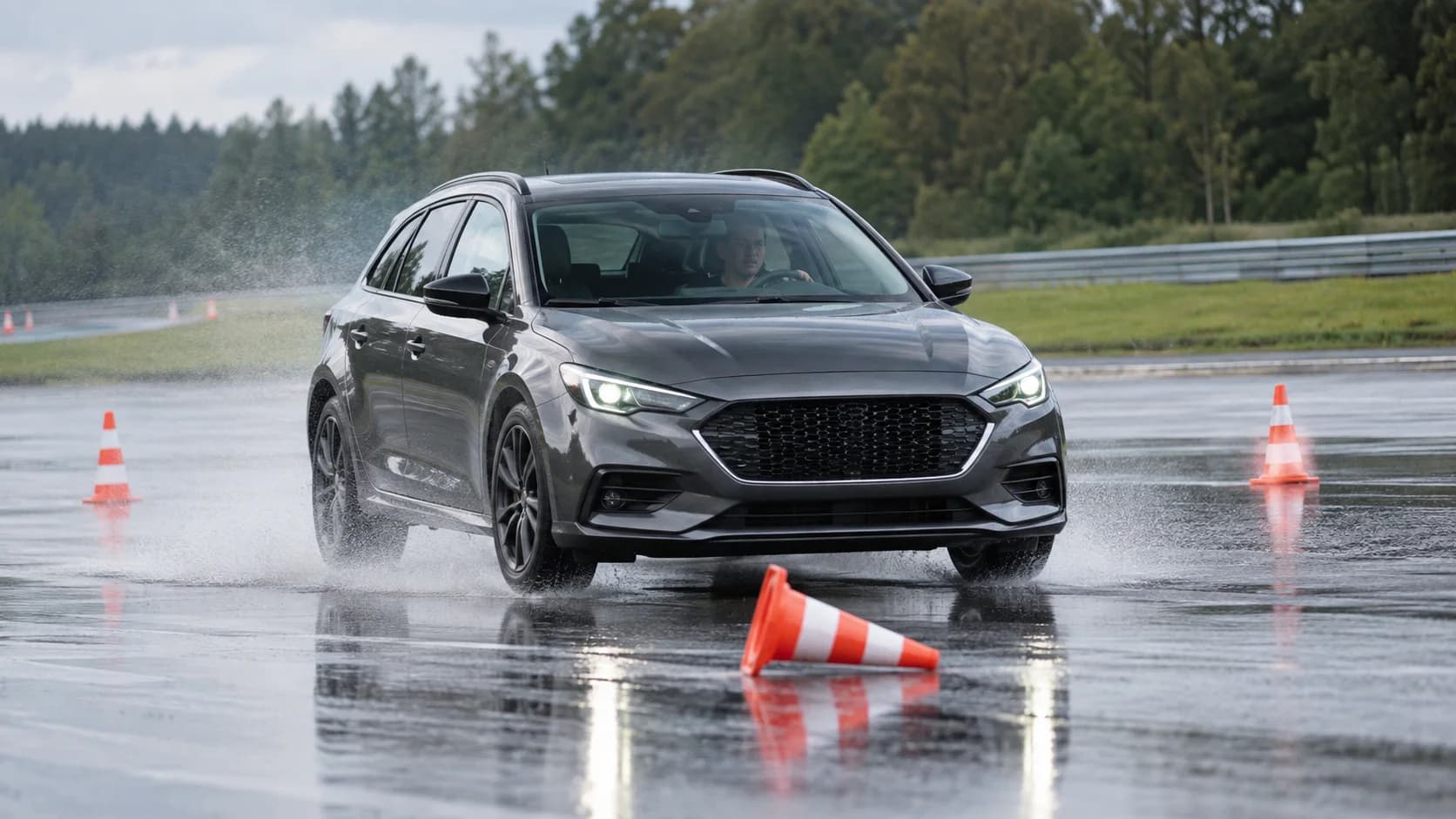
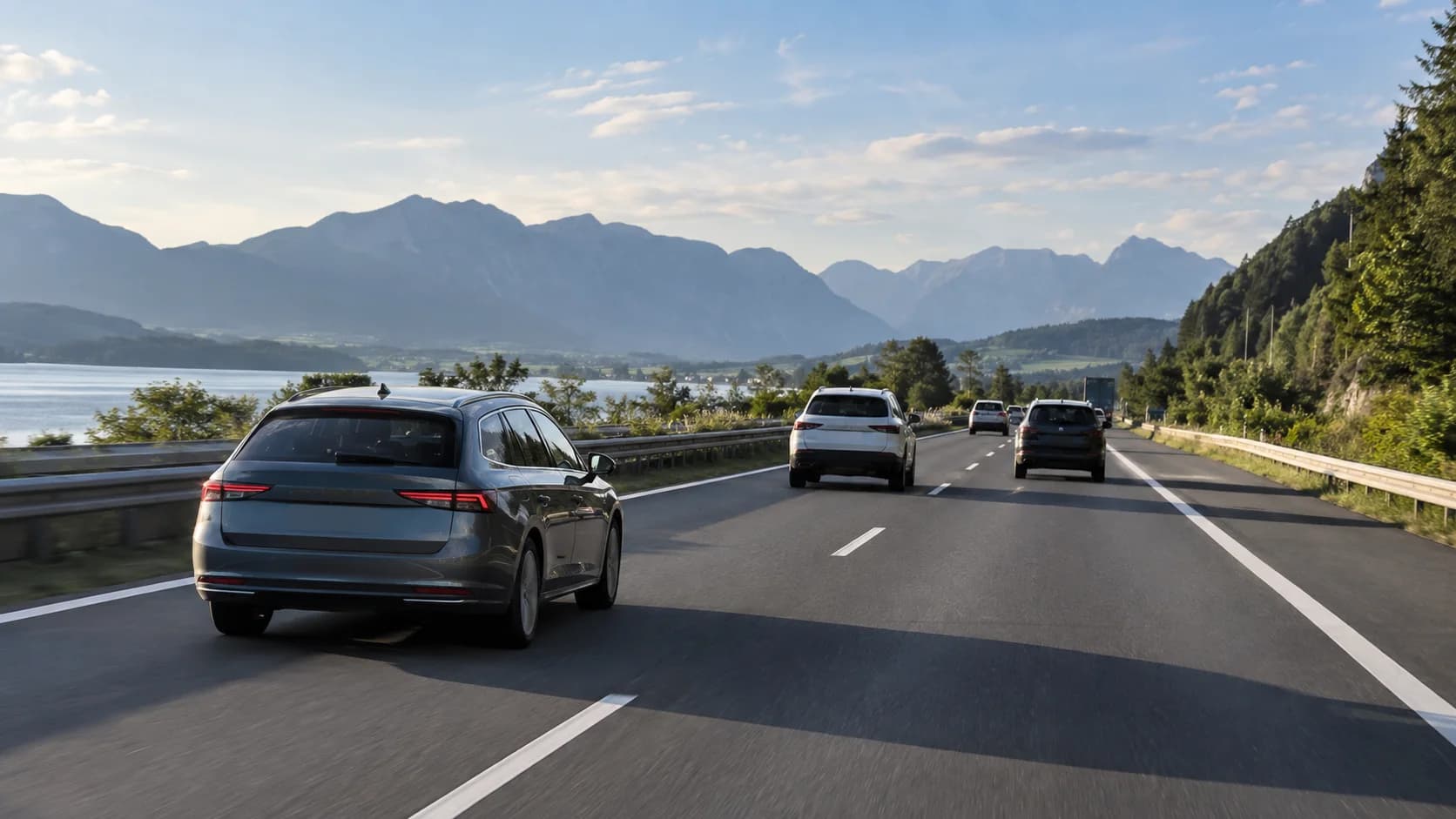
The choice between an SUV and an estate car for family use involves balancing practical attributes against driving dynamics and efficiency. An estate car, with its typically lower ride height, can offer a more car-like driving experience, characterised by less body roll and more direct steering feedback. This can be advantageous on winding roads or during evasive manoeuvres. The lower roofline and centre of gravity also contribute to reduced aerodynamic drag and improved stability at speed. For families frequently undertaking longer journeys, such as a hypothetical trip from Brussels to Munich, the cumulative effect of better aerodynamic efficiency in an estate car can translate to lower fuel consumption or, for electric vehicles, a longer real-world range.
SUVs, by design, offer a raised driving position, which many drivers find provides a commanding view of the road. This can enhance perceived safety and ease of navigation in dense urban environments. The higher seating position also simplifies the process of securing young children in car seats, reducing the need for parents to bend significantly. Furthermore, the increased ground clearance of an SUV can be beneficial for accessing properties with uneven driveways or for light off-road excursions, though most family SUVs are not designed for challenging terrain.
Cargo Capacity and Practicality
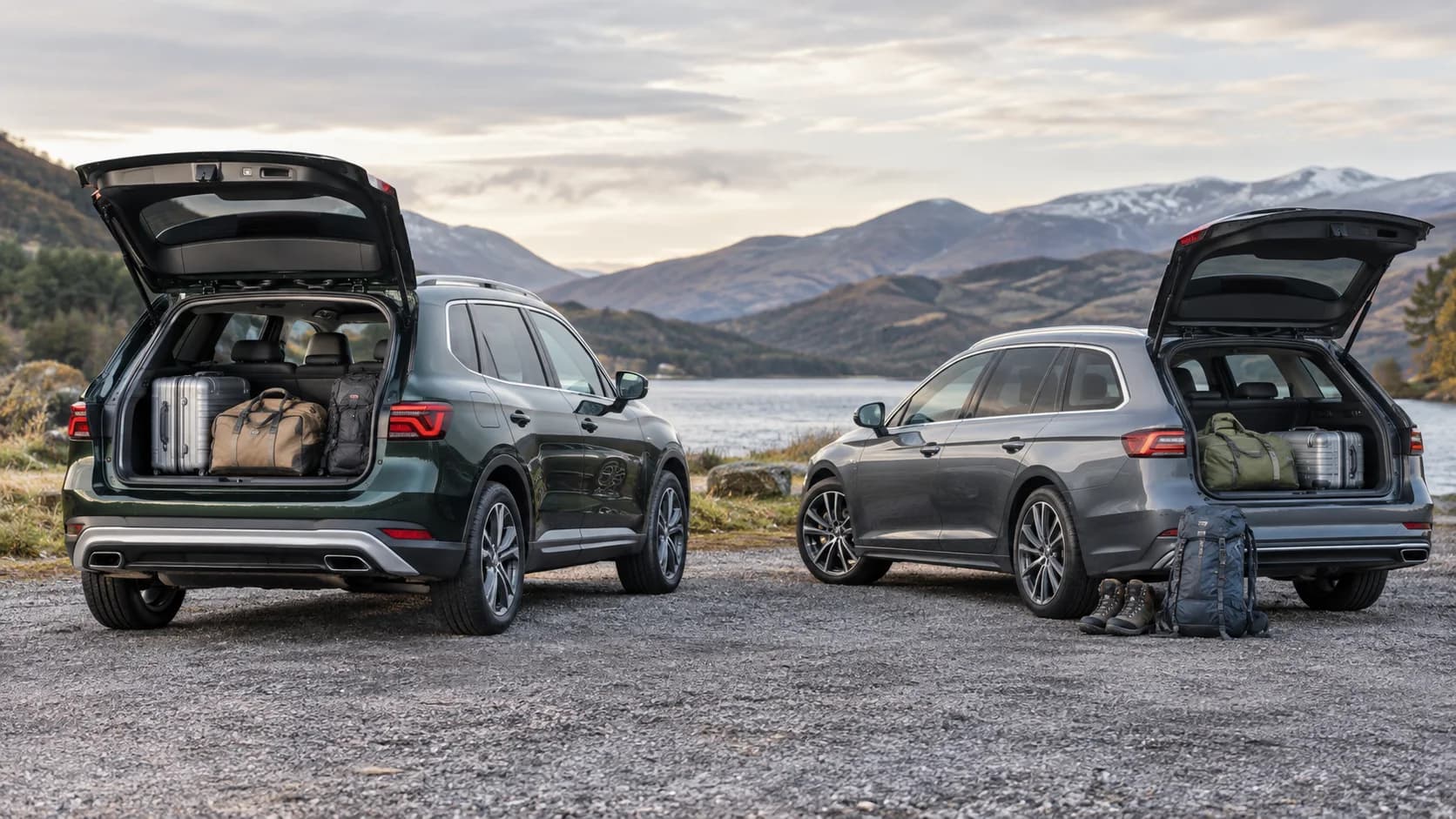
Both SUVs and estate cars are designed to offer substantial cargo capacity, but their approaches differ. Estate cars typically feature a long, flat load floor when the rear seats are folded, facilitating the transport of lengthy items such as flat-pack furniture or sports equipment. The lower sill height of an estate car can also make loading heavy items easier. Manufacturers often quote official boot volumes, which are useful for comparison, but real-world utility depends on the shape of the load space and the presence of features like underfloor storage or cargo nets.
SUVs often present a taller load space, which can be advantageous for bulky items that benefit from vertical clearance, such as large pushchairs or multiple suitcases stacked upright. However, the higher load sill of an SUV can make lifting heavy objects more strenuous. Some SUVs offer a third row of seating, which, while useful for occasional transport of extra passengers, typically significantly reduces available boot space. Buyers should verify the specific dimensions and configurations in the vehicle's manual or official specification sheets to ensure it meets their family's needs.
Safety and Driver Assistance Systems
Modern vehicles, regardless of body style, are equipped with a range of safety features. The EU General Safety Regulation (GSR) mandates several advanced driver assistance systems (ADAS) for new vehicle types introduced from July 2022 and for all new vehicles sold from July 2024. These include intelligent speed assistance, reversing detection, and lane-keeping assistance. Euro NCAP protocols also assess the effectiveness of these systems under its Safety Assist category.
While both SUVs and estate cars benefit from these advancements, their inherent design characteristics can influence certain aspects of safety. The higher mass and centre of gravity of an SUV can alter crash dynamics compared to a lower-slung estate car. However, modern vehicle structures are engineered to manage crash energy effectively across different body types. For families, the presence and performance of child seat anchor points (ISOFIX or i-Size) are critical. Buyers should consult the vehicle manual to confirm the number and location of these anchors and their compatibility with specific child seat models.
Fuel Efficiency and Emissions
The aerodynamic profile and mass of a vehicle significantly influence its fuel consumption and CO2 emissions. Estate cars generally possess a lower frontal area and a more streamlined shape than SUVs, which typically results in better aerodynamic efficiency. This difference is particularly noticeable at higher speeds, where air resistance becomes a dominant factor. The official WLTP (Worldwide Harmonised Light Vehicle Test Procedure) figures, found in a vehicle's Certificate of Conformity, provide a standardised comparison of fuel consumption and emissions. However, real-world outcomes can vary based on driving style, road conditions, and vehicle load.
For electric vehicles, aerodynamic efficiency directly impacts range. An electric estate car with a lower drag coefficient will generally achieve a longer range on a single charge than an equivalent electric SUV, assuming similar battery capacity and powertrain efficiency. This can be a significant factor for families undertaking longer journeys, as it reduces the frequency of charging stops. The EU Alternative Fuels Infrastructure Regulation (AFIR) aims to ensure adequate charging infrastructure across Europe, but optimising range through vehicle choice remains relevant.
Driving Dynamics and Comfort
The driving experience differs considerably between SUVs and estate cars. Estate cars, with their lower centre of gravity, typically exhibit less body roll in corners and offer a more direct connection to the road. This can lead to a more engaging driving experience and potentially less motion sickness for passengers prone to it. The suspension tuning in estate cars is often geared towards comfort and stability, providing a smooth ride over varying road surfaces.
SUVs, due to their taller stance, often have softer suspension settings to absorb road imperfections, which can contribute to a comfortable ride, particularly on rougher roads. However, this can sometimes come at the expense of precise handling and increased body lean during cornering. The higher seating position in an SUV can also affect the perception of speed and road feel. For families, the overall comfort of the ride, the quietness of the cabin, and the effectiveness of climate control systems are important factors, all of which vary by specific model and manufacturer. Test driving both body types with the family on board can provide the most accurate assessment of comfort and dynamics.