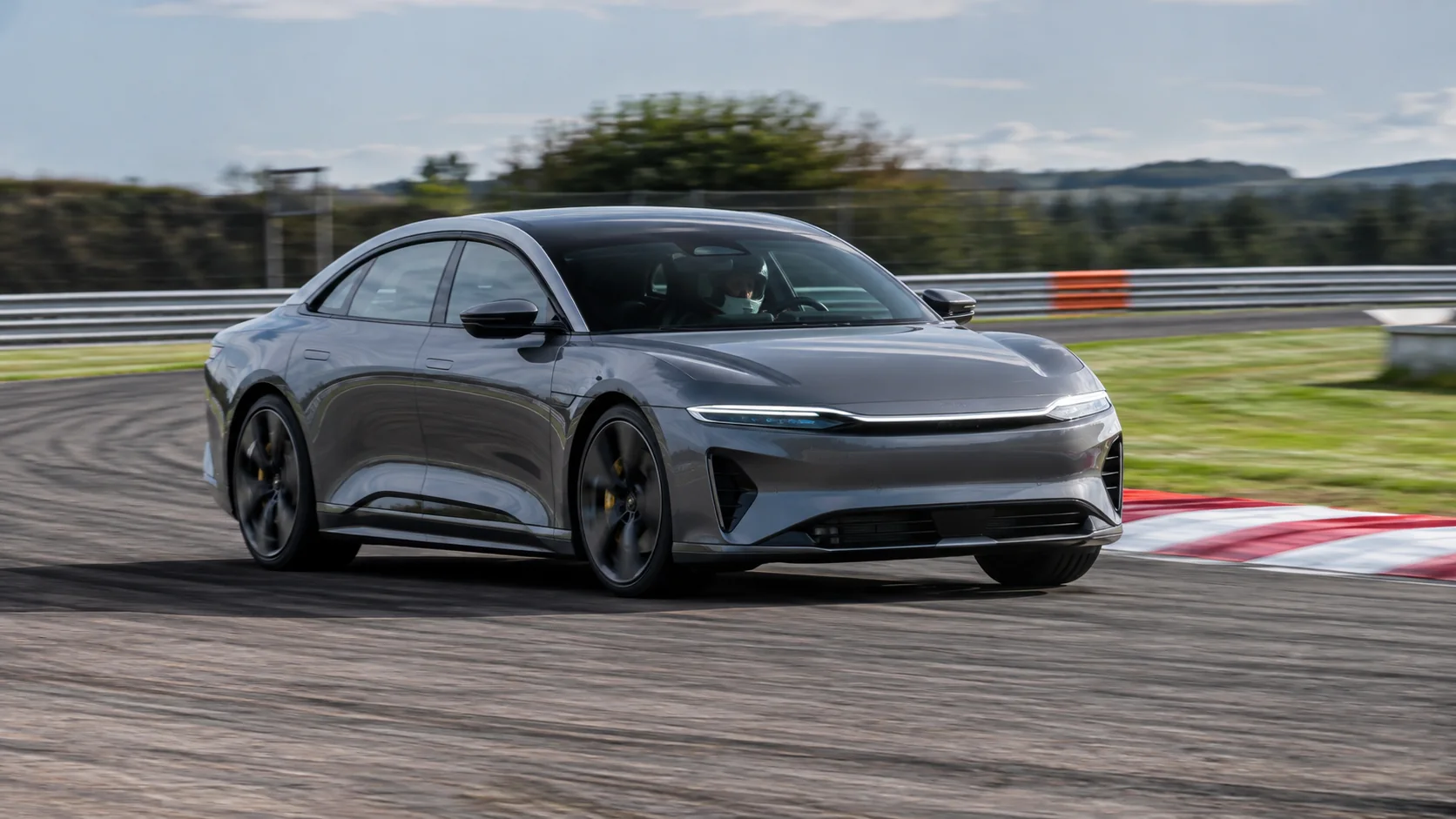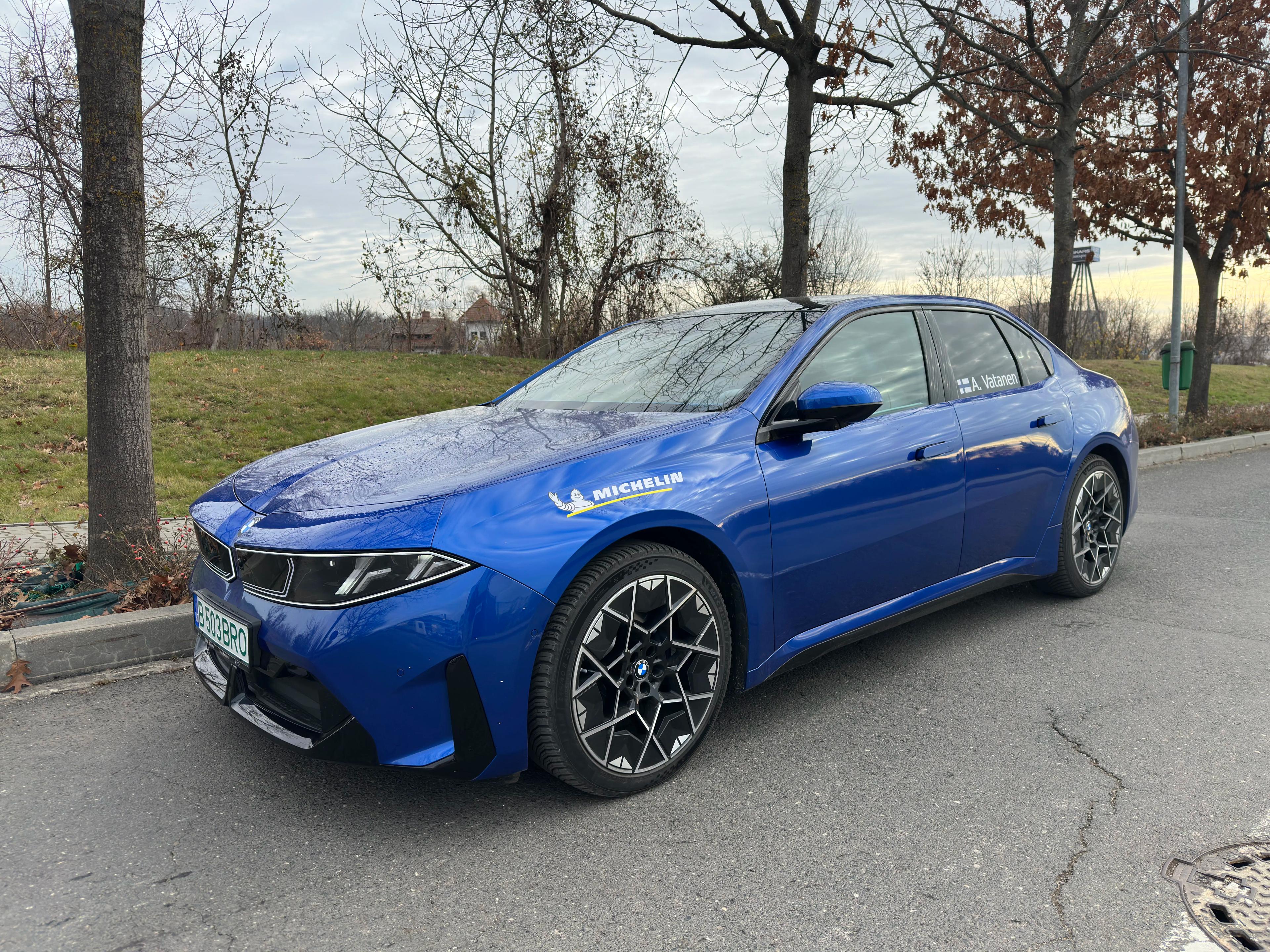
BMW's new i3 50 xDrive makes a persuasive case as a driver's electric sedan. In the CautiMasina road test, the steering and power delivery left a stronger impression than its headline range. The same test also supplies a useful warning for US shoppers: at roughly 32°F and 81 mph, the car consumed about 2.5 miles per kWh (25 kWh/100 km).
That is one observed highway condition, not an EPA-range test or a Carboratory measurement. Using the European test car's 108.7 kWh usable battery, it implies about 270 miles from full to empty in comparable conditions. A 10–80% charging interval would cover roughly 189 miles by calculation. Both figures are estimates, and the US specification may differ.
An electric 3 Series with a firm edge
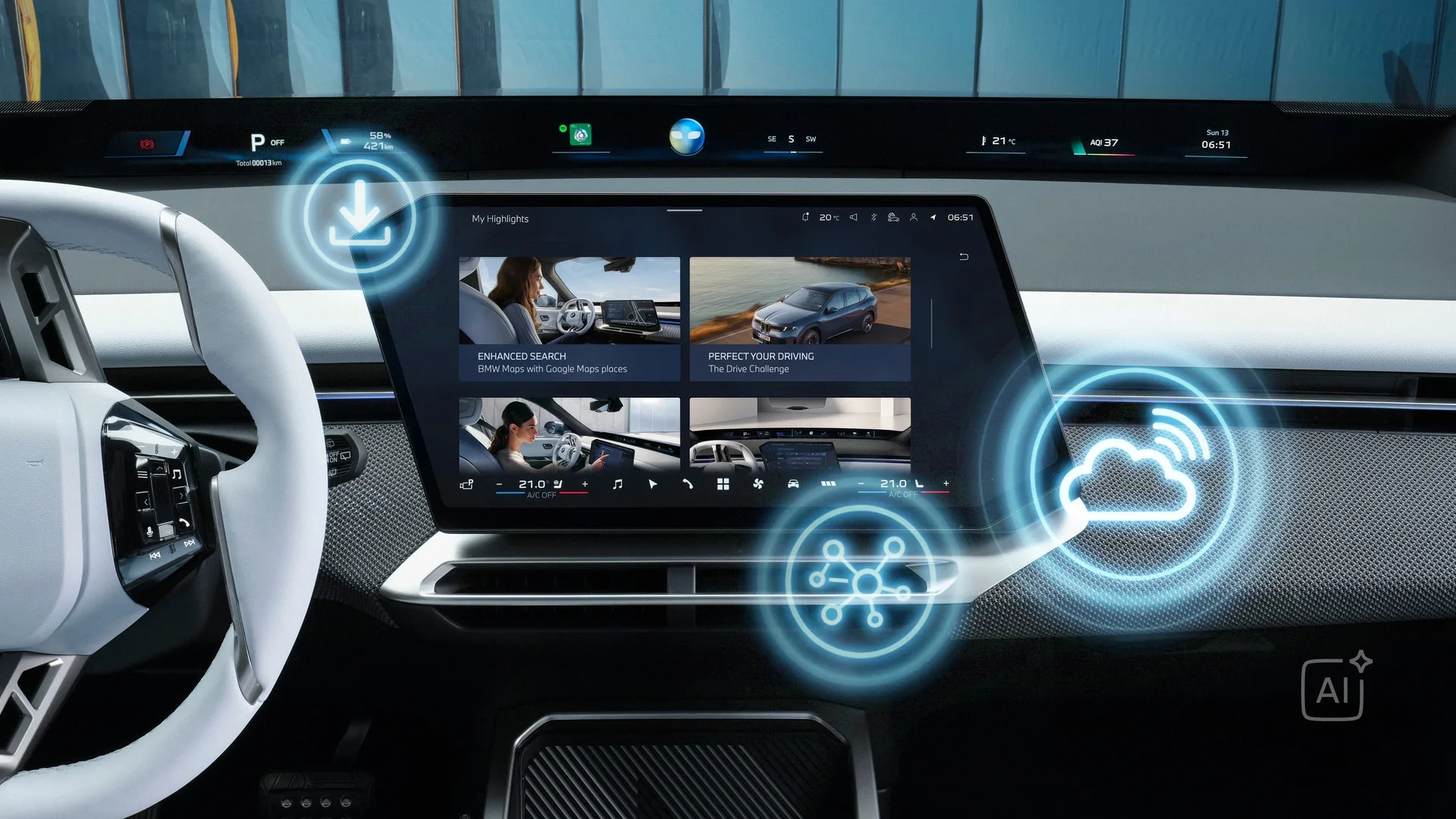
The source test praises the i3's immediate responses and adaptive regenerative braking. Its dual-motor all-wheel-drive system makes the car quick without reducing the experience to straight-line acceleration. Rear-seat legroom is useful, too. The trade-off is a firm ride on the tested 20-inch wheels. The driver also found the seating position higher than expected from a 3 Series and disliked moving airflow direction and drive-mode selection into screen controls.
Those are observations about the European test car, rather than promises that every US trim will feel identical. Wheel choice deserves attention on a test drive, especially if the car will regularly cross broken pavement.
The US price and range claim
BMW USA lists the i3 50 xDrive at $61,500 starting MSRP. Taxes, transport, options and dealer charges can change the transaction price. BMW says US deliveries begin in early 2027. Its current US model page gives a preliminary estimated range of 446–468 miles, based on BMW testing under EPA procedures; that is not a final EPA rating. BMW also quotes 463 hp and DC charging up to 400 kW for the US car.
The European test's 270-mile cold-highway calculation should not be compared directly with that preliminary mixed-cycle US estimate. A driver holding about 81 mph near freezing will use more energy than one following a gentler test cycle. Charging performance also depends on battery temperature and the station, so a 400 kW peak is not a sustained charging rate.
Verdict
The i3's draw is its steering, brisk all-wheel-drive response and substantial battery. Its weaknesses are the firm tested suspension and touch-led ergonomics. For US buyers, the practical question is whether the eventual EPA rating and a local winter drive support their regular route. The $61,500 MSRP buys a promising sports sedan; the source test gives a better starting point for highway planning than the largest range number on a brochure.