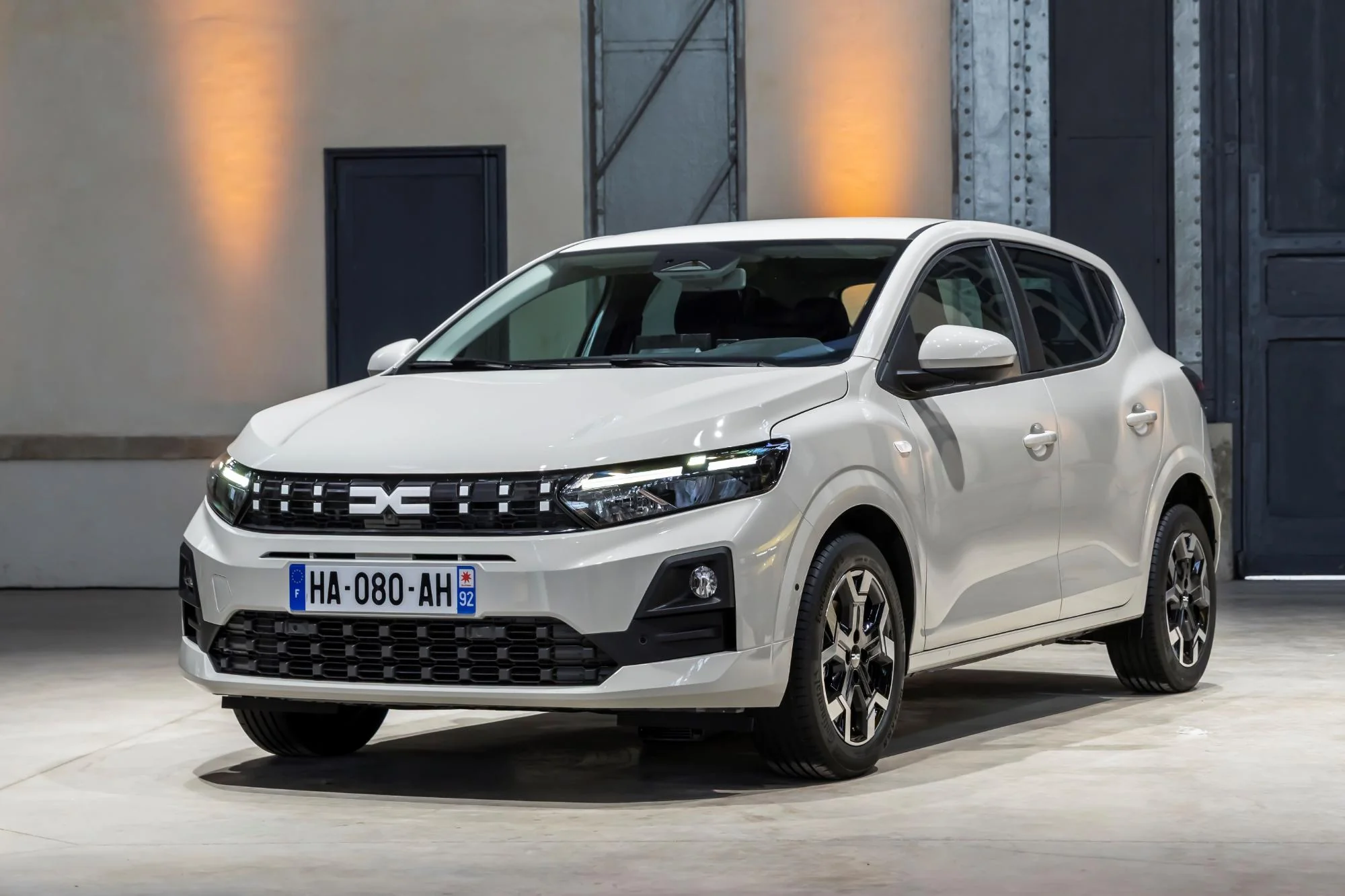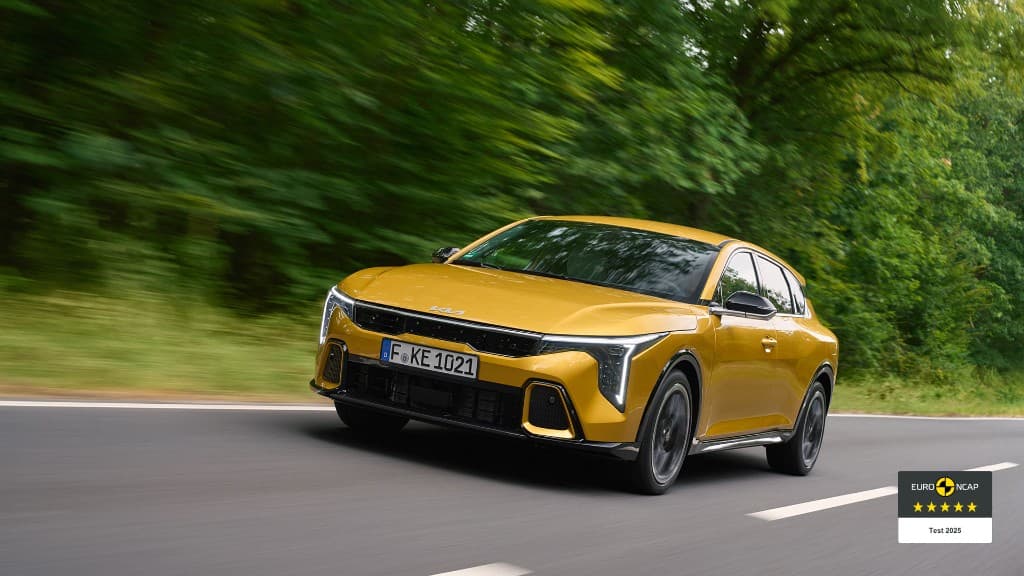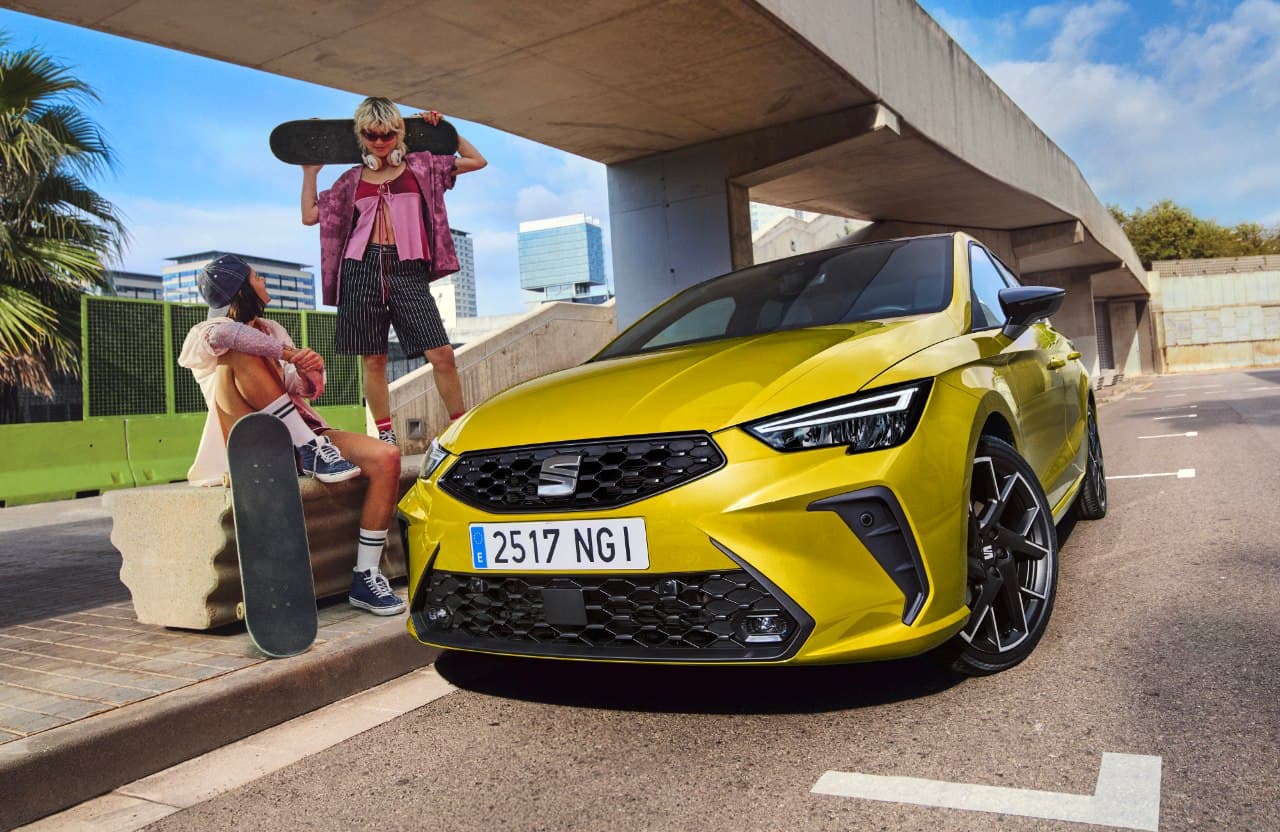
The SEAT Ibiza and Arona were updated at the beginning of 2026. Photo source: SEAT S.A.
Volkswagen is examining withdrawing the SEAT brand after 2029. The decision is not confirmed
Volkswagen Group is examining the possibility of gradually stopping sales of cars under the SEAT brand after 2029, according to information that appeared in the German and Spanish press in the context of the group’s new restructuring plan. The scenario would concentrate investment on Cupra, the younger and more profitable brand run by the same company in Martorell.
At this point, SEAT’s disappearance is not an official decision. SEAT S.A. told the Spanish press that Volkswagen is working on transforming the whole group to improve its efficiency and competitiveness, but that it has not decided the brand’s future. The public product plan still in force includes SEAT updates through 2029.
What the scenario discussed inside Volkswagen Group provides for
The information was first published by the German business magazine WirtschaftsWoche, based on preparatory documents for the Volkswagen Supervisory Board meeting. According to reports taken up by El País, the group might no longer include SEAT in strategic planning from 2030.
That option is part of a broader cost-reduction programme. The Volkswagen Supervisory Board approved on 3 September 2026 a plan that aims to cut another 50,000 jobs, reduce the number of models by about half and stop car production at four plants in Germany. The group’s public communication on the restructuring did not, however, announce the closure of SEAT.
There are therefore two different pieces of information: Volkswagen’s restructuring is approved, but withdrawing the SEAT brand remains a scenario reported by the press.
Why Cupra has become the priority
The 2025 results explain the pressure on strategy. SEAT and Cupra together delivered a record 586,300 cars, 5.1% more than in 2024. The two brands’ trajectories were, however, opposite:
| Brand | Deliveries in 2025 | Year-on-year change |
|---|---|---|
| SEAT | 257,400 | -17% |
| Cupra | 328,800 | +32.5% |
Cupra has thus overtaken SEAT on volume and occupies a higher price band. Its range includes its own models such as the Formentor, Terramar, Tavascan and Raval, not only derivatives of SEAT cars. For Volkswagen Group, concentrating on Cupra could reduce overlap between SEAT, Škoda and the Volkswagen brand in volume segments.
SEAT remains known, however, for more affordable cars such as the Ibiza, Arona and Leon. Dropping it would leave the group fewer options at the lower end of the European market, exactly as Chinese manufacturers intensify their offer of lower-priced models.
The SEAT brand and the company SEAT S.A. are not the same thing
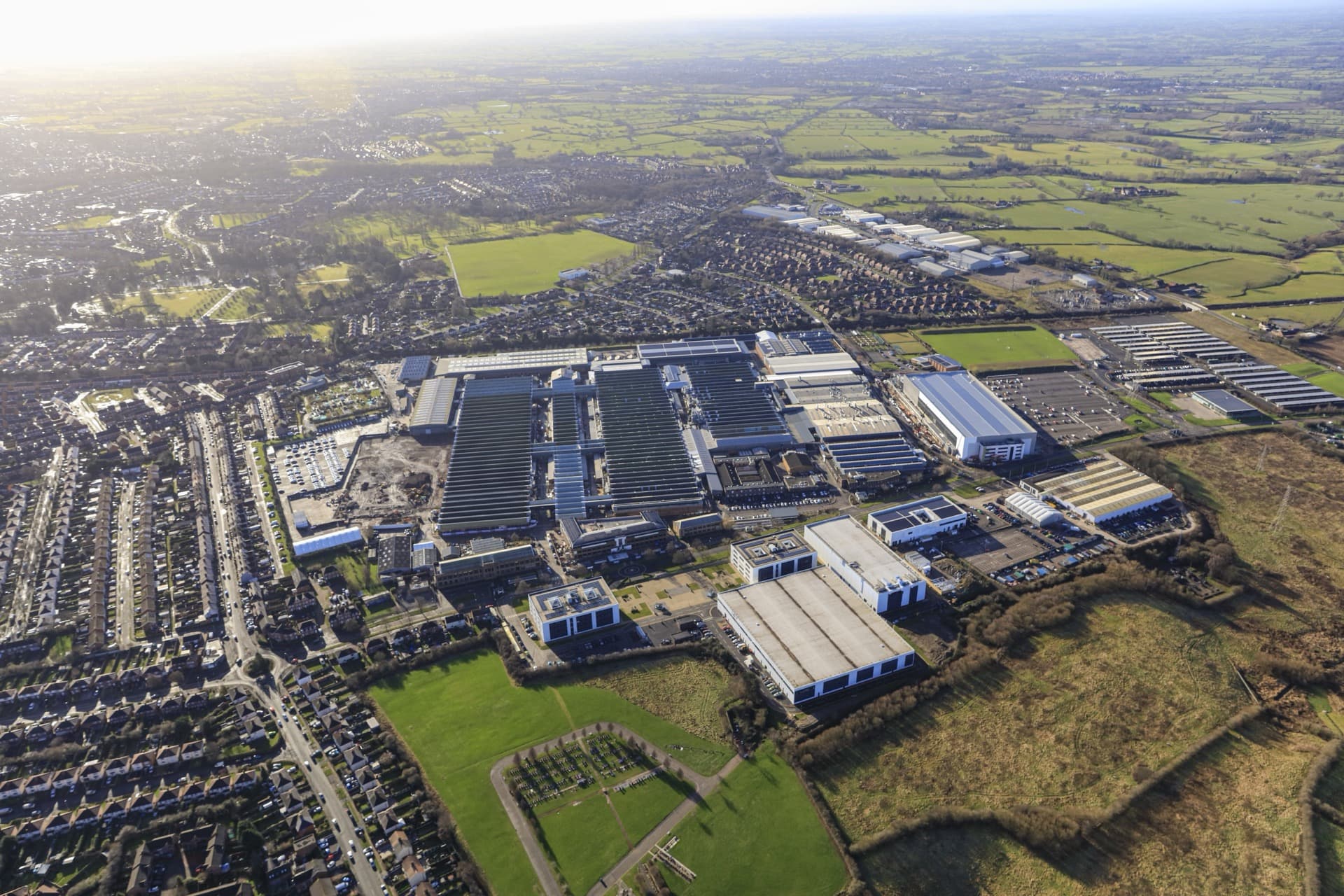
A possible withdrawal of the brand from cars would not automatically mean the closure of SEAT S.A. or the Martorell plant. The Spanish company runs both SEAT and Cupra and leads an important part of Volkswagen Group’s electric projects on the Iberian Peninsula.
The Martorell plant builds cars for several brands and has been adapted for the group’s family of urban electric models. The Cupra Raval is built there, and the new battery-assembly unit also serves other Volkswagen projects. The joint Future: Fast Forward investment, carried out with partners, has a declared value of €10 billion and includes the transformation of Spain’s car industry.
Even if the SEAT name disappeared from showrooms, Cupra’s development, production and operations could continue within the same legal and industrial entity.
The official SEAT plan currently runs to 2029
The company’s public documents contradict the idea of an immediate stop. The Ibiza and Arona received updated versions in January 2026. SEAT announces mild-hybrid powertrains for the two models in 2027, a full-hybrid system for the Leon in 2028 and further updates for the Leon and Leon Sportstourer in 2029.
The current range is limited to four main families — Ibiza, Arona, Leon and Leon Sportstourer — and the manufacturer has not presented an electric car dedicated to the SEAT brand. Electric models developed at Martorell are launched mainly under the Cupra and Volkswagen badges, which feeds questions about SEAT’s role after the end of the current product cycle.
What it means for SEAT owners and customers
There is as yet no announcement about stopping sales, warranties, parts or the service network. SEAT said in its 2025 annual report that it has more than 1,400 sales points and 3,000 service units worldwide and reaffirmed its commitment to customers and dealers.
Even if Volkswagen decides not to launch SEAT models after 2029, warranty obligations and parts supply for cars already sold do not end with production. For a current buyer, the relevant information is that the range’s long-term future has become uncertain, not that the brand has already been abolished.
A final decision must be confirmed in a Volkswagen Group or SEAT S.A. statement. Until then, headlines claiming that SEAT has already been shut down go beyond the public information available.
Sources
- SEAT S.A. – 2025 annual report and product plan through 2029
- Volkswagen Group – SEAT and Cupra deliveries in 2025
- SEAT Media Center – Ibiza and Arona update and electrification timetable
- Volkswagen Group – electric transformation of the Martorell plant
- Associated Press – restructuring plan approved by Volkswagen
- El País – documents on the scenario of withdrawing SEAT after 2029