Katrin Adt, Dacia’s chief executive, says the My Safety button is the most used control in the brand’s cars. The function gives quick access to a customised configuration for certain assistance systems and to the associated audible warnings. The statement was made in a conversation with Autocar, published on 15 September 2026, in the context of criticism of the cost of European regulations.
Adt says Dacia has asked the European Commission, together with other manufacturers, for at least a pause in the introduction of new rules for this category. It is an industry request, not a suspension of existing obligations.
Why Dacia cites audible warnings
In the interview, Adt questions whether all mandated functions meet customers’ needs. She argues that the button used most often in the brand’s cars is the one that allows the audible warnings of certain assistance systems to be switched off. The claim is hers; it is not presented as the result of an independent study.
Separately, Fabrice Cambolive has called for a ten-year freeze on regulations, according to the same publication. His argument is that engineers could devote more attention to affordability and electrification.
What the My Safety button actually does
The Dacia manual for the My Safety function explains that the driver can switch a set of assistance functions on or off at the same time. My Safety Perso mode uses a previously customised configuration, within the limits of the functions available on the car.
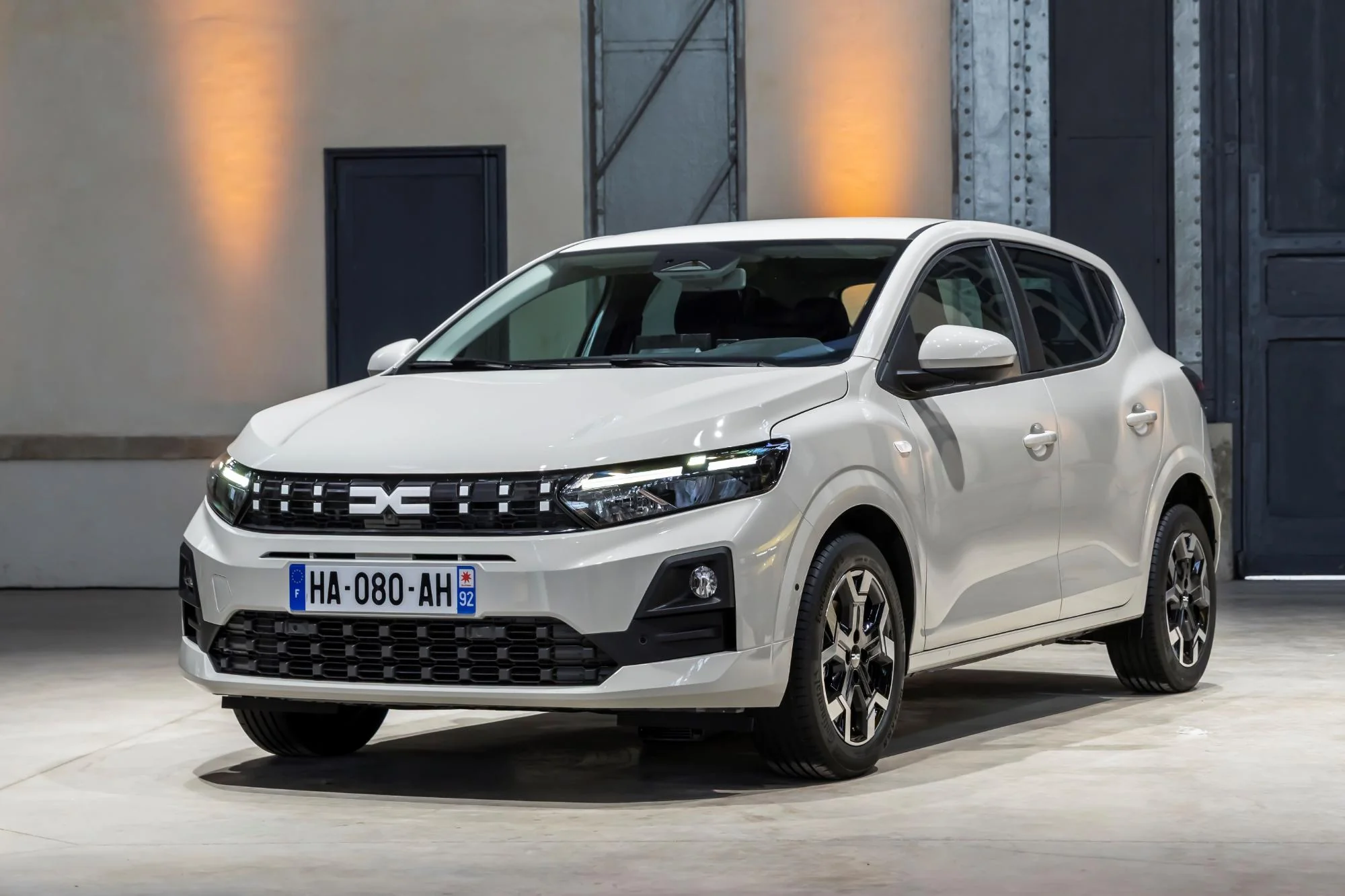
The button should therefore not be described as a control that removes all safety systems. It provides quick access to certain driver preferences. Dacia also mentions this access to the customised configuration in the official presentation of the Sandero, Sandero Stepway, Jogger and Logan range.
The rules also have a safety objective
The European Commission states that, from 7 July 2024, new motor vehicles sold in the EU must incorporate a series of safety functions. These include intelligent speed assistance, detection of obstacles when reversing via cameras or sensors, and a warning for driver drowsiness.
The institution estimates that the measures could help save more than 25,000 lives by 2038. That is a Commission estimate, not a result already measured. Discussion of equipment cost should therefore be kept separate from the role of these systems in preventing accidents.
For buyers in Romania, Dacia’s appeal does not for now change mandatory equipment and is not an announcement of price cuts. Any legislative pause would require a decision at European level; the company’s statements set neither the date of such a measure nor the savings that would reach the customer.