Romania registered 12,116 new passenger cars in October 2026, down 5.63% from October 2025, according to the release published by the Romanian automotive manufacturers’ association ACAROM on 2 November. The January–October total reached 109,326 cars, a decline of 10.1% from 121,609 a year earlier. Battery-electric cars and hybrids nevertheless increased their cumulative volumes.
The figures describe cars entering the registration statistics in Romania. They do not measure orders placed during October, and the release does not identify the dates of purchase contracts. For readers following the Romanian market from abroad, the geography also matters: this is a national passenger-car registration series, rather than Romanian vehicle production or the worldwide sales of brands operating there.
A better month than September, with a larger annual shortfall
October exceeded September’s 11,068 registrations by 1,048 cars. That is a calculated increase of approximately 9.5% between consecutive months in the ACAROM series. September had been 11.2% below September 2025, so October also posted a less pronounced year-on-year decline. Neither comparison changes the fact that the October market was smaller than a year earlier.
The cumulative picture needs a similar distinction between percentages and absolute volumes. At the end of September, ACAROM reported 97,210 new cars against 108,770 in January–September 2025, down 10.62%. The shortfall was therefore 11,560 cars. By October it had widened to 12,283, even though the cumulative percentage decline eased to 10.1%.
Those differences are calculations from the association’s two releases. The October publication provides no seasonal adjustment or assessment of working-day effects. A month-on-month improvement alone therefore cannot establish that underlying demand has turned upwards, while the smaller annual percentage decline should not be mistaken for an absolute recovery of the missing registrations.
Hybrids account for more than half of new cars
ACAROM lists 62,059 hybrid cars for the first ten months, up 3.8% year on year. Dividing that volume by the overall total gives a calculated share of approximately 56.8%. Hybrids therefore exceed the combined 47,267 cars in all the other propulsion categories listed in the release, by 14,792 units.
There is a limit to what that majority tells a buyer. ACAROM does not split the hybrid total into mild hybrids, full hybrids and plug-in hybrids in this publication. The 56.8% figure must not be presented as the share of externally rechargeable cars. Nor does it measure electric-only driving, charging behaviour or fuel consumption among the registered vehicles.
Battery-electric cars reached 9,384 registrations, up 45.6%. Their calculated share of the new-car total was about 8.6%. This was the fastest percentage growth among the five reported categories, but battery-electric volume remained below LPG’s 13,078. Electric cars exceeded diesel by 3,054 registrations; a strong growth rate and the largest market segment are different things.
Subtracting ACAROM’s nine-month totals from its ten-month figures gives 1,495 battery-electric cars and 6,635 hybrids for October. These are editorial calculations between the releases, rather than a separate monthly propulsion table supplied in the November publication. The distinction preserves the origin of the numbers while making the latest month easier to compare with the cumulative result.
Petrol, LPG and diesel all contract
The association’s petrol category recorded 18,475 cars, down 34.9%, while LPG fell 20.2% to 13,078. Diesel registrations dropped 40.3% to 6,330. Diesel consequently had both the lowest volume and the deepest percentage decline among the five categories. Calculated shares were approximately 16.9% for petrol, 12% for LPG and 5.8% for diesel.
These are the report’s mutually listed categories, not a count of every combustion engine installed in a new car. A hybrid can also have a petrol engine while appearing in the hybrid total. It would therefore be incorrect to conclude from the 16.9% share that only that proportion of registered cars can use petrol.
For October alone, the differences between the cumulative releases are 1,488 cars in the petrol category, 1,969 LPG cars and 529 diesels. Combined with the calculated electric and hybrid volumes, they sum to the reported monthly total of 12,116. The release does not provide transaction prices or a causal breakdown of the changes by propulsion.
Dacia leads the ten-month brand ranking
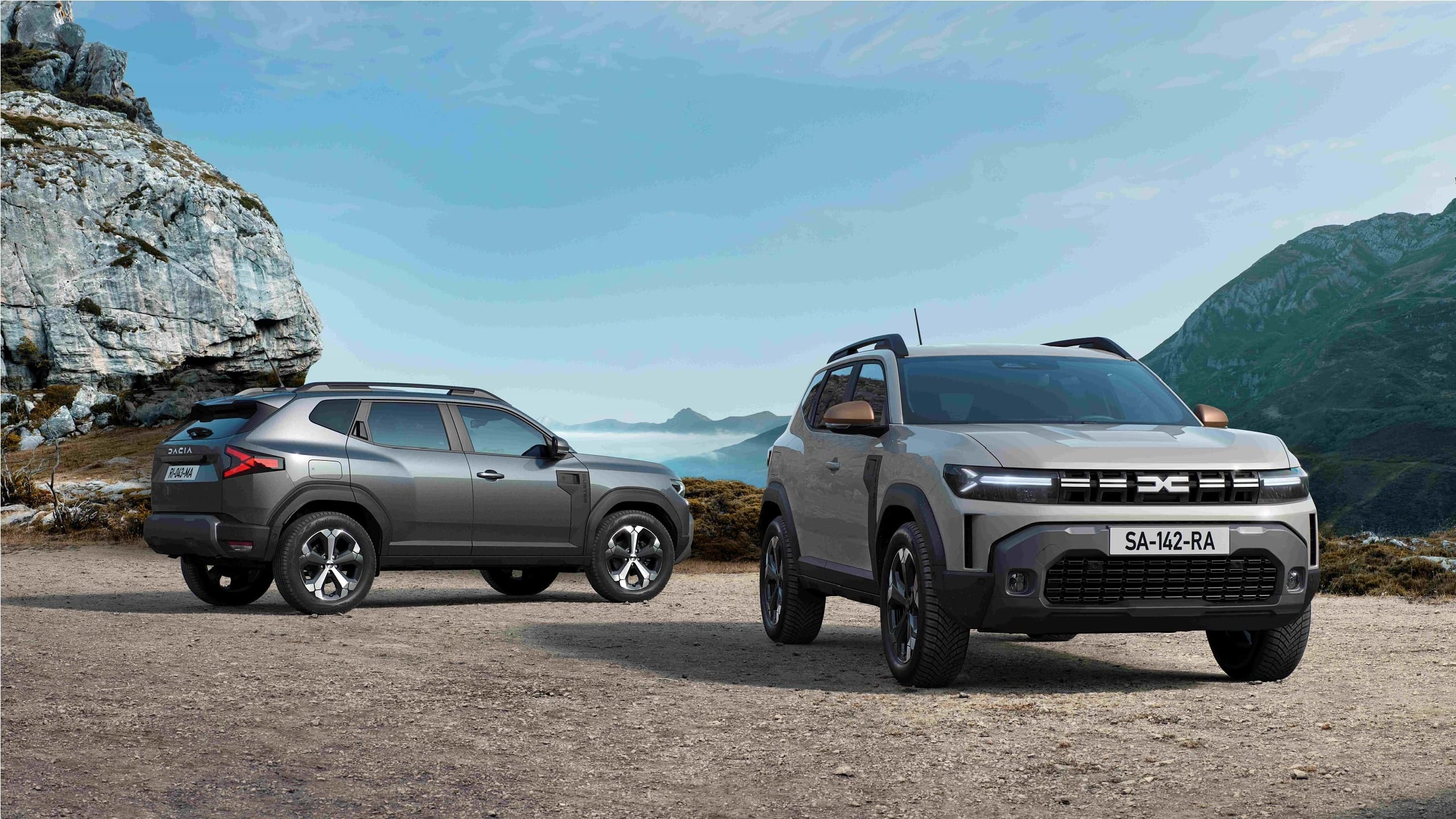
Dacia recorded 22,633 new cars, ahead of Toyota’s 12,158 and Skoda’s 8,726. Volkswagen followed with 7,704 and Renault with 5,201. Dacia’s calculated share was approximately 20.7% of the Romanian total, with a lead of 10,475 registrations over Toyota. These positions cover January through October, not October in isolation.
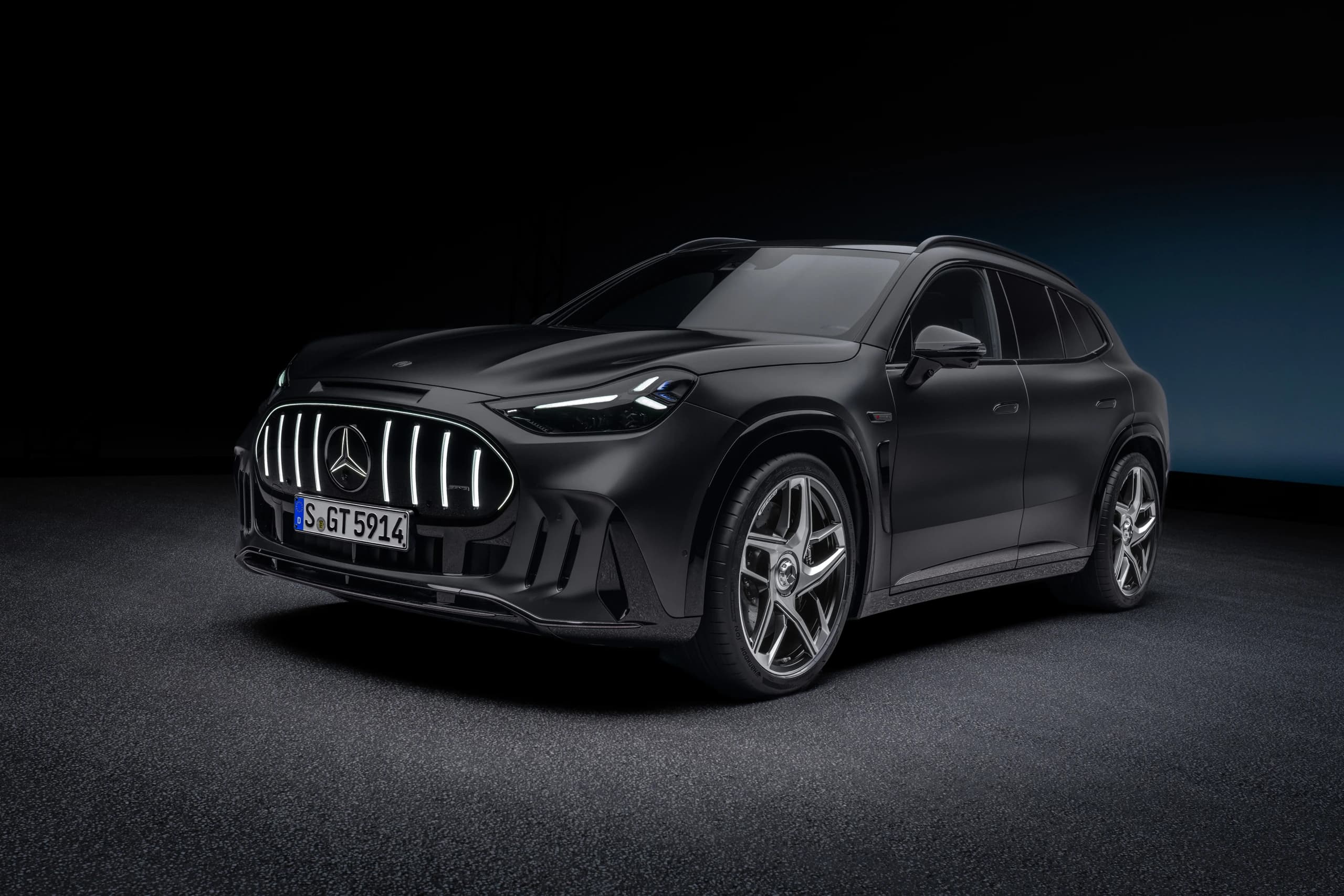
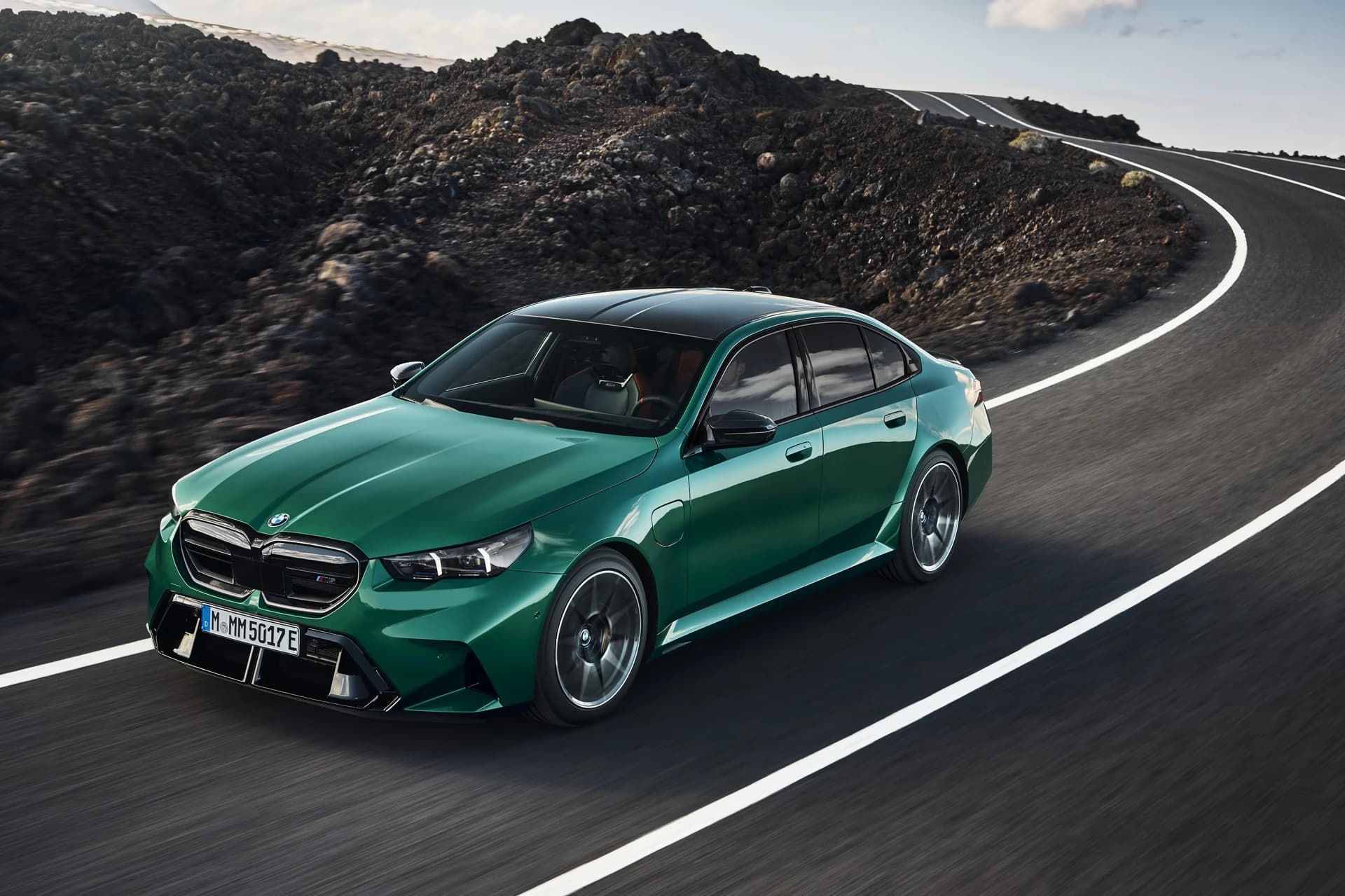
BYD was sixth with 4,969 cars, just 232 below Renault. Mercedes-Benz registered 4,426, Ford 4,363, Hyundai 4,192 and BMW 3,838. The table does not separate each brand’s electric and hybrid registrations, or rank individual models. It therefore cannot establish which Dacia model contributed most to the leader’s result or what proportion of BYD’s total was battery-electric.
Used-car figures cover first registrations in Romania
ACAROM also reported 27,216 used passenger cars registered in Romania for the first time in October, down 23.8% year on year. Across ten months, that category reached 254,323, down 14.8% from 298,598. The calculated reduction was 44,275 cars, while the cumulative volume was approximately 2.33 times the new-car total.
This series is narrower than the entire Romanian used-car trade. A change of ownership involving a car already registered in the country is not what the first-registration figure describes. The release also supplies no retail price series, discount data or order backlog. Its fall in registrations cannot, by itself, substantiate a claim that showroom offers or used-car asking prices have become cheaper.
Illustration: two Dacia Duster vehicles, supplied by Dacia Romania’s official media library. Editorial use follows that library’s terms; rights remain with Dacia or its respective rights holders.