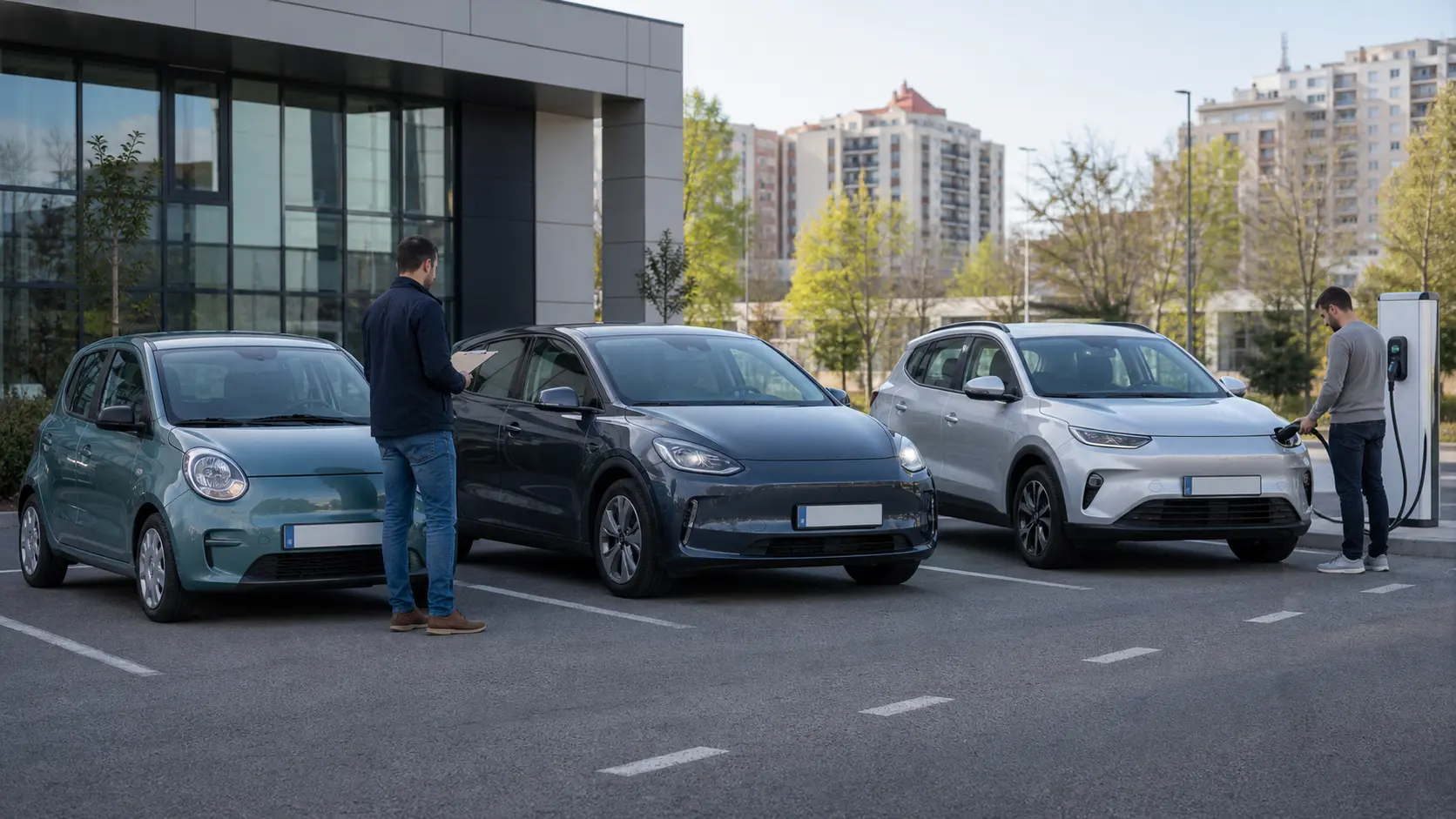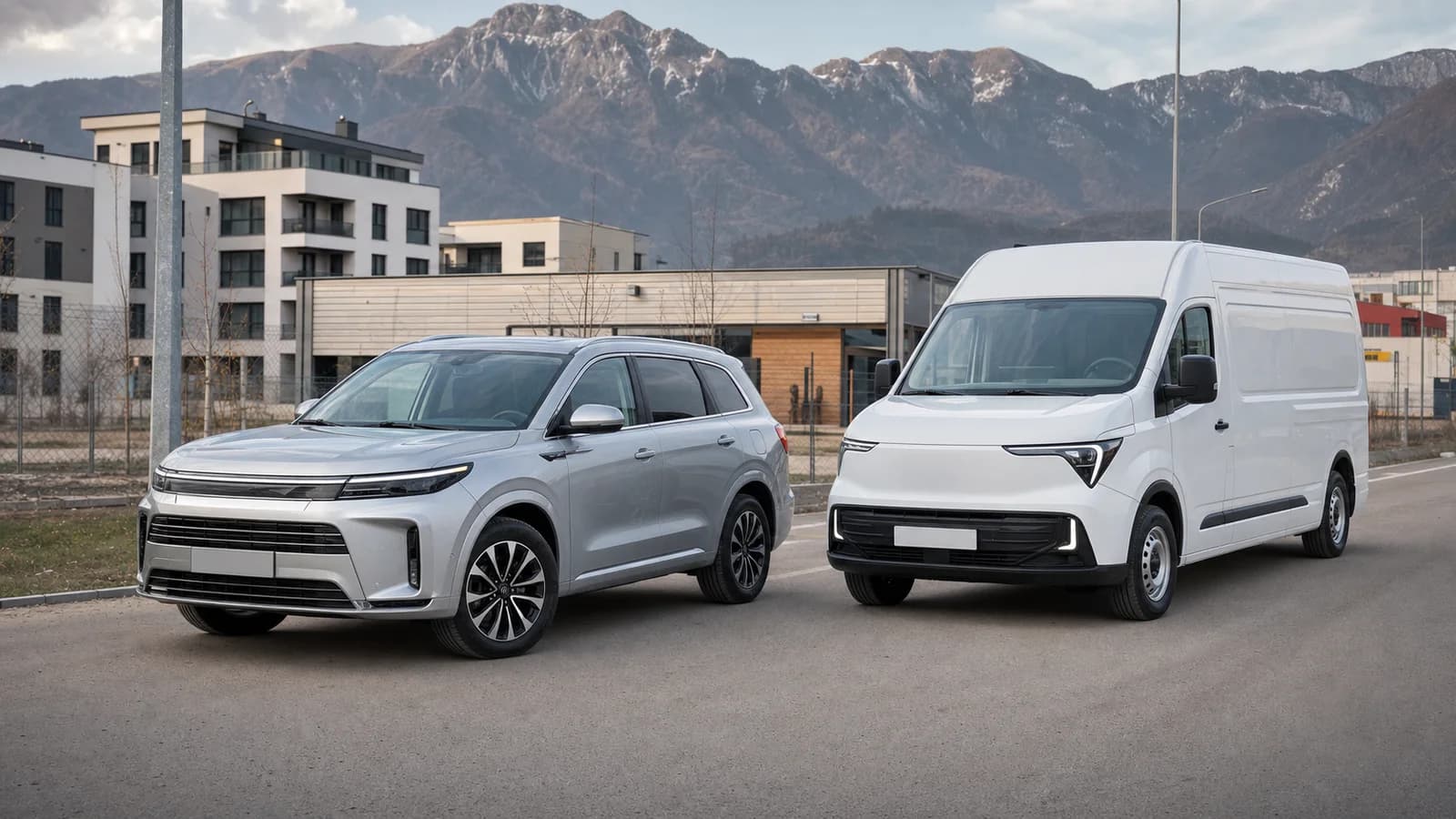
The safest Chinese-car purchases in Britain in 2026 are the models with a real UK importer, a published warranty and a dealer that can explain how parts are ordered. BYD has a UK range covering small electric cars, hatchbacks, SUVs and plug-in hybrids. MG has a longer-established retail footprint and a mix of hybrid and electric cars. The price needs reading as a UK on-the-road figure, not as a converted European price. BYD’s official UK offer lists the Dolphin Surf at £18,675 on the road before a time-limited retailer discount, while a BYD Dolphin configurator lists a Comfort at £30,230. Both figures are tied to a trim and date.
This is a buying list, not a claim that every Chinese car is automatically good value. Britain adds its own questions: left-hand-drive stock cannot be treated as a UK car, motorway speed raises EV consumption, winter rain exposes tyre and wiper quality, and a used import needs a clean V5C, type-approval trail and insurance history. A cheap finance payment is not a price. Add deposit, interest, mileage allowance, balloon payment, servicing and charging before comparing cars.
How to read the prices
The figures below use pounds where an official UK page publishes them. If the manufacturer only gives a live configurator or a monthly offer, I describe the source rather than convert a euro price. Promotional prices can depend on a participating retailer, order date, finance product or vehicle stock. Ask for a written quote showing the exact derivative, options, delivery fee, first registration fee, road tax treatment, warranty and finance total.
The UK driving pattern matters as much as the badge. A small EV can be excellent in Manchester, Bristol or London if it is charged overnight, but less convenient for a weekly run from Cornwall to the north. A PHEV is economical only when it is plugged in. On a cold motorway trip with a flat battery it behaves like a heavy petrol car. A full hybrid removes the charging problem but does not remove the need to check motorway noise, insurance and service intervals.
1. BYD Dolphin Surf
The Dolphin Surf is the most straightforward urban choice in this group. BYD’s UK conditional-sale page lists Active, Boost and Comfort on-the-road prices of £18,675, £21,975 and £23,975 before the stated retailer discounts. The same page ties the offer to orders between 1 July and 30 September 2026, so it should not be copied into a permanent price field.
It suits a household with a driveway, a predictable commute and little need for four-adult motorway travel. Before buying, test the driving position for a tall driver, the rear access and the boot with a buggy. Ask whether the supplied cable is Type 2, whether rapid charging is standard on the chosen trim and what the battery warranty says about capacity. On a used example, compare the charging history with the odometer and inspect the underside for kerb or speed-bump damage.
2. BYD Dolphin
The larger Dolphin is a compact electric hatchback rather than a city microcar. BYD’s UK configurator lists the Comfort at £30,230 and shows a 60.4 kWh battery, 265 miles of combined WLTP range and 150 kW. Those are manufacturer figures; motorway range in winter will be lower. The car makes more sense than the Surf for a family that regularly carries adults in the back or uses the A-road network.
Check the charging curve, not just the peak DC number. Ask the retailer for the expected time from 10 to 80 per cent for the exact battery and whether pre-conditioning is available in the UK software. Try lane-keeping and speed-limit recognition on narrow country roads, where overactive warnings can become tiring. For a used car, download a battery report, check the V5C keeper history and confirm that the infotainment account can be transferred.
3. BYD Atto 2
Atto 2 is the compact electric SUV for buyers who like a higher seat and an upright boot. BYD UK has a dedicated model page and warns that displayed images may be left-hand-drive and that UK specification differs. That warning is useful: never order from a European stock photograph without checking the UK equipment list, steering side, lighting pattern and connected services.
Use the test drive to examine ride quality on patched tarmac, visibility at junctions and the turning circle in a supermarket car park. Ask for the UK cash price, the battery size, the warranty limits and the cost of a replacement windscreen with cameras. A used imported Atto 2 needs more than an MOT: obtain the original invoice, conformity paperwork, a mileage trail and confirmation that the car can receive UK software updates.
4. BYD Atto 3
Atto 3 remains a sensible family EV if you want a conventional crossover rather than a low hatchback. It is large enough for everyday family luggage, but not so large that a home driveway becomes awkward. The relevant comparison is not a headline range figure but the cost of charging on the routes you actually drive, the rear-seat space and the insurance quote.
Before signing, check whether the dealer price includes a home-charger contribution or merely advertises one through finance. Test the navigation with a route that crosses different charging networks. Look for a heat-pump specification if offered, because winter efficiency matters in northern Britain. Inspect wheel damage and tyre load ratings on a used car; heavy EVs can make cheap, mismatched tyres a false economy.
5. BYD Seal U DM-i
Seal U DM-i is the plug-in hybrid family SUV for buyers who cannot make every long trip in an EV but can charge at home. It has the space and seating position many British families want, but its economic case depends on routine charging. A company-car user should calculate the current benefit-in-kind treatment with an accountant or HMRC guidance rather than assume every PHEV is treated like a pure EV.
Ask for the official electric range and the petrol consumption with the battery depleted for the exact derivative. Drive it with the battery full and again with it low. Check the transition between electric drive and the petrol engine, the regenerative-braking feel in wet weather and the boot with a charging cable aboard. For a used PHEV, inspect the charge port, cable, battery report, service stamps and underbody corrosion.
6. BYD Seal 6 DM-i Touring
The Seal 6 DM-i Touring is worth considering when a British buyer needs estate-car practicality and a plug-in system. A long roof is useful for dogs, bicycles and luggage, and can be easier to load than a tall SUV. The decision depends on payload, tow rating, rear-seat width and whether the battery reduces the boot floor.
Measure the boot with the parcel shelf in place. Ask the retailer for the UK warranty booklet, the service schedule and the cost of a replacement charging cable. On a test drive, include a dual carriageway and a wet, uneven B-road. A car that feels quiet at 40 mph may reveal tyre roar at 70. A used import should have a V5C, a complete invoice chain and proof that any recall or software campaign has been completed.
7. BYD Seal
Seal is the low electric saloon for buyers who spend time on motorways and value quiet cruising. Its shape should be considered alongside parking ramps, rural lanes and the availability of replacement alloy wheels. A lower body can be more efficient at speed but less forgiving of a badly positioned kerb.
Ask to see the exact WLTP figure, wheel size and charging specification in the quote. Do not compare the range of a small-wheel model with the price of a large-wheel car. Test adaptive cruise in traffic, the blind-spot warning on a motorway and the boot opening with your luggage. On a used Seal, have the battery and suspension checked on a lift and verify that the VIN appears consistently on the car, V5C and invoice.
8. MG3 Hybrid+
MG3 Hybrid+ is the non-plug-in option for drivers who park on the street or cannot install a charger. It can recover energy while driving and use the electric motor in low-speed traffic, but it is still a petrol car for taxation, fuelling and long motorway use. MG’s UK configurator should be treated as the current source for trim and price; do not copy a foreign-market figure into a UK article.
Drive it in a town centre, on a 70-mph road and over a rough residential street. Listen for tyre and wind noise and see whether the driver-assistance alerts can be adjusted. Ask how often the hybrid system is serviced, which parts are covered by the warranty and whether a replacement traction battery is held in the UK. A used example needs its service invoices, two keys, a mileage check and an insurance quotation before it looks cheap.
9. MG ZS Hybrid+
ZS Hybrid+ is the more useful MG for a small family that wants an elevated seating position without charging. It is easy to understand at a petrol station and may suit households that make irregular long trips. The trade-off is that fuel economy seen in urban traffic will not necessarily continue on a fast motorway, particularly with a full boot and winter tyres.
Ask for the exact UK trim, not simply “ZS Hybrid+”. Check whether the advertised price assumes a finance contribution or a part exchange. Test rear visibility, the boot lip, child-seat access and the operation of the lane-assistance system. Examine the warranty transfer rules and the dealer’s parts lead time. A seven-year warranty only helps if the service record, annual intervals and mileage limits are respected.
10. MG HS Hybrid+
HS Hybrid+ is the larger family SUV for buyers who do not want a plug-in cable. It should be compared on whole-life cost with the BYD Seal U DM-i and established full hybrids, not with a small hatchback simply because the monthly payment looks similar. Confirm payload, towing limits and the tyre size before choosing an expensive trim.
Use a child seat, load the boot, drive over potholes and join a motorway. Check body control, wind noise and brake feel. Ask for the cost of the first three services, the breakdown cover, the warranty exclusions and the availability of body panels. If you buy used, inspect the hybrid battery, cooling system, cameras and radar after any front-end repair. Imported or repaired cars need an independent inspection before finance is signed.
Charging, fuel and British weather
Home charging is the biggest practical advantage for a UK EV owner with a driveway. Before ordering, check the fuse board, cable route, parking rights and whether a wallbox quote includes installation, survey and future maintenance. At a public charger, pricing can vary by operator, membership and peak period. Keep more than one network app and carry a Type 2 cable if the car requires it.
Motorway range should be planned at 70 mph, not at the WLTP test average. Rain, cold air, standing water and a roof box all reduce efficiency. Heat the cabin while the car is still plugged in where possible. For a PHEV, charge after every suitable trip and retain a petrol plan for long journeys. For hybrids, use the correct fuel grade and follow the service schedule even if the engine seems to run rarely.
UK paperwork and warranty checks
For a new car, ask for the full UK specification, VIN, delivery date, on-the-road price and warranty booklet. Confirm who supplies the warranty: the manufacturer, an importer or the retailer. Ask whether roadside assistance, corrosion protection, the traction battery and connected services have separate terms. Record the mileage and inspect paint, glass, wheels, charging equipment and warning lights at handover.
For a used car, check the V5C, MOT history, outstanding finance, insurance write-off history, number of keepers, import status and service invoices. An MOT is a legal inspection, not a battery-health report or a guarantee that driver assistance is calibrated. Check the VIN on the car and on every document. If the seller refuses an independent inspection, walk away.
A practical buying shortlist
Choose Dolphin Surf for a low-mileage urban commute with home charging. Choose Dolphin or Atto 3 for a broader family EV role. Choose Seal for quiet motorway work. Choose Seal U DM-i or Seal 6 Touring only if you will charge regularly. Choose MG3 or ZS Hybrid+ where a cable is impractical. Choose HS Hybrid+ when space and a higher driving position matter more than electric-only running.
The most useful next step is two written quotes for the same trim, followed by a test drive that matches your real week. Ask the dealer to demonstrate charging, driver-assistance settings and the warranty portal. A discount does not compensate for a distant workshop, uncertain parts supply or a battery with no history.