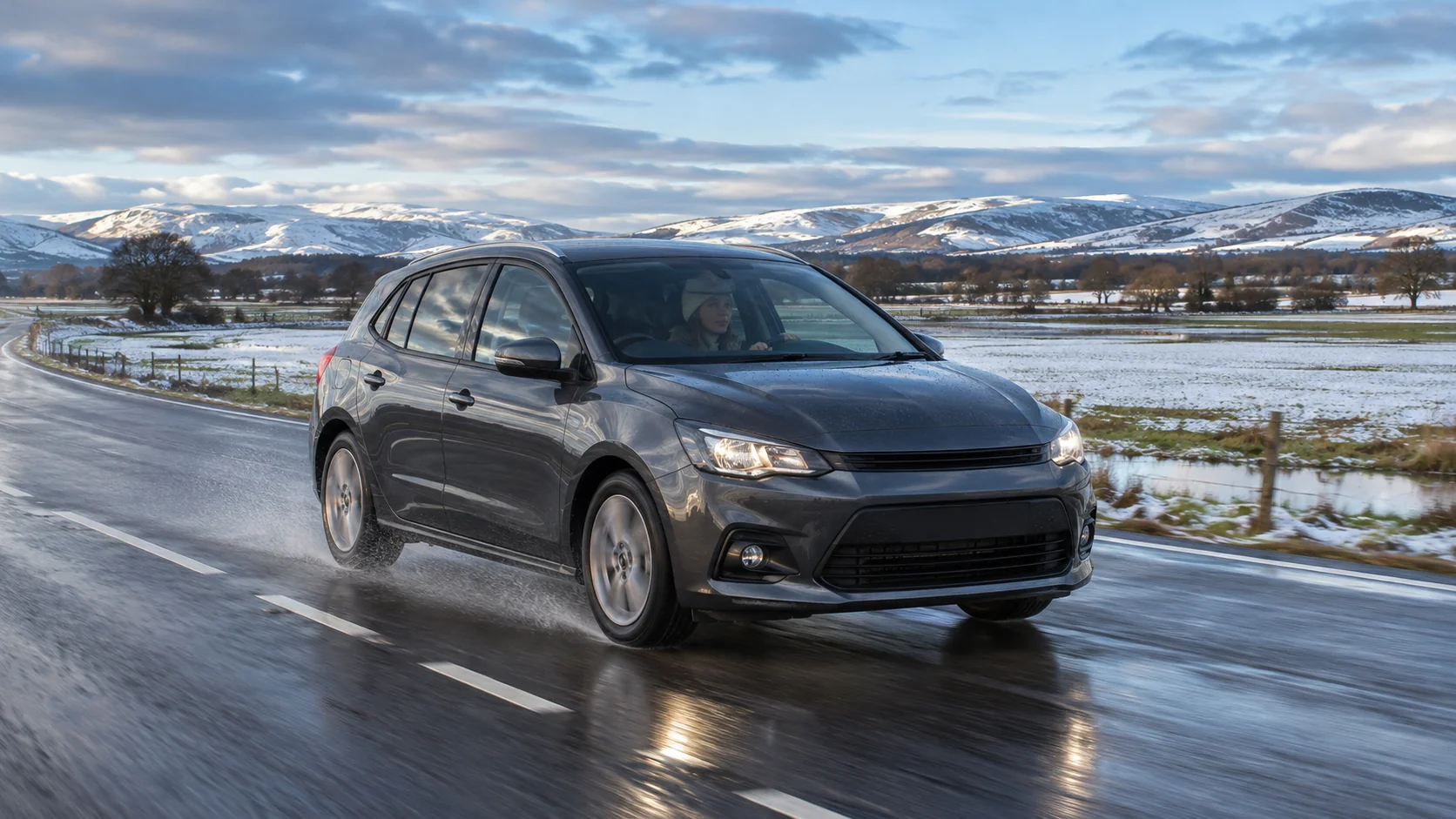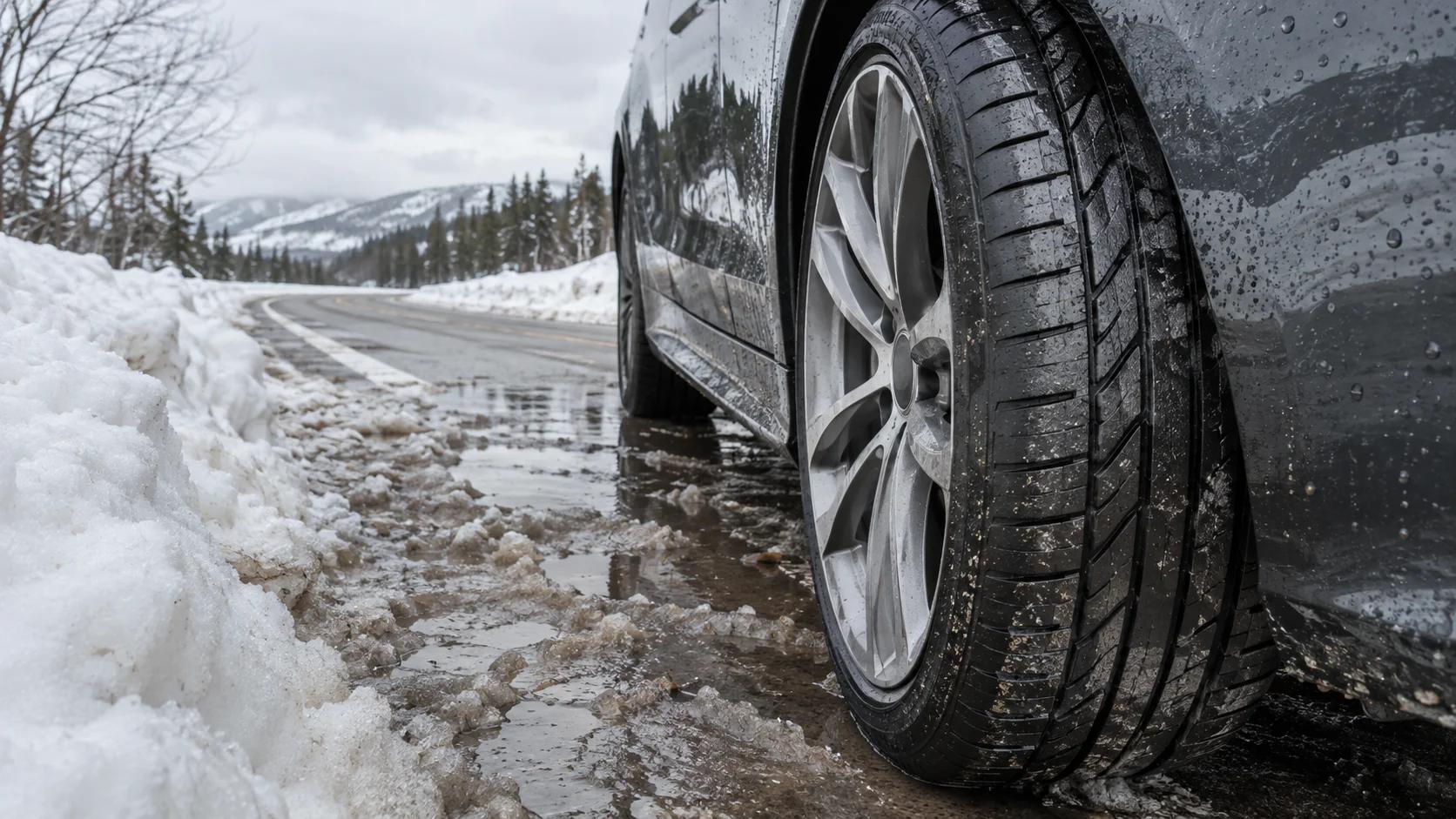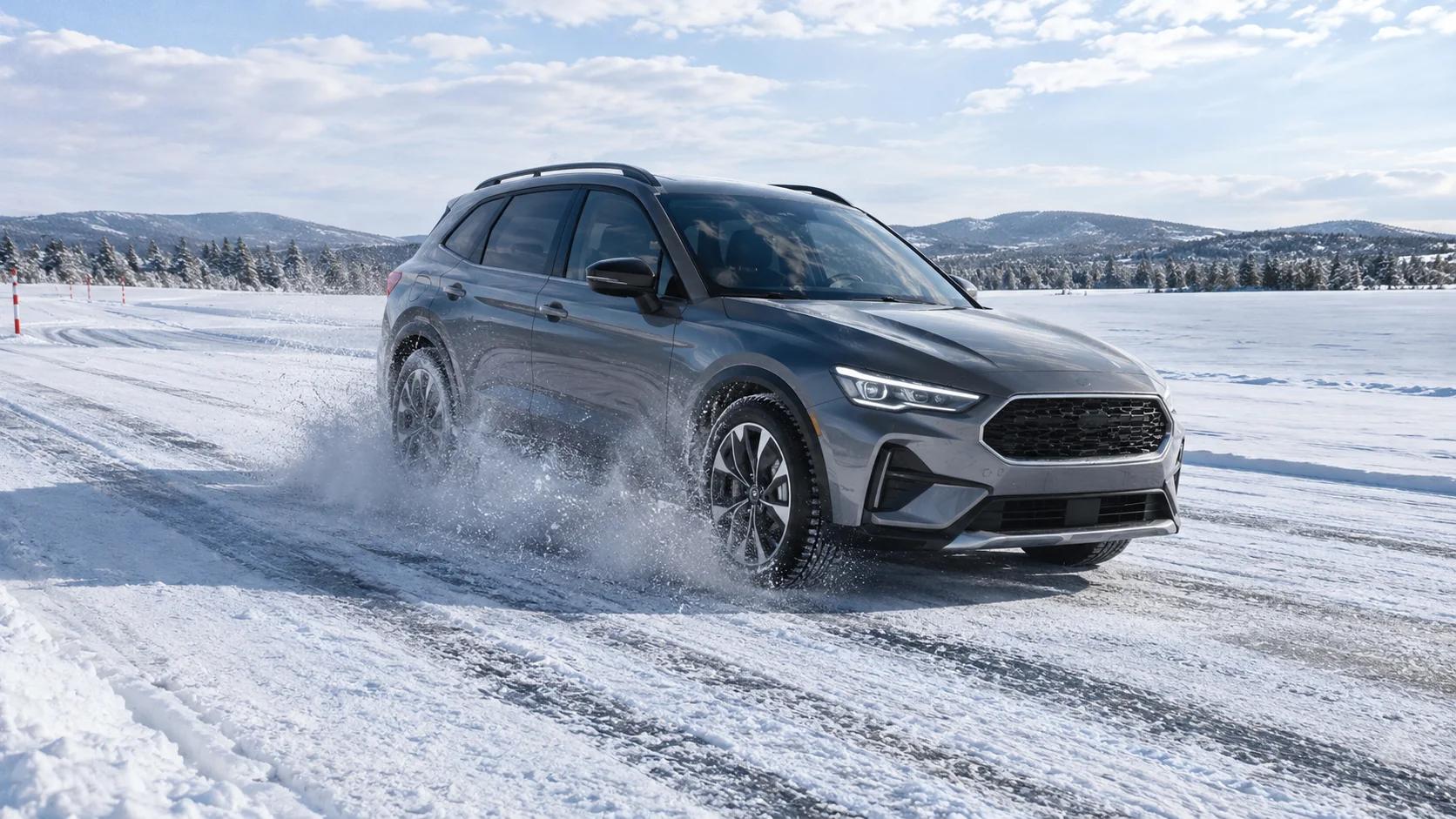
The typical city winter can be a sequence of wet mornings, dry afternoons and a few days of snow. In that pattern, a well-tested all-season tyre may be a practical match for the whole year.
Michelin identifies regions with mild winters and occasional snowfall as a suitable use case for all-season tyres. The driver still needs a tyre that can handle the occasional snowy trip, but does not have to rely on a dedicated winter set for months of cleared asphalt. Seasonal tyre changes and storage can also be avoided.
The word “city” is not a guarantee of safe conditions. Bridges and shaded side streets may freeze before main roads. Heavy snow can overwhelm road clearing, and a commute can include a steep access road. If you cannot delay travel on those days, a winter set may be the better plan.
ADAC's 2025 225/45 R17 all-season test shows why model choice matters. Four of 16 tyres scored good overall, while eight were only adequate or worse. The 2026 185/65 R15 test found five models with serious winter shortcomings despite Alpine markings. Compare tests for the exact size you need and inspect wet braking as carefully as snow performance: wet roads are likely to dominate a mild winter.
The decision is strongest when you can leave the car parked during severe weather. If your job requires travel regardless of road conditions, the convenience of one set should not decide the tyre choice.