A low dashboard reading does not prove that a used car has covered few miles. Before paying a deposit, compare the odometer with the title disclosure, maintenance and inspection records, an NMVTIS-backed history report and the wear visible on the car. One unexplained drop in the mileage sequence is enough to pause the purchase.
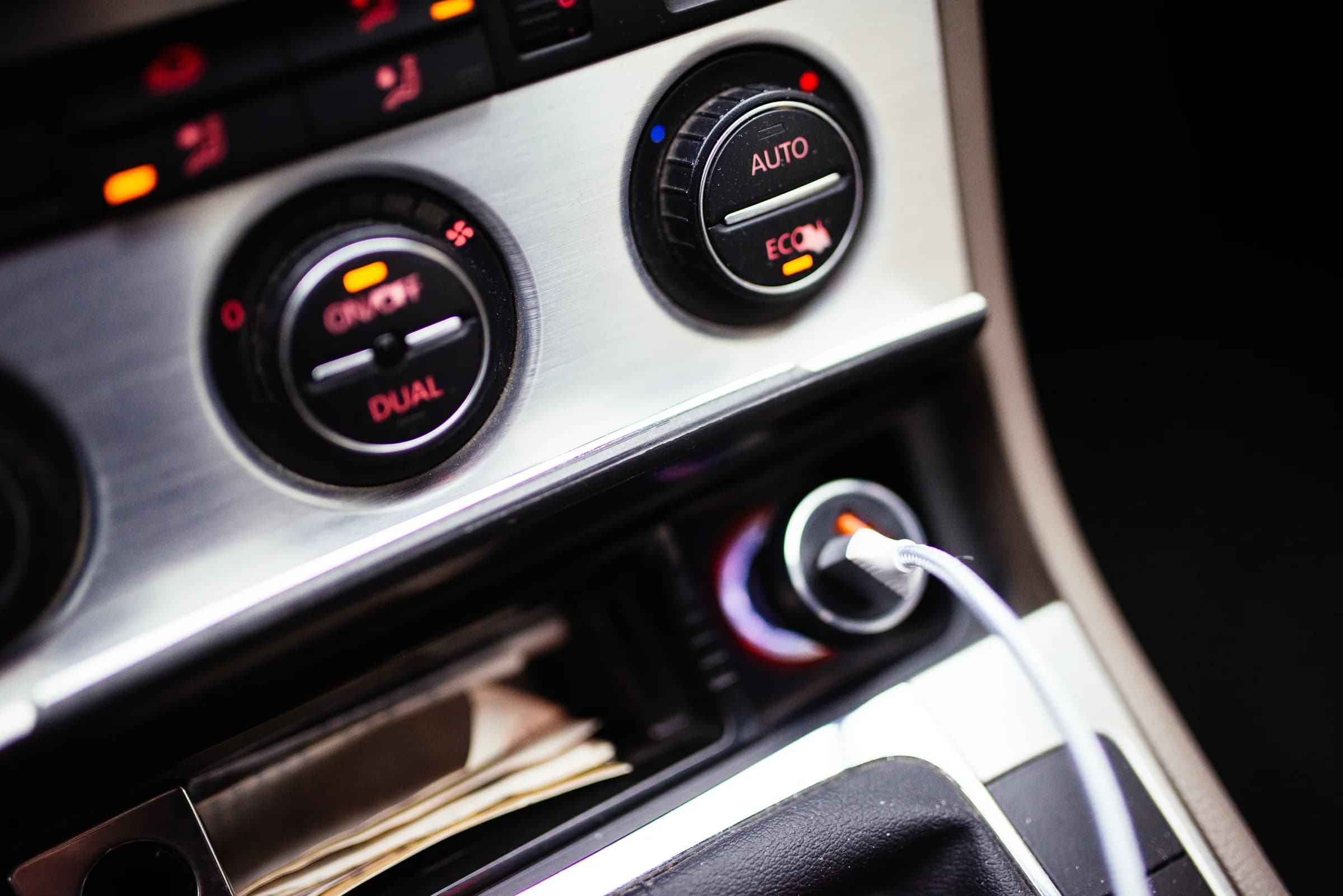
Odometer fraud means disconnecting, resetting or altering an odometer with the intent to change the displayed mileage. A digital display is not protection: NHTSA warns that tampering can be harder to spot on a digital odometer because there are no visibly misaligned mechanical digits.
Start with the title disclosure
Federal rules require the seller to give the buyer a written odometer disclosure when ownership is transferred, subject to the age rules. For model-year 2011 and newer vehicles, disclosure is required for the first 20 years. Model-year 2010 and older vehicles remain outside that extended federal requirement.
That exemption is not a certificate of correct mileage. It only changes the federal disclosure obligation. State title rules can add requirements, and an older car still needs a documented mileage trail.
Read the title rather than accepting a photo of the dashboard. The disclosure should either state the mileage or indicate that the reading is not the actual mileage when the seller knows it is inaccurate. Check that the VIN on the title matches the VIN on the car; our VIN guide shows where that identifier appears and what it can and cannot prove.
Do not accept an altered, obscured or incomplete mileage entry. If the seller says the instrument cluster was replaced, ask for the dated repair invoice, the mileage recorded before replacement and any label or record required by the repair procedure.
Build a mileage timeline, not a single snapshot
List every dated reading you can verify:
- title issue and transfer records;
- state inspection or emissions records where available;
- dealer and independent-shop invoices;
- oil-change stickers and tire-service records;
- warranty and recall repair orders;
- fleet, lease or auction documents supplied with the car.
The numbers should move forward at a plausible rate. A car recorded at 84,000 miles during a service in 2024 cannot honestly show 61,000 miles in 2026 without a documented odometer replacement and a disclosure that explains the difference.
Long gaps require questions but do not prove fraud by themselves. A vehicle may have been stored, serviced by its owner or registered in a state with fewer recorded inspections. The decision changes when a gap is combined with a later lower reading, inconsistent paperwork or a seller who will not provide the VIN.
What an NMVTIS report adds
The National Motor Vehicle Title Information System can show the current title jurisdiction, title brands, the latest odometer information reported through participating state records, insurance total-loss information and transfers to salvage or recycling businesses. Use a consumer provider linked from the official NMVTIS site rather than assuming that any report advertised online is an NMVTIS report.
NMVTIS is a floor, not a complete biography. The Justice Department notes that it does not contain every item held in a state's title file and does not provide a full repair history. Reporting intervals also vary. Compare the NMVTIS result with the actual state title record and the paper trail supplied by the seller.
A history report that shows no discrepancy does not prove that every mile was reported. It means no contradiction appears in the data that reached that report.
Check whether the car's wear supports the claim
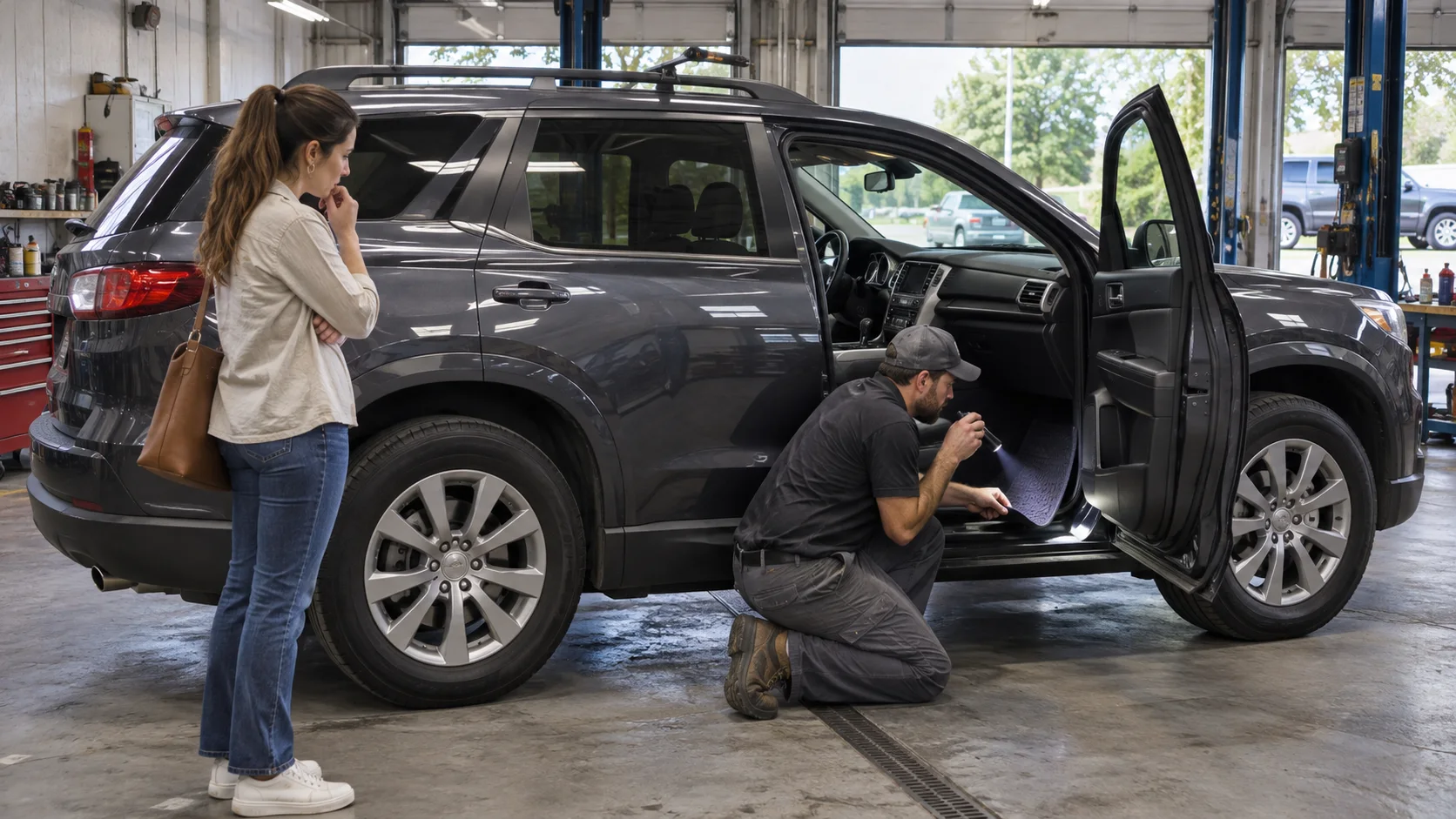
NHTSA advises buyers to compare the displayed mileage with maintenance records, tire age and wear on the pedals and interior. Use physical condition as a consistency check, not as a homemade mileage calculator.
Look closely at:
- the brake, accelerator and clutch pedal surfaces;
- the driver's seat bolster, steering wheel and frequently used switches;
- door hinges, cargo-area trim and key wear;
- tire dates and replacement invoices;
- stone chips, headlamp haze and underbody wear.
A heavily worn seat does not prove a rollback, and a reconditioned steering wheel can make a high-mileage car look newer. The useful evidence is the mismatch: unusually fresh visible surfaces combined with old hidden wear, or severe cabin wear paired with an unsupported very low reading.
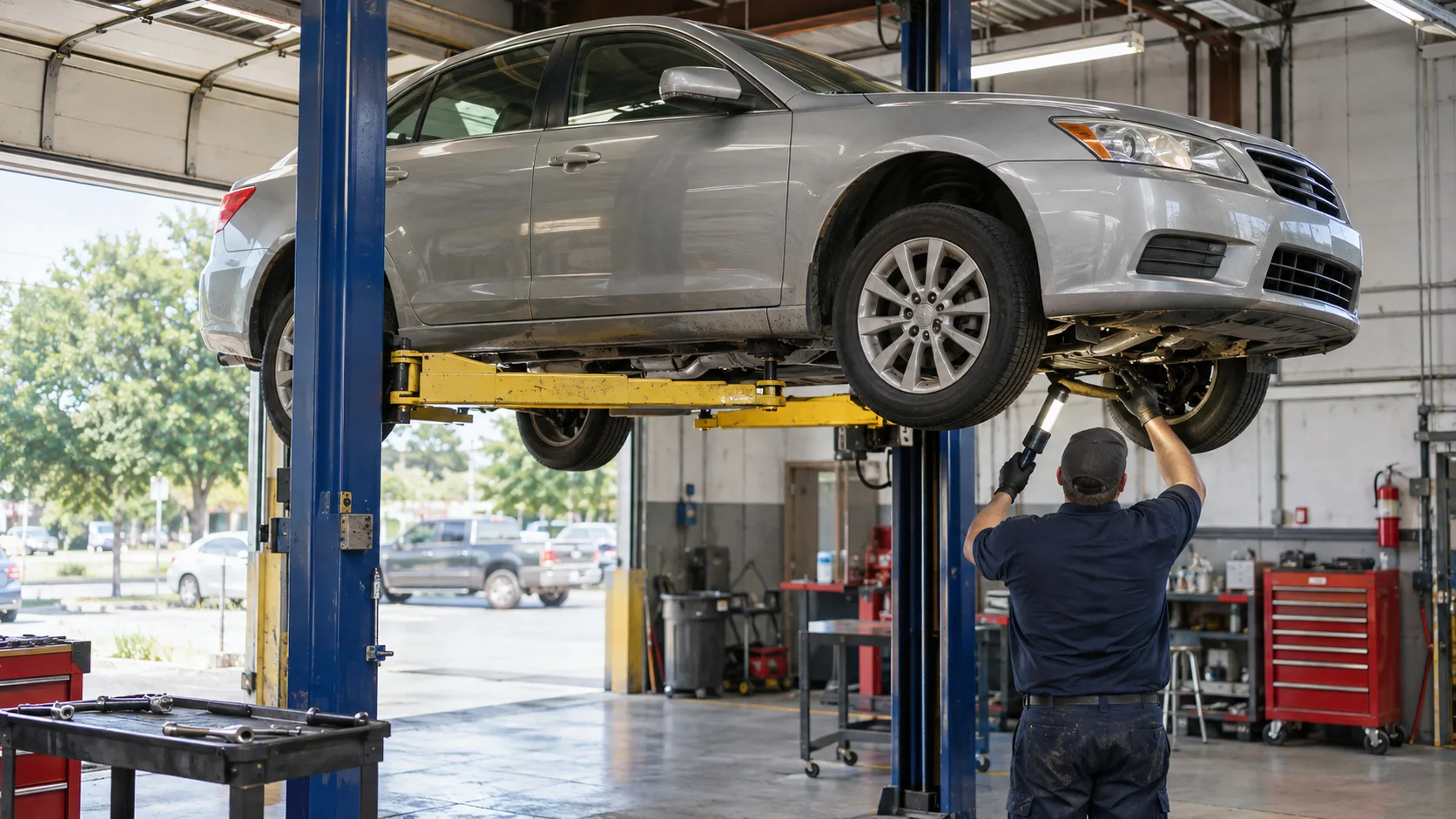
An independent pre-purchase inspection remains necessary. A mechanic can check control-module data when the model stores mileage or operating hours in more than one place, but not every module records the same information and a scan is not an infallible fraud test.
What to do when the numbers conflict
Do not let a seller explain a lower reading verbally and then write a clean mileage figure on the title. Ask for the correction or the proper non-actual-mileage disclosure before the transaction. Keep copies of the advertisement, messages, report, title and service documents.
NHTSA directs individual victims to the relevant state enforcement agency; large-scale schemes can be reported to its Office of Odometer Fraud Investigation. The FTC also accepts reports about dishonest dealers, while state attorneys general and motor-vehicle agencies handle state-law issues.
If a title brand, total-loss entry or salvage record appears alongside the mileage problem, use the separate salvage-title buying checklist. Mileage consistency does not resolve structural, insurance or registration risk.
The purchase rule is straightforward: no deposit until the title, NMVTIS data, dated records and physical condition form one coherent sequence. An unexplained rollback, an unavailable title or a seller who blocks an independent inspection is a reason to walk away, not a reason to negotiate a slightly lower price.