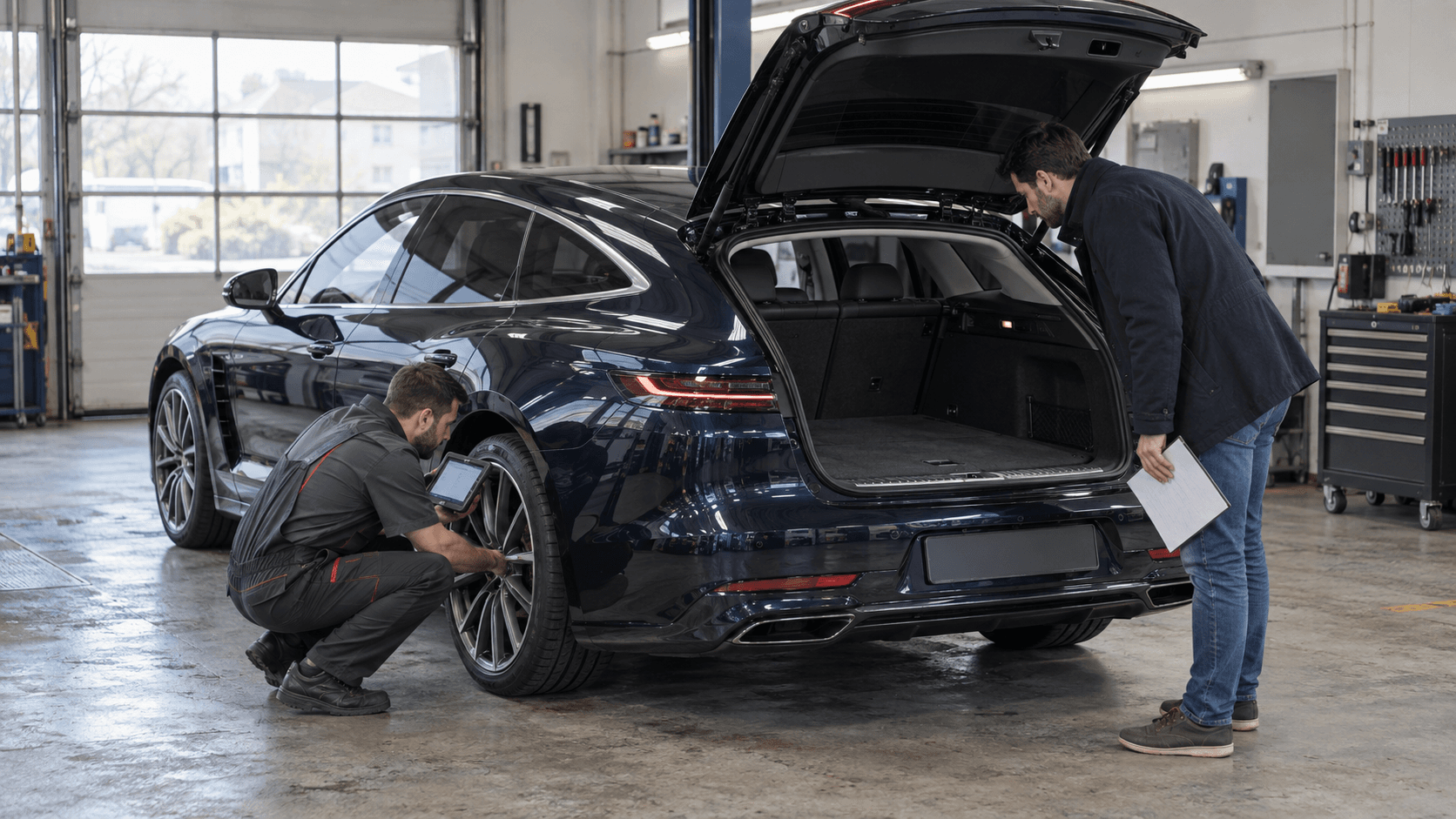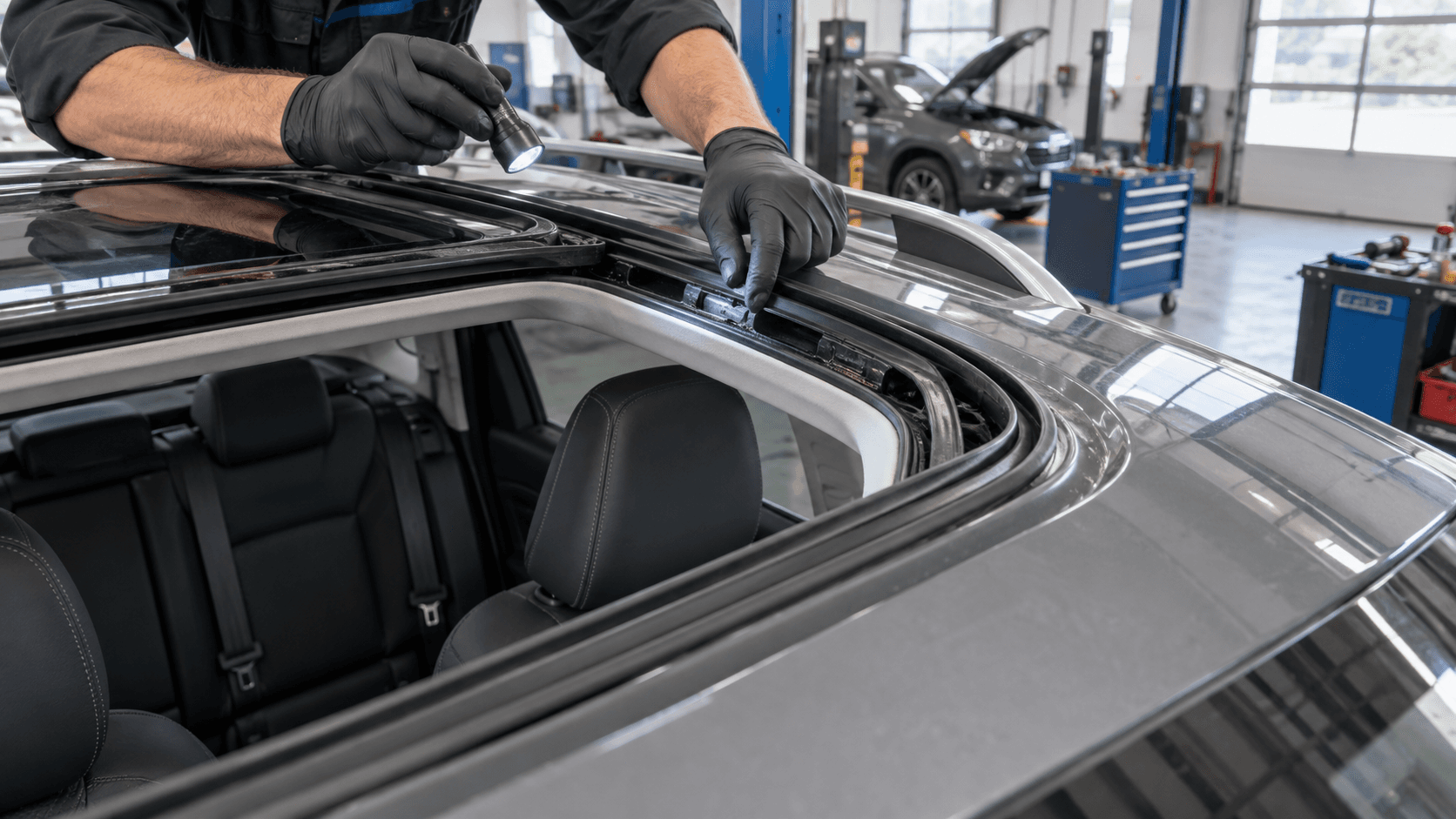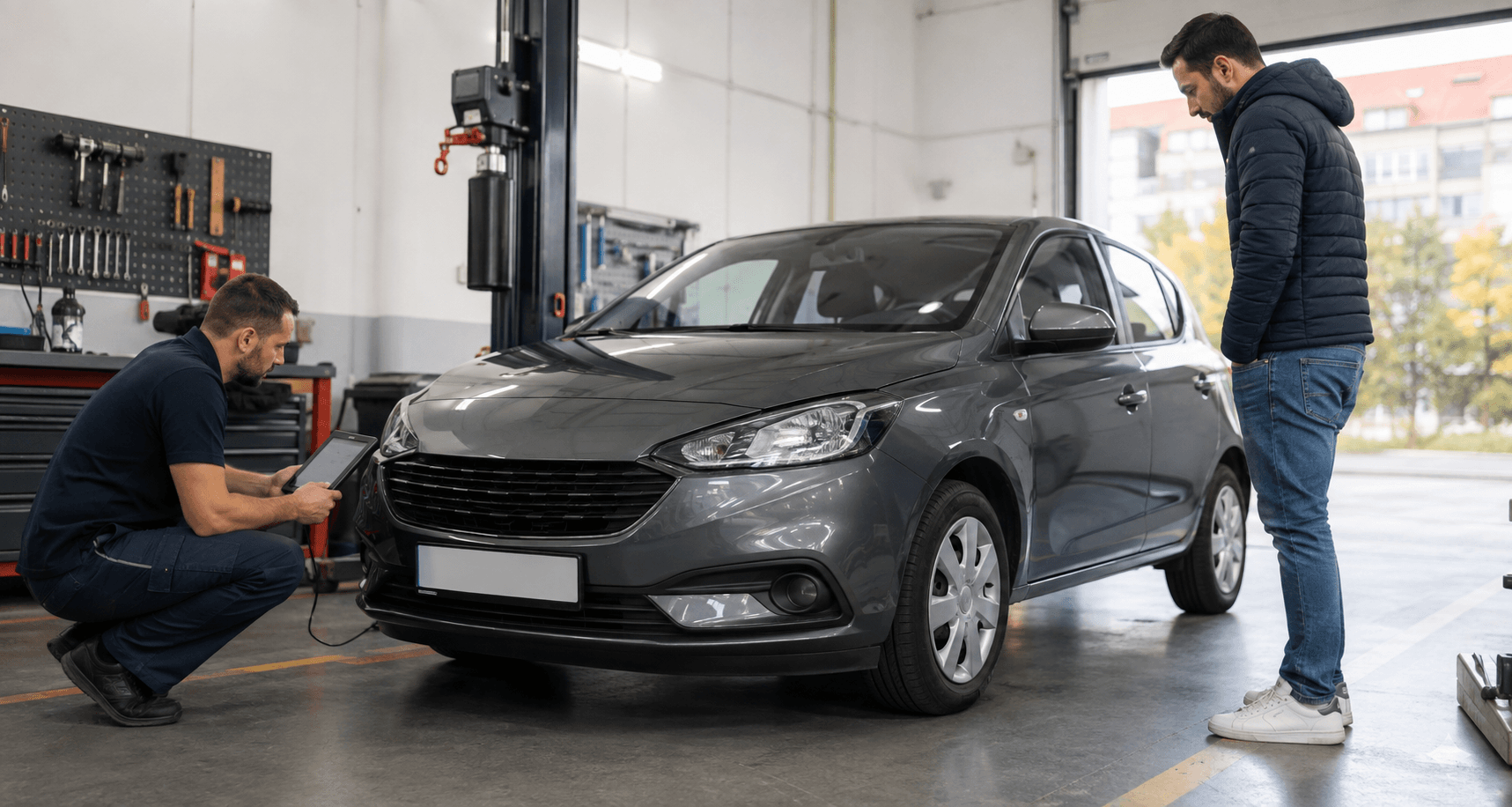
Illustrative image; the car does not represent a specific example or brand.
Used Opel Corsa in 2026: what to check on PureTech, diesel, electric, automatic and city wear
The short answer
A used Opel Corsa can be a sound choice in 2026 if you want a small city car, with many examples available, prices more accessible than some Japanese hybrids, and petrol, diesel or electric options. Do not buy it only because it is “small and cheap”. On the Corsa, generation, engine, gearbox, history, urban use and the difference between a private example, a fleet car and an import all matter.
Short checklist:
- identify the generation and engine from the VIN, not only from the listing;
- on 1.2 petrol, check the oil history, timing, oil consumption, idle and any faults;
- on diesel, check DPF, EGR, injectors, turbo and the routes the car has been used on;
- on Corsa Electric, ask for diagnosis of the traction battery, charging, cables, software and usable capacity;
- on automatic, test pull-aways, shifts when warm and parking manoeuvres;
- check the clutch, brakes, steering, suspension and 12 V battery, because many Corsas are used mainly in town;
- compare wear on the steering wheel, pedals, driver's seat and doors with the displayed mileage;
- check damage, airbags, headlights, sensors and assistance systems;
- do not pay a deposit without a VIN report, an independent inspection and coherent paperwork.
The practical rule: the Corsa is interesting when you choose it as a checked small car, not as “the cheapest car with a good year”. A correct example can be very logical for town and a short commute. A fleet example, an urban diesel or an electric with unclear charging must be priced with caution.
Why the Opel Corsa deserves a separate guide
The Carboratory archive has material on the 2020 Opel Corsa and on small city models, but it did not have a current guide focused on the buyer searching directly for a used Opel Corsa in 2026. Market interest justifies a separate article.
At the research on 8 September 2026, the CautiMasina page for Opel Corsa for sale showed 1,607 listings. In the same market you find older Corsas, 2015-2019 examples, the generation launched in 2019, nearly new cars, high-mileage diesels, city petrol versions and Corsa Electric.
A large supply does not mean the choice is simple. A Corsa can be a second family car, a commuting car, a former urban fleet vehicle, a former driving-school car, an import or an electric used intensively on rapid charging. Each scenario changes the checks.
Which generations you will meet in Romania
In Romania you mainly see:
- Corsa D, at low budgets, with high age and mileage that is often hard to verify;
- Corsa E, frequent as a city car, with petrol and diesel engines;
- Corsa F, launched in 2019 on the shared Stellantis platform, with 1.2 petrol, 1.5 diesel and an electric version;
- Corsa facelift, with updated design, newer multimedia systems and prices closer to a new car.
Do not compare a Corsa E at €5,000 with a Corsa F at €12,000 as if they were the same purchase. The first may need money immediately for tyres, brakes, timing, clutch or suspension. The second may look modern, but electronics, service history, warranty and possible damage still have to be checked.
1.2 petrol: the most common choice, but do not treat it lightly
For many buyers, a petrol Corsa is the natural option. It is small, easy to park, enough for town and simpler to justify than a diesel if you do short journeys. On the Corsa F generation, the 1.2 family is technically close to other Stellantis models, and the maintenance history becomes very important.
At the viewing, check:
- cold starting;
- idle after the first minutes;
- metallic noises or irregular ticking;
- oil-change history;
- the type of oil used;
- timing and the recommendations that apply to the exact engine;
- oil consumption;
- visible leaks;
- coils, spark plugs and ignition faults;
- turbo operation on turbo versions;
- operating temperature;
- service invoices, not only stamps.
A small engine used daily on 2-5 km, with frequent starts and heavy traffic, can have more wear than the mileage suggests. If the car has an incomplete history, budget a serious service immediately after purchase.
Diesel: good only if the route justifies it
A diesel Corsa can use little fuel and can make sense for extra-urban commuting. For short town trips, however, diesel adds risks that many buyers ignore when they see a low consumption figure on the dashboard.
Check:
- cold starting;
- smoke on acceleration;
- a strong exhaust smell;
- the turbo;
- injectors;
- EGR;
- DPF;
- regeneration or fault history;
- differential pressure, if the mechanic can read it;
- any illegal modifications of the emissions system.
A diesel that has done a lot of extra-urban work can be in order. A diesel bought for short deliveries, town use, cold running and frequent stops can become expensive. Do not reject it automatically, but do not buy it only because the price looks good.
Corsa Electric: the battery check changes the discussion
Corsa Electric can be interesting for town, a predictable commute and charging at home or at work. Opel Romania lists both Corsa and Corsa Electric in the current range, and the site includes information on the WLTP consumption of electric models and a warning that real range depends on speed, temperature, thermal comfort and driving style.
On the used market, it is not enough to see that the car starts and displays range. Check:
- traction-battery condition;
- charging history, if available;
- AC and DC charging operation;
- the cables supplied with the car;
- diagnostic faults;
- the 12 V battery;
- climate control and the heat pump, if fitted;
- multimedia software;
- remaining battery warranty;
- tyre wear, because electrics can wear tyres quickly if driven aggressively.
A Corsa Electric is logical if your route is predictable and you have somewhere to charge. If you depend only on crowded or expensive public stations, the financial advantage can fall a long way.
Manual or automatic: the road test must be done when warm
The Corsa is found with a manual and, on some versions, an automatic. The manual can look like the cheap choice, but in a city car the clutch can be tired. The automatic can be very convenient, but it must be tested carefully before you pay.
On a manual, watch:
- the clutch bite point;
- slipping in higher gears;
- noises when the pedal is pressed;
- vibration on pull-away;
- engagement of reverse;
- play in the linkage.
On an automatic, test:
- pull-away from rest;
- moving from D to R;
- slow parking manoeuvres;
- shifts in traffic;
- the response to light acceleration;
- any jerks after the oil and gearbox have warmed up.
Do not accept the explanation “they are all like that” without inspection. A gearbox that behaves differently cold and hot can bring costs the listing does not show.
City wear: the truth is in small details
The Corsa is often used exactly where cars wear quickly: town, kerbs, tight parking, short trips, jams, frequent turns and repeated stops. Mileage can be low, but the clutch, brakes, battery, steering and interior can tell another story.
Check carefully:
- front and rear bumpers;
- wheels;
- tyres;
- headlights;
- mirrors;
- door edges;
- the driver's seat;
- the steering wheel;
- the gear lever;
- the pedals;
- the seat belts;
- the boot;
- the tailgate;
- the carpet;
- window and climate-control buttons.
A Corsa used by a fleet, for courier work, ride-sharing or a driving school is not automatically to be avoided. But it must be paid for as an intensively used car, not as a family example with occasional trips.
Safety and equipment: check the real specification
Euro NCAP tested the Opel/Vauxhall Corsa in 2019, on the Corsa 1.2 Edition with left-hand drive. The report notes that the passenger compartment remained stable in the frontal offset test and that assistance systems include a seat-belt reminder, lane-keep assist and a limiter linked to speed-limit recognition, in the evaluated configuration.
For the buyer, the conclusion is simple: the rating and equipment are useful as a reference, but they do not replace checking the example. Control:
- the airbag/SRS warning light;
- belts and pretensioners;
- ISOFIX, if you have a child;
- camera and sensors;
- automatic emergency braking, if the car has it;
- lane assist;
- headlights;
- the windscreen, especially if it has a camera for ADAS systems;
- accident history;
- any replaced body parts.
After a cheap repair, a small car can look good in photos and still have sensors, airbags or headlights that no longer work correctly.
Paperwork, VIN and price: do not rush the deposit
Before a deposit, ask for the VIN and check:
- ITP history;
- mileage evolution;
- recorded damage;
- number of owners, when the information is available;
- the service book;
- invoices;
- the car's origin;
- the tax certificate;
- the registration document;
- the vehicle identity document;
- the existence of two keys.
For cars used in Romania, the RAR Auto-Pass report can help verify the chronology of kilometres, damage and ITP history, depending on the available data. For imports, complete the check with foreign documents, invoices, an international report and a mechanical inspection.
Do not pay for a “reservation” if the seller refuses the VIN, does not accept an independent check or rushes the deal with artificial pressure.
When it is worth it and when it is not
A used Opel Corsa is worth it if:
- you want a small car for town;
- you have found an example with a clear history;
- the engine matches your route;
- the price leaves room for the first service;
- the car passes an independent inspection;
- the real equipment is confirmed.
Be cautious if:
- the mileage does not match the wear;
- the car has been used intensively in town;
- the diesel has a short urban route;
- the electric has no clear charging history and warranty;
- the seller avoids diagnosis;
- the paperwork is not coherent;
- the price is well below the market without explanation.
For a realistic buyer, the Corsa can be a good choice. For someone who buys only the year, the price and the displayed consumption, it can become a false economy.