The most useful tyre question is not “Which category is best?” It is “What road must this car drive on when the weather is at its worst?”
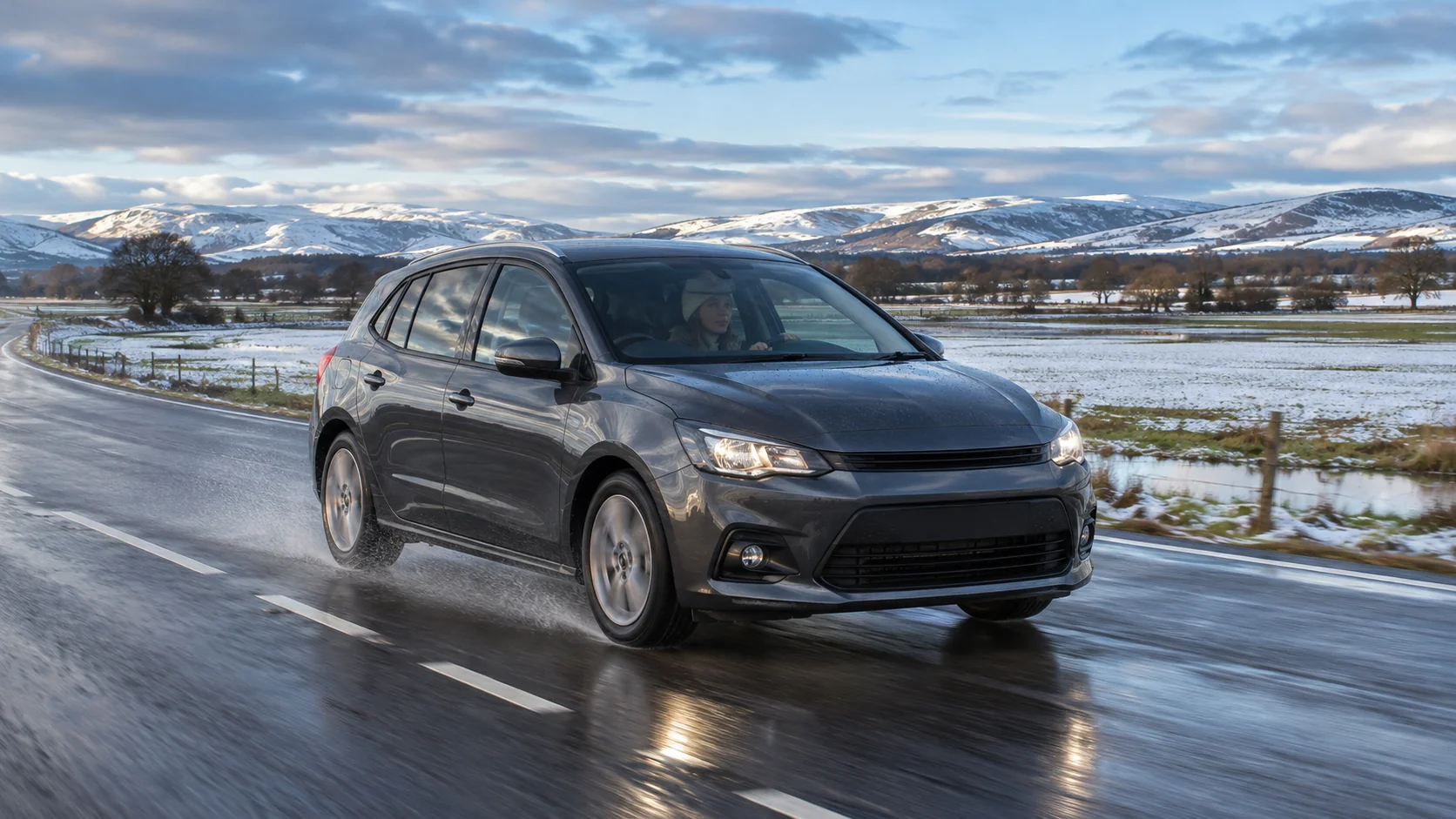
Start with exposure. Frequent snow, ice, untreated hills or mountain journeys point toward dedicated winter tyres for the cold season. Michelin makes the same distinction between severe mountain winters and milder regions with occasional snow. If the car mostly uses cleared urban roads and you can stay home during a storm, a well-tested all-season tyre becomes a reasonable candidate.
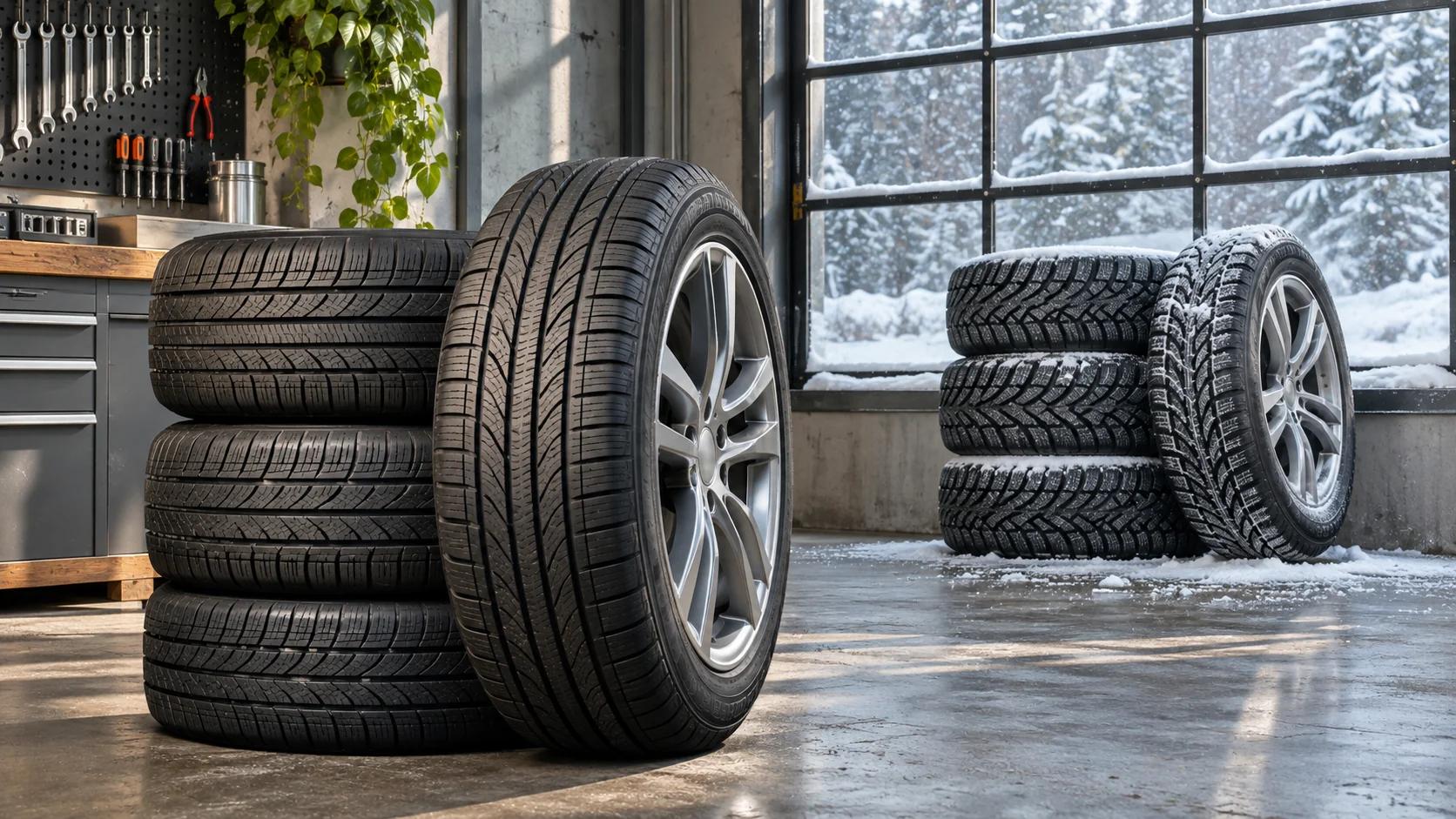
Next, consider the warm months. A winter tyre left fitted year-round is a poor way to avoid seasonal changeovers. If you want one set for all months, compare strong all-season models across dry, wet and snowy tests. ADAC's 2025 225/45 R17 comparison found four good tyres among 16, while eight were only adequate or worse. Do not assume one model's result transfers to another size.
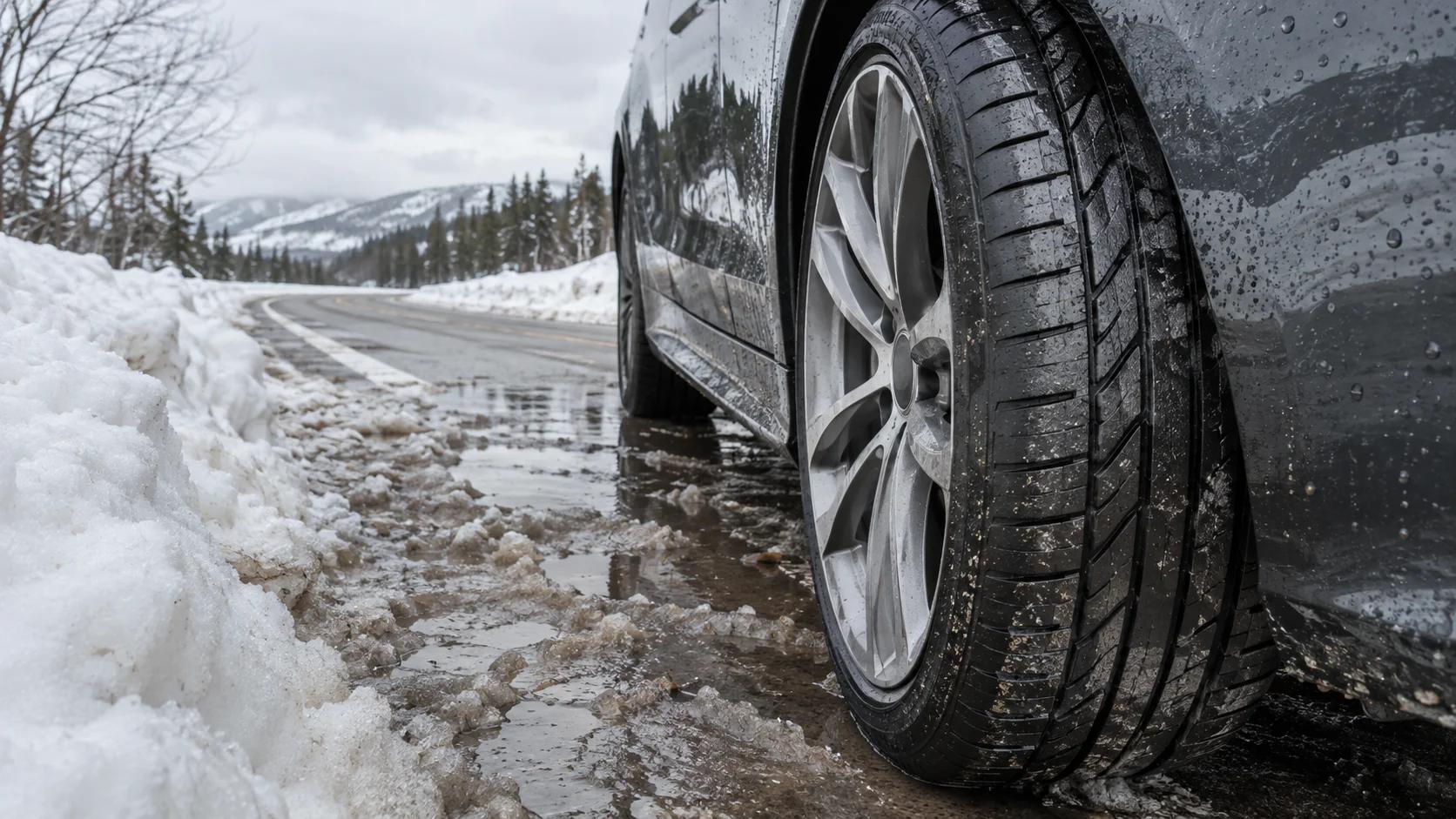
Check the sidewall and the car. The tyre must match the approved size, load rating and intended use. The Alpine 3PMSF mark confirms a minimum snow-grip test; it does not distinguish the best model. If driving abroad, verify local winter-equipment rules and any route-specific chain signs.
Finally, calculate the actual ownership cost: two sets and seasonal fitting versus one all-season set used for all annual kilometres. Keep safety and journey reliability in the comparison. If the car must leave in heavy snow regardless of the forecast, select for that trip rather than for the average winter day.
Sources: Michelin; ADAC 2025; European Commission.