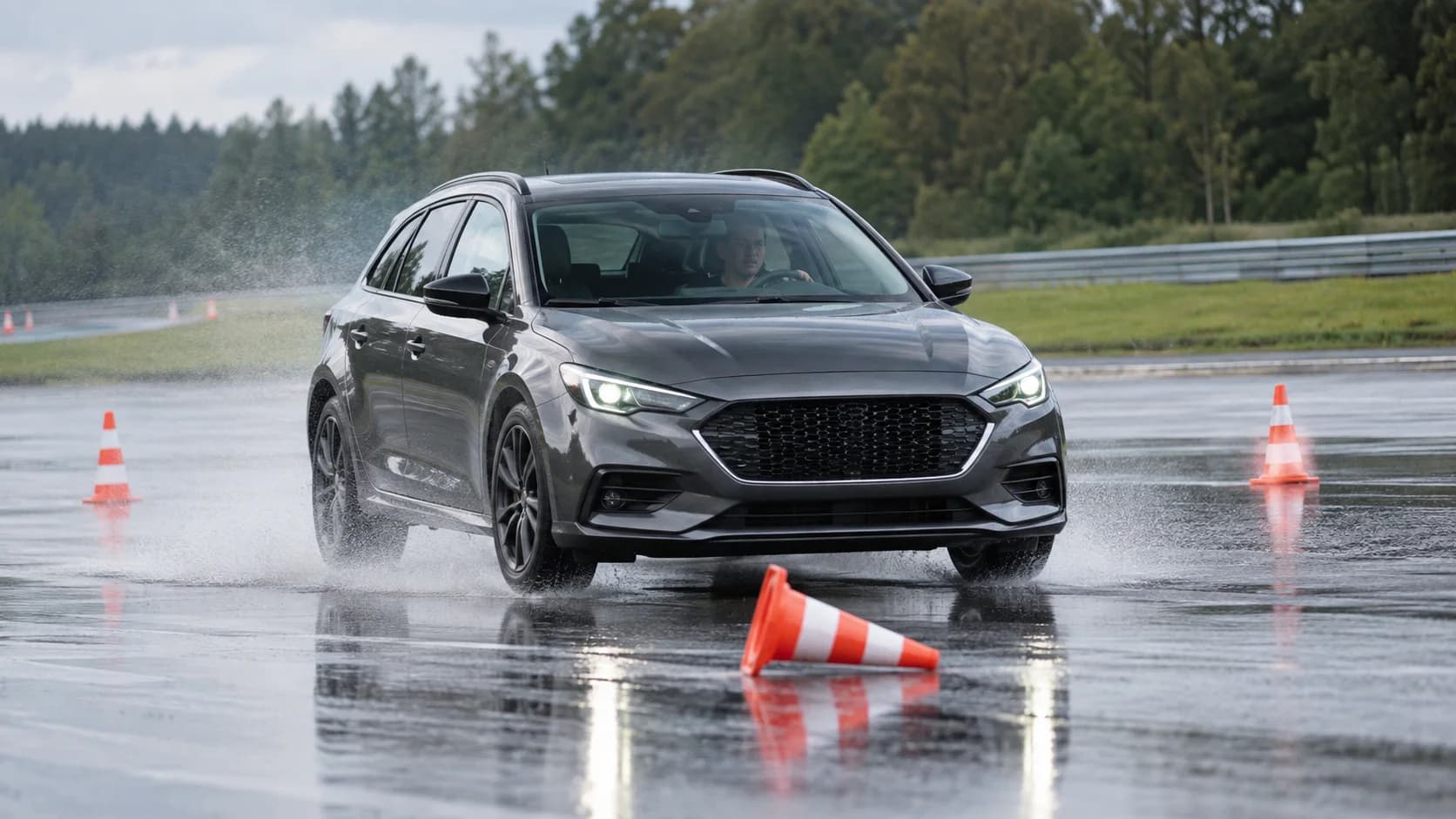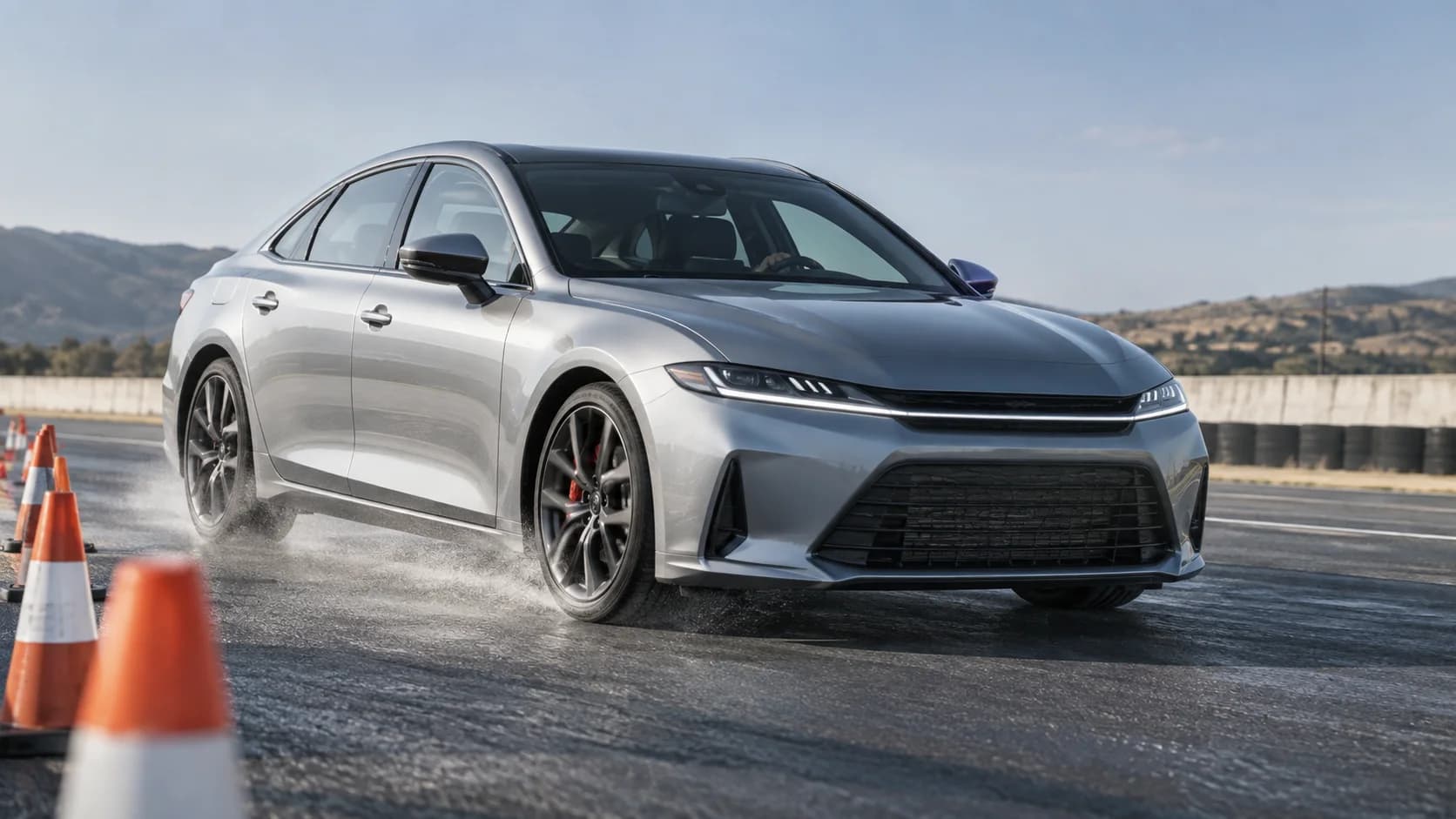
Brake blending in hybrid and electric vehicles combines regenerative braking with conventional friction braking. This system aims to optimise energy recovery and maintain consistent braking performance across diverse driving conditions.
Regenerative braking and its role
Regenerative braking converts kinetic energy, typically lost as heat during conventional braking, into electrical energy to recharge the high-voltage battery. This process is fundamental to the efficiency claims of hybrid and electric vehicles. When the driver lifts off the accelerator or applies the brake pedal lightly, the electric motor acts as a generator, slowing the vehicle and feeding electricity back into the battery. The intensity of regeneration can vary based on factors such as battery state of charge, vehicle speed, and driver input.
The primary benefit of regenerative braking is improved energy efficiency, which can extend the electric driving range in battery electric vehicles (BEVs) and reduce fuel consumption in hybrid electric vehicles (HEVs). It also reduces wear on friction brake components, potentially extending their service life. However, regenerative braking alone may not always provide sufficient deceleration, particularly during emergency stops or when the battery is fully charged and cannot accept further energy.
The mechanics of brake blending
Brake blending systems manage the transition between regenerative and friction braking to provide a seamless deceleration experience. When the driver presses the brake pedal, the vehicle's electronic control unit (ECU) determines the optimal blend of braking forces. This decision considers the requested deceleration, vehicle speed, battery status, and traction conditions.
At lower deceleration demands, the system prioritises regenerative braking. As the demand for deceleration increases, or if regenerative capacity is limited, the friction brakes are progressively engaged. This engagement is often imperceptible to the driver, as the system aims to maintain a consistent pedal feel regardless of the braking source. The ECU continuously monitors various sensors, including wheel speed, brake pedal position, and battery temperature, to dynamically adjust the blend.
Factors influencing brake blending decisions
Several factors influence how a brake blending system operates in practice. The battery's state of charge (SoC) is critical; a fully charged battery cannot accept further regenerative energy, forcing the system to rely more heavily on friction brakes. Conversely, a low SoC allows for maximum regeneration.
Vehicle speed also plays a role. Regenerative braking is generally more effective at higher speeds, where there is more kinetic energy to recover. At very low speeds, or when coming to a complete stop, friction brakes are typically required.
Driver input, specifically the force applied to the brake pedal, is another key determinant. A gentle application will favour regeneration, while a forceful application, indicative of an emergency stop, will engage the friction brakes immediately and fully to ensure maximum stopping power.
Environmental conditions, such as road surface grip and ambient temperature, also influence the blending strategy. On slippery surfaces, the system may reduce regenerative braking to prevent wheel lock-up and maintain stability, relying more on the anti-lock braking system (ABS) and electronic stability control (ESC) through the friction brakes.
Regulatory frameworks and safety considerations
Brake blending systems must comply with established automotive safety regulations. The EU General Safety Regulation (Regulation (EU) 2019/2144) mandates advanced safety features, including requirements for braking systems. UNECE Regulation No. 171 on driver-control assistance systems further specifies performance criteria for braking functions, ensuring that blended systems provide reliable and consistent deceleration.
Euro NCAP Safety Assist protocols evaluate the performance of these systems, particularly in scenarios involving automatic emergency braking (AEB). For a vehicle to achieve a high Euro NCAP rating, its braking system, including any blending functionality, must demonstrate effective and predictable performance in collision avoidance and mitigation tests.
From a safety perspective, the primary limit of brake blending is ensuring that sufficient friction braking is always available, even if regenerative braking is compromised. This is crucial for emergency stopping distances. The system must be designed to seamlessly transition to full friction braking without any noticeable delay or reduction in stopping power. The European Commission's 112 eCall system, which automatically alerts emergency services after a serious accident, relies on the vehicle's ability to stop safely and predictably in critical situations.
Driver experience and verification
For drivers, a well-implemented brake blending system should provide a consistent and predictable pedal feel, similar to a conventional friction braking system. The transition between regenerative and friction braking should be smooth and largely imperceptible. Some vehicles offer adjustable regenerative braking levels, allowing drivers to choose between stronger "one-pedal driving" modes or lighter regeneration that mimics coasting.
Drivers can verify the specific capabilities and operational characteristics of their vehicle's brake blending system by consulting the owner's manual. This document typically details how the system functions, any available adjustments, and conditions under which regenerative braking might be limited. Official manufacturer documentation, often available online, can also provide in-depth technical specifications.
For example, on a hypothetical journey from Brussels to Luxembourg City, involving both urban driving and motorway sections, the brake blending system would continuously adapt. In city traffic, frequent deceleration would maximise regenerative energy recovery. On the motorway, lifting off the accelerator might initiate regeneration, while a sudden need to slow down would engage friction brakes rapidly. The system's ability to manage these transitions efficiently contributes to both energy economy and driver confidence.
Scenarios for optimal blending
Brake blending offers advantages in various driving scenarios. In urban environments with frequent stop-and-go traffic, it maximises energy recovery, contributing to a longer electric range or lower fuel consumption. During downhill driving, regenerative braking can help maintain speed without overheating friction brakes, while simultaneously recharging the battery.
However, there are scenarios where friction braking remains paramount. During emergency braking, the system must immediately deliver maximum stopping power, overriding any regenerative priority to ensure safety. On icy or wet roads, the precision of friction brakes, coupled with ABS and ESC, is critical for maintaining vehicle control.
For a buyer, understanding brake blending means recognising that it is a sophisticated system designed to optimise both efficiency and safety. The choice between a vehicle with aggressive regenerative braking and one with a more subtle blend often comes down to personal driving preference and the typical driving environment. Both approaches, when properly engineered, meet safety standards and provide effective deceleration.