Digital car keys offer convenience but introduce new security considerations compared to traditional physical keys. While they can enhance anti-theft measures through advanced encryption, they also present different vulnerabilities related to software exploits and device security.
Digital keys: convenience and access control
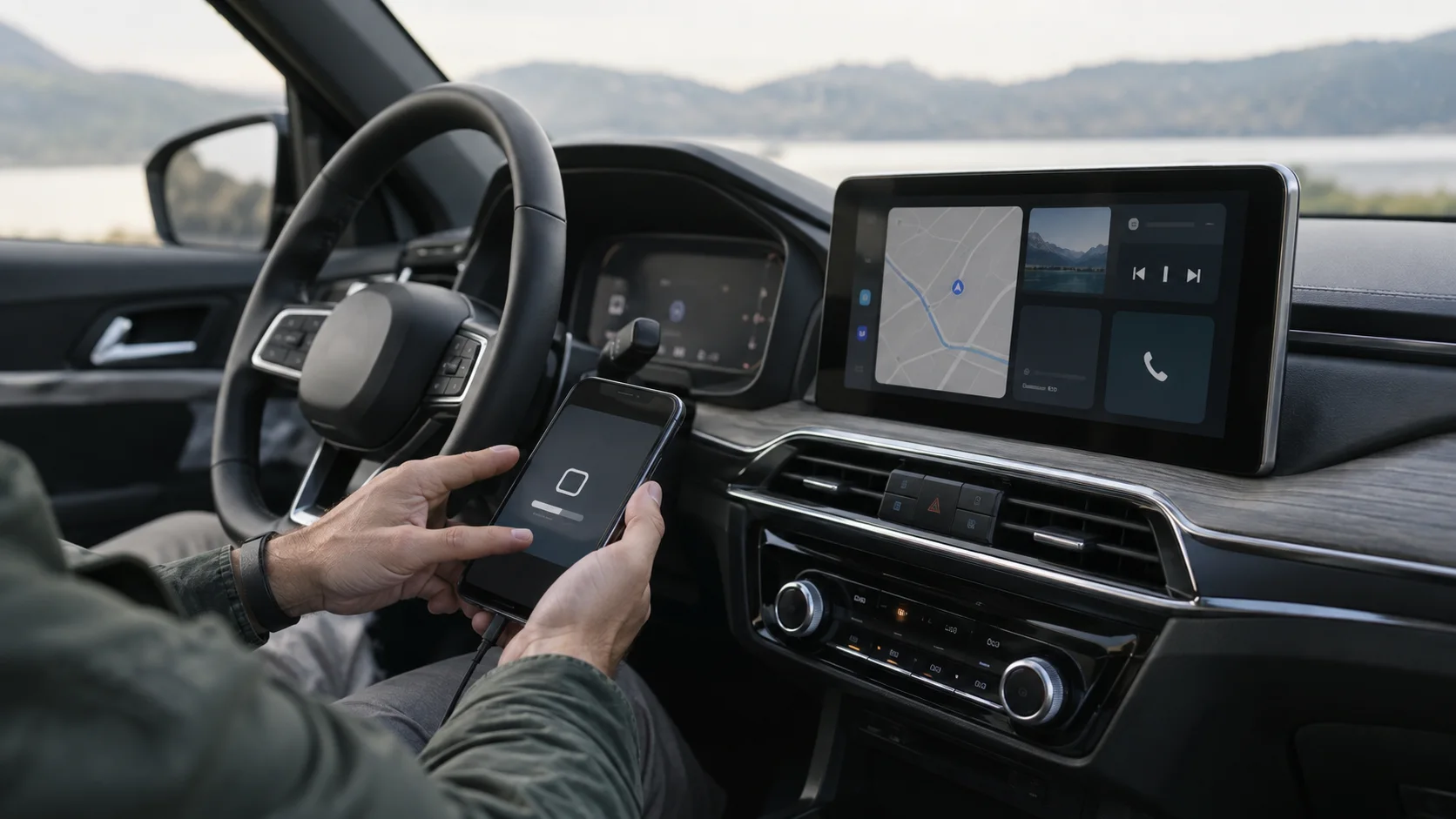
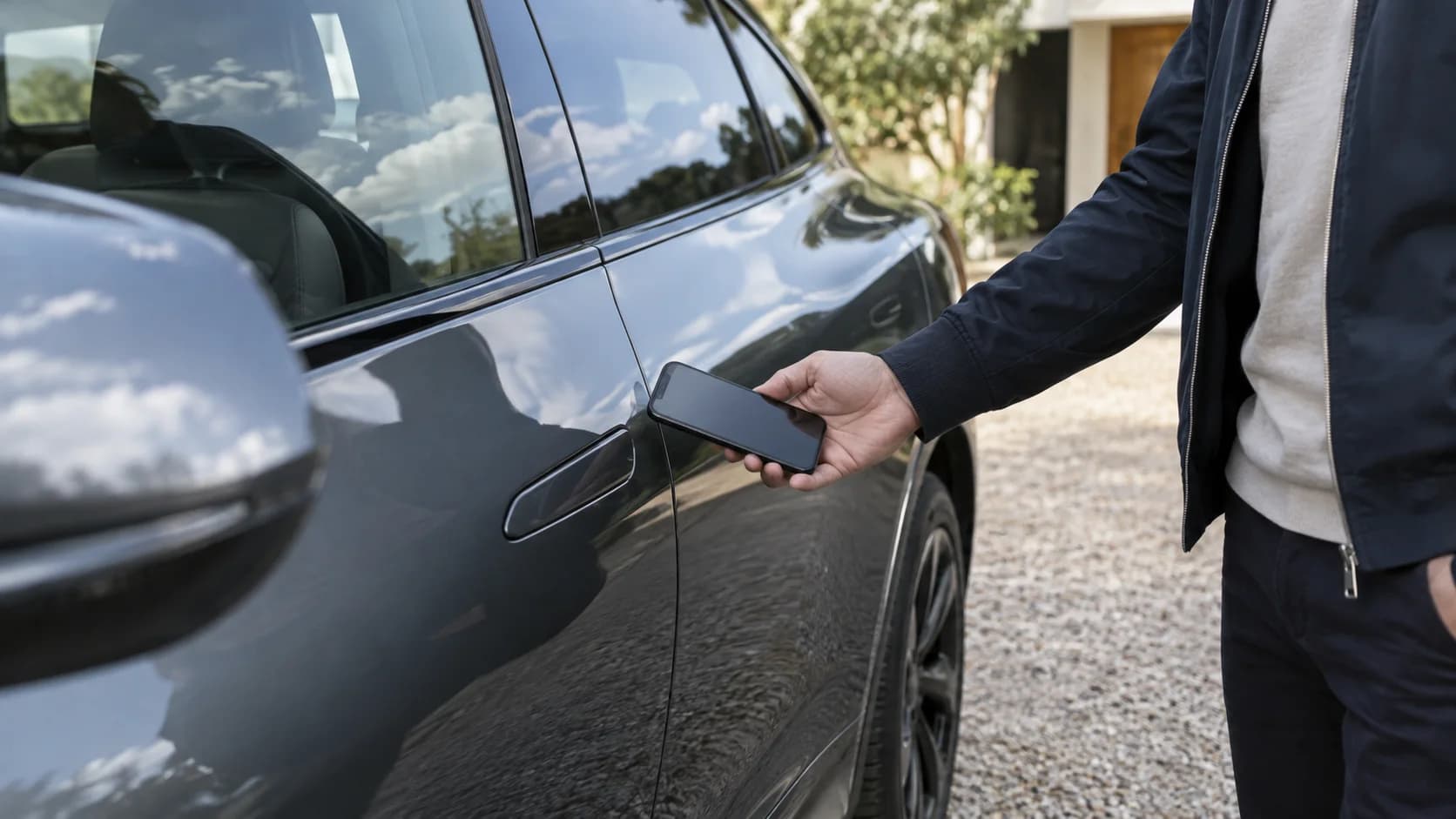
Digital car keys typically operate via a smartphone application, allowing the owner to lock, unlock, and start their vehicle without a physical key fob. This technology leverages Near Field Communication (NFC), Bluetooth Low Energy (BLE), or Ultra-Wideband (UWB) to establish a secure connection between the smartphone and the vehicle. NFC requires the phone to be in close proximity to a designated area on the car, similar to a contactless payment. BLE offers a greater range, enabling remote locking or unlocking, while UWB provides precise location awareness, enhancing security by verifying the key's exact position relative to the car.
Beyond basic access, digital keys often support sharing capabilities, allowing the owner to grant temporary or restricted access to others. For instance, a vehicle owner could provide a delivery driver one-time access to the boot, or a family member could receive time-limited access for a specific journey. This granular control over access permissions is a significant advantage over physical keys, which offer only an all-or-nothing approach.
Security implications of digital key technology
The security of digital car keys relies heavily on the underlying cryptographic protocols and the security of the host device, typically a smartphone. Manufacturers employ robust encryption standards to protect the communication between the phone and the car, aiming to prevent unauthorised interception or replication of key signals. However, the reliance on a smartphone introduces new attack vectors. A compromised smartphone, through malware or physical theft, could potentially grant an attacker access to the vehicle.
Unlike a physical key, which is a single-purpose device, a smartphone is a multi-functional device susceptible to a wider range of software vulnerabilities. Regular software updates for both the car's system and the smartphone application are crucial to patch potential security flaws. The European Union's General Safety Regulation (EU) 2019/2144 mandates cybersecurity measures for vehicles, requiring manufacturers to implement systems that protect against cyber-attacks, including those targeting access systems.
How digital keys interact with vehicle safety systems
Digital keys are integrated with the vehicle's broader electronic architecture, including safety and driver-assistance systems. For example, the vehicle's immobiliser system, a mandatory feature under UNECE Regulation No. 171 on driver-control assistance, is still active. The digital key must authenticate successfully for the engine to start, preventing unauthorised operation even if the doors are unlocked.
In the event of an accident, the vehicle's eCall system, mandated across the EU since 2018, will automatically contact emergency services. The operation of the digital key does not interfere with this critical safety function. The eCall system is designed to function independently of the vehicle's primary power supply for a specified duration, ensuring it can transmit location data and other relevant information even if the vehicle's main electrical system is compromised.
Euro NCAP's Safety Assist protocols also consider the interaction of access systems with driver assistance features. While digital keys primarily focus on access, their integration into the vehicle's network means that their security directly contributes to the overall integrity of the vehicle's electronic systems, which underpin many safety assist functions.
Scenarios for digital versus physical keys
The choice between digital and physical keys often depends on individual preferences and usage patterns.
A digital key is preferable for:
- Shared vehicle access: Granting temporary access to family members, delivery services, or car-sharing schemes without physically exchanging a key.
- Reduced clutter: Eliminating the need to carry a separate physical key fob, especially for individuals who already carry their smartphone everywhere.
- Remote functions: Pre-heating or pre-cooling the car, or checking its status (e.g., fuel level, door lock status) from a distance.
- Emergency access: If a physical key is lost or locked inside the vehicle, a digital key on a separate device can provide access.
A physical key is preferable for:
- Reliability in low-signal areas: In areas with poor mobile network coverage or where smartphone battery life is a concern, a physical key offers dependable access.
- Reduced smartphone dependency: For users who prefer to minimise their reliance on a smartphone for critical functions or who may not always carry their phone.
- Simplicity and familiarity: Some users may prefer the straightforward operation of a traditional key without the need for app interfaces or software updates.
- Security concerns: Individuals with heightened concerns about smartphone security or potential cyber threats may feel more secure with a dedicated physical key.
For a cross-border journey, such as driving from Brussels to Berlin, both key types offer distinct advantages. A digital key allows for seamless access and remote monitoring, potentially useful if the car is parked in an unfamiliar city. However, ensuring the smartphone is charged and has network connectivity is crucial. A physical key provides a reliable backup, unaffected by battery drain or signal issues, which could be reassuring on a long trip through varying network coverage areas. Many vehicles offer both a digital key option and at least one physical key, providing a hybrid approach that combines the benefits of both.
Verifying digital key compatibility and security
To determine if a vehicle supports digital keys and to understand their specific functionalities and security features, drivers should consult the vehicle's official documentation. The owner's manual will detail the available digital key technologies (e.g., NFC, BLE, UWB), the setup process, and any limitations. It will also specify which smartphone operating systems and models are compatible.
Manufacturers typically provide dedicated support pages or applications that outline the security measures implemented for their digital key systems, including encryption standards and authentication protocols. These resources may also offer guidance on best practices for securing the smartphone used as a digital key, such as enabling screen locks, using strong passwords, and keeping the device's operating system and the car manufacturer's app updated.
For new vehicles, compliance with EU regulations like (EU) 2019/2144, which addresses cybersecurity, indicates a baseline level of security integration. While this regulation does not specifically detail digital key technology, it mandates robust cybersecurity management systems for vehicle types, which would encompass access systems. Drivers can often find declarations of conformity or information regarding regulatory compliance on the manufacturer's official website or within the vehicle's documentation.