Intelligent Speed Assistance (ISA) is mandatory for all new car types introduced in the European Union from July 2022, and for all new cars sold from July 2024. This regulation aims to enhance road safety by helping drivers adhere to speed limits.
How ISA Systems Function
ISA systems integrate several technologies to determine the vehicle's current speed limit. These typically include camera-based recognition of road signs, map data from the navigation system, and GPS information. The system processes this data to identify the prevailing speed limit and then provides feedback to the driver if the vehicle exceeds it.
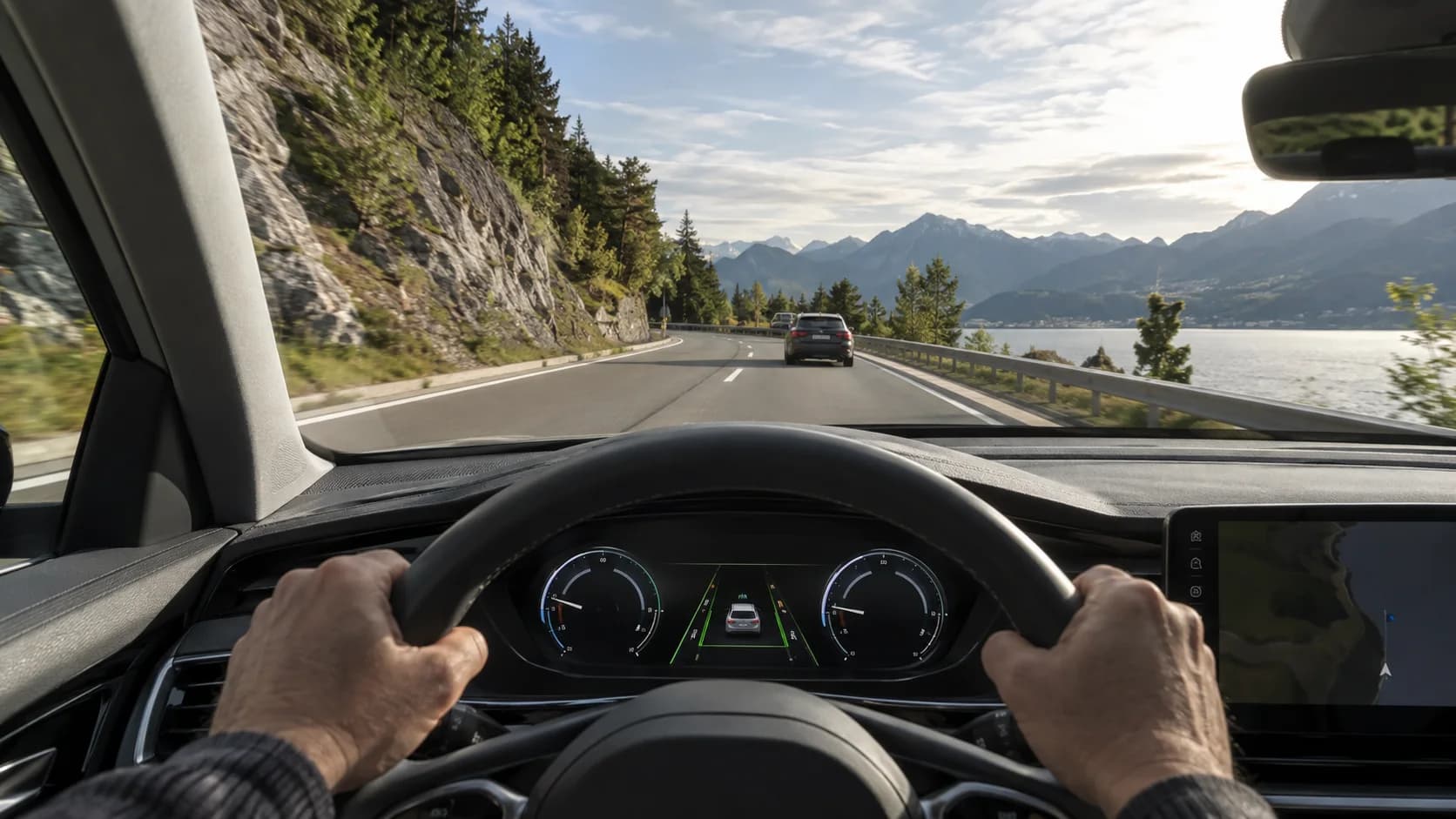
The EU General Safety Regulation (GSR) specifies that ISA must be switchable, meaning the driver can temporarily override or deactivate the system. However, the system must reactivate with each ignition cycle. This design choice balances driver autonomy with the safety objective. The regulation outlines four types of ISA feedback: cascading acoustic warnings, haptic feedback through the accelerator pedal, visual warnings, or a speed control function that gently reduces engine power. Manufacturers can choose which method or combination of methods to implement, provided they meet the regulatory requirements. For instance, a system might display the speed limit on the instrument cluster and provide a visual alert if the vehicle exceeds it. If the driver continues to exceed the limit, an acoustic warning or haptic feedback could follow.
Distinguishing ISA from Adaptive Cruise Control
While both Intelligent Speed Assistance and Adaptive Cruise Control (ACC) manage vehicle speed, their primary functions and operational principles differ. ISA's core purpose is to inform the driver of the speed limit and provide warnings or gentle interventions when it is exceeded. It is primarily a speed limit compliance aid. ACC, conversely, maintains a driver-set speed and automatically adjusts it to maintain a safe following distance from the vehicle ahead. ACC systems typically use radar or lidar sensors to detect preceding vehicles and can accelerate or decelerate the car within the set speed range.
Consider a hypothetical journey from Brussels to Luxembourg City. With ISA active, the system would alert the driver to changes in speed limits along the E411 motorway, such as entering urban areas or roadworks zones. If the driver inadvertently exceeds a new 90 km/h limit, ISA would provide a warning. If ACC were engaged, the driver would set a desired maximum speed, for example, 120 km/h, and the system would maintain that speed unless a slower vehicle was detected ahead, in which case it would reduce speed to maintain the set following distance. ACC does not inherently know or enforce the prevailing speed limit unless integrated with a separate ISA function.
In scenarios where maintaining a consistent following distance is critical, such as dense motorway traffic, ACC is preferable. For ensuring compliance with varying speed limits, particularly in unfamiliar areas or during long journeys with frequent limit changes, ISA provides direct assistance. Many modern vehicles integrate both functions, allowing ACC to leverage ISA's speed limit data to automatically adjust the set speed to the detected limit, offering a more comprehensive driver assistance experience.
Driver Interaction and Overrides
The EU General Safety Regulation mandates that ISA systems must allow the driver to override or deactivate the speed control function. This is a crucial aspect, acknowledging situations where a driver might need to exceed the speed limit for safety reasons, such as during an overtaking manoeuvre that requires a brief burst of acceleration to complete safely. The override mechanism is typically a firm press on the accelerator pedal or a dedicated button.
The system's design ensures that while the driver can temporarily disable the speed control aspect, ISA will reactivate upon the next ignition cycle. This "always on" default setting reinforces the safety objective. For example, if a driver deactivates ISA for a specific segment of a journey, the system will be active again when the car is restarted for the next trip. This prevents drivers from permanently disabling a safety feature.
Drivers can verify the specific override procedures for their vehicle by consulting the owner's manual. The manual will detail how to temporarily deactivate ISA, what types of warnings are provided, and how the system reactivates. Euro NCAP's Safety Assist protocols also evaluate the user-friendliness and effectiveness of ISA systems, including the clarity of warnings and the ease of overriding the system.
Data Sources and Potential Limitations
ISA systems rely on accurate and up-to-date information to function effectively. The primary data sources are road sign recognition cameras and digital map data. Camera systems detect speed limit signs, temporary limits, and variable message signs. Digital map data provides a baseline of speed limits for specific road segments. GPS data helps to pinpoint the vehicle's location and cross-reference it with map data.
Despite these advanced technologies, ISA systems can encounter limitations. Environmental factors such as heavy rain, snow, or direct sunlight can obscure road signs, potentially affecting camera recognition accuracy. Outdated map data can lead to incorrect speed limit information, especially in areas with recent road construction or changes in regulations. For instance, if a new speed limit has been implemented on a road but the vehicle's map data has not been updated, the system might display the old limit.
Another challenge arises from ambiguous or conflicting signs, such as a general speed limit sign followed by a specific limit for a short stretch of road. The system's interpretation might not always align with the driver's understanding or local regulations. Drivers should remain attentive to road signs and conditions, as ISA is an assistance system, not an autonomous driving feature. The driver remains ultimately responsible for controlling the vehicle and adhering to traffic laws.
Verifying System Compatibility and Updates
For new cars sold in the EU from July 2024, ISA is a mandatory feature. Buyers can confirm the presence and specific implementation of ISA by checking the vehicle's official documentation, such as the owner's manual or the manufacturer's technical specifications. These documents will outline the type of ISA system installed (e.g., visual, acoustic, haptic, or speed control) and its operational characteristics.
Software updates are crucial for maintaining the accuracy and effectiveness of ISA systems, particularly for map data. Manufacturers typically offer over-the-air (OTA) updates or require dealership visits for software and map updates. Regular updates ensure the system has the latest speed limit information, reflecting any changes in road regulations or infrastructure. Drivers should consult their vehicle manufacturer's guidelines regarding update schedules and procedures.
The UNECE Regulation No. 171, which governs driver-control assistance systems, provides a framework for the technical requirements and testing procedures for ISA. This regulation ensures a level of standardisation and performance across different manufacturers. While the regulation sets minimum performance criteria, the specific user experience can vary. Understanding these details from official sources helps drivers to fully utilise the safety benefits of ISA.