Mild hybrid, full hybrid, and plug-in hybrid powertrains each offer different balances of electric assistance, fuel efficiency, and operational flexibility. The optimal choice depends on driving patterns, access to charging infrastructure, and specific journey requirements.
Understanding the mild hybrid system
A mild hybrid electric vehicle (MHEV) integrates a small electric motor, typically a belt-driven starter-generator, with an internal combustion engine (ICE). This system operates on a low-voltage electrical architecture, commonly 12 V or 48 V. The electric motor does not directly propel the vehicle. Instead, it assists the ICE during acceleration, reduces engine load, and recovers kinetic energy during deceleration through regenerative braking. This recovered energy is stored in a small battery, which then powers the electric motor for assistance.
The primary benefit of an MHEV is a modest improvement in fuel efficiency and a reduction in CO2 emissions compared to a conventional ICE vehicle. The electric assistance smooths the operation of the start-stop system and can provide a torque boost, enhancing responsiveness. However, MHEVs cannot operate on electric power alone for any sustained period or distance. Their electrical components are generally lighter and less complex than those in full or plug-in hybrids, which can translate to a lower purchase price and less impact on vehicle weight. Drivers can verify the specific MHEV system details, including battery capacity and voltage, in the vehicle's owner's manual or technical specifications.
How full hybrids operate
Full hybrid electric vehicles (FHEVs), also known as self-charging hybrids, feature a more powerful electric motor and a larger battery than MHEVs, typically operating at higher voltages. FHEVs can propel the vehicle using electric power alone for short distances and at low speeds, such as during urban driving or parking manoeuvres. The system automatically switches between electric, internal combustion, or combined power sources to optimise efficiency based on driving conditions. The battery is recharged through regenerative braking and by the ICE.
FHEVs offer significant fuel efficiency gains, particularly in stop-and-go traffic, where they can frequently operate in electric-only mode. They do not require external charging, making them suitable for drivers without access to charging points. The complexity of the powertrain is greater than an MHEV, potentially increasing manufacturing costs and vehicle weight. For a representative cross-border European journey, such as from Brussels to Amsterdam, an FHEV would leverage its electric capability in urban areas at both ends, while the ICE would provide sustained power on motorways. The driver does not control the mode selection directly; the vehicle's control unit manages the power flow. Information on the FHEV's electric-only range and operational parameters is available in the vehicle manual.
The plug-in hybrid system explained
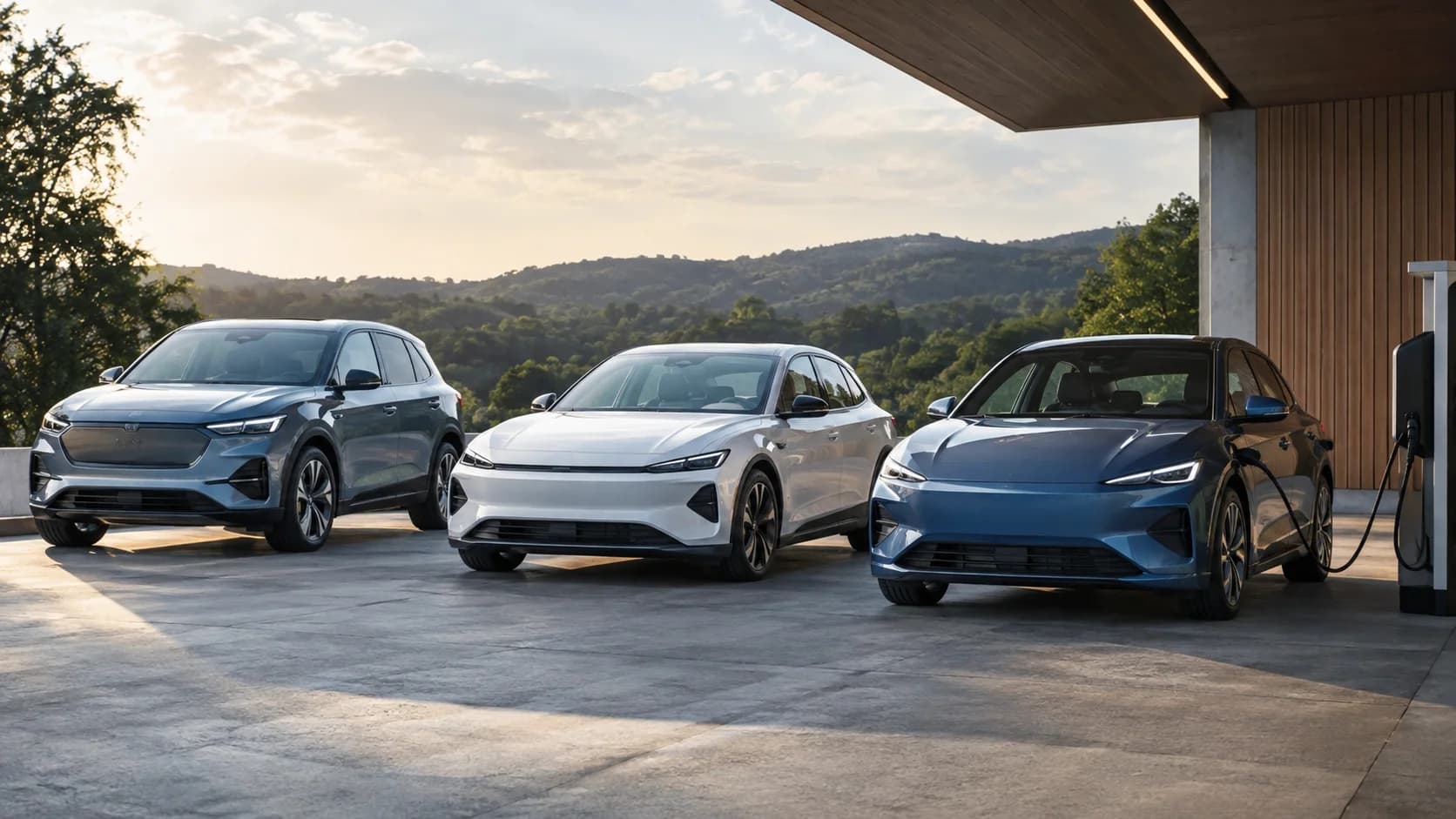
Plug-in hybrid electric vehicles (PHEVs) combine an ICE with a substantial electric motor and a large battery that can be recharged externally via a charging cable, in addition to regenerative braking and the ICE. This allows PHEVs to offer a significant electric-only driving range, typically sufficient for many daily commutes. When the battery is depleted, the PHEV functions similarly to a full hybrid, using the ICE and regenerative braking to maintain efficiency.
PHEVs offer the greatest flexibility, providing zero-emission electric driving for shorter trips and the range of an ICE vehicle for longer journeys without range anxiety. This makes them suitable for drivers who can regularly charge their vehicle, for example, overnight at home or at work. The larger battery and charging components add weight and complexity, which can affect purchase price and potentially reduce luggage capacity compared to an equivalent ICE vehicle. For a journey like Brussels to Amsterdam, a PHEV could complete a substantial portion, or even the entirety, of the urban segments and potentially some intercity driving on electric power if charged before departure. The driver can often select specific driving modes, such as 'EV mode' for electric-only operation, 'hybrid mode' for optimised efficiency, or 'charge mode' to use the ICE to recharge the battery. Details on charging times, electric range, and mode selection are provided in the vehicle's official documentation.
Safety and driver assistance in hybrid vehicles
All hybrid vehicle types are subject to the same safety regulations as conventional vehicles. The EU General Safety Regulation (GSR) mandates a range of advanced driver assistance systems (ADAS) for new vehicle types. These include intelligent speed assistance, alcohol interlock installation provisioning, driver drowsiness and attention warning, advanced driver distraction warning, reversing camera or detection system, event data recorders, and emergency stop signals. From July 2024, these requirements extend to all new vehicles sold.
Euro NCAP's Safety Assist protocols evaluate the performance of these systems, including autonomous emergency braking (AEB) and lane support systems (LSS). UNECE Regulation No. 171 further specifies requirements for driver-control assistance systems. Hybrid vehicles, regardless of their specific type, integrate these safety features. The presence and functionality of specific ADAS features can be verified in the vehicle's manual or official safety ratings. Furthermore, all new passenger cars and light commercial vehicles in the EU have been required to be fitted with eCall since March 2018, automatically dialling the European emergency number 112 in the event of a serious accident.
Practical considerations for buyers
The decision between mild, full, and plug-in hybrid depends significantly on individual driving habits and infrastructure access. An MHEV might be suitable for drivers primarily undertaking longer journeys with limited stop-and-go traffic, seeking a modest efficiency improvement without significant changes to their routine. An FHEV is often a strong choice for urban and suburban drivers who experience frequent traffic and desire better fuel economy without the need for external charging. A PHEV is most beneficial for drivers with consistent access to charging facilities who can maximise its electric-only range for daily commutes, thereby reducing fuel consumption and emissions.
Drivers should consider the vehicle's unladen mass, which can be higher for FHEVs and PHEVs due to the additional battery and motor components. This can influence fuel consumption, particularly on motorways, and potentially affect vehicle dynamics. The vehicle manual provides the official unladen mass. The type of journeys undertaken is crucial: frequent short trips favour PHEVs and FHEVs, while predominantly long-distance, high-speed driving might see less benefit from the electric components of FHEVs and MHEVs. The vehicle's official type approval documentation will detail its specific powertrain configuration and capabilities.