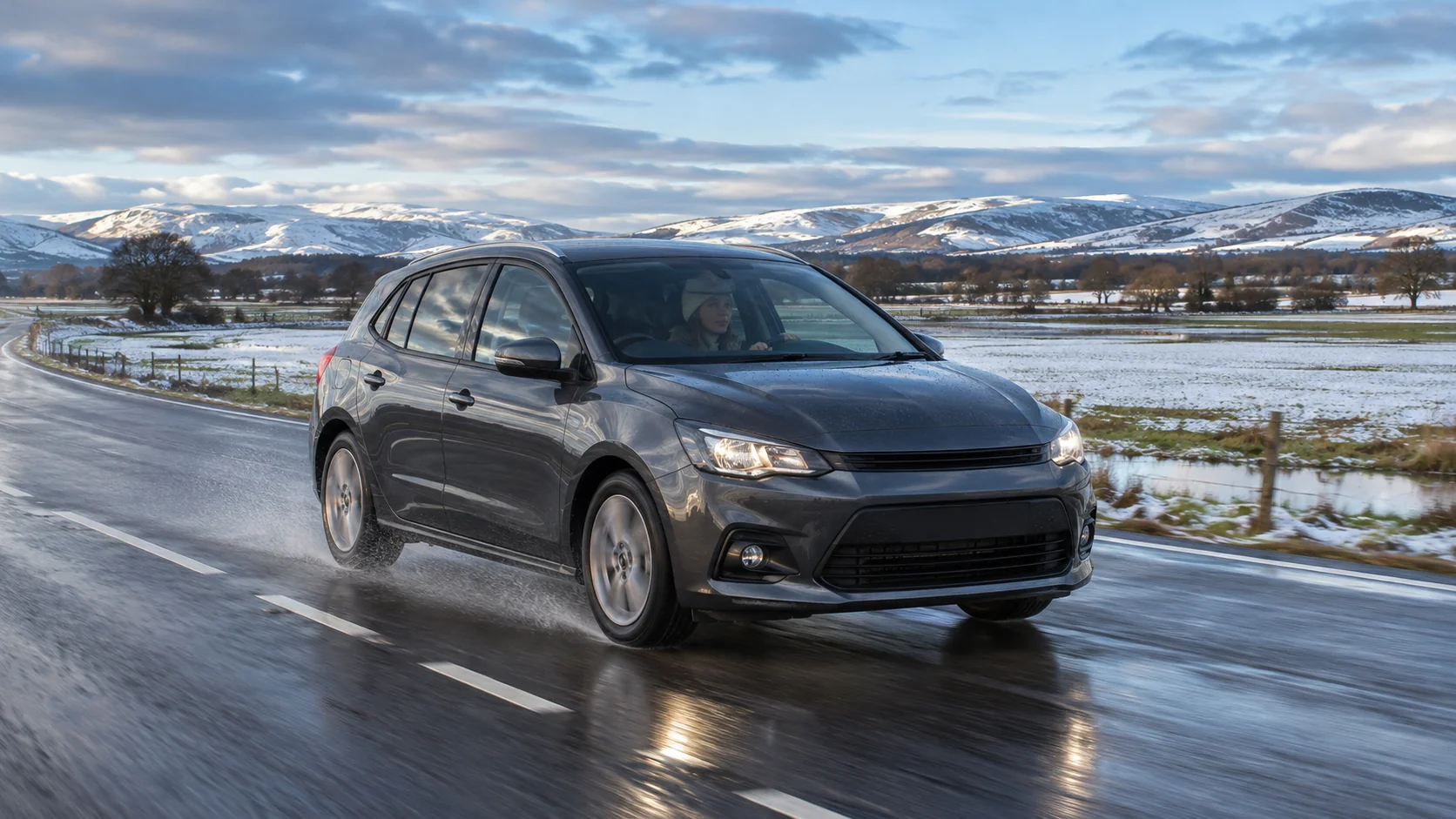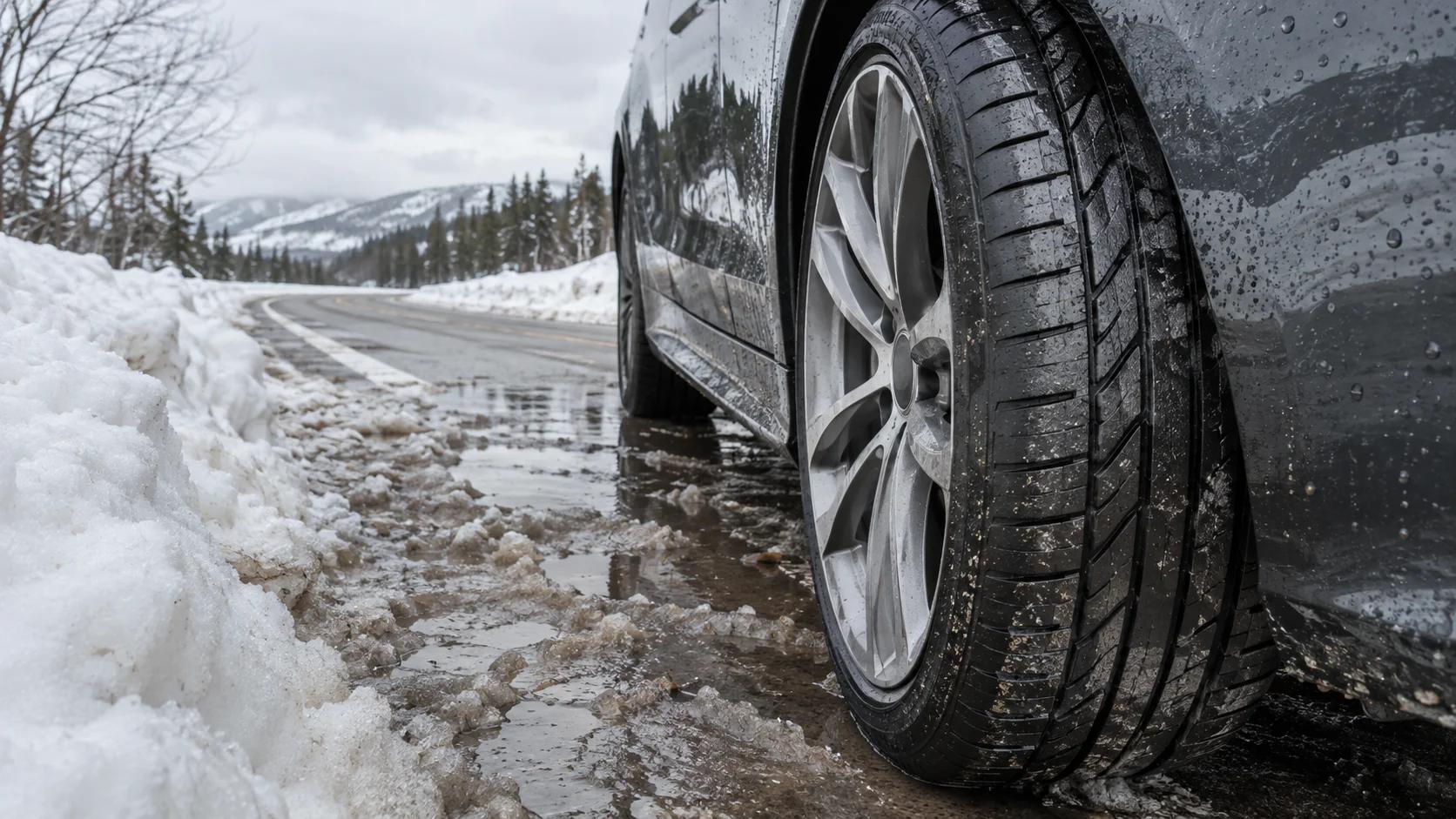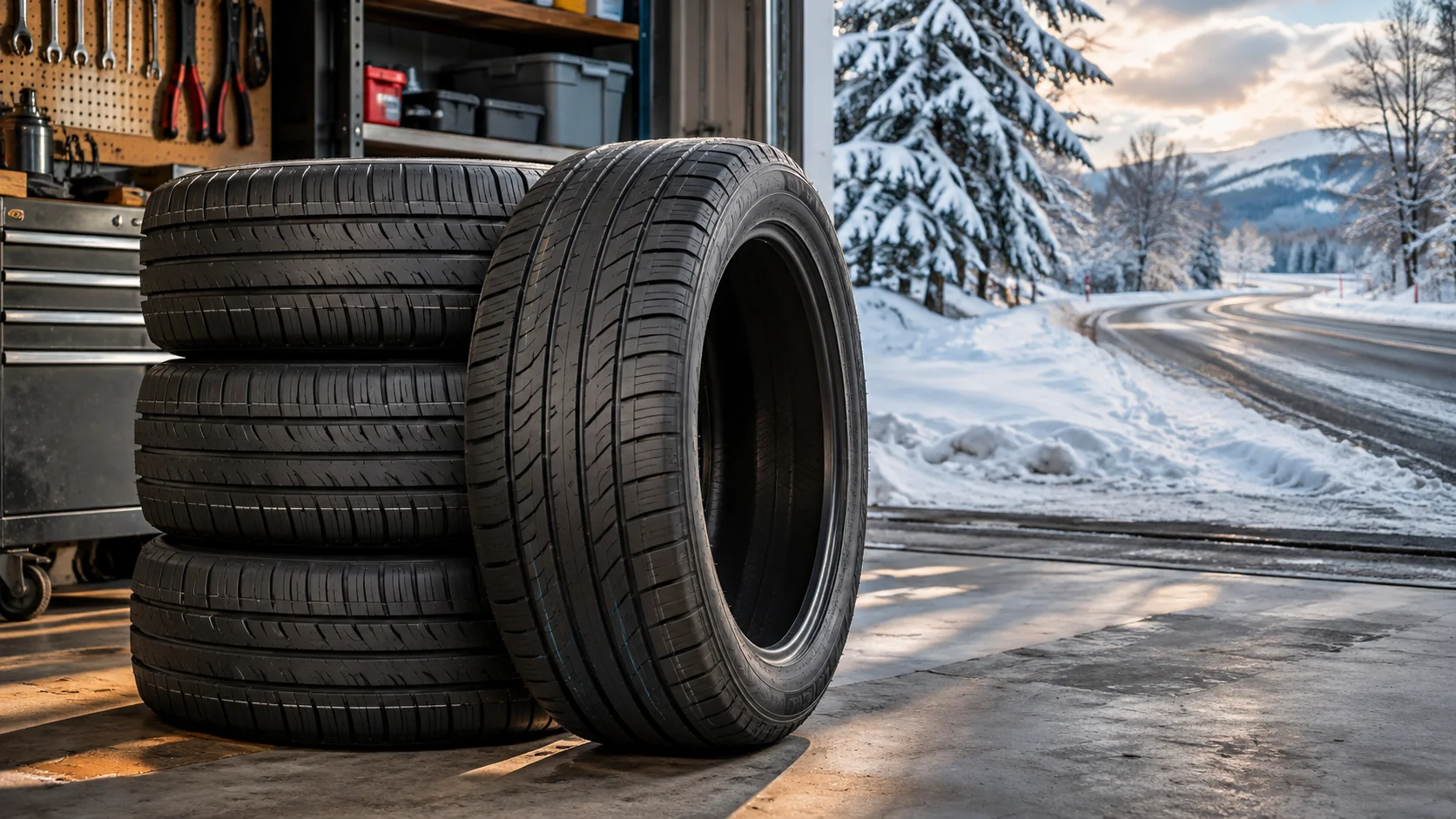
ABS, electronic stability control and all-wheel drive can help a driver manage available grip. None can create grip that the tyres do not have.
ABS adjusts brake pressure when a wheel approaches lockup, making it easier to keep some steering control. Stability control can brake individual wheels and reduce power to counter a developing skid. All-wheel drive distributes propulsion. Each system still depends on tyre-road friction to produce a useful force.
That distinction matters when a car on summer tyres pulls away confidently. A four-wheel-drive system may hide the shortage of grip during acceleration, but stopping still depends on all four tyres. On snow, Continental says summer tyres have poor acceleration and long braking distances. In ADAC's controlled 175/65 R14 comparison, winter tyres stopped from 50 km/h in 29.1 m while summer tyres needed 63.1 m.
The sensible response to snow is to fit suitable tyres and drive for the conditions. Leave more room, brake earlier and make steering inputs progressively. If the route is already covered and the car is still on summer tyres, find a safe place to stop and arrange a tyre change or another way to travel. Electronics are a useful backup once the basic contact patch is appropriate.
Sources: Continental technical guidance; ADAC braking comparison.