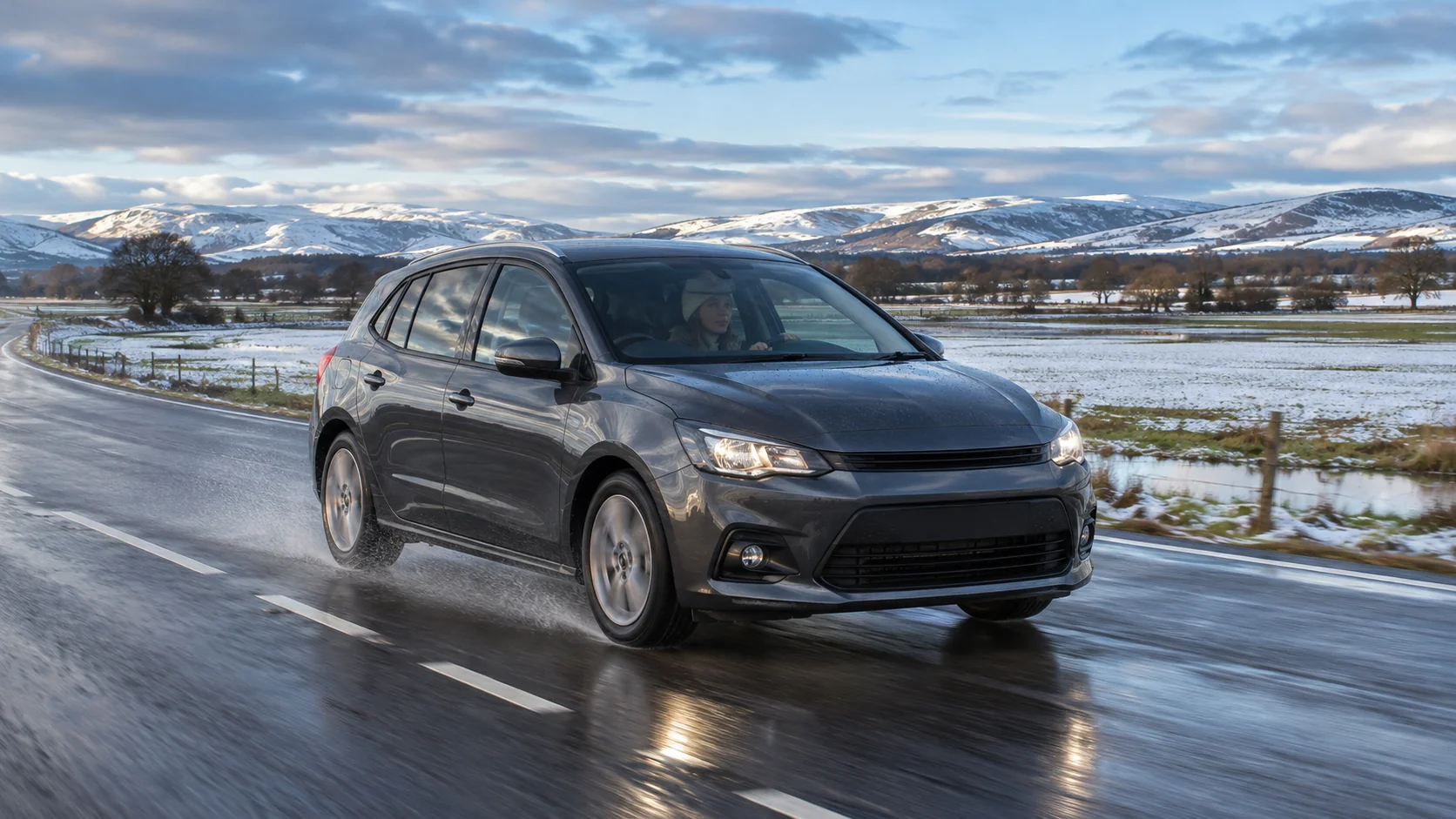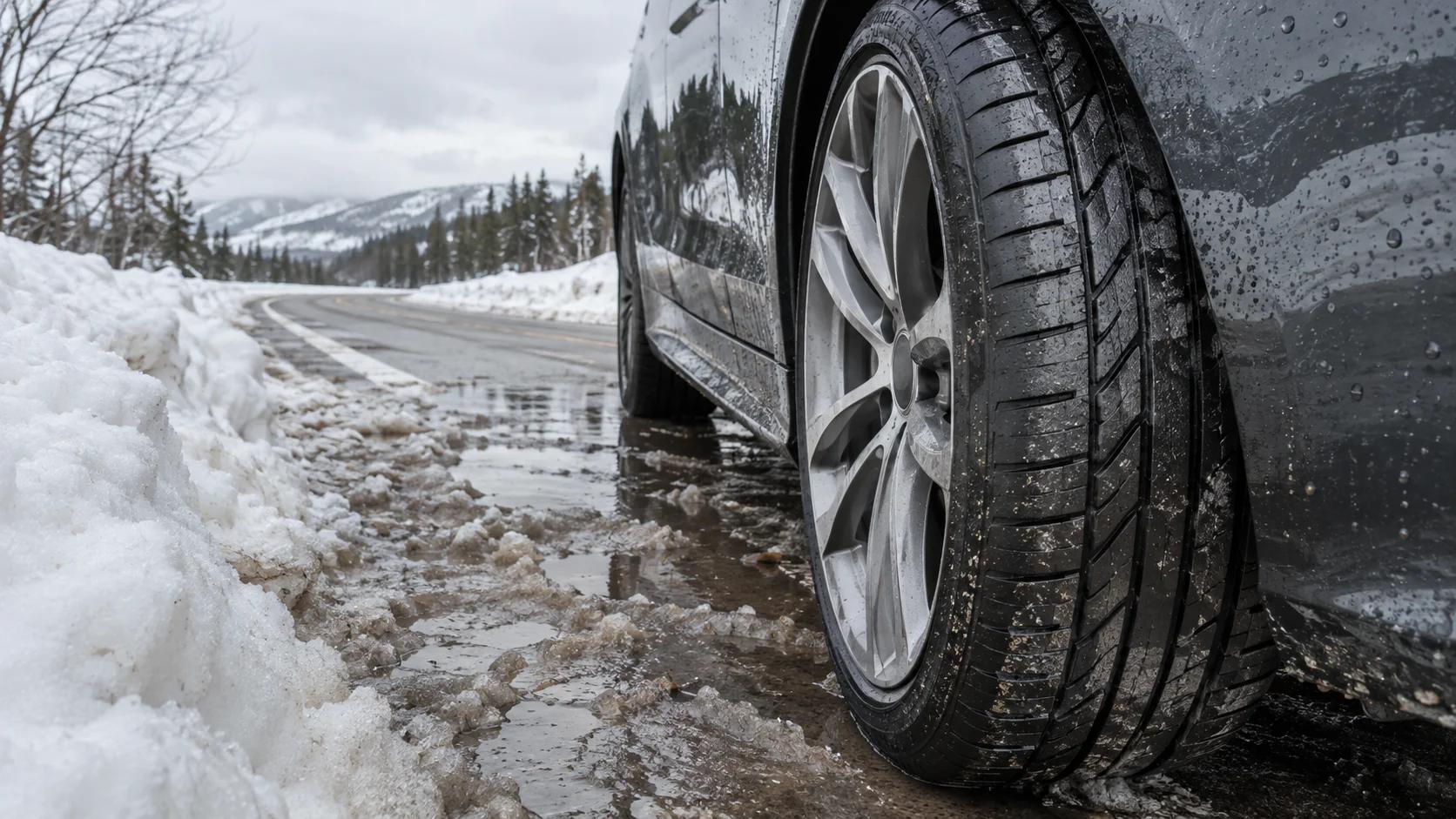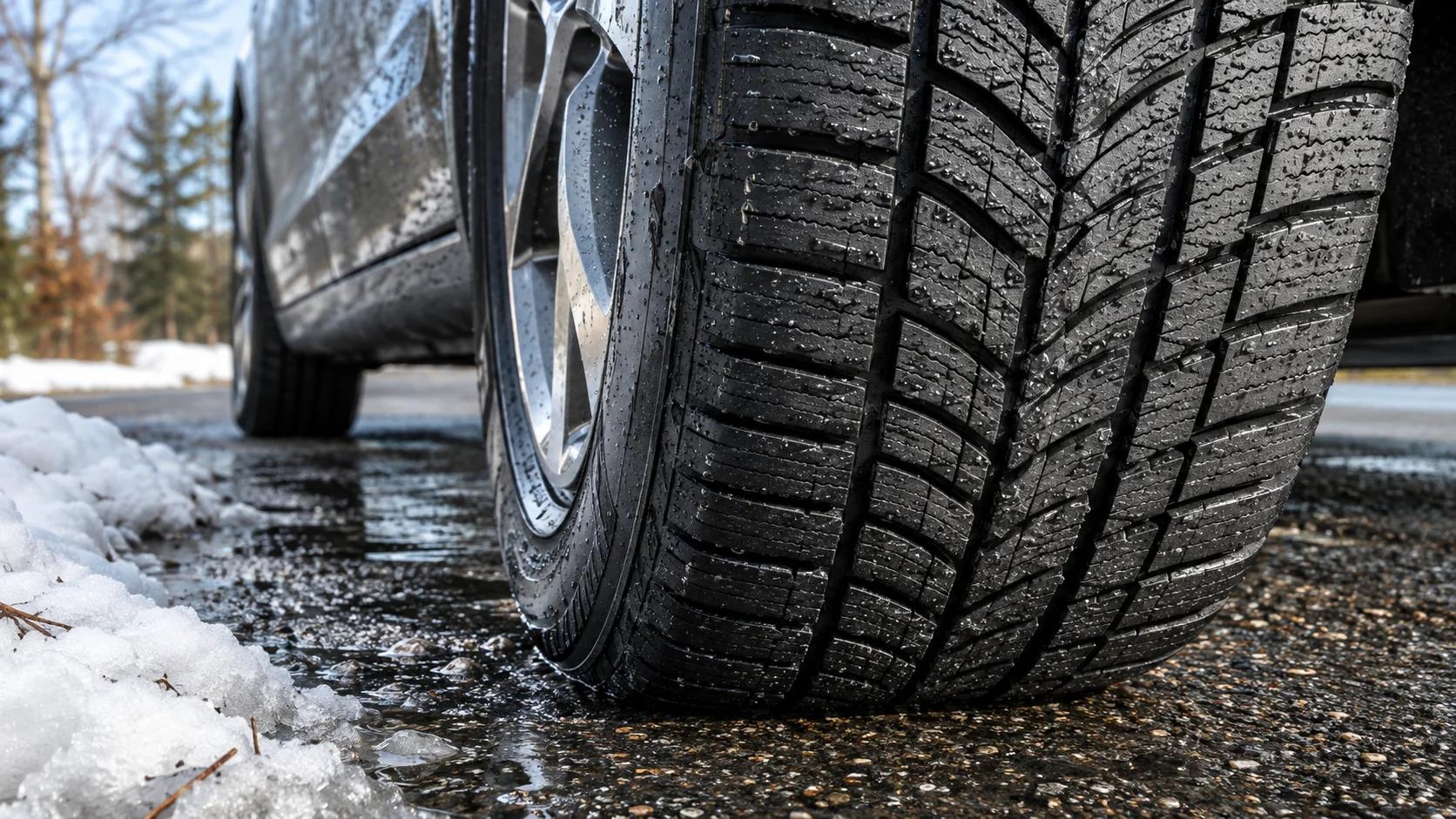
A good all-season tyre can be the better year-round choice for a driver whose winter is mostly wet or dry, with only occasional snow. A dedicated winter tyre remains the stronger choice for frequent snow, ice and steep untreated roads.
Match the tyre to the journey
Michelin recommends all-season tyres for regions with less severe winters and occasional snowfall, while advising separate summer and winter sets for mountain areas with prolonged harsh conditions. That is a climate and journey judgment, not a claim that every all-season tyre beats every winter tyre on every surface.
The distinction matters on warmer winter days. A driver who leaves winter tyres on through spring is asking a cold-weather specialist to work on warm asphalt. A balanced all-season tyre can fit that mixed calendar better, and it avoids seasonal swaps and storage. The financial benefit depends on purchase price, mileage and wear.
Quality varies widely
In ADAC's 2025 test of 16 all-season tyres in 225/45 R17, four earned a good overall rating; four failed and another four were only adequate. ADAC's 2026 test in 185/65 R15 again found major winter weaknesses in some tyres bearing the Alpine symbol. Buy a tested model in the size your car needs, rather than relying on the category name.
The Alpine, or 3PMSF, marking shows a tyre has passed a defined snow-grip test. It does not certify equal performance on ice, wet roads or hot dry roads. A useful shortlist should include independent results across those surfaces.
Verdict: choose a well-tested all-season tyre for mild winters, modest mileage and the ability to avoid severe weather. Choose dedicated winter tyres if snow and ice are routine parts of your journey.
Sources: Michelin climate guidance; ADAC 2025 test; ADAC 2026 test; European Commission.