Choosing between a dealer and an independent garage for vehicle servicing involves weighing factors such as warranty implications, specialist knowledge, and cost. There is no universally superior option; the optimal choice depends on the vehicle's age, specific service requirements, and the owner's priorities.
Warranty and official servicing requirements
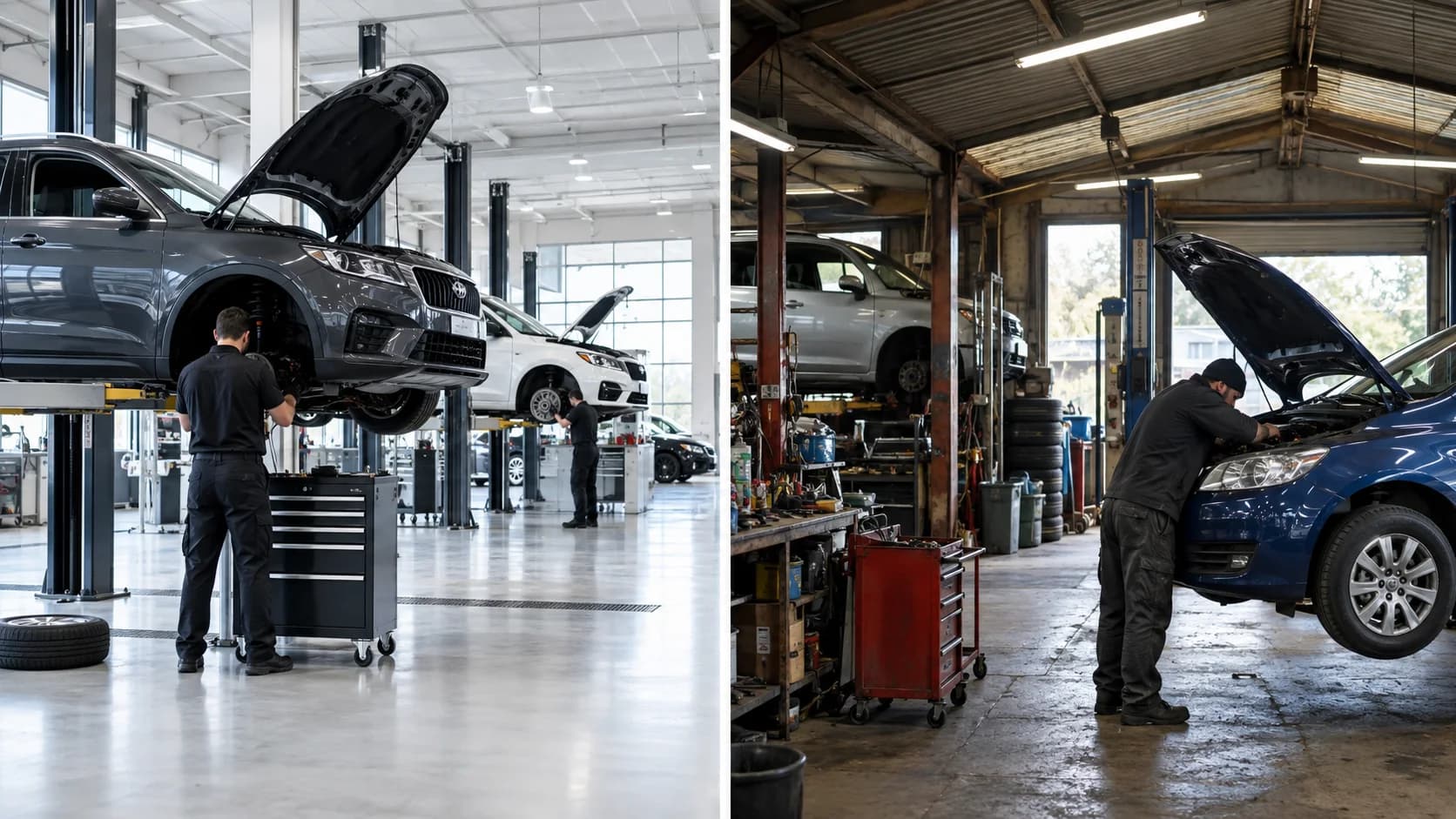
New vehicles typically come with a manufacturer's warranty, which can be conditional on adhering to the specified service schedule and using approved parts. Servicing at an authorised dealer ensures compliance with these terms, mitigating the risk of warranty invalidation. Dealers use manufacturer-specific diagnostic tools and access up-to-date technical bulletins, which can be crucial for addressing complex issues or software updates. For example, a vehicle with an advanced driver-assistance system (ADAS) might require precise sensor calibration after a minor collision or windscreen replacement. The EU General Safety Regulation (GSR) mandates certain ADAS features, and their correct function is paramount for safety. Official dealer workshops are equipped to perform these calibrations according to manufacturer specifications, often using proprietary equipment.
Independent garages, while often more cost-effective, may not always have access to the latest diagnostic software or specific tools required for newer models. While EU regulations aim to ensure independent workshops have access to technical information, the practical implementation can vary. Before choosing an independent garage for a vehicle under warranty, it is advisable to confirm their ability to perform the service according to manufacturer specifications and to use original equipment (OE) or equivalent quality parts. Documentation of all services, including parts used, is essential for maintaining warranty validity.
Specialisation and technical expertise
Dealers are brand specialists, with technicians trained specifically on the manufacturer's vehicle range. This specialisation can be particularly beneficial for complex repairs or when diagnosing intermittent faults that require in-depth knowledge of a specific vehicle architecture. For instance, an issue with a hybrid powertrain, which combines internal combustion and electric components, may be more efficiently diagnosed and repaired by a technician with dedicated training in that specific system.
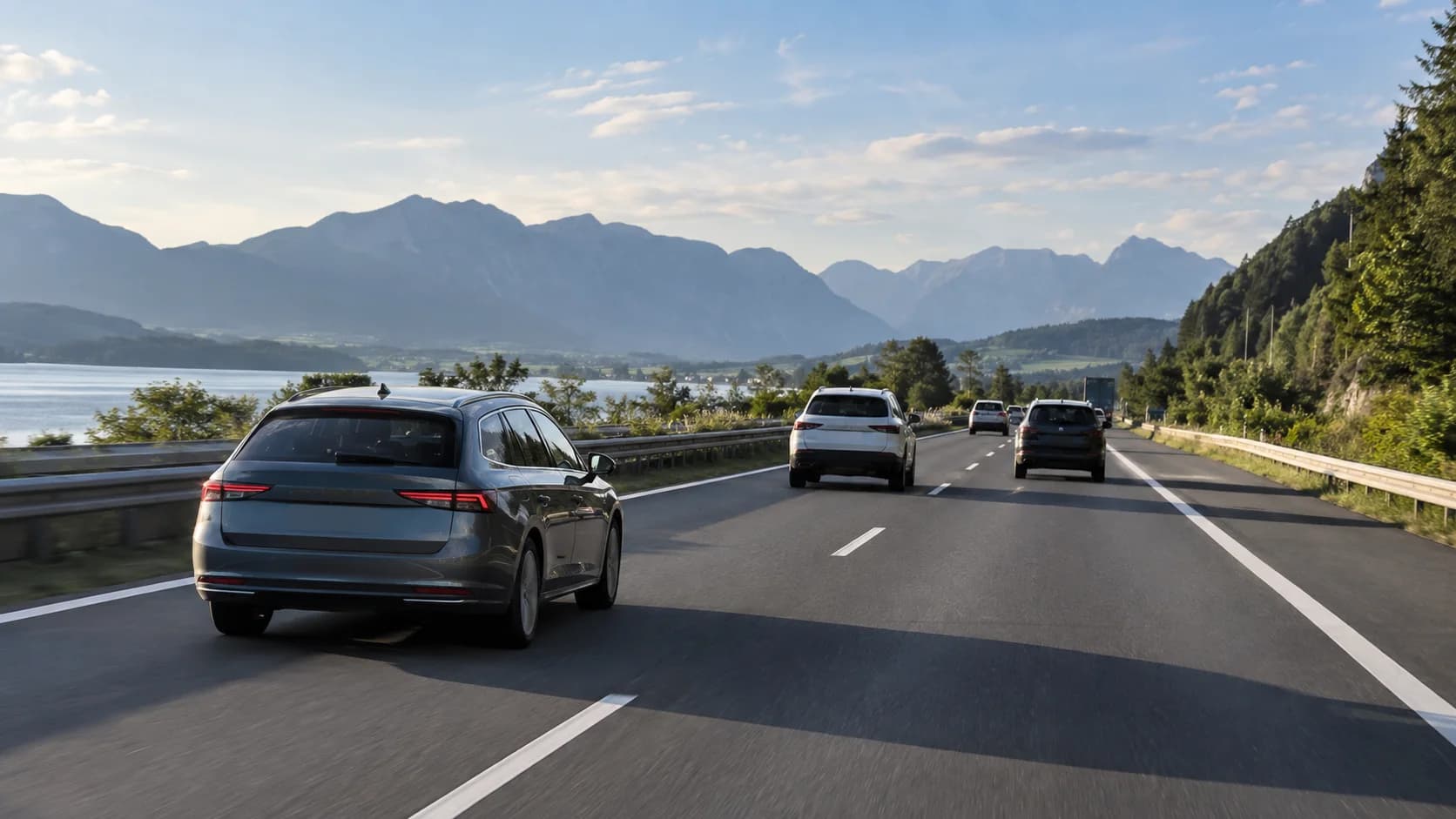
Independent garages often have broader experience across multiple brands and models. This can be an advantage for older vehicles or those with common mechanical issues, where a generalist approach might be sufficient and more economical. Some independent garages also specialise in particular vehicle types or systems, such as classic cars, performance tuning, or specific electrical systems. For a driver undertaking a hypothetical cross-border journey from Lisbon to Berlin, ensuring the vehicle's ADAS systems are correctly calibrated is vital. Euro NCAP's Safety Assist protocols highlight the importance of features like AEB (Autonomous Emergency Braking) and LSS (Lane Support Systems), which rely on precise sensor data. A specialist, whether dealer or independent, with verified expertise in ADAS calibration would be preferable for such critical systems.
Cost implications and parts sourcing
Servicing at an authorised dealer generally incurs higher labour rates compared to independent garages. This is partly due to the investment in specialised tools, ongoing technician training, and overheads associated with maintaining manufacturer standards. Dealers typically use OE parts, which are often more expensive but guarantee compatibility and performance.
Independent garages often offer more competitive pricing, both for labour and parts. They may use aftermarket parts that meet or exceed OE specifications, or source OE parts from alternative suppliers at a lower cost. The quality of aftermarket parts can vary, so it is important to ensure that any non-OE parts used are of equivalent quality to maintain vehicle performance and safety. The vehicle manual or official manufacturer documentation will specify recommended parts and fluids. Owners can verify compatibility by checking part numbers or specifications against the manufacturer's guidelines. For example, engine oil specifications are often detailed with specific viscosity grades and performance standards (e.g., ACEA C3, API SN).
Convenience and customer experience
Dealers often provide a range of amenities, such as courtesy cars, comfortable waiting areas, and vehicle collection/delivery services. They may also offer digital service records that are accessible through manufacturer apps, providing a comprehensive history of maintenance. For a driver who values convenience and a seamless experience, these added services can justify the higher cost.
Independent garages, while typically offering fewer amenities, can often provide a more personalised service. Owners may have direct communication with the mechanic working on their vehicle, fostering a relationship built on trust. Scheduling flexibility can also be a benefit, with independent garages sometimes able to accommodate appointments at shorter notice.
Software updates and recalls
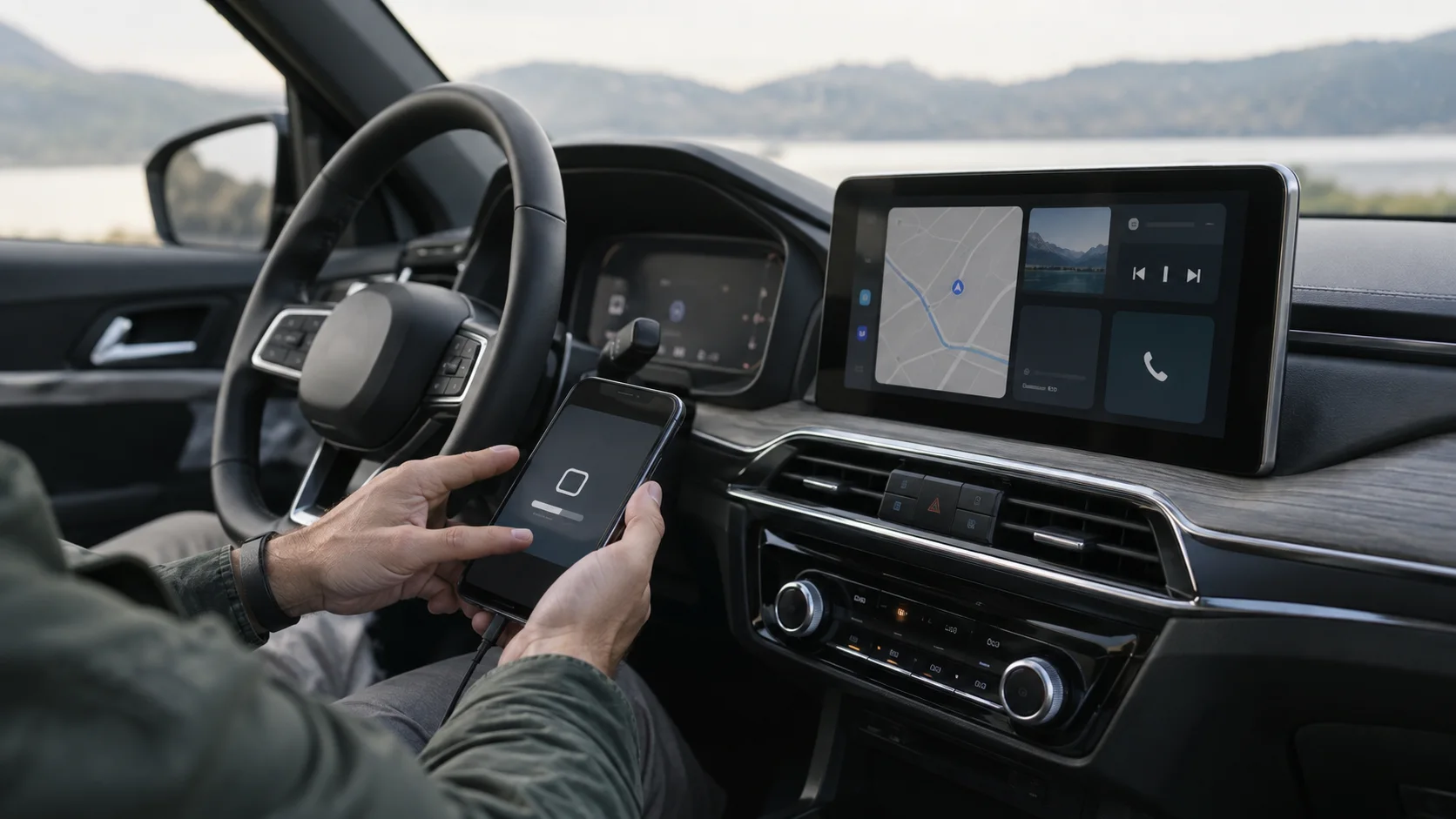
Modern vehicles are increasingly reliant on software for various functions, from engine management to infotainment. Dealers have direct access to manufacturer software updates and can perform these as part of routine servicing. These updates can improve performance, fuel efficiency, or address known bugs. Similarly, safety recalls are managed by manufacturers through their dealer networks. If a vehicle is subject to a recall, an authorised dealer is the primary point of contact for arranging the necessary repairs, which are typically performed free of charge.
While independent garages may have some capabilities for software diagnostics, they generally do not have the same level of access to proprietary manufacturer software updates or recall information. For critical software-related issues or safety recalls, the dealer remains the most reliable option. Owners can check for open recalls on their vehicle by contacting a dealer or using online tools provided by the manufacturer, typically requiring the vehicle identification number (VIN).
Electric vehicles and specialised servicing
The servicing requirements for electric vehicles (EVs) differ significantly from internal combustion engine (ICE) vehicles. EVs have fewer moving parts, eliminating the need for oil changes, spark plug replacements, and complex exhaust system maintenance. However, they require specialised knowledge for high-voltage battery systems, electric motors, and regenerative braking systems. The EU Alternative Fuels Infrastructure Regulation (AFIR) highlights the growing importance of EV infrastructure and, by extension, the need for competent EV servicing.
Authorised EV dealers are equipped with the necessary safety protocols, diagnostic tools, and trained technicians for high-voltage systems. Independent garages specialising in EVs are emerging, but it is crucial to verify their certifications and experience with high-voltage systems before entrusting an EV to them. For example, battery health checks and software updates related to charging efficiency or range optimisation are best handled by specialists with manufacturer-specific training. Owners should consult their EV manual for specific service intervals and requirements, which often focus on brake fluid, cabin air filters, and tire rotations, alongside checks of the high-voltage system.