For long-distance driving in Europe, diesel powertrains generally offer lower fuel consumption and longer range per tank compared to petrol equivalents. However, the practical advantages of diesel are diminishing due to evolving emissions regulations, fuel availability, and vehicle technology.
Fuel Efficiency and Range
The primary argument for diesel in long-distance applications centres on its energy density and engine efficiency. Diesel fuel contains approximately 10-15% more energy per litre than petrol. Modern diesel engines, particularly those designed for sustained highway speeds, often achieve higher thermal efficiency than their petrol counterparts. This translates to lower fuel consumption figures, especially during steady-state cruising.
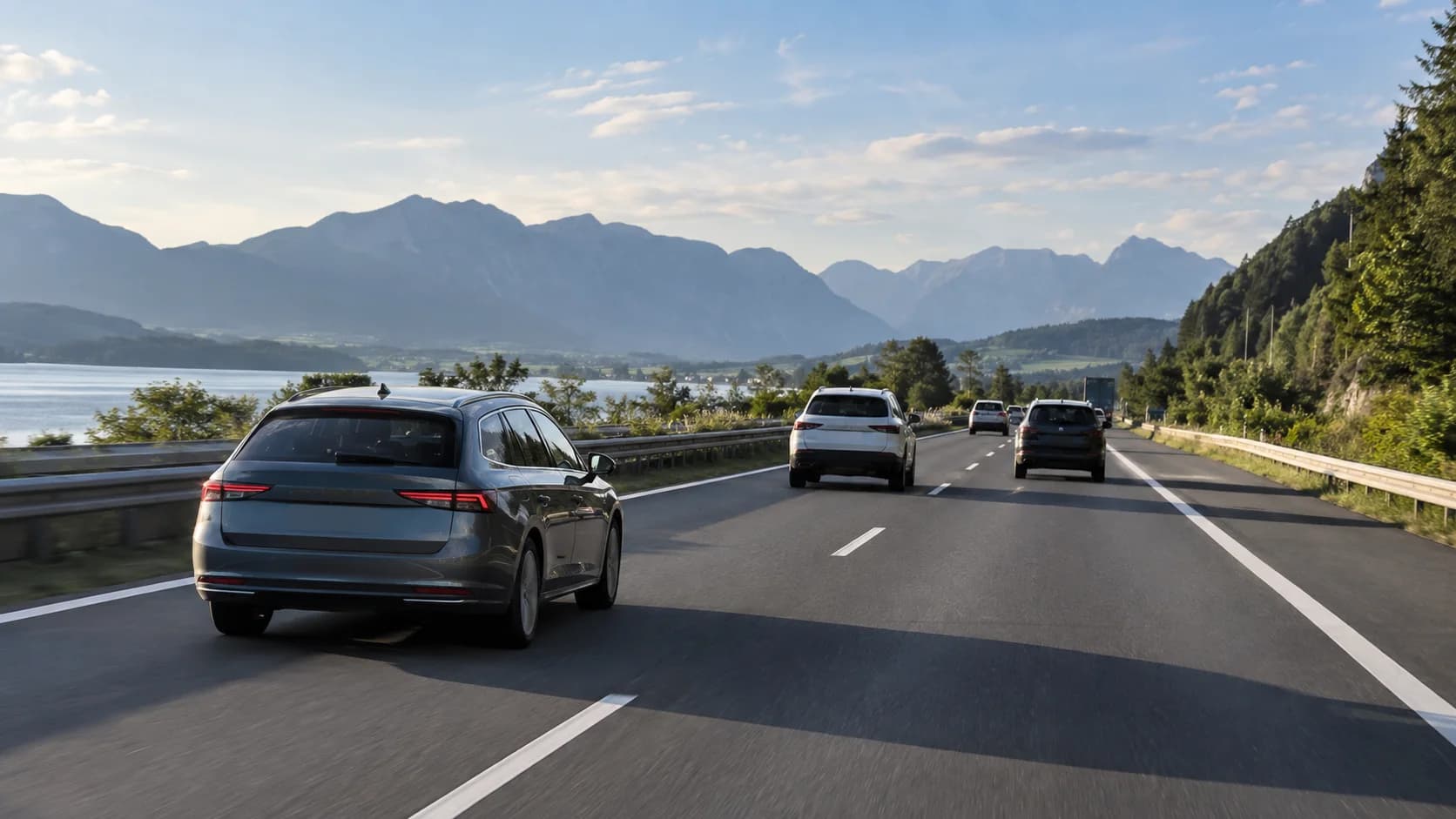
Under the EU's Worldwide Harmonised Light Vehicle Test Procedure (WLTP), which includes a mix of urban, rural, and highway driving cycles, diesel vehicles typically record lower CO2 emissions and fuel consumption values than comparable petrol models. For instance, a hypothetical journey from Berlin to Rome, covering approximately 1,400 km, would likely require fewer refuelling stops in a diesel vehicle due to its extended range. This can reduce overall journey time and driver inconvenience.
However, the real-world consumption advantage of diesel can be influenced by driving style, traffic conditions, and vehicle load. While WLTP figures provide a standardised comparison, actual outcomes may vary.
Emissions and Environmental Considerations
Diesel engines have historically faced scrutiny regarding emissions of nitrogen oxides (NOx) and particulate matter (PM). Modern diesel vehicles sold in Europe are equipped with advanced exhaust after-treatment systems, including Diesel Particulate Filters (DPF) and Selective Catalytic Reduction (SCR) systems that use AdBlue (a urea-based solution) to reduce NOx emissions. These systems are effective when operating correctly, but their performance can be compromised by frequent short journeys or inadequate maintenance.
Petrol engines, particularly those with direct injection, also produce particulate matter, though generally less than older diesel designs. The introduction of Gasoline Particulate Filters (GPF) on many new petrol vehicles addresses this. From an official perspective, both fuel types must meet stringent Euro 6e emissions standards, as outlined in EU regulations.
The environmental impact extends beyond tailpipe emissions to the production and distribution of fuels. While both petrol and diesel are fossil fuels, the refining processes differ. The long-term trend in European policy, as reflected in the Alternative Fuels Infrastructure Regulation (AFIR), indicates a strategic shift towards alternative fuels and electrification, which may impact the future availability and cost of conventional fuels.
Refuelling Infrastructure and Availability
Across Europe, both petrol and diesel are widely available at service stations. For long-distance travel, drivers can generally expect to find refuelling points without significant difficulty. However, the number of service stations offering diesel might slightly exceed those offering petrol in some regions, particularly along major transit corridors.
The quality of diesel fuel can vary, with some countries offering "premium" diesel variants that claim improved performance or engine cleanliness. Drivers should always ensure they use the correct fuel type for their vehicle, as misfuelling can cause severe engine damage. Vehicle manuals specify the required fuel grade.
The AFIR regulation primarily focuses on the deployment of electric vehicle charging and hydrogen refuelling infrastructure, indicating a future where conventional fuel stations might see less investment or even a gradual reduction in numbers, particularly in urban areas. For the foreseeable future, however, diesel and petrol availability for cross-border European journeys remains robust.
Vehicle Technology and Driving Experience
Modern diesel and petrol vehicles offer comparable levels of comfort, safety, and technology. Both benefit from advancements in noise insulation, infotainment systems, and driver assistance features. The EU General Safety Regulation mandates a range of safety technologies, such as intelligent speed assistance and advanced emergency braking, for all new vehicles, regardless of powertrain. Euro NCAP protocols further evaluate these safety assist systems.
Diesel engines typically produce more torque at lower RPMs than naturally aspirated petrol engines, which can result in a more relaxed driving experience, especially when carrying heavy loads or climbing inclines. This characteristic can be advantageous for long-distance cruising, as it often requires less gear shifting and provides strong acceleration from low speeds. However, modern turbocharged petrol engines have significantly narrowed this performance gap, offering comparable torque delivery.
The refinement of diesel engines has improved considerably, with reduced noise and vibration compared to older generations. Nonetheless, some drivers may still perceive a difference in engine note between diesel and petrol, particularly at idle or under hard acceleration.
Cost Considerations
The purchase price of a new diesel vehicle can sometimes be higher than a comparable petrol model, partly due to the more complex exhaust after-treatment systems. Fuel prices for petrol and diesel fluctuate and vary significantly across European countries due to differing taxation policies. Drivers should check current fuel prices for their intended route.
Maintenance costs for diesel vehicles can also be higher, particularly when components like DPFs or SCR systems require servicing or replacement. The need for AdBlue replenishment adds another running cost, though the consumption rate is relatively low.
For high-mileage drivers, the lower fuel consumption of diesel can offset these higher initial and maintenance costs over the vehicle's lifespan. However, for drivers with lower annual mileage, the economic argument for diesel becomes less compelling.
Conclusion
For drivers prioritising maximum range and lower fuel consumption on frequent, long-distance European journeys, a diesel vehicle still presents a strong case. Its inherent efficiency at sustained speeds can reduce refuelling stops and overall fuel expenditure. However, the initial purchase price, potential maintenance costs, and the need for AdBlue should be factored into the decision.
Conversely, petrol vehicles, especially those with modern turbocharged engines, offer comparable performance and refinement, often with a lower purchase price and simpler emissions control systems. For drivers who combine long journeys with more urban or short-distance driving, or who are sensitive to the perceived environmental impact of diesel, a petrol vehicle might be more suitable.
Ultimately, the choice depends on individual driving patterns, priorities, and a comprehensive assessment of both the initial outlay and long-term running costs. Drivers should consult official WLTP figures for specific models and consider their typical usage profile to make an informed decision.