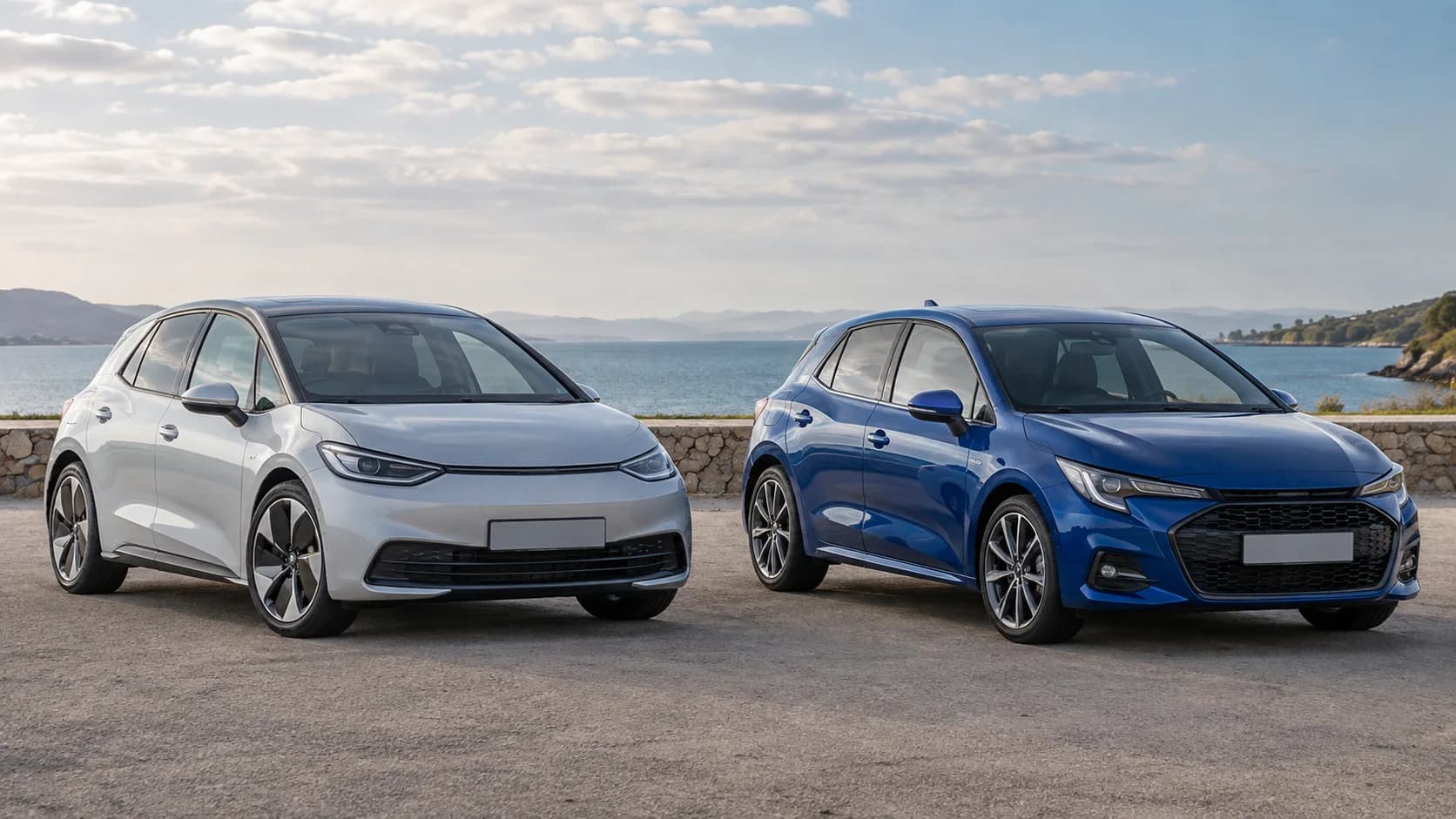
For everyday use, a full hybrid vehicle typically offers greater operational flexibility across varied journey types without external charging dependency. An electric vehicle, however, provides zero tailpipe emissions and lower energy costs when its charging infrastructure aligns with the user's routine.
Understanding the Powertrain Differences
An electric vehicle (EV) is propelled solely by an electric motor, drawing energy from a high-voltage battery. Its range is determined by battery capacity and energy consumption, with recharging required at external points. A full hybrid electric vehicle (FHEV), often termed a self-charging hybrid, combines an internal combustion engine (ICE) with an electric motor and a smaller battery. It can operate on electric power alone for short distances and at low speeds, use the ICE, or combine both. The battery is recharged by the ICE and regenerative braking, eliminating the need for external charging.
The EU's Worldwide Harmonised Light Vehicle Test Procedure (WLTP) specifies laboratory tests for both vehicle types to determine official fuel consumption, electricity consumption, and range figures. For an EV, the WLTP combined range provides an indication of the distance achievable under controlled conditions. For an FHEV, WLTP combined fuel consumption figures reflect its efficiency. Real-world outcomes for both types can deviate significantly from these official figures due to driving style, ambient temperature, terrain, and use of auxiliary systems like air conditioning.
Everyday Driving Scenarios and Practical Implications
For predominantly urban driving with frequent stop-and-go traffic, an FHEV can leverage its electric motor more effectively, potentially operating in EV mode for a notable portion of the journey. This reduces local emissions and fuel consumption compared to a conventional ICE vehicle. An EV excels in urban environments by producing no tailpipe emissions and offering instant torque for responsive driving. However, an EV's energy consumption in stop-and-go traffic can still be substantial, particularly if the climate control system is heavily used.
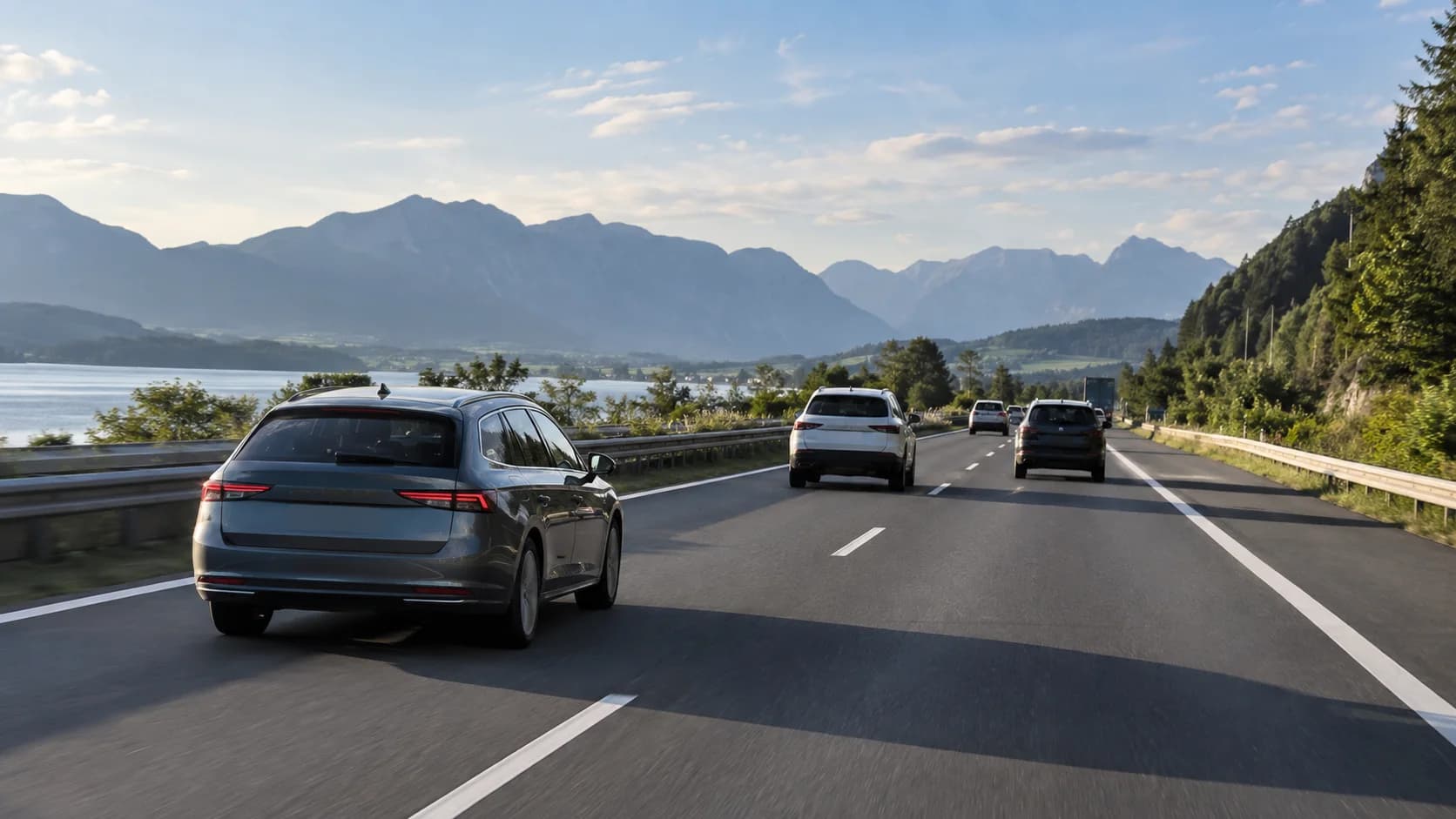
On longer journeys, an FHEV's ability to refuel at any conventional petrol station offers convenience comparable to an ICE vehicle. This eliminates range anxiety and the need to plan charging stops. An EV on a long journey requires careful route planning to incorporate charging stops. The EU's Alternative Fuels Infrastructure Regulation (AFIR) aims to ensure a minimum deployment of publicly accessible charging points along the TEN-T road network, but the availability and reliability of these points can vary. Charging times for EVs range from minutes at high-power direct current (DC) chargers to several hours at alternating current (AC) chargers, impacting journey duration.
Consider a hypothetical cross-border journey from Brussels to Cologne, approximately 200 km. An FHEV would complete this journey without needing to stop for fuel, assuming a full tank at the start. An EV with a WLTP range of 400 km might complete this journey on a single charge, but factors like sustained motorway speeds, external temperature, and passenger load could reduce the real-world range, potentially necessitating a charging stop. The driver must verify the vehicle's actual energy consumption at motorway speeds, typically found in owner's manuals or independent reviews, to make an informed assessment.
Charging Infrastructure and Home Compatibility
The decision between an EV and an FHEV is heavily influenced by access to charging infrastructure. For EV owners, reliable home charging is often the most convenient and cost-effective solution. This typically involves installing a dedicated wallbox, which requires an assessment of the home's electrical supply capacity. Public charging options include standard AC chargers, faster AC chargers, and rapid DC chargers. The compatibility of a vehicle with different charging standards (e.g., Type 2 for AC, CCS for DC in Europe) is crucial and detailed in the vehicle's manual.
FHEVs do not require external charging infrastructure. Their energy independence makes them suitable for drivers without access to private charging or those frequently undertaking long journeys where public EV charging might be inconvenient or unavailable.
Safety Systems and Driver Assistance
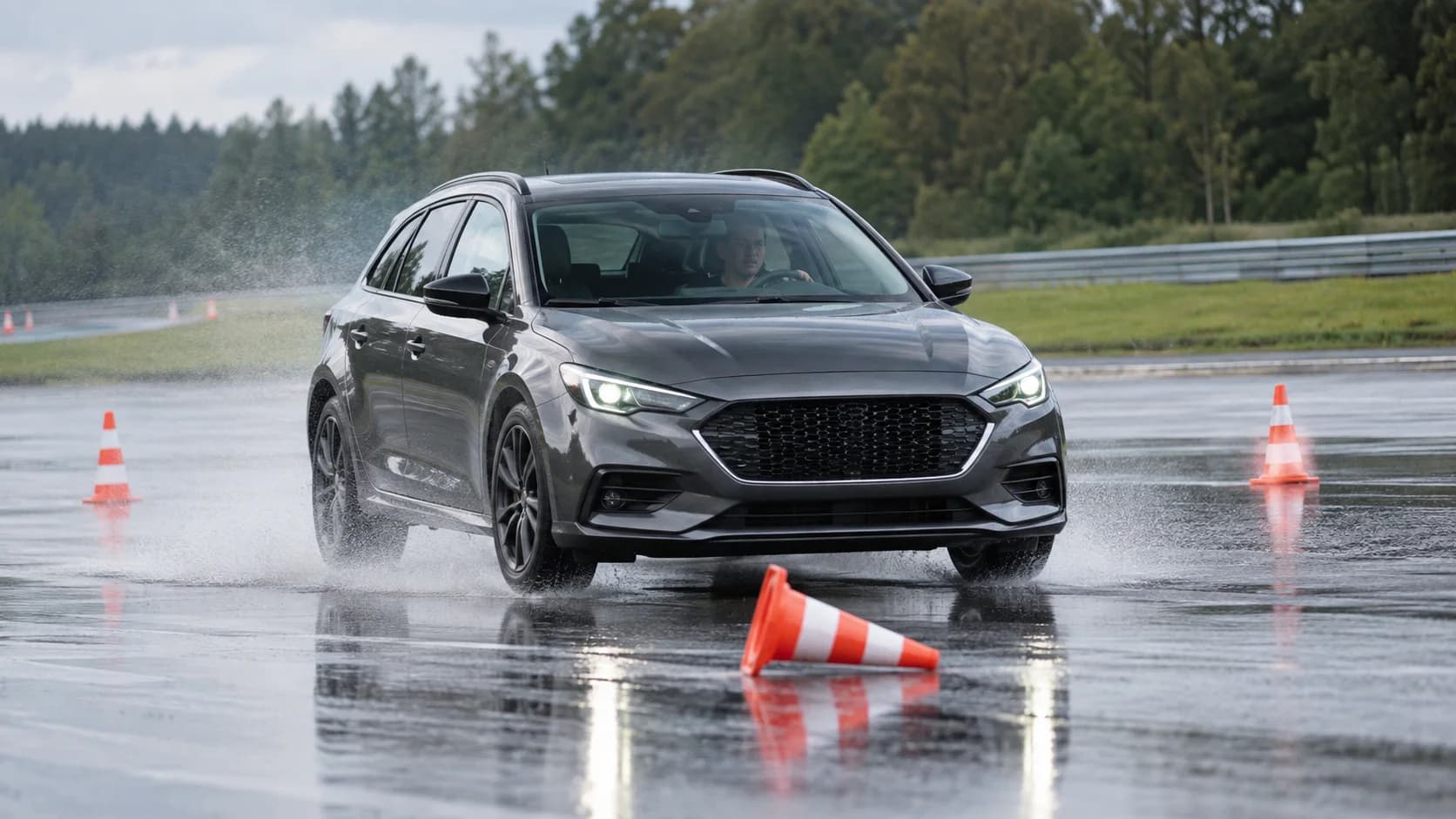
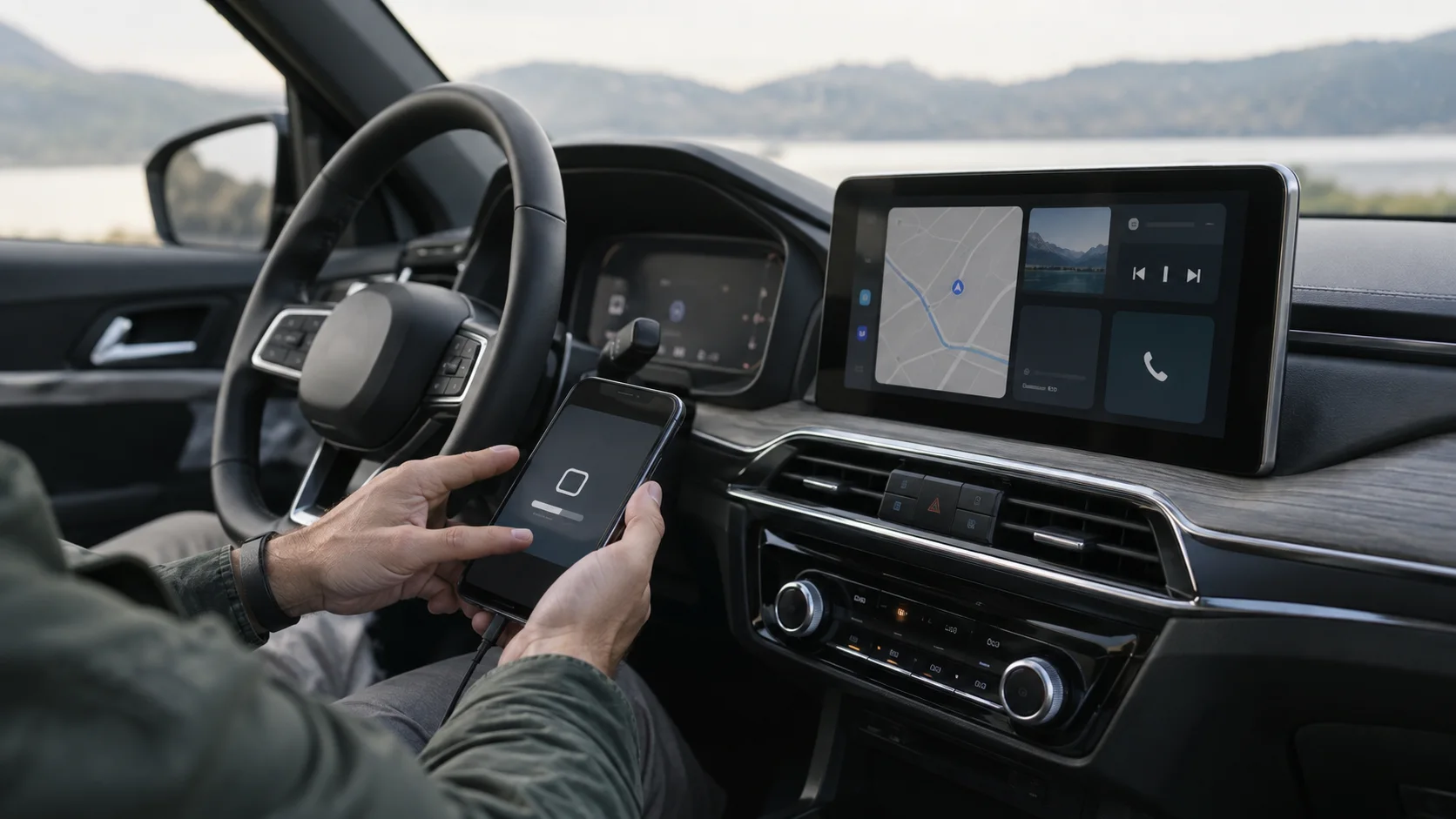
Both EVs and FHEVs are subject to the EU's General Safety Regulation (GSR), which mandates a range of advanced driver assistance systems (ADAS) to improve road safety. These include intelligent speed assistance, driver drowsiness and attention warning, and advanced emergency braking systems. Euro NCAP's Safety Assist protocols further evaluate the effectiveness of these systems.
Specific to EVs, the high-voltage battery system introduces unique safety considerations. Manufacturers incorporate robust battery management systems and crash protection structures to mitigate risks. FHEVs, while also containing a high-voltage battery, typically have smaller capacities, which may present different safety profiles in the event of a severe collision. Buyers should consult Euro NCAP ratings and manufacturer safety documentation for specific models.
Environmental Impact and Lifecycle Considerations
From a tailpipe emissions perspective, EVs produce zero emissions during operation. FHEVs, while more efficient than conventional ICE vehicles, still produce tailpipe emissions when the internal combustion engine is active. The overall environmental impact, however, extends beyond tailpipe emissions to include the manufacturing process, particularly the production of batteries, and the source of electricity used for charging.
The lifecycle assessment of both vehicle types is complex. While an EV has a higher carbon footprint during manufacturing due to battery production, its operational emissions are zero when charged with renewable electricity. An FHEV's manufacturing footprint is generally lower than an EV's, but its continuous tailpipe emissions contribute to its overall lifecycle impact. The choice depends on the user's priorities regarding local air quality versus broader lifecycle environmental considerations.
Verifying Vehicle Specifications and Compatibility
Prospective buyers should consult the vehicle's official documentation, such as the owner's manual or the manufacturer's technical specifications, to verify key parameters. For EVs, this includes battery capacity (kWh), WLTP range, maximum charging power (kW) for both AC and DC, and compatible charging connectors. For FHEVs, focus on WLTP fuel consumption figures (L/100 km) and CO2 emissions (g/km).
Information regarding ADAS features and their functionalities, including any limitations, is also detailed in the owner's manual. Compatibility with specific charging infrastructure types or the requirements for home charging installation should be discussed with certified professionals or the vehicle manufacturer. Official type-approval documents, accessible via national vehicle registration authorities, can also provide verified technical data.