Front-wheel drive (FWD) electric vehicles (EVs) typically offer greater energy efficiency and lower purchase costs, while all-wheel drive (AWD) EVs provide enhanced traction and potentially superior acceleration. The optimal choice depends on driving conditions, performance priorities, and budget.
Efficiency and range considerations
The primary distinction between FWD and AWD EVs in terms of efficiency stems from mass and driveline losses. An AWD system incorporates an additional motor, inverter, and associated drivetrain components, increasing the vehicle's overall mass. This additional mass requires more energy to accelerate and decelerate, impacting real-world consumption. Furthermore, AWD systems introduce additional mechanical friction points, even when the secondary motor is disengaged, leading to minor parasitic losses.
Official WLTP (Worldwide Harmonised Light Vehicle Test Procedure) figures, mandated for type approval in the EU, provide a standardized comparison. These laboratory tests, conducted under controlled conditions, will typically show a higher energy consumption for an AWD variant of the same model compared to its FWD counterpart. Consequently, the WLTP-derived electric range will be lower for the AWD version. For example, a hypothetical journey from Berlin to Prague, approximately 350 km, might be achievable in a FWD EV with a single charge, whereas an AWD version could necessitate a brief charging stop to complete the same distance, depending on battery capacity and driving style.
Real-world driving conditions, such as ambient temperature, terrain, traffic, and driver behaviour, significantly influence energy consumption and range. While the WLTP provides a baseline, actual outcomes can vary substantially. Drivers prioritizing maximum range and minimal energy expenditure for routine commuting or long-distance travel on well-maintained roads may find FWD more advantageous.
Traction and performance benefits
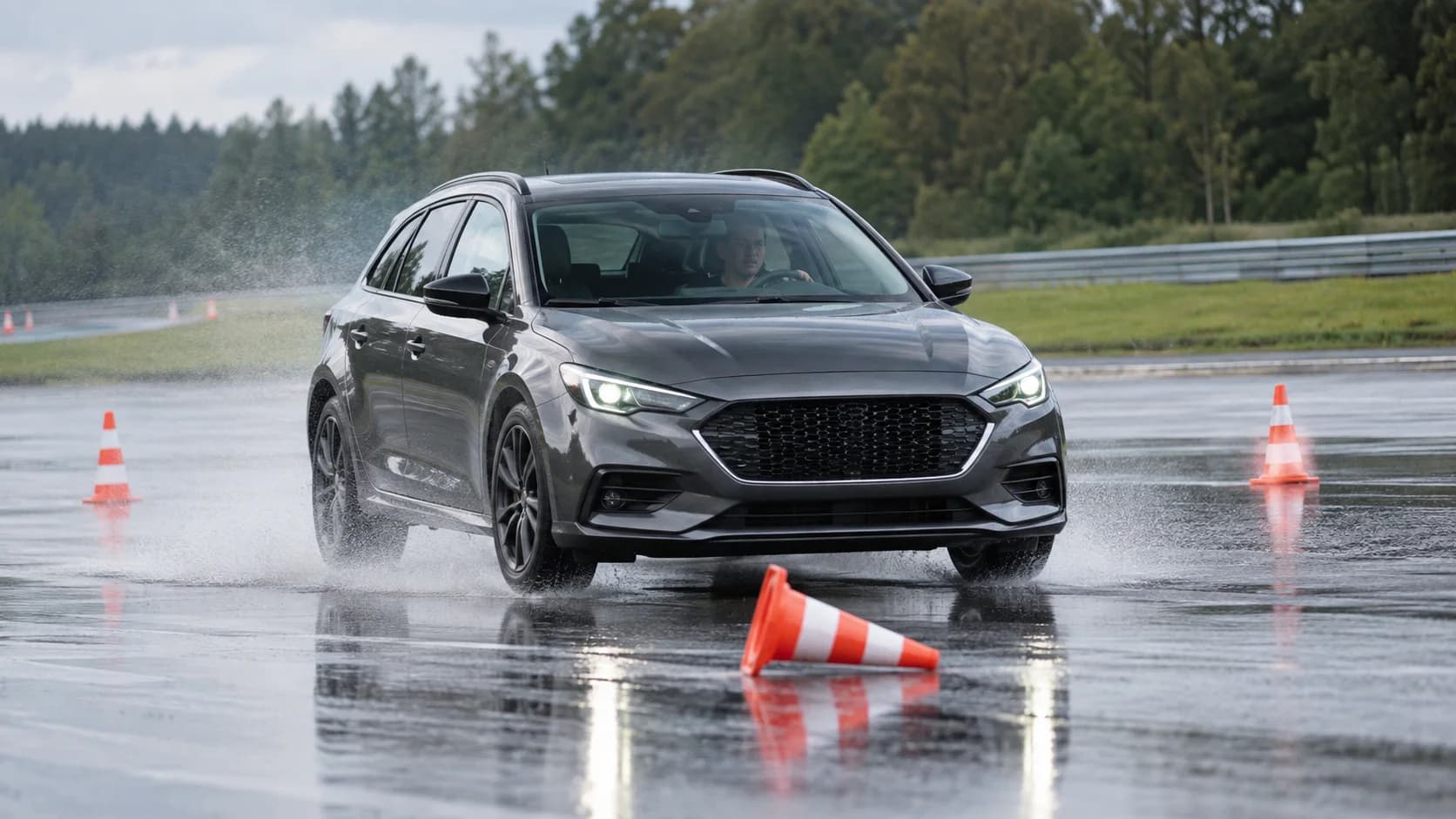
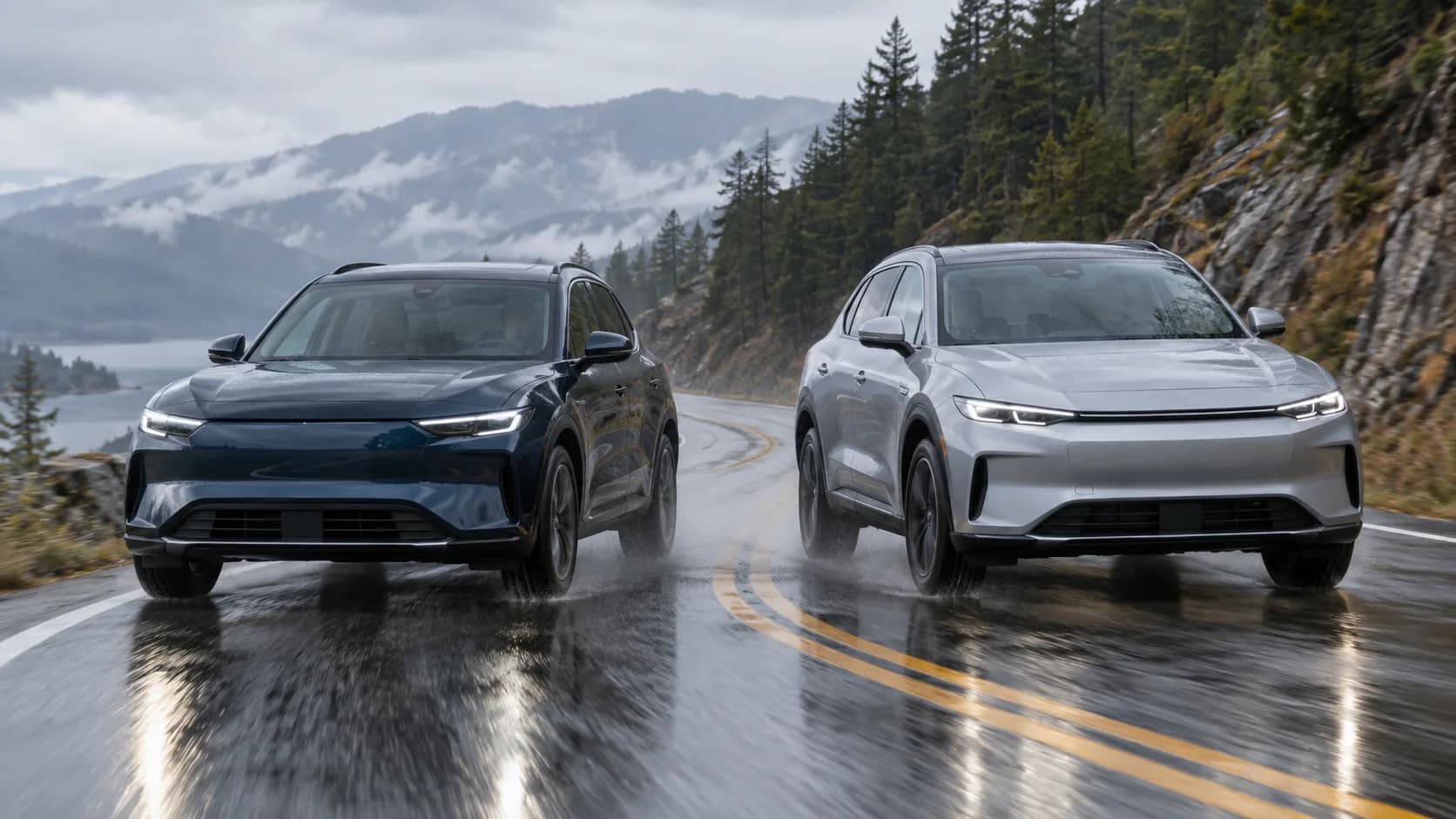
AWD systems distribute power to all four wheels, enhancing traction, particularly on low-grip surfaces such as wet roads, snow, or loose gravel. This improved traction translates to more confident acceleration and greater stability in challenging conditions. The ability to independently control torque delivery to each axle allows for sophisticated traction management, which can improve handling dynamics and driver confidence.
For EVs, the instantaneous torque delivery of electric motors further amplifies the benefits of AWD. Unlike internal combustion engines, electric motors provide maximum torque from zero revolutions per minute, which can overwhelm the traction limits of a FWD system under hard acceleration. AWD mitigates this by distributing the power across four contact patches, reducing wheel spin and improving launch performance. This is particularly noticeable in high-performance EV variants where rapid acceleration is a key attribute.
The EU General Safety Regulation (GSR) mandates certain safety features, and while AWD is not explicitly required, its contribution to active safety through enhanced traction can be significant. Euro NCAP Safety Assist protocols evaluate systems like Electronic Stability Control (ESC), which can leverage AWD capabilities to maintain vehicle control in critical situations. Drivers frequently encountering adverse weather, unpaved roads, or those prioritizing dynamic performance and maximum acceleration will likely find AWD more suitable.
Cost implications
The inclusion of an additional electric motor, inverter, and associated driveline components in an AWD system invariably increases the manufacturing cost of the vehicle. This higher production cost is reflected in a higher retail price for AWD variants compared to their FWD counterparts within the same model line. Buyers should anticipate a notable price difference, which can be a significant factor for budget-conscious consumers.
Beyond the initial purchase price, there can be ongoing cost implications. While not universally true, some AWD systems may exhibit slightly higher tyre wear due to the more complex torque distribution and potential for increased cornering forces. Furthermore, the increased mass and complexity of AWD systems can sometimes lead to higher maintenance costs over the vehicle's lifespan, although modern EV drivetrains are generally designed for minimal maintenance.
The decision between FWD and AWD also influences potential insurance premiums. Insurers may classify AWD vehicles differently due to their higher performance capabilities or perceived increased repair complexity, potentially leading to higher premiums. Buyers should obtain insurance quotes for both FWD and AWD variants to understand the full financial impact.
Driving scenarios and practical limits
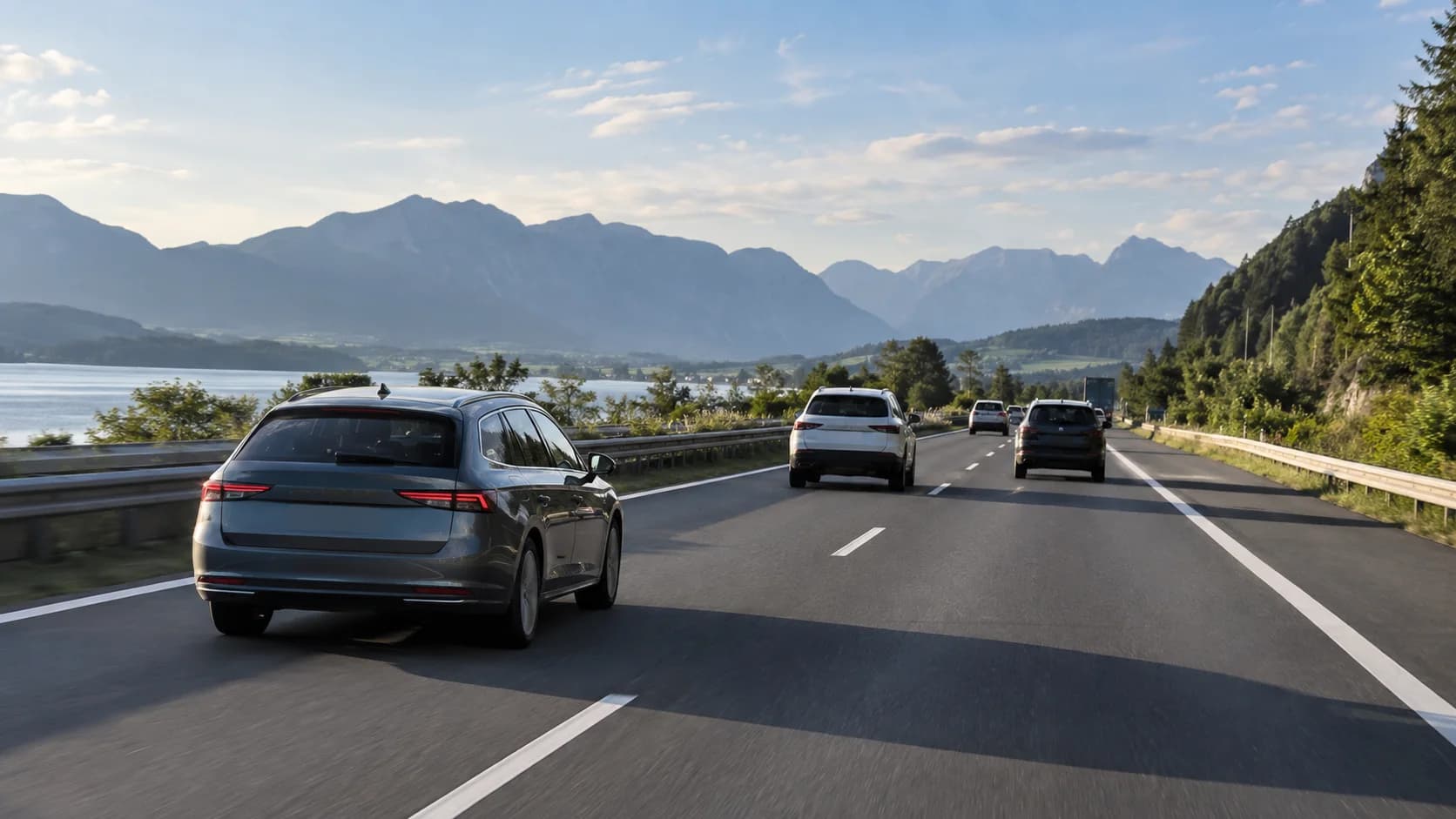
For urban driving and typical European motorway travel, FWD EVs often provide sufficient performance and safety. The vast majority of roads are paved and well-maintained, where the traction benefits of AWD are less frequently utilized. In these scenarios, the efficiency gains and lower cost of FWD can be more appealing. For instance, a daily commute within Paris or a regular journey between Rome and Florence would typically not demand AWD capabilities.
However, in regions prone to heavy snowfall or frequent icy conditions, such as mountainous areas in the Alps or Scandinavian countries during winter, AWD offers a distinct advantage. The enhanced traction can significantly improve safety and confidence when navigating challenging terrain or adverse weather. Similarly, drivers who regularly tow trailers or caravans may find AWD beneficial for stability and pulling power, particularly on inclines or slippery surfaces.
The practical limits of both systems are also important. Even with AWD, an EV's traction is ultimately limited by the grip available from its tyres. Appropriate winter tyres are crucial for safe driving in snow and ice, regardless of the drivetrain configuration. Conversely, while FWD EVs are generally less capable in extreme low-grip situations, modern traction control systems can still provide a reasonable level of performance for most drivers in typical winter conditions, especially when fitted with suitable tyres.
Verifying vehicle capabilities
To understand the specific capabilities and limitations of a particular EV model, prospective buyers should consult the official vehicle documentation. The vehicle's owner's manual provides detailed information on the drivetrain, including recommended driving conditions, towing capacities, and specific instructions for operating the vehicle in various environments.
Official type-approval documents, often accessible through the manufacturer's website or national vehicle registration authorities, will specify the WLTP energy consumption and range figures for both FWD and AWD variants. These documents also detail the vehicle's mass, which directly impacts efficiency.
Furthermore, Euro NCAP safety ratings provide an independent assessment of a vehicle's active and passive safety features. While Euro NCAP does not directly test FWD versus AWD performance, the Safety Assist protocols evaluate the effectiveness of electronic stability control and traction control systems, which are integral to how both FWD and AWD vehicles manage grip. Manufacturers' technical specifications will also list details such as maximum power output, torque distribution, and specific features related to traction management, allowing for a direct comparison of performance attributes.