LFP and NMC battery chemistries each present distinct characteristics for electric vehicles, with neither offering a universal advantage. The optimal choice depends on a driver's priorities regarding cost, energy density, charging speed, and thermal performance.
Understanding LFP and NMC chemistries
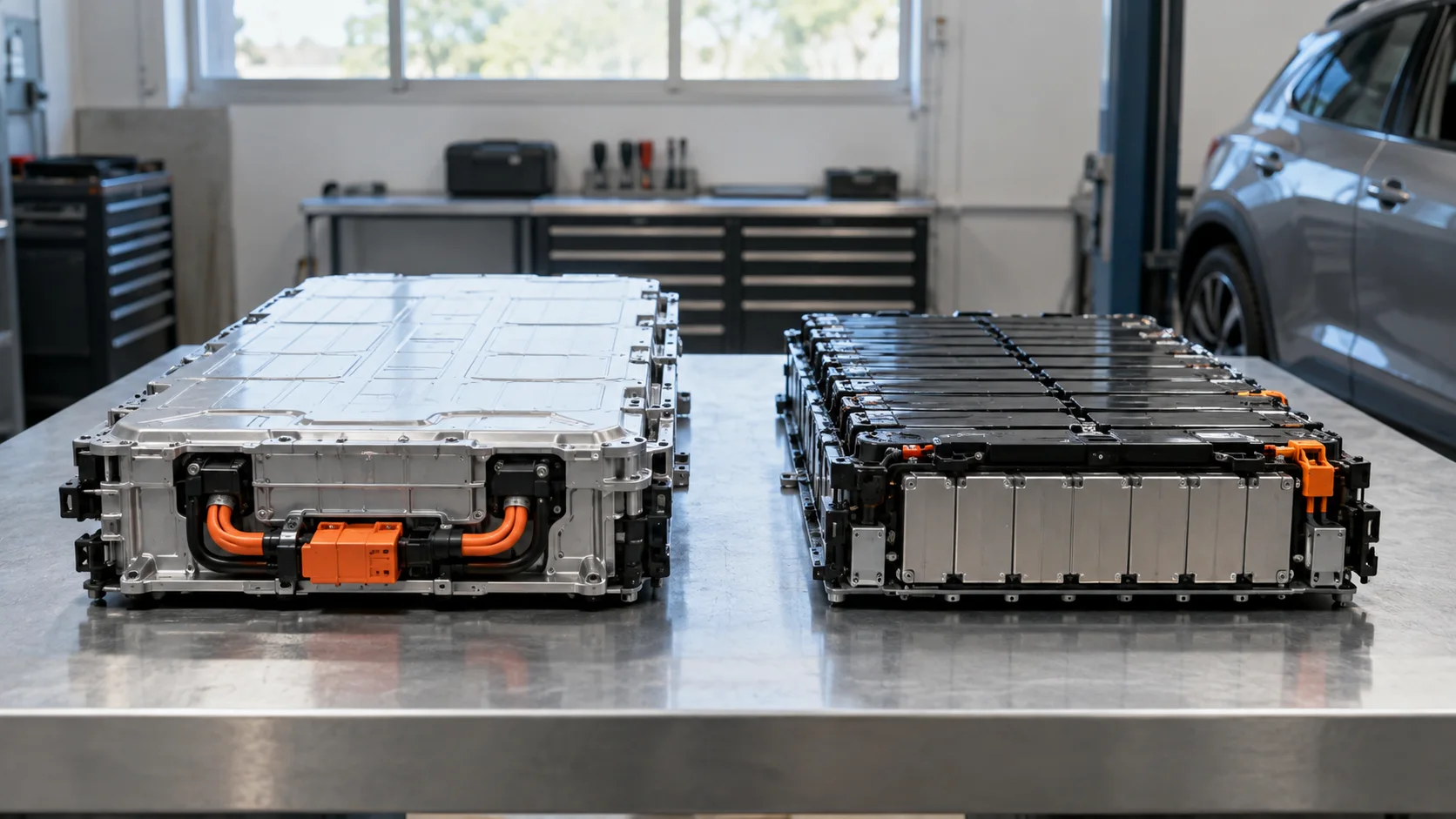
Lithium Iron Phosphate (LFP) batteries utilise iron and phosphate for the cathode, while Nickel Manganese Cobalt (NMC) batteries employ a blend of these three metals. This fundamental difference in material composition leads to variations in their performance attributes. LFP chemistry is generally recognised for its thermal stability and longer cycle life, meaning it can undergo more charge and discharge cycles before significant degradation. However, LFP typically has a lower energy density by mass and volume compared to NMC. This means that for a given battery pack size or weight, an NMC battery can store more energy, potentially translating to a longer driving range or allowing for a smaller, lighter battery pack for the same range.
NMC batteries, while offering higher energy density, can be more susceptible to thermal runaway if not managed effectively. Manufacturers mitigate this through sophisticated Battery Management Systems (BMS) and robust thermal management. The raw materials for NMC, particularly cobalt, are also subject to greater price volatility and ethical sourcing concerns compared to the more abundant iron and phosphate used in LFP.
Energy density and driving range implications
The difference in energy density directly impacts a vehicle's potential driving range. A car equipped with an NMC battery pack of a specific physical size and weight will generally achieve a longer WLTP-certified range than an equivalent car with an LFP pack. This is a critical consideration for drivers who frequently undertake long journeys, such as a hypothetical trip from Brussels to Berlin, where fewer charging stops are desirable.
For urban driving or shorter daily commutes, the higher energy density of NMC might be less critical. An LFP battery, despite its lower energy density, can still provide sufficient range for typical daily use. The EU's WLTP type-approval procedure provides a standardised method for comparing vehicle ranges, but real-world range can vary significantly based on driving style, ambient temperature, terrain, and use of auxiliary systems like heating or air conditioning. Drivers should consult the vehicle's Certificate of Conformity or official manufacturer specifications for the WLTP range.
Charging characteristics and infrastructure compatibility
Both LFP and NMC batteries are compatible with the charging infrastructure defined by the EU Alternative Fuels Infrastructure Regulation (AFIR), which mandates CCS (Combined Charging System) as the standard for DC fast charging. However, their charging characteristics differ. LFP batteries are often tolerant of being charged to 100% capacity regularly without significant degradation, which can simplify charging habits. NMC batteries, while capable of reaching 100%, often experience faster degradation if frequently charged to full capacity, leading manufacturers to recommend charging to 80% or 90% for daily use.
When it comes to DC fast charging, NMC batteries can sometimes sustain higher charging power levels for longer durations, leading to faster charging times from a low state of charge to around 80%. LFP batteries may exhibit a flatter charging curve, meaning they can maintain a relatively consistent charging power up to a higher state of charge, but their peak power might be lower. The actual charging speed achieved depends on the vehicle's maximum charging rate, the charger's output, and the battery's temperature. Drivers should refer to the vehicle manual for specific charging recommendations and expected charging times.
Thermal performance and safety considerations
Thermal stability is a key differentiator. LFP batteries are inherently more thermally stable due to the strong bond between iron and phosphate, making them less prone to thermal runaway events even under extreme conditions. This contributes to their reputation for robustness and safety.
NMC batteries, while having a higher energy density, require more sophisticated thermal management systems to maintain optimal operating temperatures and prevent overheating, especially during fast charging or high-power discharge. Modern electric vehicles, regardless of battery chemistry, incorporate advanced Battery Management Systems (BMS) and cooling circuits to monitor and regulate battery temperature, ensuring safe operation. The EU General Safety Regulation (GSR) mandates stringent safety requirements for all vehicles, including those pertaining to battery integrity and crashworthiness. Euro NCAP Safety Assist protocols also evaluate systems that contribute to overall vehicle safety, indirectly benefiting battery protection.
Cost and environmental impact
LFP batteries generally have a lower manufacturing cost due to the abundance and lower cost of iron and phosphate compared to nickel and cobalt. This cost advantage can translate into more affordable electric vehicles or allow manufacturers to offer larger battery packs at a competitive price point. The reduced reliance on cobalt also addresses ethical sourcing concerns and supply chain volatility associated with this material.
NMC batteries, despite their higher material costs, offer performance advantages that some consumers are willing to pay for. The environmental impact of both chemistries is a complex issue, encompassing mining, manufacturing, and end-of-life recycling. Both LFP and NMC batteries are subject to recycling efforts to recover valuable materials, although the specific processes and economic viability differ. The long-term environmental footprint of each chemistry is an ongoing area of research and development.
Practical scenarios for each chemistry
For drivers prioritising upfront cost, long battery lifespan, and robust safety characteristics, an LFP battery might be the more suitable choice. This is particularly true for those with predictable daily commutes and access to regular home or workplace charging, where the lower energy density is not a significant limitation. The ability to regularly charge to 100% without concern for long-term degradation simplifies battery management for the user.
Conversely, drivers who frequently undertake long-distance journeys, require the maximum possible range from a given battery size, or prioritise faster DC fast charging speeds might find an NMC battery more advantageous. The higher energy density of NMC allows for greater range, potentially reducing the frequency of charging stops on extended trips. For these users, the slightly higher cost and the need for more mindful charging habits (e.g., avoiding frequent 100% charges) might be acceptable trade-offs for the enhanced performance. Ultimately, the decision hinges on individual driving patterns, budget, and performance expectations.