The choice between a manual and an automatic gearbox influences driving experience, fuel consumption, and vehicle cost. Each transmission type offers distinct advantages depending on driving conditions and driver preference.
Understanding manual transmissions
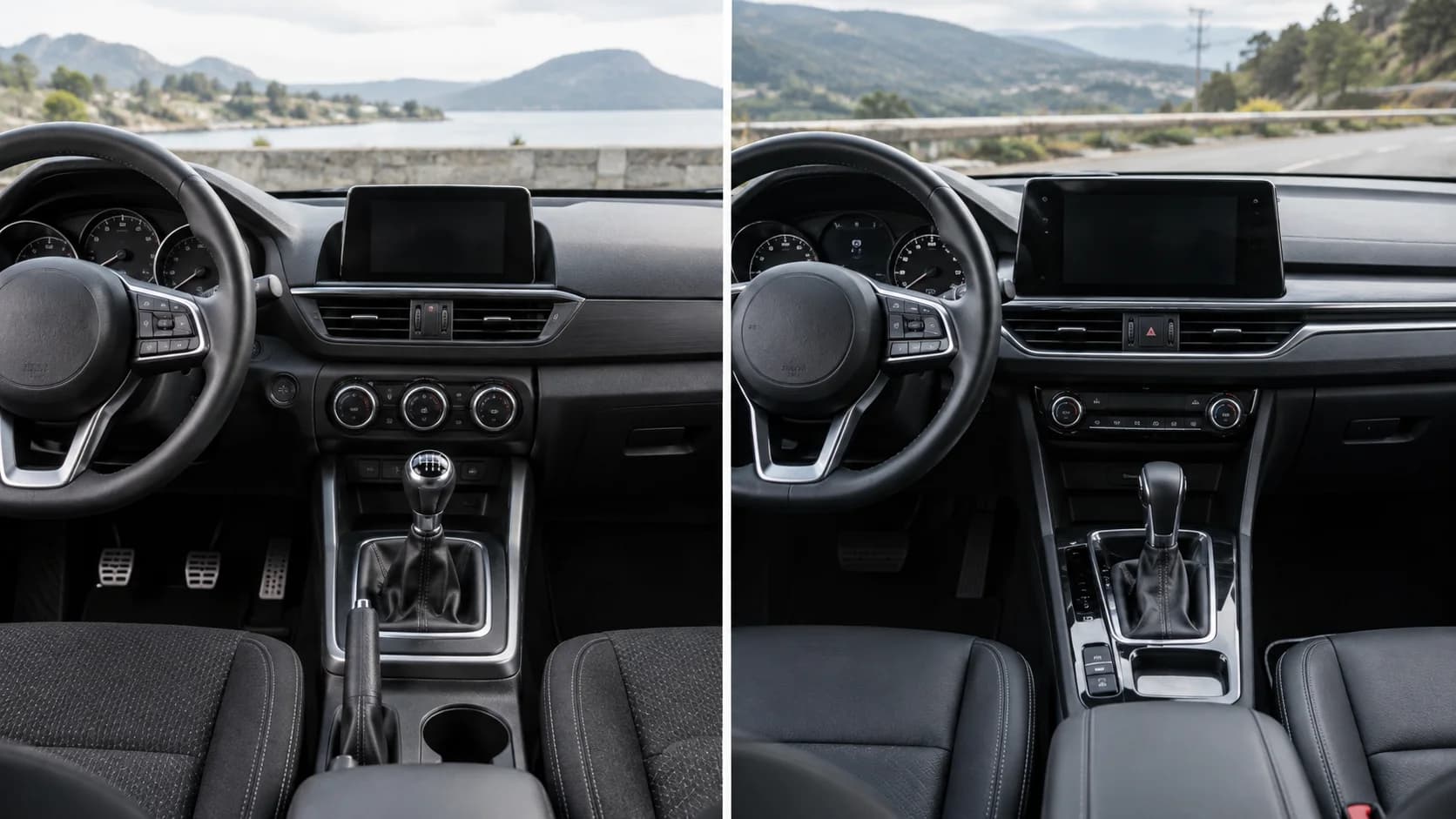
A manual gearbox requires the driver to select gears using a gear lever and operate a clutch pedal to disengage and engage the engine from the transmission. This direct mechanical connection offers a sense of control for some drivers. The driver's skill in selecting the appropriate gear and modulating the clutch can influence acceleration and fuel efficiency.
Historically, manual transmissions were often lighter and less complex than early automatic systems, potentially contributing to lower manufacturing costs and, in some cases, marginally better fuel economy in official laboratory tests. However, modern automatic transmissions have narrowed this gap significantly.
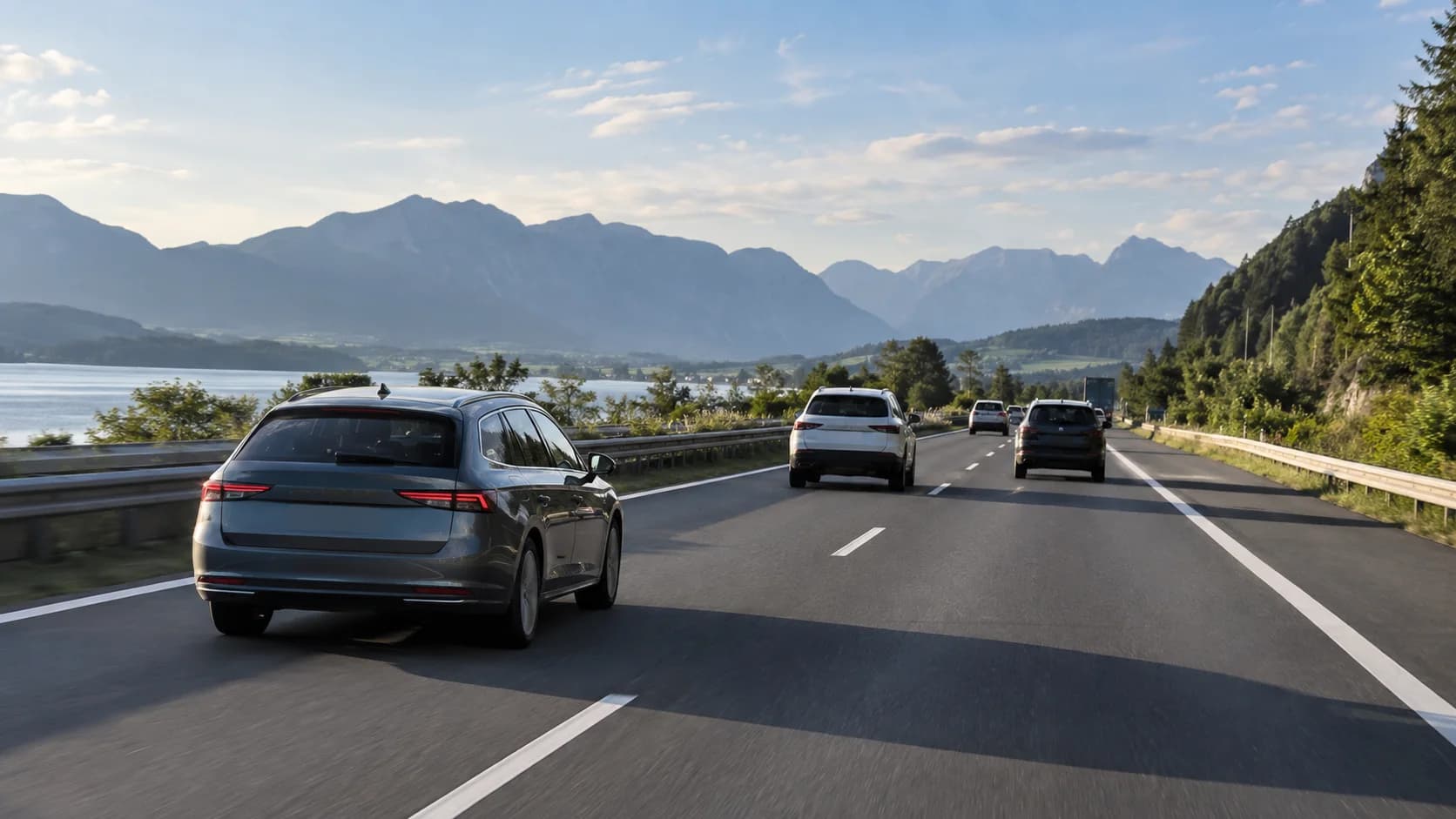
For a hypothetical cross-border journey, such as from Brussels to Lyon, a manual gearbox demands continuous driver engagement. Navigating varied terrain, from urban traffic in Brussels to motorways and potentially winding roads in the French countryside, requires frequent gear changes. In heavy traffic, repeated clutch operation can lead to driver fatigue.
Understanding automatic transmissions
Automatic transmissions manage gear selection without driver intervention, eliminating the clutch pedal. Modern automatic systems include traditional torque-converter automatics, continuously variable transmissions (CVTs), and dual-clutch transmissions (DCTs). Each operates differently but shares the goal of automating gear changes.
Torque-converter automatics use a fluid coupling to transmit power, offering smooth transitions. CVTs provide a continuous range of gear ratios, aiming for optimal engine efficiency. DCTs use two separate clutches, one for odd gears and one for even, allowing for very rapid shifts.
The primary benefit of an automatic gearbox is convenience, particularly in stop-and-go traffic. On a journey from Brussels to Lyon, an automatic transmission would reduce driver effort in urban areas and during motorway congestion. The system selects gears to maintain momentum and efficiency, potentially reducing driver stress over long distances.
Fuel consumption and emissions
Official fuel consumption and CO2 emissions figures are determined through the Worldwide Harmonized Light Vehicles Test Procedure (WLTP). This laboratory test cycle is designed to represent real-world driving conditions more accurately than previous standards. Vehicle manufacturers publish WLTP figures for both manual and automatic versions of the same model.
It is important to consult these official figures, as the difference in fuel consumption between manual and automatic transmissions can vary by vehicle model and transmission type. Some modern automatic transmissions, particularly advanced DCTs and CVTs, can achieve comparable or even superior WLTP fuel economy figures compared to their manual counterparts due to precise electronic control and optimised gear ratios. This is because the transmission control unit can consistently select the most efficient gear ratio, whereas a human driver's gear selection may be less consistent.
Real-world fuel consumption can deviate from WLTP figures due to driving style, traffic conditions, road topography, and ambient temperature. A driver with a smooth, anticipatory style in a manual car might achieve better results than an aggressive driver in an automatic, and vice-versa.
Performance and driving experience
Manual transmissions offer a direct connection to the vehicle's mechanics, which some drivers prefer for sporty driving. The ability to choose a specific gear and hold it, for instance, when approaching a corner or descending a steep gradient, provides a sense of control.
Automatic transmissions, especially DCTs, can offer very fast gear changes, contributing to strong acceleration figures. Many automatic systems also include a "sport" mode or paddle shifters, allowing the driver to manually select gears when desired, blending convenience with some degree of driver involvement.
For a driver prioritising engagement and direct control, a manual gearbox might be preferable. For those who value smooth, effortless progress and convenience, particularly in urban environments or during long motorway journeys, an automatic transmission is often the better choice.
Cost and maintenance
Generally, vehicles equipped with automatic transmissions have a higher purchase price than their manual counterparts. This is due to the increased complexity of the automatic gearbox components and associated electronic control systems.
Maintenance costs can also differ. Manual gearboxes typically require clutch replacement at some point in the vehicle's life, a wear item dependent on driving style. Automatic transmissions, while not having a clutch in the same way, may require fluid changes and can be more expensive to repair if a major fault occurs due to their complexity.
Buyers should consult the vehicle's service schedule in the owner's manual for specific maintenance requirements and intervals for both transmission types.
Safety and driver assistance systems
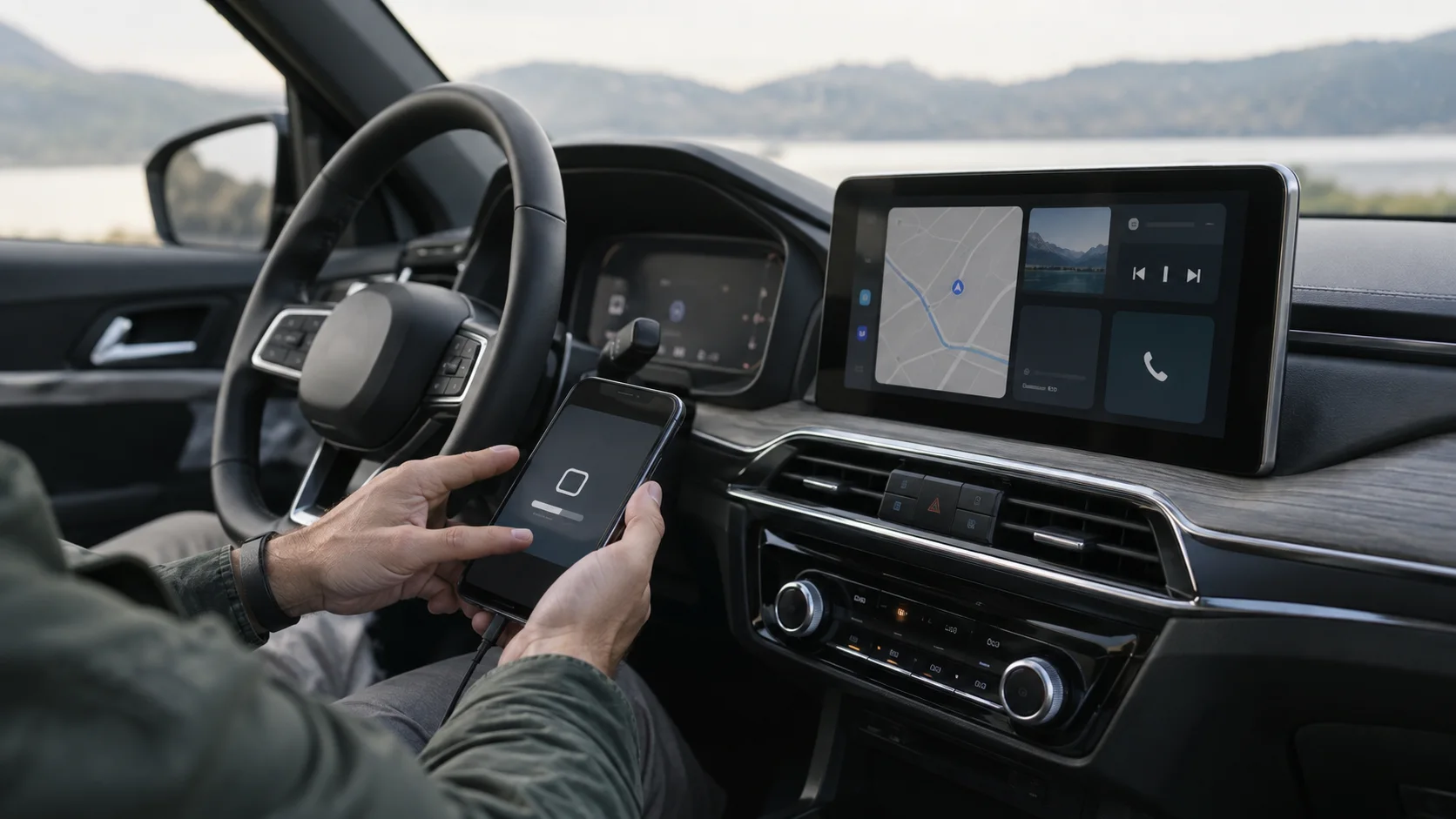
The EU General Safety Regulation mandates certain advanced driver assistance systems (ADAS) in new vehicles. Many of these systems, such as Adaptive Cruise Control (ACC) and Lane Keeping Assist (LKA), are designed to work seamlessly with automatic transmissions.
For example, ACC systems in automatic vehicles can typically bring the vehicle to a complete stop and resume driving in traffic, a feature often referred to as "stop-and-go" functionality. In manual vehicles, ACC systems may require driver intervention (clutch and brake) to prevent stalling when coming to a stop, and may not automatically resume.
Euro NCAP safety assist protocols evaluate the performance of these systems. When considering a vehicle with ADAS, it is important to verify the full functionality of these systems with the chosen transmission type. The vehicle's owner's manual or official product documentation will specify any limitations or differences in ADAS functionality between manual and automatic versions.
Compatibility with alternative fuels and infrastructure
The EU Alternative Fuels Infrastructure Regulation (AFIR) aims to expand the availability of charging and refuelling points for alternative fuels. While AFIR focuses on infrastructure, the choice of transmission can indirectly affect the suitability of certain powertrains.
Battery electric vehicles (BEVs) and most hybrid electric vehicles (HEVs) typically use automatic transmissions or single-speed reducers, as electric motors deliver torque differently from internal combustion engines. For drivers considering a transition to an electrified vehicle, an automatic-like driving experience is generally inherent.
For internal combustion engine vehicles, the transmission choice remains relevant. However, the transmission type itself does not directly impact compatibility with different fuel types (petrol, diesel, LPG, CNG) or their respective refuelling infrastructure.
Making the decision
The optimal transmission choice depends on individual priorities. For drivers who seek maximum engagement, direct control, and potentially a lower purchase price, a manual gearbox can be appealing. This might be particularly true for those who frequently drive on open roads with varied topography and enjoy the process of gear selection.
For drivers prioritising convenience, comfort in traffic, and seamless integration with advanced driver assistance systems, an automatic transmission is often the preferred option. This is especially relevant for urban driving, frequent long-distance journeys, or for drivers who simply prefer to focus less on gear changes.
Before making a decision, prospective buyers should test drive both manual and automatic versions of their chosen vehicle model. Consulting the official WLTP figures for fuel consumption and CO2 emissions, along with the vehicle's owner's manual for details on ADAS functionality and maintenance, will provide a comprehensive basis for an informed choice.