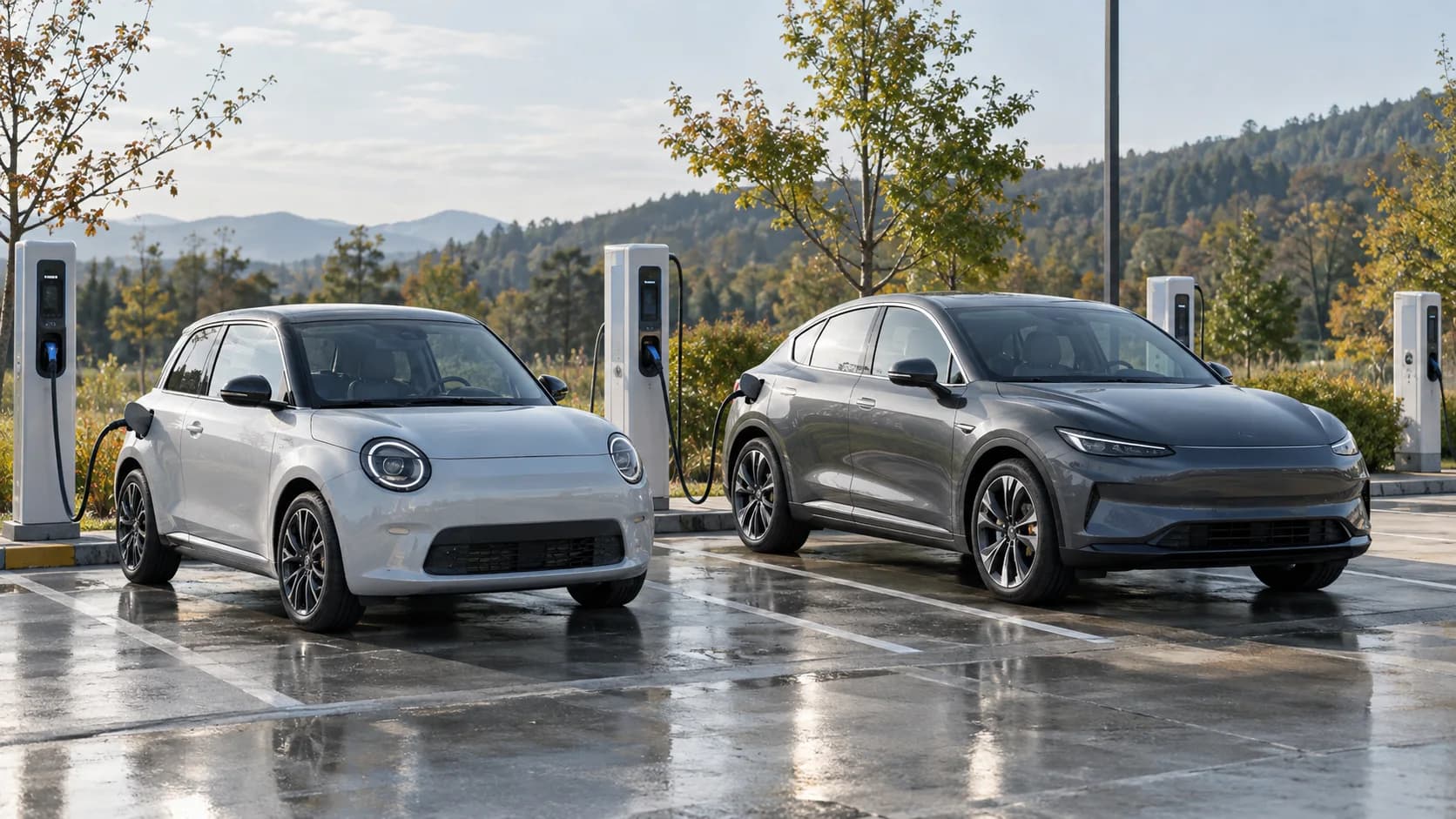
Choosing between a small-battery and a large-battery electric car depends on individual use patterns and priorities. Each offers distinct advantages and disadvantages concerning cost, utility, and environmental impact.
Battery capacity and vehicle mass
A larger battery pack inherently increases a vehicle's mass. For example, a 70 kWh battery can add hundreds of kilograms compared to a 40 kWh unit in a similar vehicle platform. This additional mass influences several aspects of vehicle performance and safety.
Under the EU WLTP type-approval procedure, a heavier vehicle typically records higher energy consumption figures. This is due to the increased energy required for acceleration and overcoming rolling resistance. Consequently, a larger battery, while offering a greater theoretical range, may not deliver a proportionally longer real-world range if the vehicle's efficiency is significantly compromised by its mass.
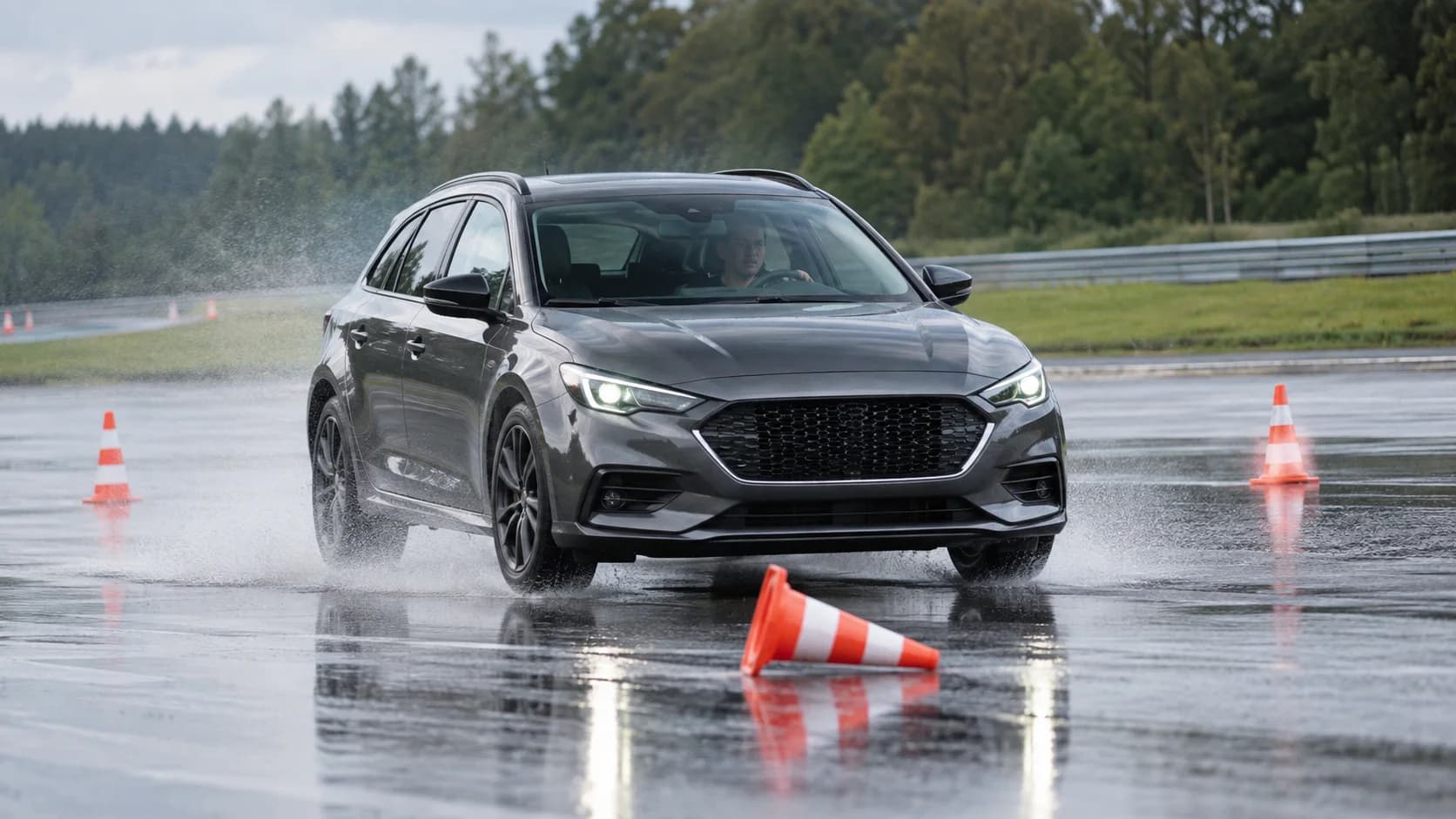
Vehicle mass also affects dynamic performance and safety. The EU General Safety Regulation (GSR) mandates specific safety features, but the physics of a heavier vehicle in a collision are different. Euro NCAP Safety Assist protocols evaluate systems designed to prevent or mitigate collisions, but the kinetic energy involved in a crash increases with mass. A heavier vehicle may require more robust braking systems and chassis components to maintain comparable safety margins.
Driving range and charging frequency
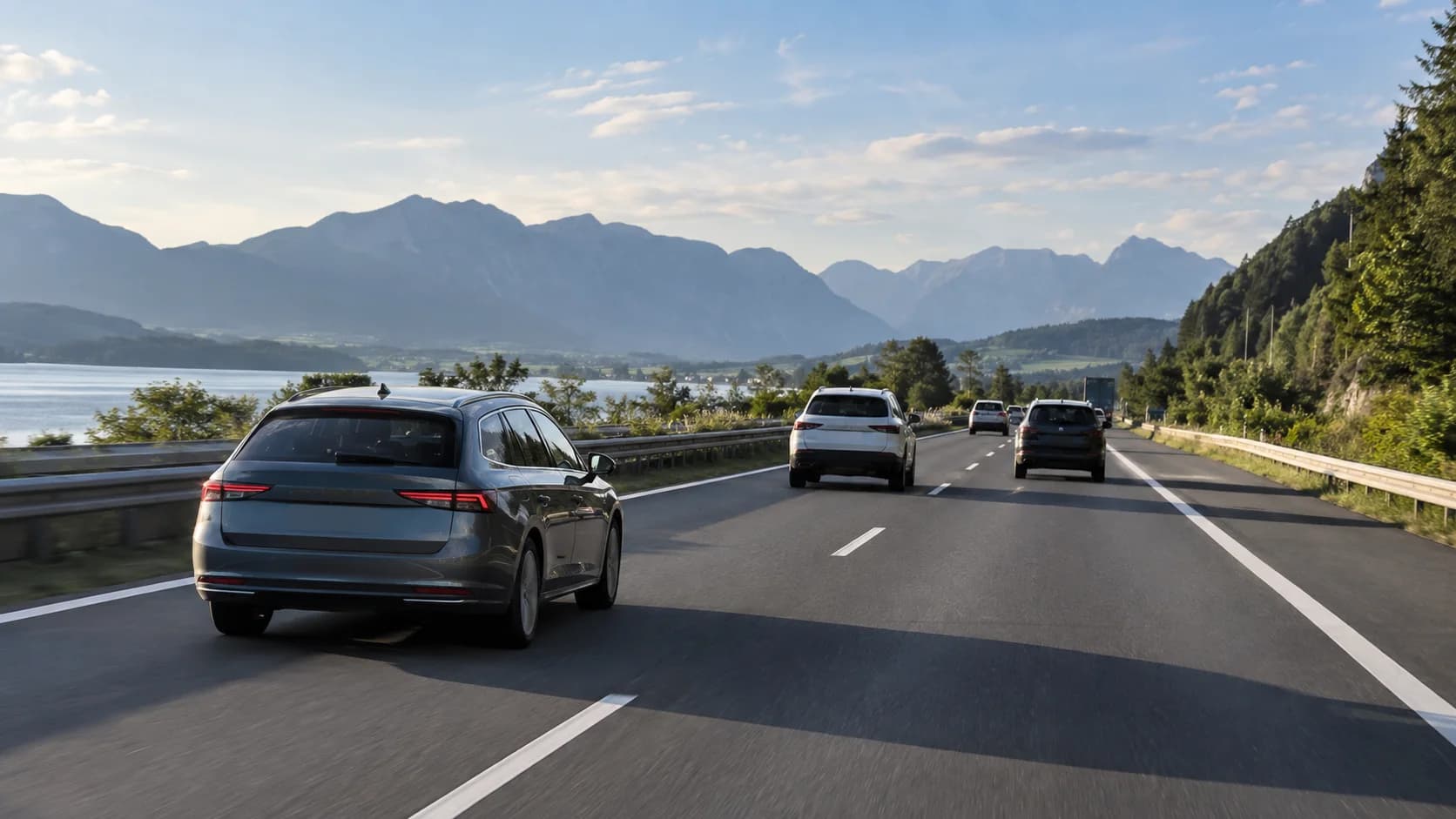
The primary advantage of a larger battery is an extended driving range. A vehicle with a 70 kWh battery will generally travel further on a single charge than one with a 40 kWh battery, assuming similar efficiency. This can be beneficial for drivers undertaking long journeys, such as a hypothetical 800 km trip from Brussels to Munich. With a larger battery, fewer charging stops might be necessary, potentially reducing overall travel time.
Conversely, a smaller battery necessitates more frequent charging. For daily commutes or local errands, where the total distance covered is well within the smaller battery's range, this might not be an issue. However, for longer trips, the need for more frequent stops can extend travel time.
The real-world range achieved by any electric vehicle can vary significantly from official WLTP figures. Factors such as ambient temperature, driving style, terrain, and the use of auxiliary systems like heating or air conditioning all impact actual consumption. Drivers should consult their vehicle's manual for manufacturer-specific guidance on range estimation under various conditions.
Charging infrastructure and speed
The EU Alternative Fuels Infrastructure Regulation (AFIR) aims to ensure a sufficient and user-friendly public charging network across Europe. However, the speed and availability of charging points can still influence the practicality of different battery sizes.
A smaller battery typically charges faster to a given state of charge (e.g., 80%) than a larger battery when connected to the same power output charger. This is because there are fewer kilowatt-hours to transfer. For instance, a 40 kWh battery might reach 80% in 30 minutes on a 100 kW DC fast charger, while a 70 kWh battery would require significantly longer to reach the same percentage, or even longer to add the same number of kilowatt-hours.
Drivers of small-battery vehicles might find it easier to "top up" their charge during short stops, such as while grocery shopping or at a gym. Drivers of large-battery vehicles, while needing fewer stops, will spend more time at each fast-charging session to replenish a substantial portion of their capacity.
The maximum charging rate a vehicle can accept is specified by the manufacturer and detailed in the vehicle manual. It is crucial to verify this information, as connecting to a charger with a higher power output than the vehicle can accept will not result in faster charging.
Purchase cost and environmental footprint
Generally, a larger battery pack contributes significantly to the overall purchase price of an electric vehicle. The raw materials, manufacturing processes, and complexity of larger battery systems are more expensive. Therefore, a small-battery electric car typically has a lower upfront cost, making it a more accessible option for some buyers.
From an environmental perspective, the production of larger batteries requires more raw materials and energy. This results in a higher embedded carbon footprint for the vehicle before it even travels its first kilometre. While electric vehicles produce no tailpipe emissions, the environmental impact of battery manufacturing is a consideration.
However, over the vehicle's lifespan, the relative environmental impact shifts. A more efficient small-battery vehicle might consume less energy per kilometre, potentially offsetting some of the manufacturing impact over time, especially if charged using renewable energy sources.
Scenarios for optimal choice
A small-battery electric car is often preferable for drivers who:
- Primarily use their vehicle for daily commutes and local travel, rarely exceeding 150-200 km per day.
- Have consistent access to home or workplace charging, allowing for overnight or regular top-ups.
- Prioritise a lower purchase price and potentially lower insurance costs.
- Value quicker charging times when using public fast chargers for occasional longer trips.
A large-battery electric car is generally better suited for drivers who:
- Frequently undertake long-distance journeys, such as cross-border trips or regular travel exceeding 300 km.
- Have limited access to charging during the day and rely on fewer, longer charging sessions.
- Are willing to pay a higher upfront cost for extended range and reduced charging anxiety.
- Require the flexibility to drive long distances without frequent stops.
Ultimately, the optimal choice depends on a thorough assessment of individual driving habits, charging opportunities, and budget constraints. Consulting the vehicle's official WLTP consumption figures and understanding its maximum charging rate, as detailed in the manufacturer's documentation, are key steps in making an informed decision.