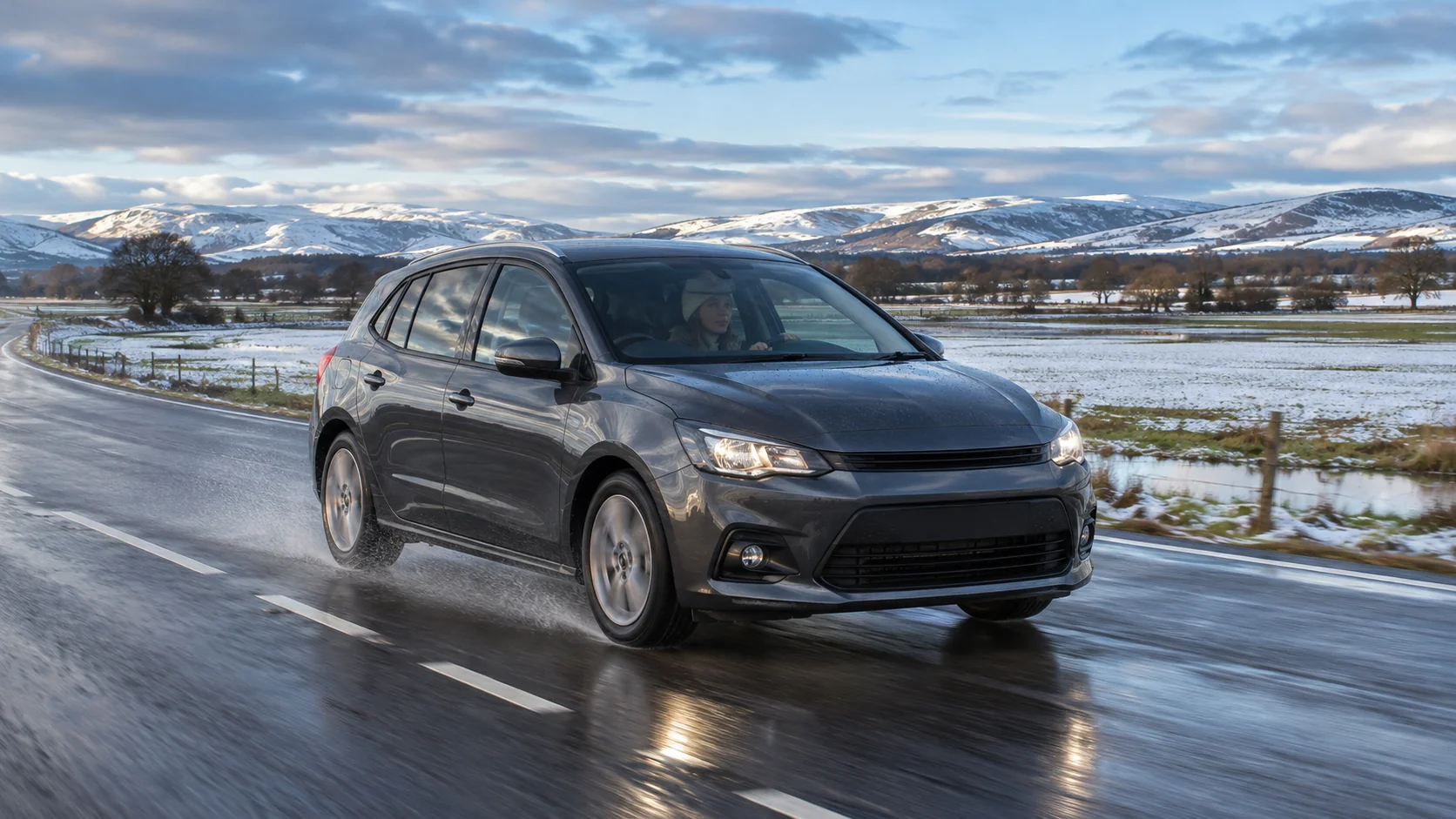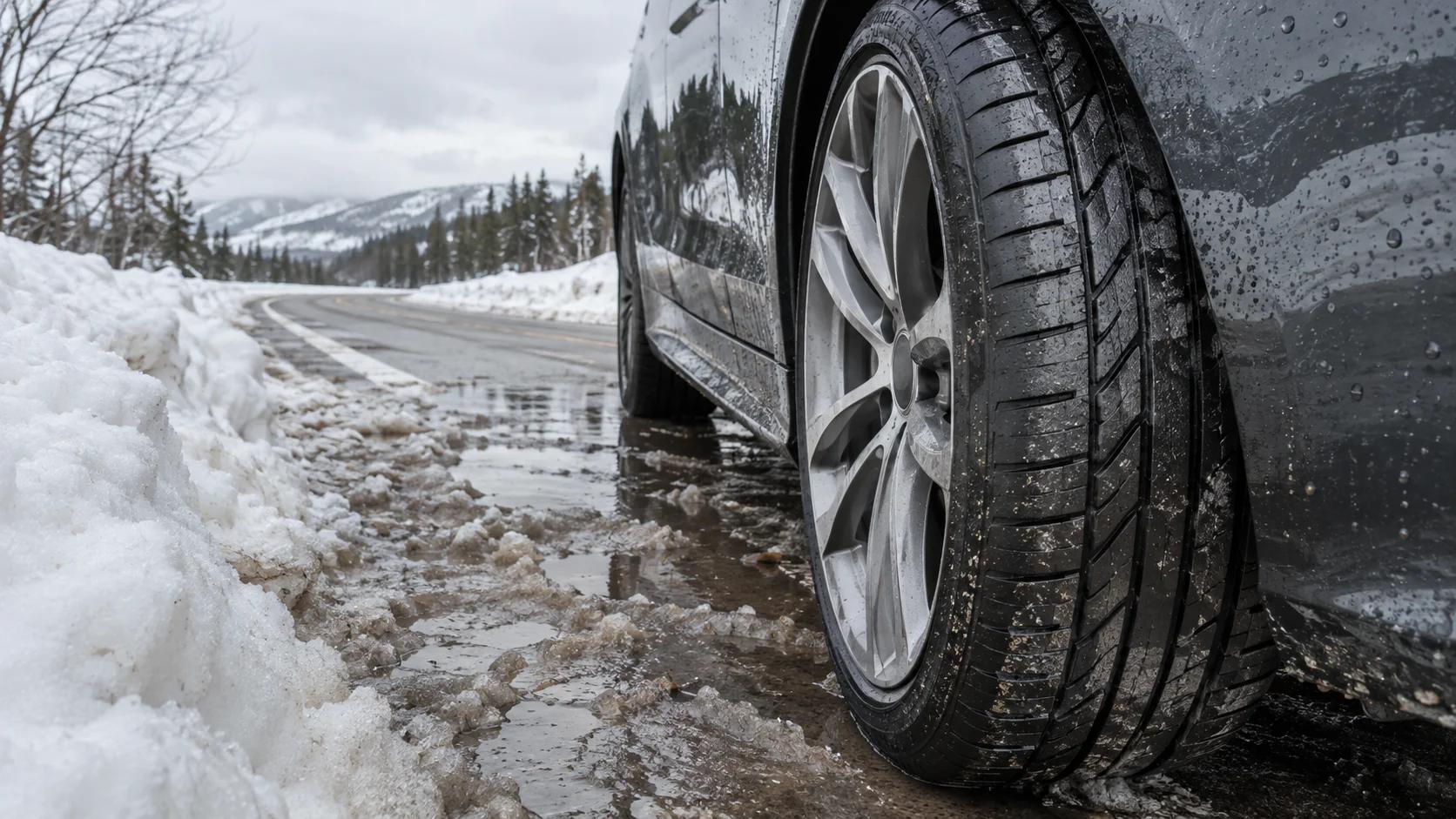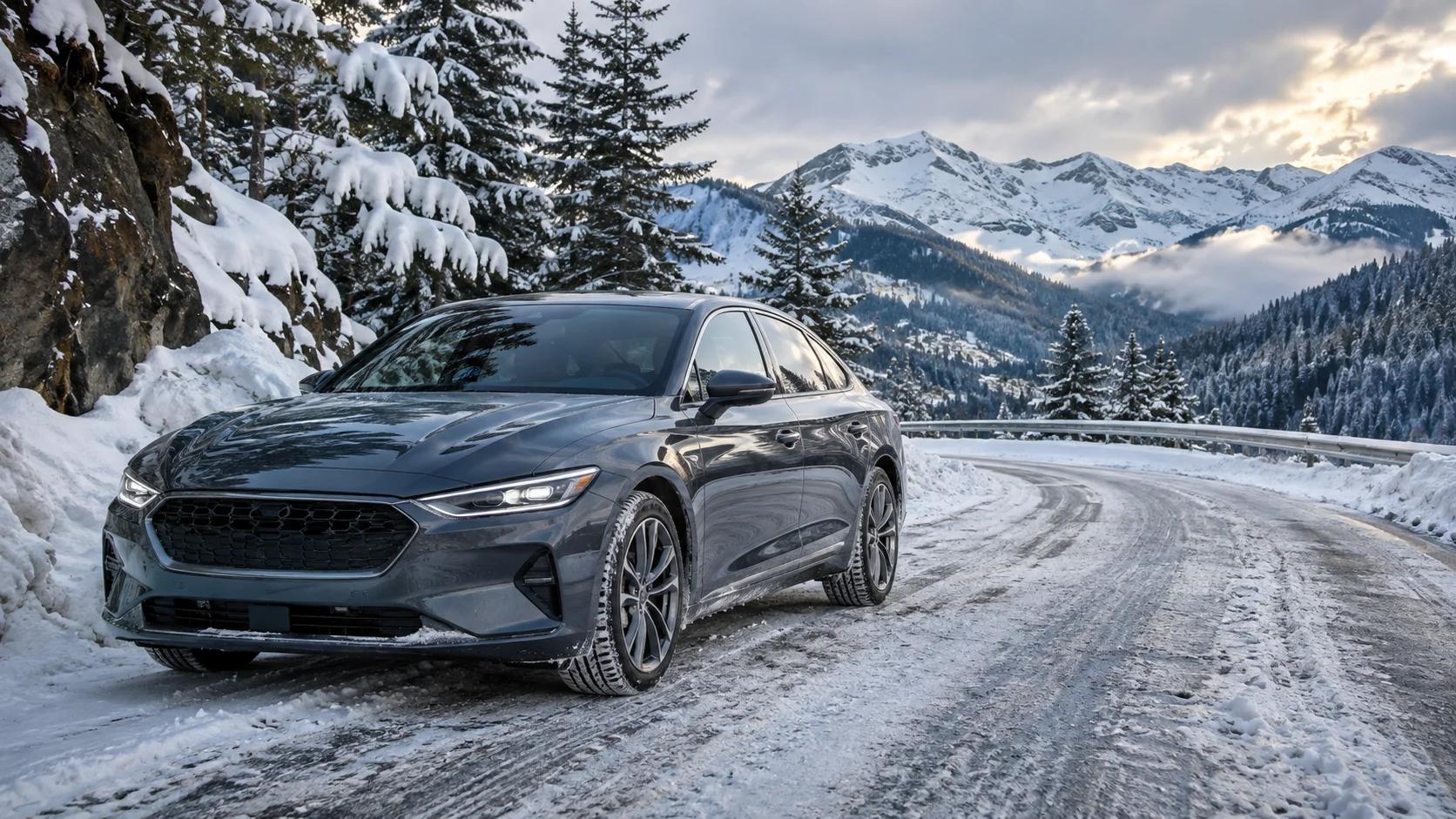
If winter travel routinely includes mountain roads, a dedicated winter tyre is usually the more appropriate seasonal choice. The hardest part of the trip may be an untreated climb, a shaded bend or a descent after fresh snow.
Michelin advises separate summer and winter tyres for mountain regions exposed to severe winter conditions for several months. The reason is the frequency and severity of the conditions, not simply the altitude on a map. A lowland driver who occasionally visits a ski area can also encounter a road where a mild-weather all-season choice offers little margin.
The Alpine snow symbol shows that a tyre meets a minimum measured snow-grip requirement. It is not a promise that it will match a strong winter tyre. ADAC's 2026 all-season test in 185/65 R15 found five models with major winter weaknesses even though they carried that symbol. Conversely, a strong all-season model can perform well in moderate snow; the category alone is too broad for a blanket ranking.
Before a mountain trip, check the route's expected conditions, tyre size and independent test results. Check whether local rules require winter tyres, chains or other equipment. If the route is often icy or uncleared, choose winter tyres with good results for snow and wet braking, and fit summer tyres for the warmer part of the year.
Sources: Michelin climate guidance; ADAC 2026 all-season test; European Commission Alpine marking guidance.