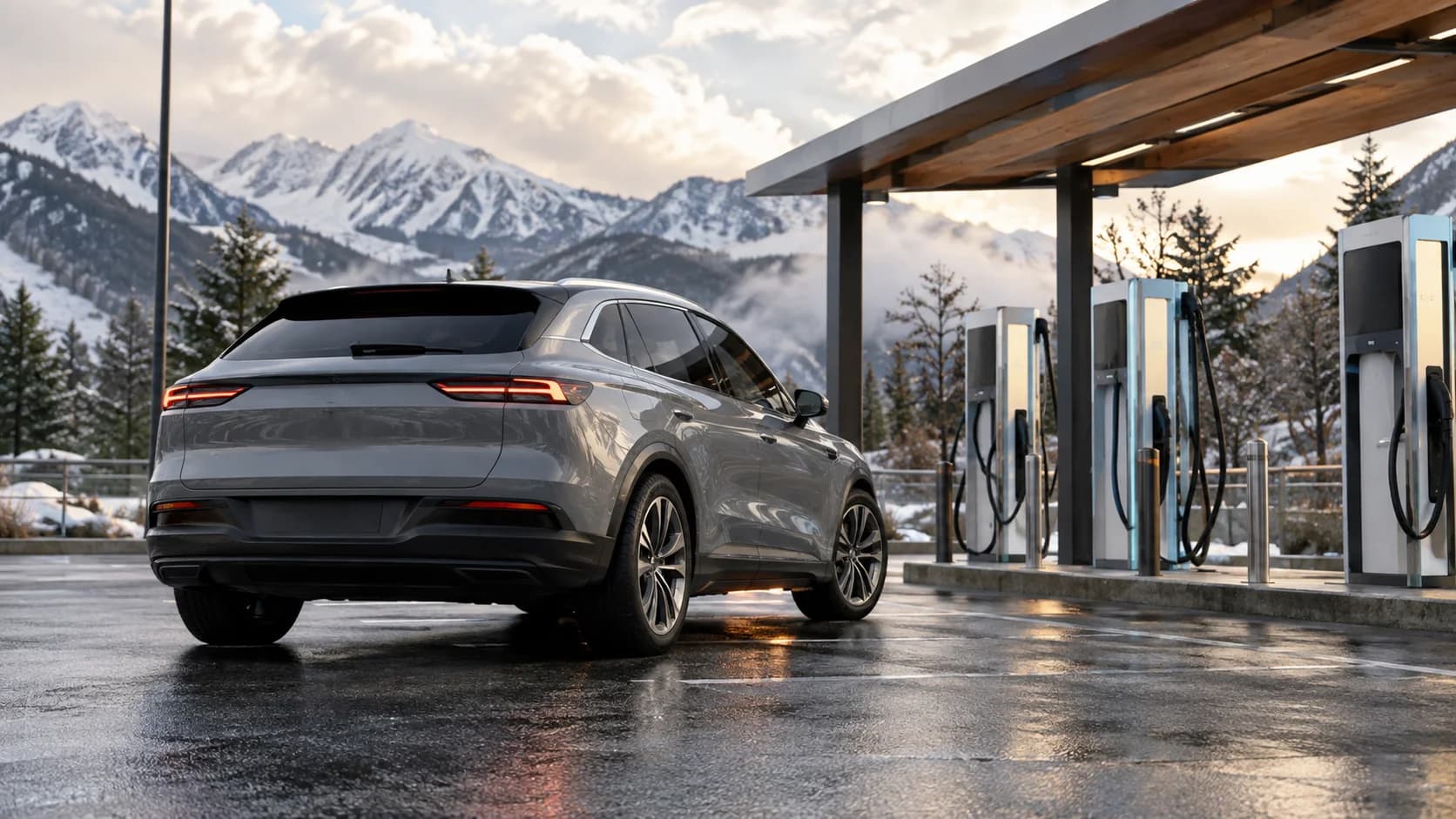
Battery preconditioning optimises an electric vehicle's battery temperature for rapid charging, mitigating degradation and reducing charging times. This process ensures the battery operates within its most efficient thermal window, protecting its long-term health.
The physics of battery temperature and charging
Lithium-ion batteries, common in electric vehicles, rely on the movement of ions between electrodes. This electrochemical process is temperature-sensitive. At lower temperatures, the electrolyte becomes more viscous, impeding ion mobility and increasing internal resistance. This resistance generates heat during charging, which, if uncontrolled, can lead to localised hot spots and accelerate degradation mechanisms such as lithium plating. Conversely, excessively high temperatures can also degrade battery components and reduce overall lifespan.
Rapid charging, by definition, involves high power transfer. To accept this power efficiently and safely, the battery needs to be within a specific temperature range, typically between 20°C and 35°C, though optimal ranges can vary by battery chemistry and manufacturer. Outside this range, the battery management system (BMS) will limit the charging power to prevent damage, extending the time required to reach a desired state of charge. This protective measure is a fundamental aspect of battery longevity.
How preconditioning works in practice
Preconditioning involves actively heating or cooling the battery pack to its optimal temperature before connecting to a rapid charger. Modern electric vehicles achieve this through their thermal management systems, which typically integrate a heat pump or resistive heaters and a liquid cooling circuit.
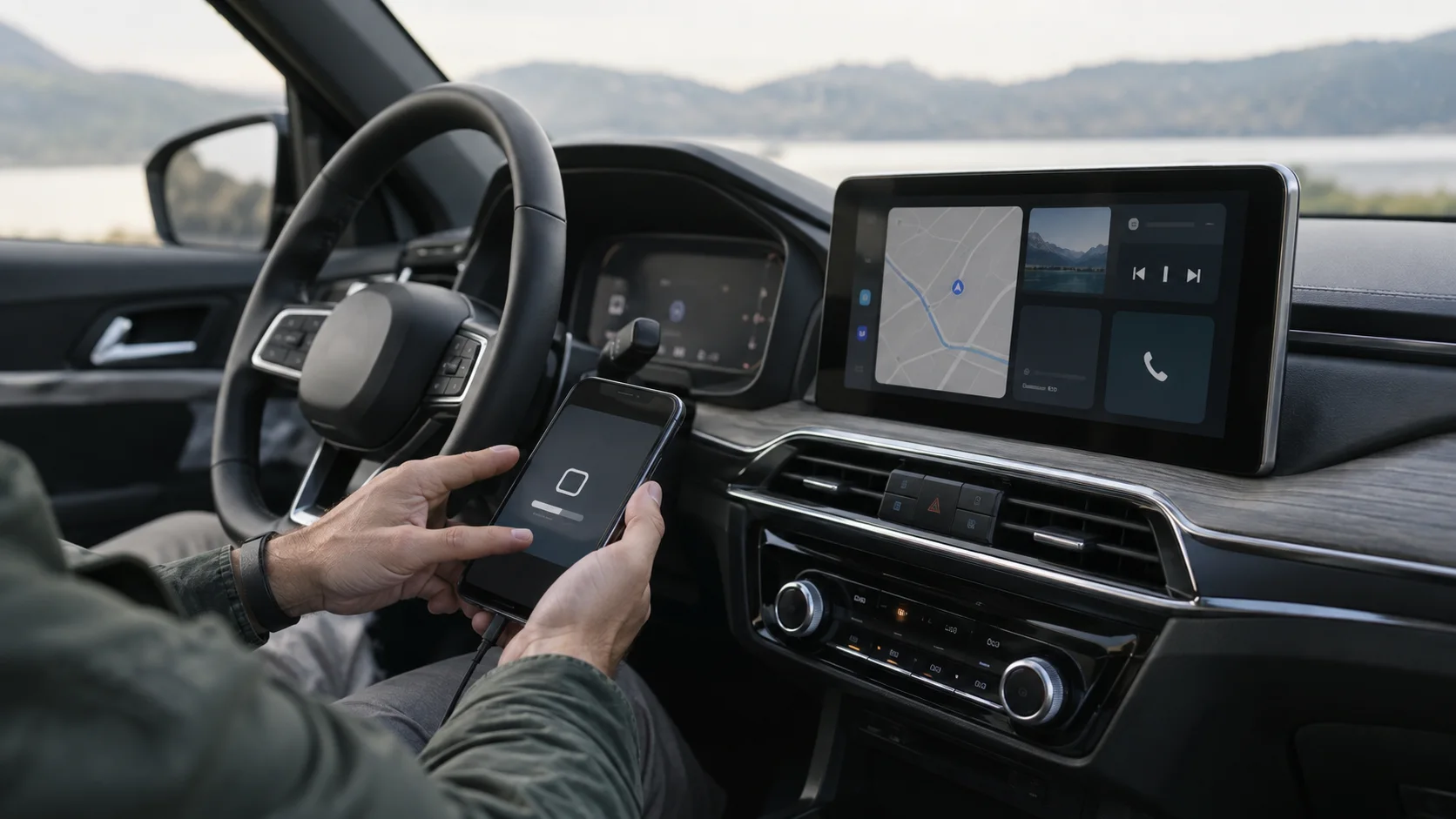
When a driver navigates to a rapid charging station using the vehicle's integrated navigation system, the car's software can anticipate the need for preconditioning. It then activates the thermal management system to bring the battery to the optimal temperature. This process consumes energy from the battery itself, meaning a small portion of the available range is used to prepare for charging. The duration and energy consumption of preconditioning depend on the initial battery temperature, the target temperature, and ambient conditions. For instance, preconditioning a battery from 0°C to 25°C in winter will require more energy and time than from 15°C to 25°C in milder conditions.
Some vehicles offer manual preconditioning activation, while others rely solely on navigation-based triggers. The effectiveness of preconditioning is directly linked to the vehicle's ability to accurately predict charging needs and its thermal management system's power.
Impact on charging speed and battery longevity
The primary benefit of preconditioning is a faster charging experience. When the battery is at its optimal temperature, it can accept the maximum power offered by the rapid charger without the BMS throttling the input. This can significantly reduce the time spent charging, particularly for larger battery packs or when aiming for a high state of charge. For example, on a cross-border journey from Munich to Milan, where rapid charging stops are essential, preconditioning can mean the difference between a 25-minute and a 40-minute stop to regain sufficient range.
Beyond speed, preconditioning plays a crucial role in battery longevity. Repeated rapid charging of a cold battery can lead to accelerated degradation due to increased internal resistance and potential lithium plating. Lithium plating, where metallic lithium deposits on the anode, reduces the battery's capacity and can pose safety risks. By ensuring the battery is within its optimal temperature window, preconditioning minimises these stress factors, helping to maintain the battery's performance and extend its useful life, aligning with the durability requirements outlined in UNECE Global Technical Regulation No. 22.
Verifying preconditioning capability
Not all electric vehicles offer preconditioning, or they may implement it differently. Buyers and drivers can verify this capability through several official channels. The vehicle's owner's manual is the primary source of information, detailing the thermal management system's functions and how preconditioning is activated (e.g., automatic via navigation, manual option).
Further details may be found in the vehicle's official technical specifications, often available on the manufacturer's website. These documents might describe the thermal management system, including the presence of a heat pump or specific preconditioning features. Some manufacturers also highlight preconditioning capabilities in their marketing materials, but the owner's manual remains the definitive source for operational details.
It is important to distinguish between passive thermal management (e.g., air cooling) and active thermal management (e.g., liquid cooling with a heat pump), as only the latter typically supports effective preconditioning. The EU Batteries Regulation (Regulation (EU) 2023/1542) emphasises battery durability, and effective thermal management, including preconditioning, is a key enabler of this.
Limitations and considerations
While beneficial, preconditioning is not without limitations. As noted, it consumes energy from the battery, which slightly reduces the available range before charging. This energy consumption is typically minor but can be a consideration if the battery is already at a very low state of charge.
The effectiveness of preconditioning also depends on the vehicle's software integration and the accuracy of its navigation system. If the navigation system does not correctly identify a rapid charger or if the driver deviates from the planned route, preconditioning may not activate or may be insufficient.
Furthermore, preconditioning primarily optimises the battery for accepting high power. The maximum charging power is also limited by the rapid charger itself, as specified by the Alternative Fuels Infrastructure Regulation (Regulation (EU) 2023/1804), and the vehicle's onboard charging architecture. A preconditioned battery cannot draw more power than the charger or the vehicle's system can deliver.
Finally, preconditioning is most impactful for DC rapid charging. For AC charging, which typically operates at much lower power levels, the thermal stress on the battery is significantly less, and preconditioning offers minimal benefit.
Scenarios for preconditioning's impact
Preconditioning's value becomes most apparent in specific driving and charging scenarios. For drivers undertaking long-distance journeys across Europe, where rapid charging stops are frequent and time-critical, preconditioning is highly advantageous. It ensures minimal downtime at charging stations and helps maintain the battery's health over many rapid charge cycles. This is particularly relevant in colder climates, where battery temperatures are naturally lower.
Conversely, for urban drivers who primarily charge at home overnight using AC power or rely on slower public AC chargers, the benefits of preconditioning are negligible. Their charging patterns do not typically involve the high power transfer that necessitates battery temperature optimisation. In these cases, the energy consumed by preconditioning would offer little return in terms of charging speed or battery longevity.
Therefore, the decision to prioritise a vehicle with advanced preconditioning capabilities should align with the driver's typical use case and charging habits. For those frequently using rapid DC chargers, especially in varied climates, preconditioning is a valuable feature that contributes to a more efficient and sustainable electric vehicle experience.