Electric car route planning requires a realistic assessment of energy consumption and charging infrastructure, moving beyond optimistic manufacturer range claims. Drivers should account for real-world variables that significantly reduce range and affect charging availability and speed.
Understanding WLTP Range and Real-World Discrepancies
The Worldwide Harmonized Light Vehicles Test Procedure (WLTP) provides a standardized method for determining an electric vehicle's (EV) range and energy consumption. Under EU Regulation 2025/1706, this laboratory test cycle is designed to be more representative of real-world driving than its predecessor, the New European Driving Cycle (NEDC). However, the WLTP figure remains an official laboratory value, achieved under controlled conditions at an ambient temperature of 23 °C, with specific driving profiles and no auxiliary loads.
In practice, numerous factors reduce the achievable range. Lower ambient temperatures significantly decrease battery efficiency and increase the energy demand for cabin heating. Higher speeds, particularly on motorways, lead to increased aerodynamic drag and higher energy consumption. Uphill gradients, aggressive driving styles, and the use of energy-intensive auxiliaries like air conditioning, heated seats, or infotainment systems further deplete the battery. Consequently, a vehicle's real-world range can be 10% to 30% lower than its WLTP rating, and even more in adverse conditions. For route planning, it is prudent to assume a usable range of 70% to 80% of the WLTP figure, especially for journeys involving motorways or cold weather.
Charging Infrastructure and Compatibility
The availability and type of charging infrastructure are critical for EV route planning. The EU's Alternative Fuels Infrastructure Regulation (AFIR), Regulation 2023/1804, mandates minimum deployment targets for publicly accessible charging points across the trans-European transport network (TEN-T). This regulation aims to ensure a baseline level of infrastructure, but it does not guarantee charger availability at every desired location or at peak times.
Charging points typically fall into two main categories: AC (alternating current) and DC (direct current). AC charging, often found at homes, workplaces, and some public locations, is slower, with power outputs typically ranging from 3.7 kW to 22 kW. DC fast charging, prevalent along major routes, offers much higher power, from 50 kW to over 350 kW, enabling quicker top-ups.
Crucially, not all EVs can utilise the maximum power offered by a DC charger. A vehicle's maximum charging rate is limited by its onboard charger and battery management system. Drivers must consult their vehicle's manual or official specifications to determine its maximum AC and DC charging capabilities. Attempting to charge at a higher power than the vehicle can accept will not damage the battery but will only charge at the vehicle's maximum supported rate, potentially leading to longer-than-expected charging stops. Furthermore, the charging curve of an EV battery is not linear; charging speed typically tapers off significantly after reaching 80% state of charge (SoC) to protect the battery and extend its lifespan. Planning to charge beyond 80% on a long journey is often inefficient.
Battery Degradation and Route Planning
Battery degradation is a natural process that reduces the battery's capacity and, consequently, the vehicle's range over time. The EU Batteries Regulation, Regulation 2023/1542, and UNECE Global Technical Regulation No. 22 on battery durability for electrified vehicles, address this by setting requirements for battery health monitoring and minimum performance retention. While modern EV batteries are designed for longevity, factors such as frequent fast charging, extreme temperatures, and consistently charging to 100% or discharging to very low SoC can accelerate degradation.
For route planning, especially with an older EV, it is advisable to factor in a reduced usable battery capacity. Vehicle telematics or a battery health certificate, if available, can provide an indication of the current state of health (SoH). Without such data, a conservative estimate of 5% to 10% capacity loss after several years of use is a reasonable adjustment for planning purposes. This degradation directly translates to a shorter achievable range and potentially more frequent charging stops.
Planning a Cross-Border European Journey
Consider a hypothetical cross-border journey, for example, from Brussels to Munich. This route involves significant motorway driving and potentially varied weather conditions depending on the season. An optimistic plan based solely on WLTP range might suggest fewer charging stops than are realistically needed.
A more robust plan would involve these steps:
- Adjusting Range: Reduce the vehicle's WLTP range by at least 20% to account for motorway speeds, potential temperature variations, and auxiliary use. If the journey is in winter, a 30% reduction or more might be appropriate.
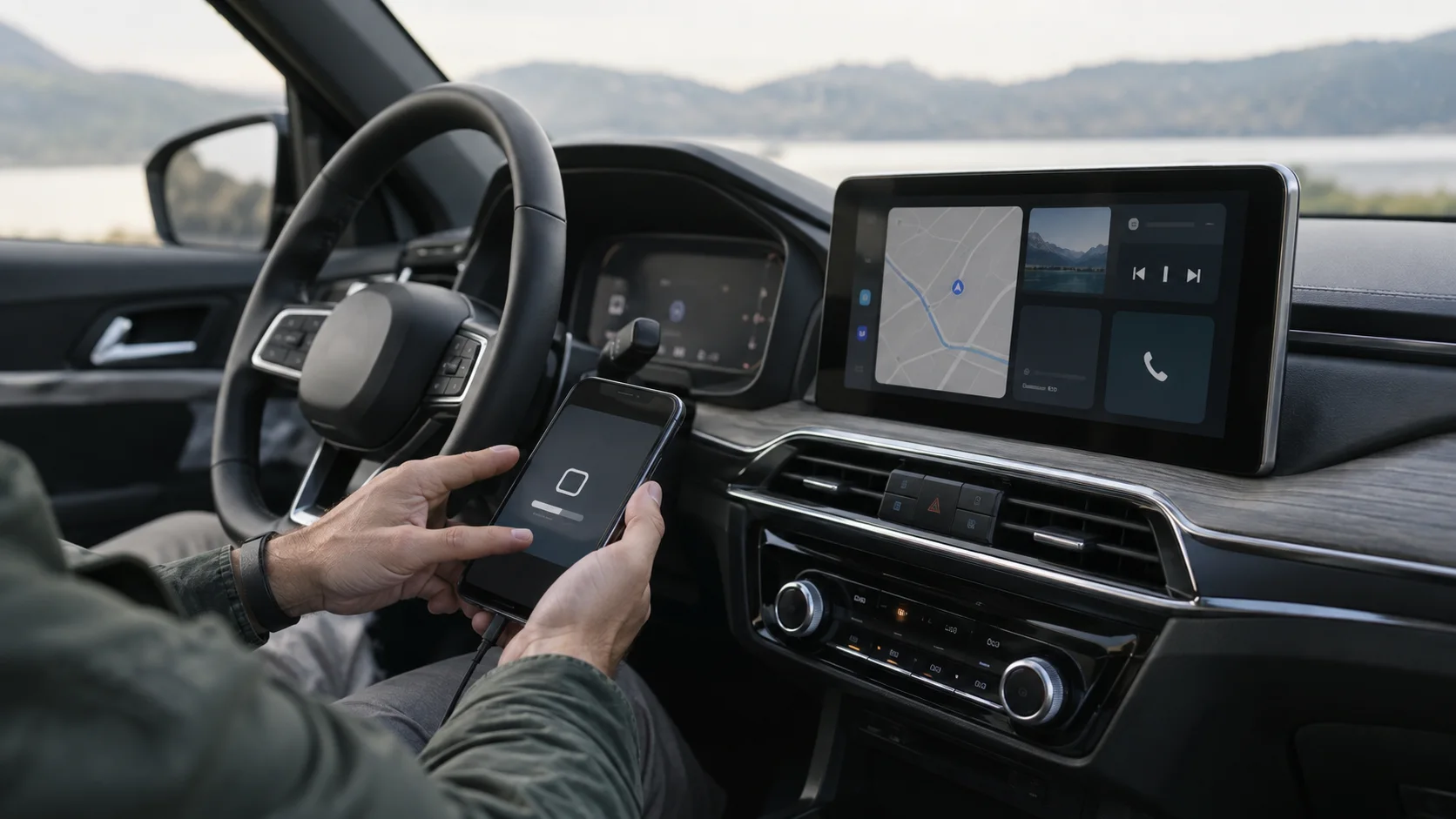
- Identifying Charging Hubs: Use dedicated EV route planning apps or in-car navigation systems that integrate real-time charger availability. Prioritise locations with multiple DC fast chargers from different providers to mitigate the risk of encountering occupied or out-of-order units.
- Strategic Charging Stops: Plan to stop when the battery SoC is around 20-30% and charge only to 70-80%. This strategy leverages the fastest part of the charging curve and minimises overall journey time, as charging the final 20% takes disproportionately longer. For instance, if a vehicle has a real-world range of 300 km, plan stops every 200-220 km.
- Buffer for Contingencies: Always build in a buffer. Unexpected detours, closed chargers, or higher-than-anticipated energy consumption due to headwinds or heavy rain can quickly deplete reserves. Arriving at a charging station with 10-15% SoC provides a safety margin.
- Payment and Access: Verify compatibility with charging network payment methods. Many European charging networks require specific apps, RFID cards, or support roaming agreements. AFIR mandates that new charging points must offer ad-hoc payment options like bank cards, but older infrastructure may still require prior registration.
By adopting a conservative approach to range estimates and thoroughly researching charging options, EV drivers can plan cross-border journeys with greater confidence and fewer unexpected delays. This realistic perspective ensures that the benefits of electric mobility are realised without the frustration of optimistic assumptions.