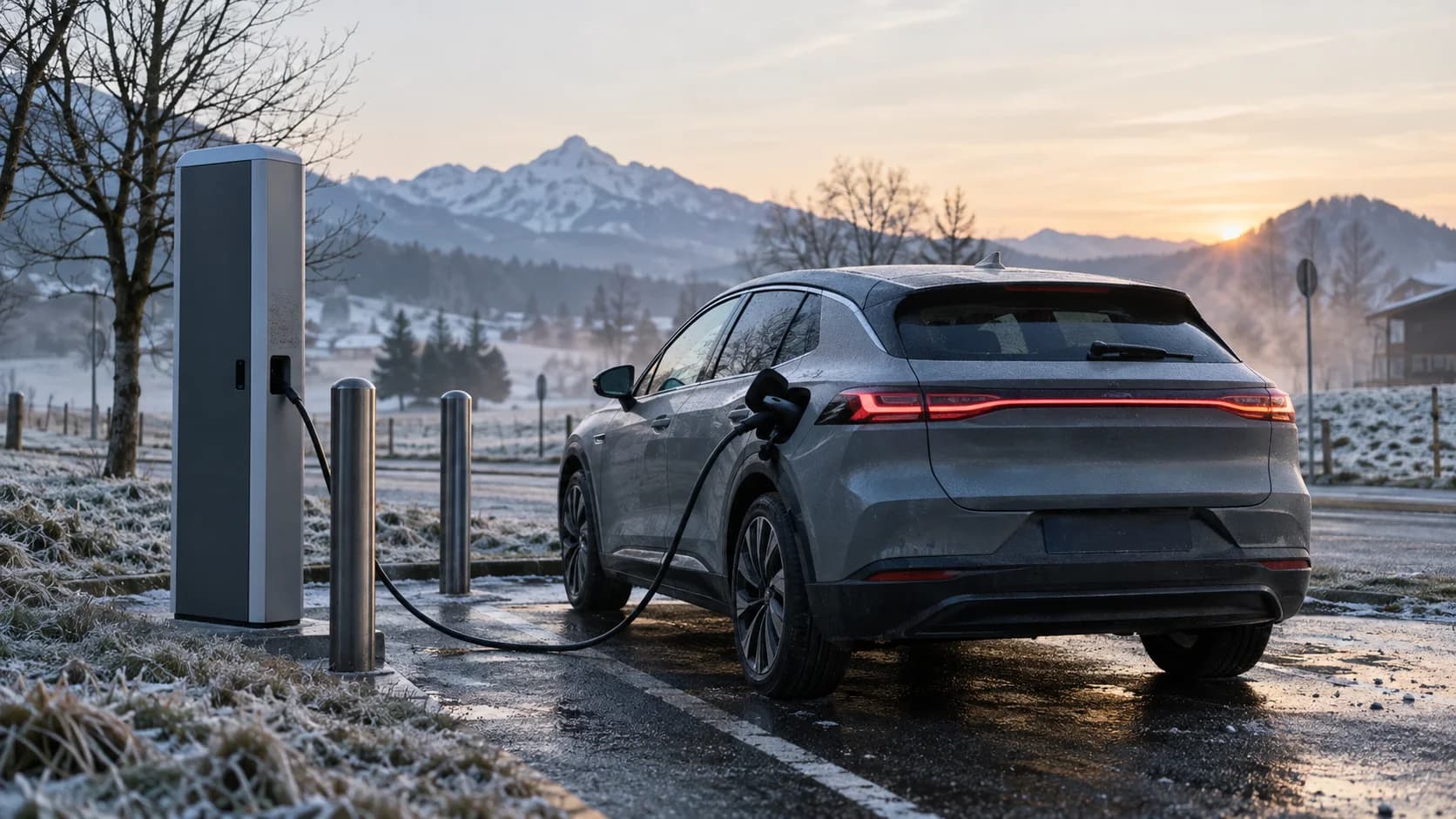
Cold weather reduces electric vehicle range due to increased energy consumption for cabin heating and reduced battery performance. Drivers can expect a noticeable reduction in available distance compared to official laboratory figures.
Battery chemistry and cold temperatures
Lithium-ion batteries, common in electric vehicles, rely on electrochemical reactions to store and release energy. These reactions slow down in colder conditions, leading to a temporary reduction in the battery's ability to deliver power and accept charge. This effect is reversible; as the battery warms, its performance typically returns to normal. The EU Batteries Regulation (Regulation (EU) 2023/1542) sets out requirements for battery durability and performance, but specific cold-weather performance metrics are not uniformly mandated across all vehicle types. Manufacturers often specify optimal operating temperature ranges in vehicle manuals, typically between 20°C and 25°C. Outside this range, efficiency can decline.
Cabin heating demands significant energy
Heating the passenger compartment is a primary factor in reduced cold-weather range. Unlike internal combustion engine vehicles, which can use waste heat from the engine, electric vehicles must draw energy directly from the high-voltage battery for heating. Resistive heaters, similar to those found in domestic appliances, are common but energy-intensive. Heat pumps, which transfer heat rather than generating it, are more efficient and are increasingly offered as an option or standard equipment. However, even heat pumps consume energy, and their efficiency can decrease in extremely low temperatures. Pre-conditioning the cabin while the vehicle is still connected to a charger can mitigate some of this energy drain from the traction battery during a journey. This allows the vehicle to reach a comfortable temperature using grid power, preserving battery energy for propulsion.
Auxiliary systems and their power draw
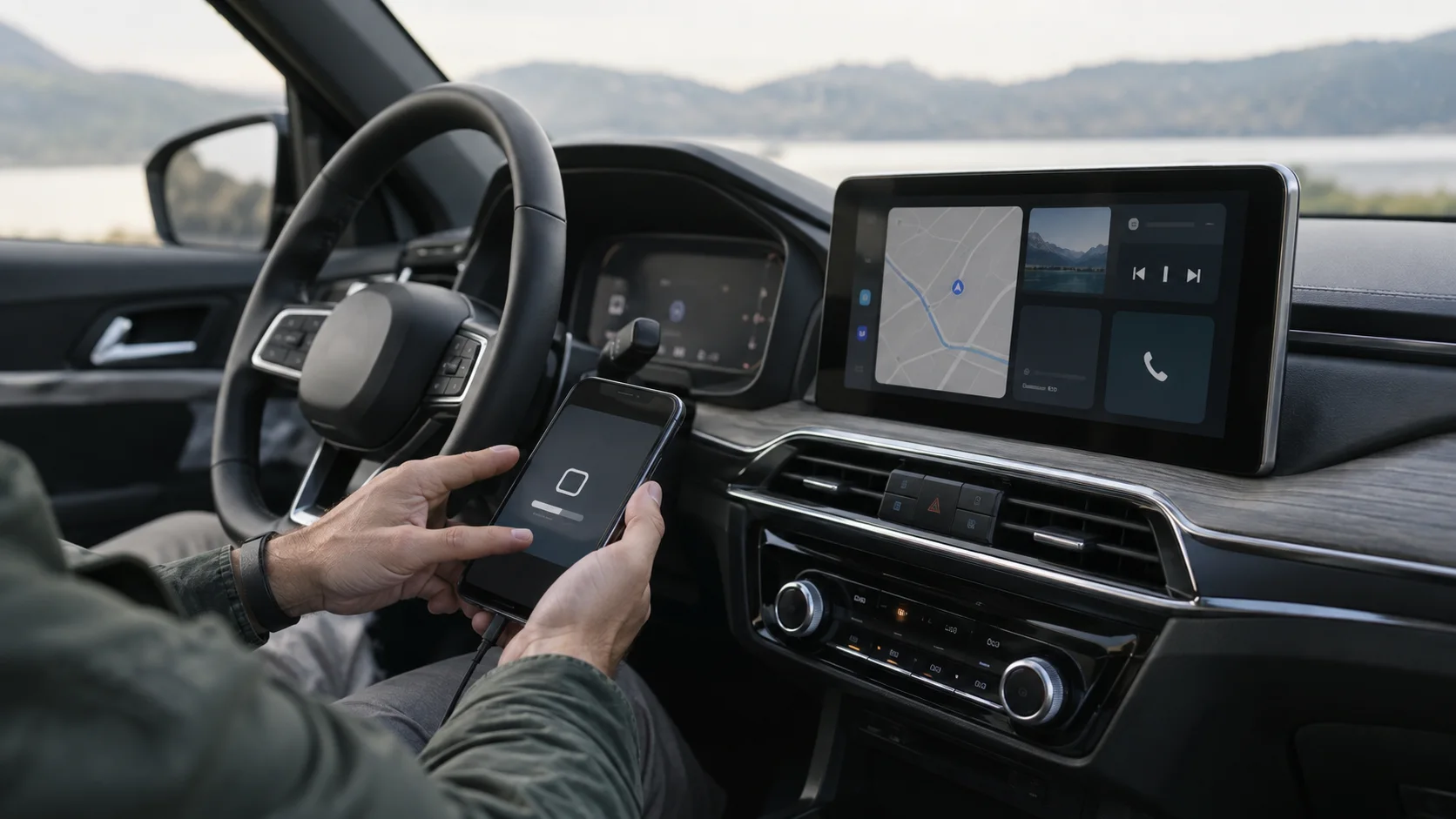
Beyond cabin heating, other auxiliary systems contribute to increased energy consumption in cold weather. Heated seats and steering wheels, while generally more efficient than heating the entire cabin volume, still draw power. Windscreen and rear window defrosters are also significant energy consumers. Furthermore, the battery management system (BMS) may activate internal battery heating elements to bring the battery to an optimal operating temperature, particularly before or during charging, to protect the battery and ensure efficient energy transfer. This internal heating also draws energy from the high-voltage battery. Drivers can typically monitor the energy consumption of these auxiliary systems through the vehicle's infotainment display, allowing for informed decisions about their use.
Impact on official range figures
The official range figures published by manufacturers for vehicles sold in Europe are determined using the Worldwide Harmonized Light Vehicles Test Procedure (WLTP), as detailed in Regulation (EU) 2025/1706. The WLTP test cycle is conducted under controlled laboratory conditions at an ambient temperature of 23°C. This temperature is representative of mild conditions and does not account for the additional energy demands of cold weather. Consequently, real-world range in winter conditions will invariably be lower than the WLTP figure. Some manufacturers provide estimated cold-weather range figures, but these are not standardized and should be treated as guidance. Drivers should consult their vehicle's official documentation or manufacturer's website for any specific cold-weather range estimates.
Driving style and route planning in winter
Aggressive driving, with rapid acceleration and high speeds, increases energy consumption regardless of temperature. In cold weather, this effect is amplified. Smooth acceleration, gentle braking (utilizing regenerative braking effectively), and maintaining moderate speeds are crucial for maximizing range. For a hypothetical cross-border journey, such as from Brussels to Frankfurt, careful route planning becomes more critical in winter. Drivers should identify charging points along the route, considering that charging speeds can also be reduced in cold conditions. The Alternative Fuels Infrastructure Regulation (Regulation (EU) 2023/1804) mandates the deployment of publicly accessible charging infrastructure, but drivers should verify charger availability and operational status, especially in remote areas or during peak travel times. Planning for more frequent, shorter charging stops rather than fewer, longer ones might be a pragmatic approach.
Battery durability and cold weather
While cold temperatures temporarily reduce performance, they are not inherently detrimental to long-term battery durability if managed correctly. The battery management system (BMS) plays a critical role in protecting the battery by preventing operation outside safe temperature and voltage limits. Repeated exposure to extreme cold without proper pre-conditioning or charging can, over many years, contribute to gradual capacity degradation. However, modern electric vehicles are designed with thermal management systems to mitigate these risks. UNECE Global Technical Regulation No. 22 (UN GTR No. 22) addresses battery durability for electrified vehicles, focusing on maintaining a certain percentage of initial capacity over a specified period or distance. Drivers can find information on their vehicle's battery warranty and expected degradation rates in the owner's manual or warranty booklet. Adhering to manufacturer recommendations for charging and storage in cold weather helps preserve battery health.