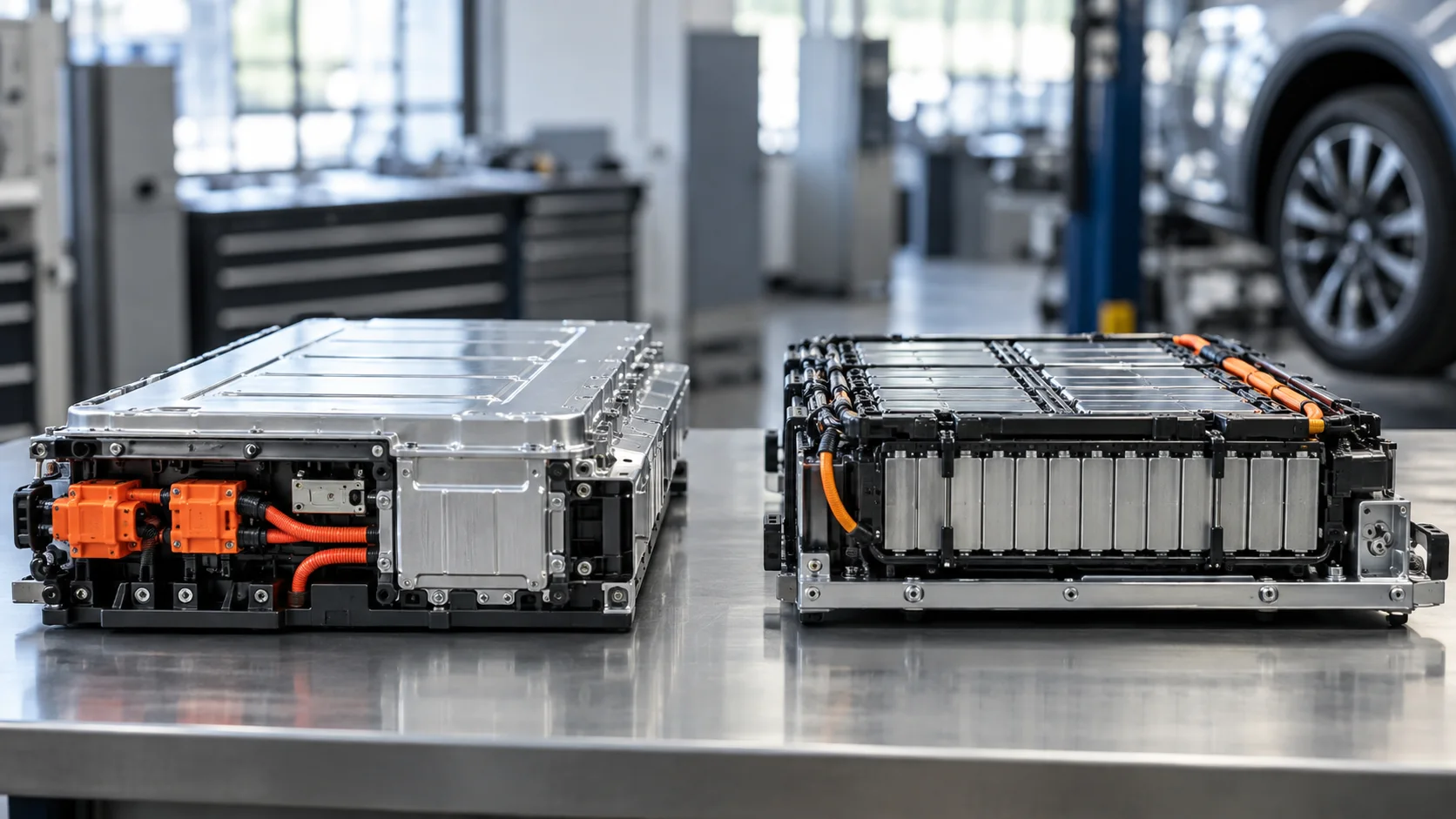
Lithium iron phosphate (LFP) and nickel manganese cobalt (NMC) are the dominant lithium-ion battery chemistries in electric vehicles, each offering distinct characteristics that influence vehicle performance and suitability for different use cases. The choice between LFP and NMC impacts factors such as energy density, charging speed, thermal management requirements, and long-term durability.
Energy density and vehicle range
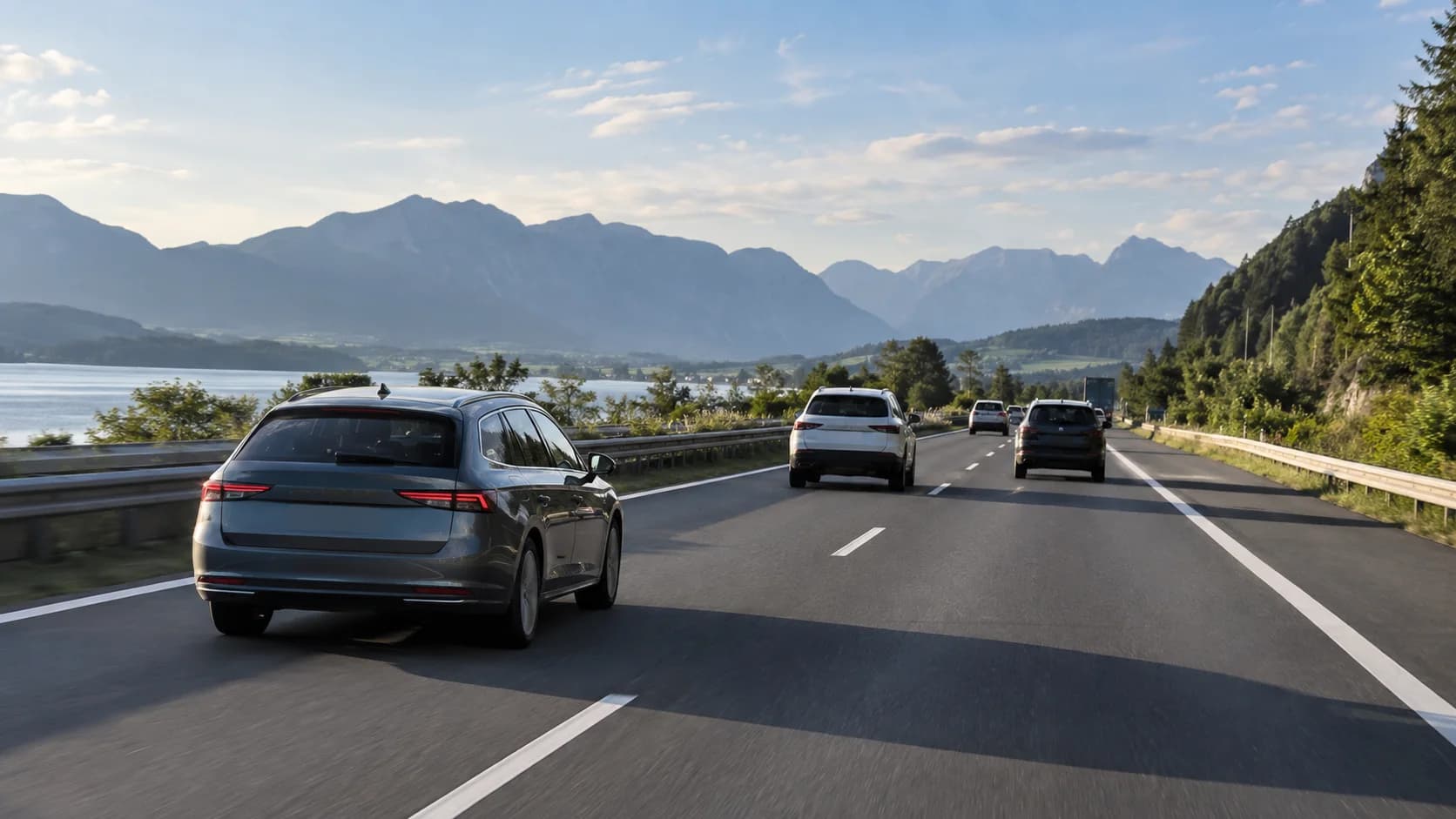
NMC batteries generally offer higher energy density by mass compared to LFP. This means that for a given battery pack mass, an NMC chemistry can store more electrical energy, potentially translating to a longer WLTP-certified driving range for the vehicle. For example, a vehicle designed for extended cross-border journeys, such as from Brussels to Munich, might benefit from the higher energy density of NMC to minimise charging stops. The WLTP (Worldwide Harmonised Light Vehicle Test Procedure) provides a standardised laboratory figure for a vehicle's range on a single charge, which manufacturers must declare for type approval in the EU. This figure is determined under controlled conditions and serves as a comparative metric, though real-world range can vary significantly due to driving style, ambient temperature, and auxiliary system use.
LFP batteries, while typically having a lower energy density, are often favoured for vehicles where absolute maximum range is not the primary design goal, such as urban commuters or entry-level models. The lower energy density can result in a heavier battery pack for an equivalent range, or a shorter range for a pack of comparable mass to an NMC counterpart. Vehicle manufacturers specify the battery chemistry in the vehicle's technical documentation, often found in the owner's manual or on the manufacturer's official website, allowing buyers to verify the installed technology.
Charging characteristics and speed
The charging profiles of LFP and NMC batteries differ, particularly concerning their tolerance for repeated charging to 100% state of charge (SoC) and their peak charging rates. LFP batteries are generally more robust when regularly charged to 100% SoC without significant long-term degradation. This characteristic can simplify charging habits for drivers, as there is less need to manage the SoC to prolong battery life.
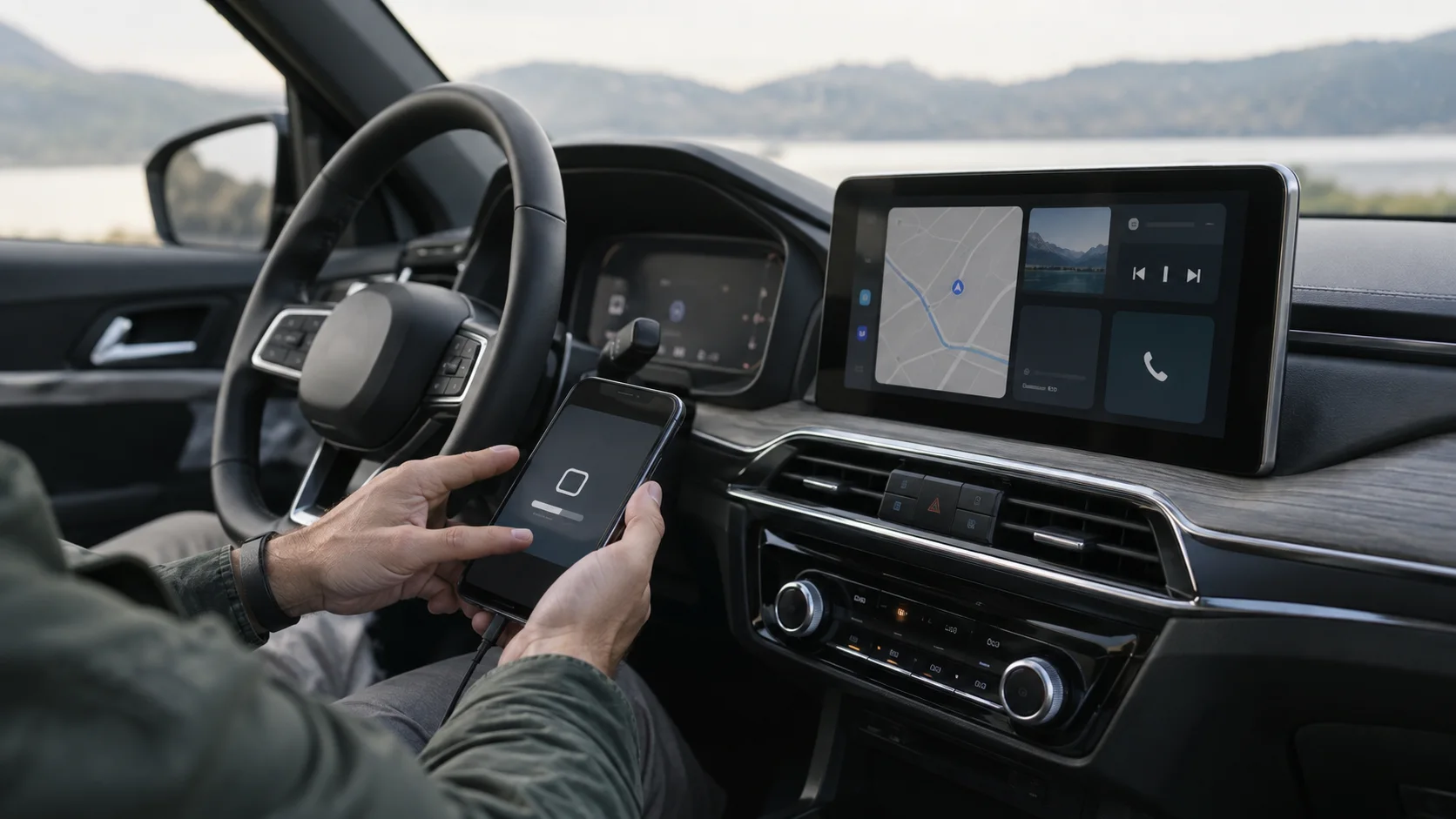
NMC batteries, while capable of fast charging, often benefit from a strategy of charging to around 80% SoC for daily use to preserve long-term battery health. Regular charging to 100% SoC can accelerate degradation in some NMC formulations. However, for occasional long journeys, charging an NMC battery to 100% is acceptable. The vehicle's infotainment system or manufacturer's app typically provides guidance on recommended charging practices for the specific battery chemistry.
The maximum charging power a battery can accept is also influenced by its chemistry and thermal management system. Both LFP and NMC batteries can support high-power DC fast charging, as defined by the EU Alternative Fuels Infrastructure Regulation (AFIR). However, the sustained charging rate and the shape of the charging curve (how quickly the charging power tapers off as the battery fills) can vary. Some LFP batteries may exhibit a flatter charging curve, maintaining a higher power for longer into the charge cycle, while some NMC batteries might achieve higher peak power but taper off more rapidly. The vehicle's manual or manufacturer's specifications will detail the maximum supported charging power and estimated charging times.
Thermal performance and management
Battery temperature significantly affects performance, charging speed, and longevity for both LFP and NMC chemistries. Optimal operating temperatures are crucial, and both types require sophisticated thermal management systems, which can include liquid cooling or heating, to maintain these conditions.
LFP batteries are generally considered more thermally stable and less prone to thermal runaway events compared to some NMC formulations, particularly those with higher nickel content. This inherent stability can contribute to simpler or less intensive thermal management requirements in certain applications, potentially reducing system complexity and mass.
NMC batteries, due to their higher energy density and sometimes higher internal resistance, can generate more heat during rapid charging and discharging. Consequently, they often require more robust and active thermal management systems to prevent overheating, which could lead to performance degradation or safety concerns. The effectiveness of a vehicle's thermal management system is a critical factor in its ability to deliver consistent performance across varying ambient temperatures and driving conditions. Information on the vehicle's thermal management system, if detailed, can sometimes be found in the technical specifications or service manual.
Durability and lifecycle
Battery durability, often expressed as the number of charge-discharge cycles a battery can withstand before significant capacity degradation, is a key consideration. The UNECE Global Technical Regulation No. 22 provides a framework for assessing the durability of electrified vehicle batteries. LFP batteries are generally recognised for their longer cycle life and greater resistance to degradation from repeated full charges compared to many NMC formulations. This characteristic makes LFP an attractive option for applications where long-term battery health and minimal capacity fade are paramount, such as in vehicles intended for extensive use or second-life applications.
NMC batteries, while offering high energy density, can experience more pronounced capacity fade over time, especially if frequently subjected to deep discharge cycles or regular charging to 100% SoC without adequate thermal management. However, advancements in NMC chemistry and battery management systems continue to improve their durability. The expected battery lifespan and warranty information are typically provided by the vehicle manufacturer, often specifying a minimum retained capacity after a certain number of years or kilometres.
Environmental considerations and material availability
The raw materials used in LFP and NMC batteries also present different environmental and supply chain considerations. LFP batteries primarily use iron and phosphate, which are abundant and less subject to geopolitical supply constraints compared to some of the materials in NMC batteries. The absence of cobalt in LFP is a notable advantage, as cobalt mining often raises ethical and environmental concerns.
NMC batteries rely on nickel, manganese, and cobalt. While nickel and manganese are relatively abundant, cobalt is a critical and often ethically contentious material. Efforts are ongoing to reduce cobalt content in NMC batteries or replace it entirely with other elements. The EU Batteries Regulation (Regulation (EU) 2023/1542) sets out requirements for sustainability, safety, collection, and recycling of batteries, aiming to address environmental and social impacts across the battery lifecycle for all chemistries.
Practical implications for buyers
For a buyer, the choice between LFP and NMC is often embedded within the vehicle's design and intended use case. A driver prioritising maximum range for frequent long-distance European travel might find an NMC-equipped vehicle more suitable due to its higher energy density. Conversely, a driver primarily using their vehicle for daily commuting and valuing long-term battery health with simpler charging habits might prefer an LFP battery.
It is essential to consult the vehicle's official documentation, such as the owner's manual or the manufacturer's technical specifications, to ascertain the battery chemistry. This information is typically available before purchase and should be a key factor in the decision-making process. The vehicle's declared WLTP range, charging recommendations, and battery warranty terms provide further insights into how the specific battery chemistry is integrated into the overall vehicle proposition.