Planning a winter trip in an electric car requires careful consideration of range reduction and charging infrastructure. Pre-trip preparation, route planning with charging stops, and understanding cold weather impacts on battery performance are crucial for a successful journey.
Understanding winter range reduction
Electric vehicle (EV) range is reduced in cold weather due to several factors. The primary reason is the decreased efficiency of the battery at lower temperatures. Lithium-ion batteries operate optimally within a specific temperature range, and outside this, their internal resistance increases, reducing available energy and power output. Additionally, cabin heating in an EV relies on electrical energy from the high-voltage battery, unlike internal combustion engine (ICE) vehicles that use waste heat from the engine. This energy consumption for heating directly impacts the usable range. Pre-conditioning the cabin while the vehicle is still connected to a charger can mitigate some of this energy drain from the battery during the initial part of a journey.
The official WLTP (Worldwide Harmonised Light Vehicle Test Procedure) range figures, as defined by EU regulation (EU) 2025/1706, are determined under specific laboratory conditions that do not fully replicate severe winter driving. These tests are conducted at an ambient temperature of 23 °C and do not account for the energy demands of cabin heating or the reduced battery efficiency at sub-zero temperatures. Consequently, real-world winter range can be significantly lower than the WLTP rating. Drivers should anticipate a notable reduction in range, potentially impacting journey planning.
Preparing your electric vehicle for winter travel
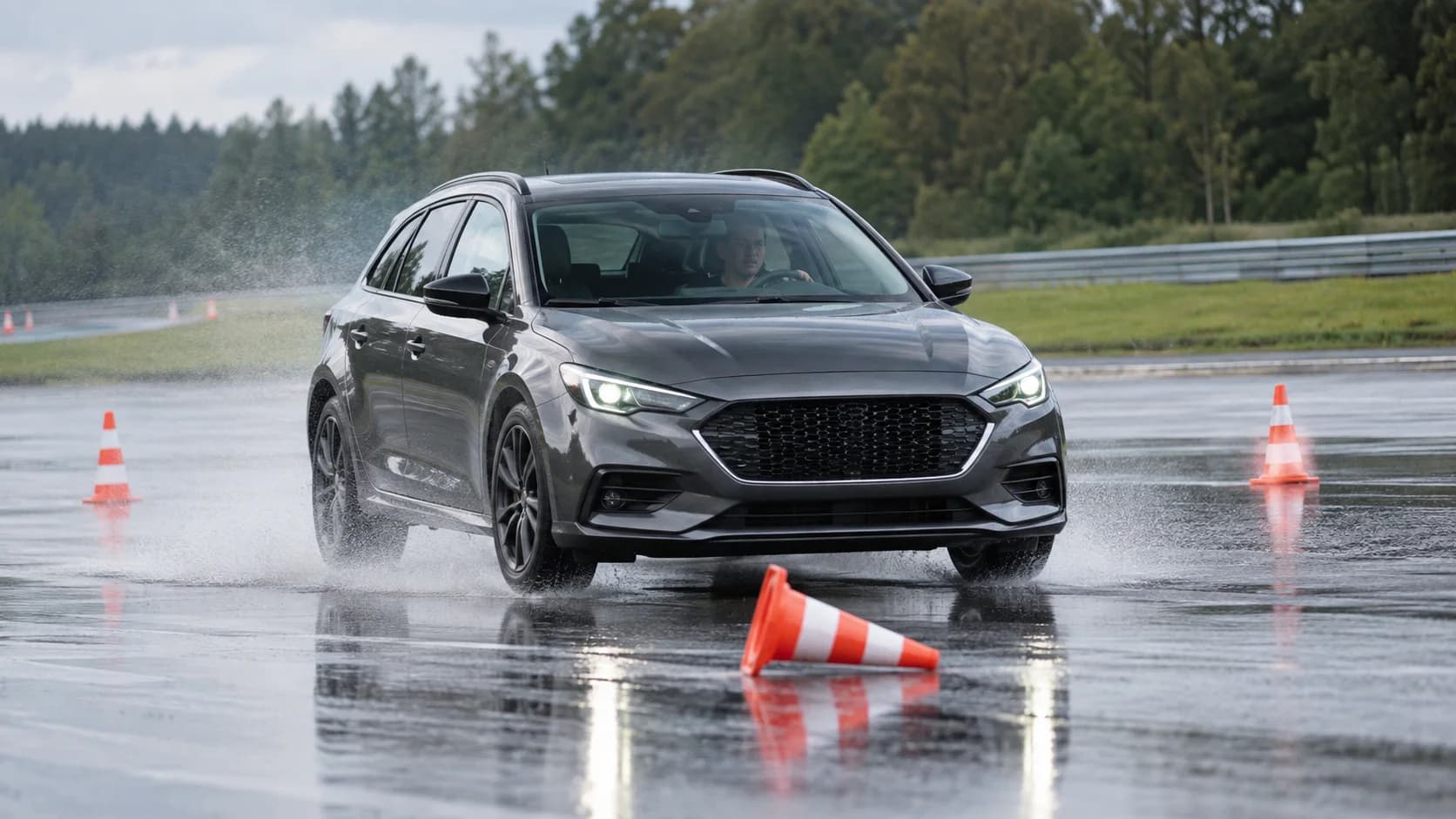
Before embarking on a winter trip, several checks and preparations can enhance an EV's performance and safety. Tyre choice is critical; winter tyres or all-season tyres with appropriate snow ratings offer better grip on cold, wet, or icy surfaces compared to summer tyres. Checking tyre pressures is also important, as cold temperatures can cause pressure to drop.
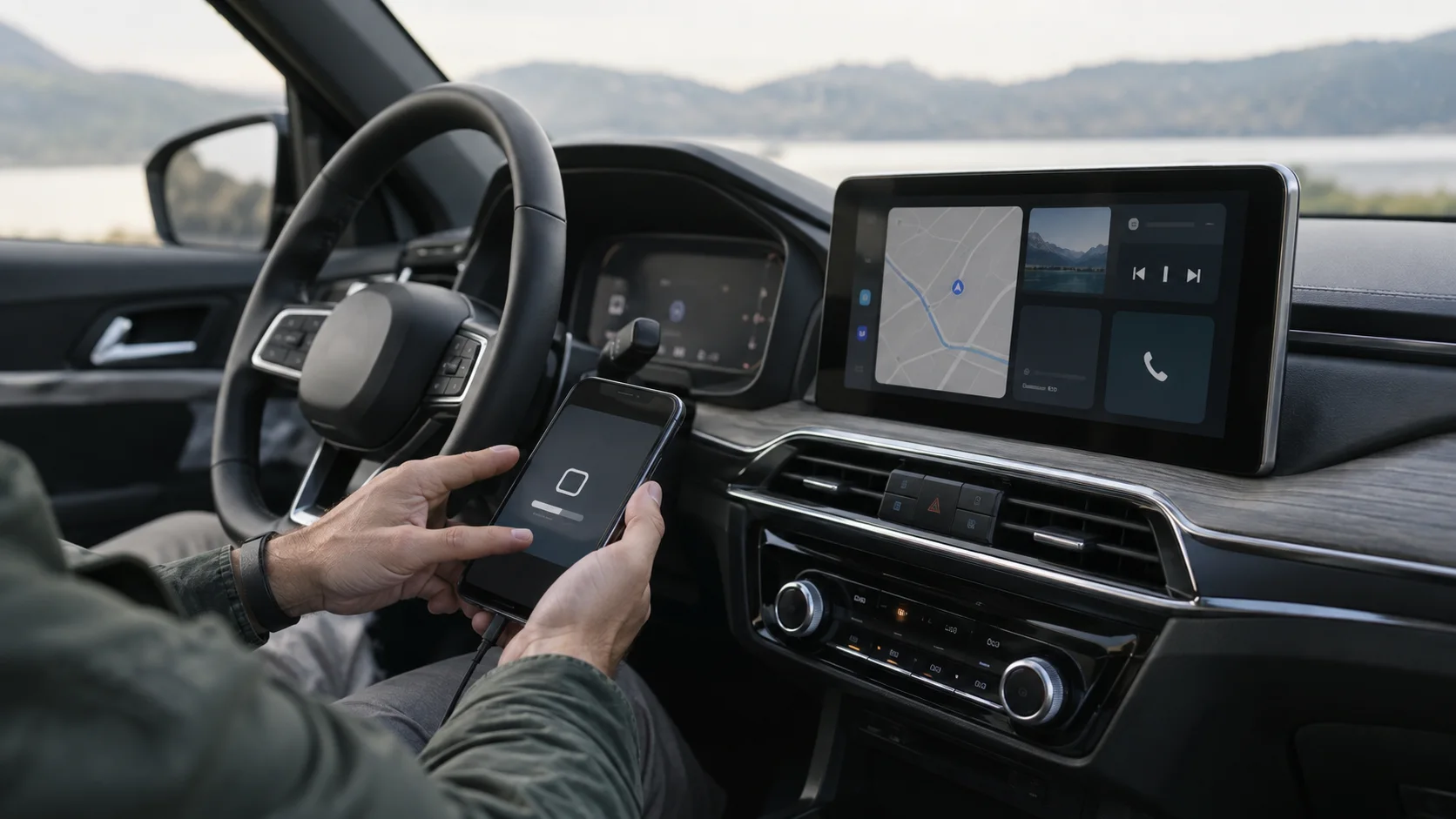
Ensure the vehicle's software is up to date, as manufacturers often release updates that improve battery management and thermal control, which can be beneficial in cold weather. Verify the condition of the 12V auxiliary battery, as its failure can render the vehicle inoperable, even if the high-voltage traction battery is charged.
For optimal charging performance and battery longevity, many modern EVs incorporate battery pre-heating systems. These systems warm the battery to an optimal temperature before charging, which can significantly reduce charging times, especially for DC fast charging. Drivers should consult their vehicle's manual to understand if their EV has this feature and how to activate it, often by setting the charging station as a destination in the navigation system.
Planning your route and charging stops
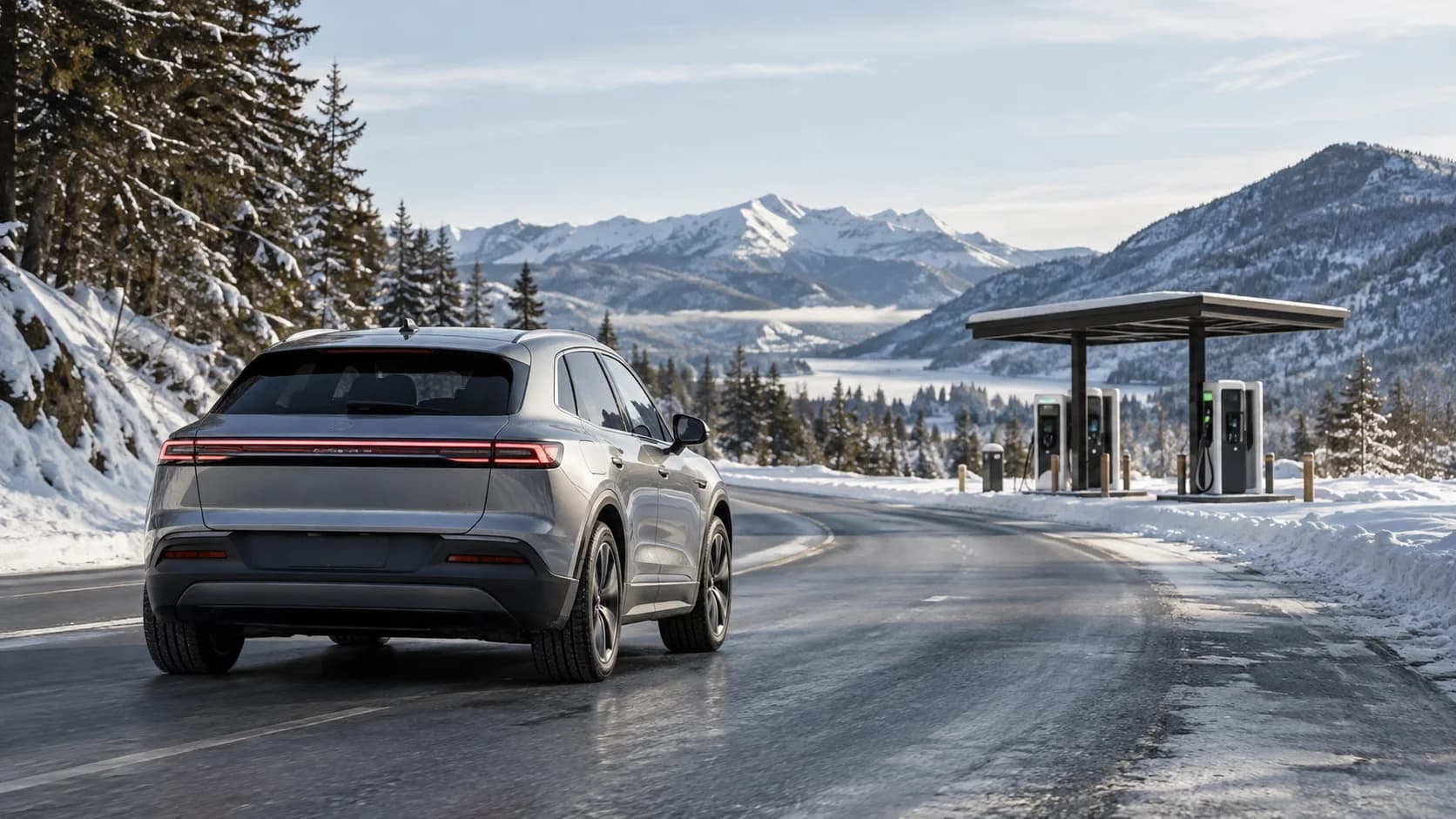
Route planning for a winter EV trip requires a more conservative approach than in warmer months. Given the anticipated range reduction, it is prudent to plan more frequent and shorter charging stops. Utilise dedicated EV route planning applications that integrate real-time charger availability and consider elevation changes, which can impact energy consumption.
The Alternative Fuels Infrastructure Regulation (AFIR), (EU) 2023/1804, aims to ensure a sufficient and user-friendly public charging infrastructure across the EU. This regulation mandates minimum charging power requirements and aims to improve the availability of charging points along the TEN-T network. However, in remote or mountainous regions, charging infrastructure may still be less dense. Always have alternative charging options identified for each planned stop.
When selecting charging stations, prioritise those with higher power outputs (DC fast chargers) to minimise stop durations. Check the operational status of chargers through apps before arrival, as cold weather can sometimes affect charger reliability. Consider overnight charging at destinations where available, such as hotels with charging facilities, to start each day with a full battery.
Understanding charging in cold temperatures
Charging an EV in cold weather presents specific considerations. Both AC and DC charging can be affected. At very low temperatures, the chemical reactions within the battery slow down, increasing internal resistance. This can lead to slower charging rates, particularly for DC fast charging, as the battery management system (BMS) limits power input to prevent damage.
Battery pre-conditioning, as mentioned, is crucial for optimising charging speed in cold conditions. If the battery is too cold, the vehicle may not accept the full charging power advertised by the station, even if the charger itself is capable. The UNECE Global Technical Regulation No. 22 on battery durability for electrified vehicles (UN GTR No. 22) addresses aspects of battery performance and durability, including thermal management, but real-world charging performance in extreme cold can still vary.
Drivers should verify the maximum charging power their vehicle can accept at different temperatures by consulting the vehicle manual or manufacturer's specifications. Some vehicles may have a "cold gate" that significantly reduces charging power below a certain temperature threshold. Planning for longer charging stops than usual is a practical approach during winter travel.
Cross-border travel considerations
For cross-border journeys within Europe, such as from Germany to Austria, additional planning is beneficial. While AFIR aims for interoperability and consistent user experience across the EU, variations in charging network operators, payment systems, and pricing structures still exist.
Ensure your charging apps and RFID cards are compatible with the networks in the countries you intend to visit. Roaming agreements between charging providers are becoming more common, but it is wise to have multiple options. Check for any specific regulations regarding winter tyres or equipment (e.g., snow chains) in the destination country and transit countries.
The EU Batteries Regulation (EU) 2023/1542, which will apply from 2027, aims to improve the sustainability and safety of batteries, including those in EVs. While this regulation primarily focuses on the lifecycle of batteries, it underscores the importance of battery health and performance, which is particularly relevant in challenging conditions like winter. A well-maintained battery, as encouraged by such regulations, is better equipped to handle the demands of cold weather.
In summary, a winter EV trip across European borders is feasible with thorough preparation. Anticipate reduced range, plan charging stops meticulously, and understand how cold temperatures affect both driving and charging performance.