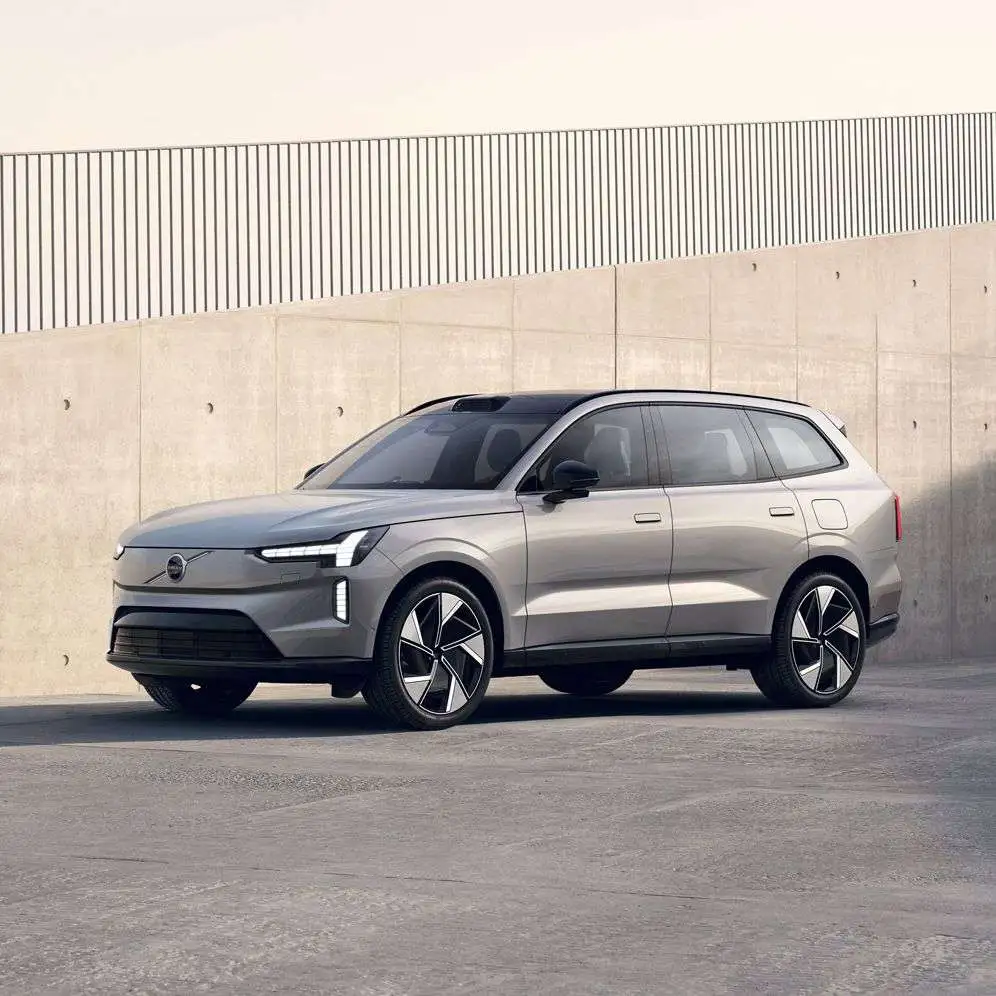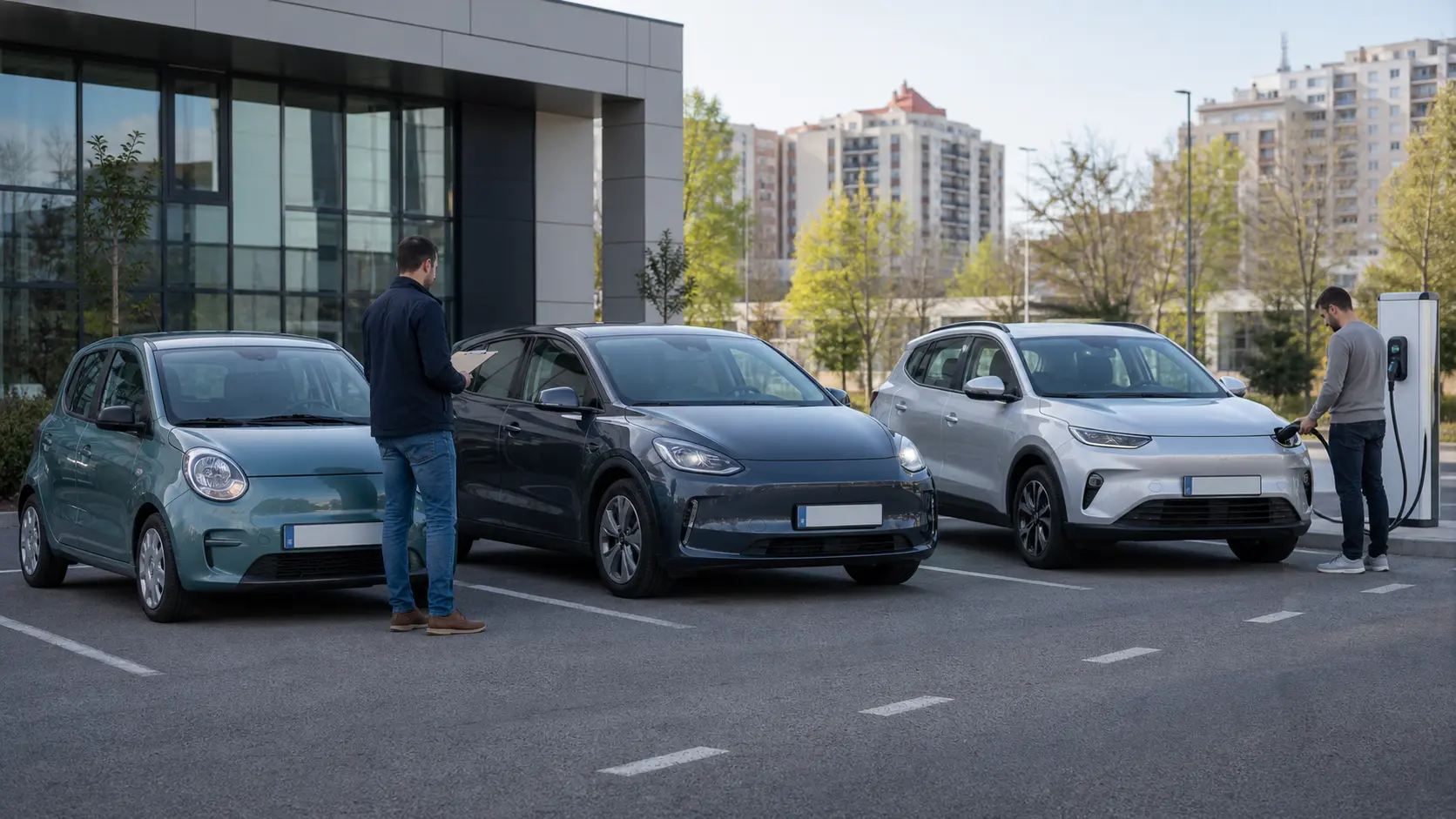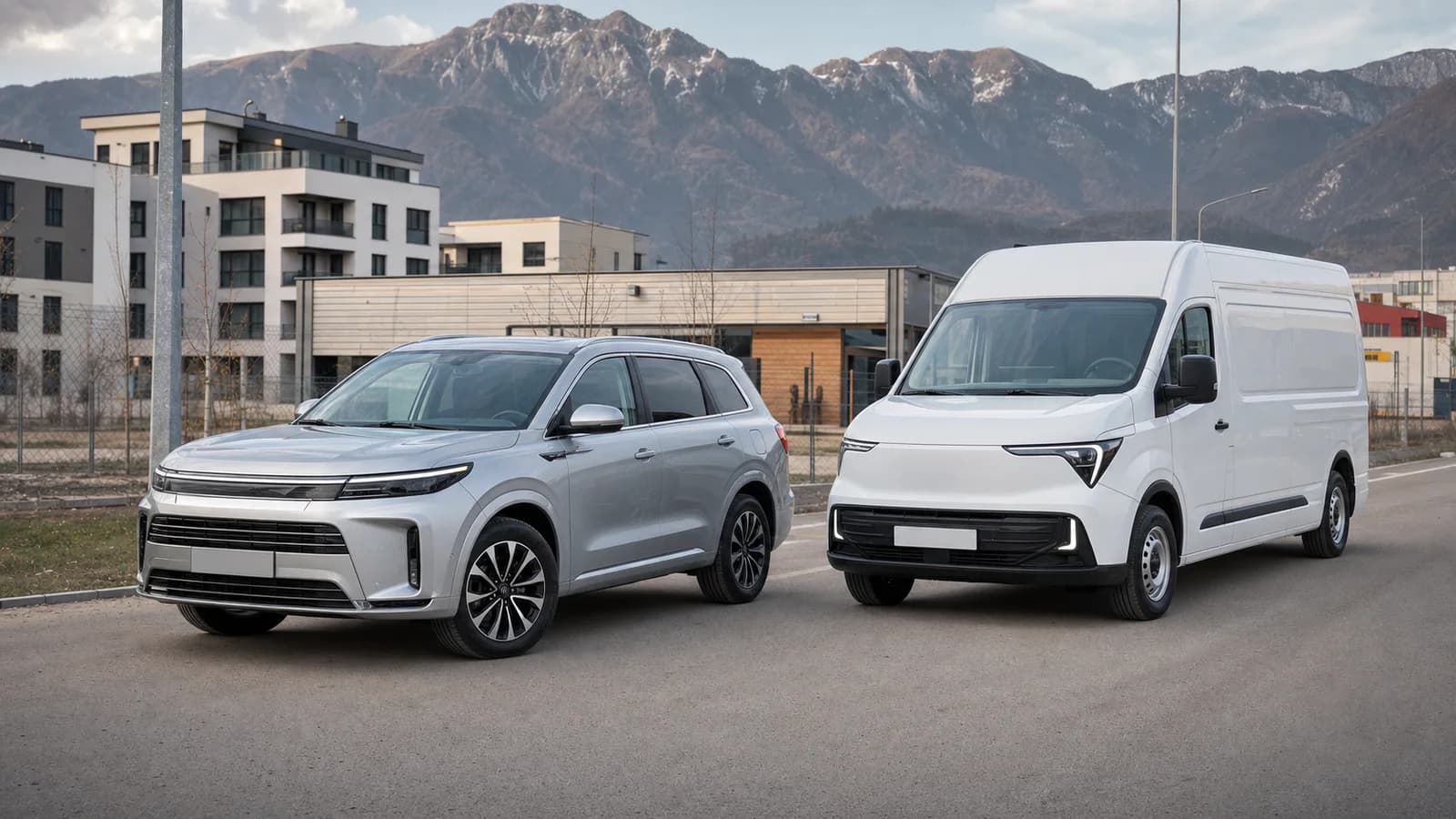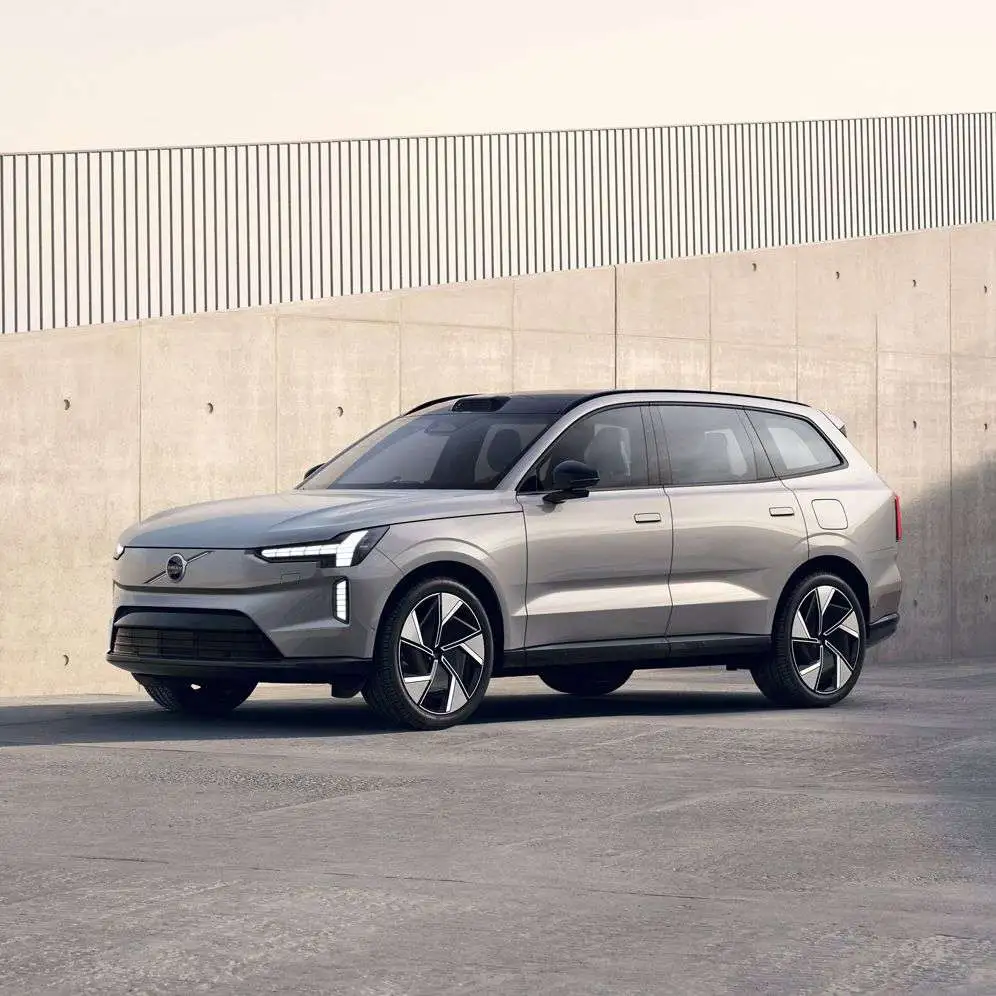
Image: Volvo Cars, used for illustration.
The range shown by an electric car is an estimate, not a guarantee for every journey. Official test figures are produced under controlled conditions, while real roads add wind, hills, traffic, cold weather, passengers and luggage. The good news is that drivers can influence a substantial part of everyday energy use without resorting to unsafe behaviour or uncomfortable compromises.
Tesla, Kia, Ford, Hyundai and Renault all describe similar principles in their owner information. Efficient EV driving is not one secret setting. It is the result of a smooth driving style, correctly maintained tyres, sensible use of the cabin systems and a charging plan that reflects the actual route. The advice below should be read alongside the instructions for the specific car.
1. Accelerate smoothly
An electric motor can deliver strong torque from a standstill, so a small movement of the accelerator can produce a surprisingly quick launch. That response is useful when joining traffic, but repeated hard acceleration quickly raises consumption. For normal departures, apply enough power to move safely with the traffic, then settle into a steady speed.
Acceleration followed by immediate braking wastes energy. Regeneration can recover part of the car's kinetic energy, but it cannot return all of the energy used to accelerate. Smooth driving does not mean being slow in every situation; it means avoiding unnecessary changes in speed and using the motor's instant response with restraint.
2. Keep motorway speed moderate
Air resistance rises rapidly as speed increases. That is why driving at 110 km/h instead of 130 km/h can make a noticeable difference to consumption, even though the numerical difference looks small. The exact effect depends on body shape, wind, temperature, wheels and tyres, but the basic aerodynamic relationship applies to every car.
A stable, moderate cruising speed is usually more efficient than alternating between hard acceleration and braking. Use adaptive cruise control only when conditions allow and remain responsible for the car. Saving a little energy at the beginning of a long trip can prevent an additional charging stop later.
3. Look ahead and use regeneration
Regenerative braking uses the electric motor to slow the vehicle and can send some kinetic energy back to the battery. If you lift off the accelerator early for a red light, queue or downhill section, the car has more opportunity to recover energy than if you rush towards the obstacle and brake late.
The strongest regeneration setting is not automatically the most efficient in every situation. It can feel abrupt, and the car may still use its friction brakes during heavy deceleration. Settings differ between models and can be limited by battery temperature or state of charge. Anticipation is more important than selecting the most aggressive mode.
4. Check tyre pressures
Underinflated tyres create more rolling resistance. They can increase energy consumption, accelerate wear and affect handling. Check the pressures at least monthly and before a long trip, using the values specified by the manufacturer for the tyre size and the vehicle's load.
Some electric cars are supplied with tyres designed for lower rolling resistance and the higher mass associated with a battery. Efficiency is not the only criterion, however. Wet grip, load rating, noise and compatibility with the vehicle remain important. Never reduce pressure below the manufacturer's recommendation to chase a better consumption figure.
5. Use climate control intelligently
Heating and air conditioning draw energy from the battery. Their effect is more visible in very hot or very cold conditions and on short journeys, when the energy used to bring the cabin to temperature is spread over relatively few kilometres.
Set a reasonable cabin temperature and use seat or steering-wheel heating when available for local comfort. Keep demisting and visibility systems available when needed. Efficiency should not come from driving with misted windows or from disabling a feature that is necessary for safe control of the car.
6. Pre-condition while plugged in
Pre-conditioning heats or cools the cabin before departure. If the car is connected to a charger, some of that energy comes from the grid rather than from the battery that will power the journey. Renault and Tesla both explain the benefit of preparing the car while it is still connected, especially in cold weather.
Some EVs can also pre-condition the battery before a fast-charge session. The method and limits vary by model, so use the manufacturer's app or navigation system as intended. Check the cable connection, scheduled departure and charge limit rather than assuming that a timer has worked exactly as planned.
7. Select Eco mode when it suits the route
Eco mode can soften accelerator response, reduce the output of climate control or limit available performance. It does not create energy, but it makes a progressive driving style easier. It can be useful in urban traffic, where full motor response is rarely needed and frequent speed changes make smoothness valuable.
Do not treat Eco mode as a substitute for judgement. If you need immediate acceleration to merge or avoid a hazard, use the setting that gives you proper control. Energy efficiency is important, but it comes after visibility, grip and safe integration with traffic.
8. Remove unnecessary load and drag
Luggage left in the boot adds weight, while roof boxes, bike carriers and open exterior accessories add aerodynamic drag. The effect is particularly visible at motorway speeds, when air resistance is already a major part of the energy demand. Remove accessories after use and carry only what the journey requires.
Do not remove equipment that is needed for safety or load security, and do not exceed the legal maximum mass. On a long trip with passengers, luggage and hills, the additional load may affect the arrival estimate even if it feels modest around town.
9. Plan charging around the real journey
The car's navigation system or the manufacturer's application may estimate arrival state of charge and suggest charging points. Review the route before departure and consider wind, temperature, gradients, traffic and the payload. A plan based only on the official range number leaves too little margin for changing conditions.
Link a charging stop to a meal, a rest break or another activity that was already needed. On a long journey, a shorter stop made before the battery becomes very low may be more practical than waiting for a minimum percentage. Keep an alternative charger in mind because availability and queues can change.
10. Respect temperature and maintenance
Cold weather can reduce range through increased rolling resistance and the energy required for heating. Hot conditions can increase air-conditioning demand. Parking under cover, pre-conditioning while connected and following the car's battery-protection instructions can reduce the impact.
Wheel alignment, a brake that is lightly binding, worn bearings or a damaged tyre can also increase consumption. Follow the service schedule and investigate a sudden change in the range estimate instead of blaming every difference on driving style. A technical problem should be repaired, not managed by driving with an artificially large reserve.
Range is more useful when the margin is realistic
These ten methods can reduce consumption, but they cannot cancel weather, hills or the limits of a particular battery. The display is an estimate and will change as the car learns from recent journeys. For an important trip, check charging locations, allow a sensible reserve and keep a second plan available. Smooth acceleration, correct tyre pressure and thoughtful use of climate control are simple habits that add up over many kilometres.