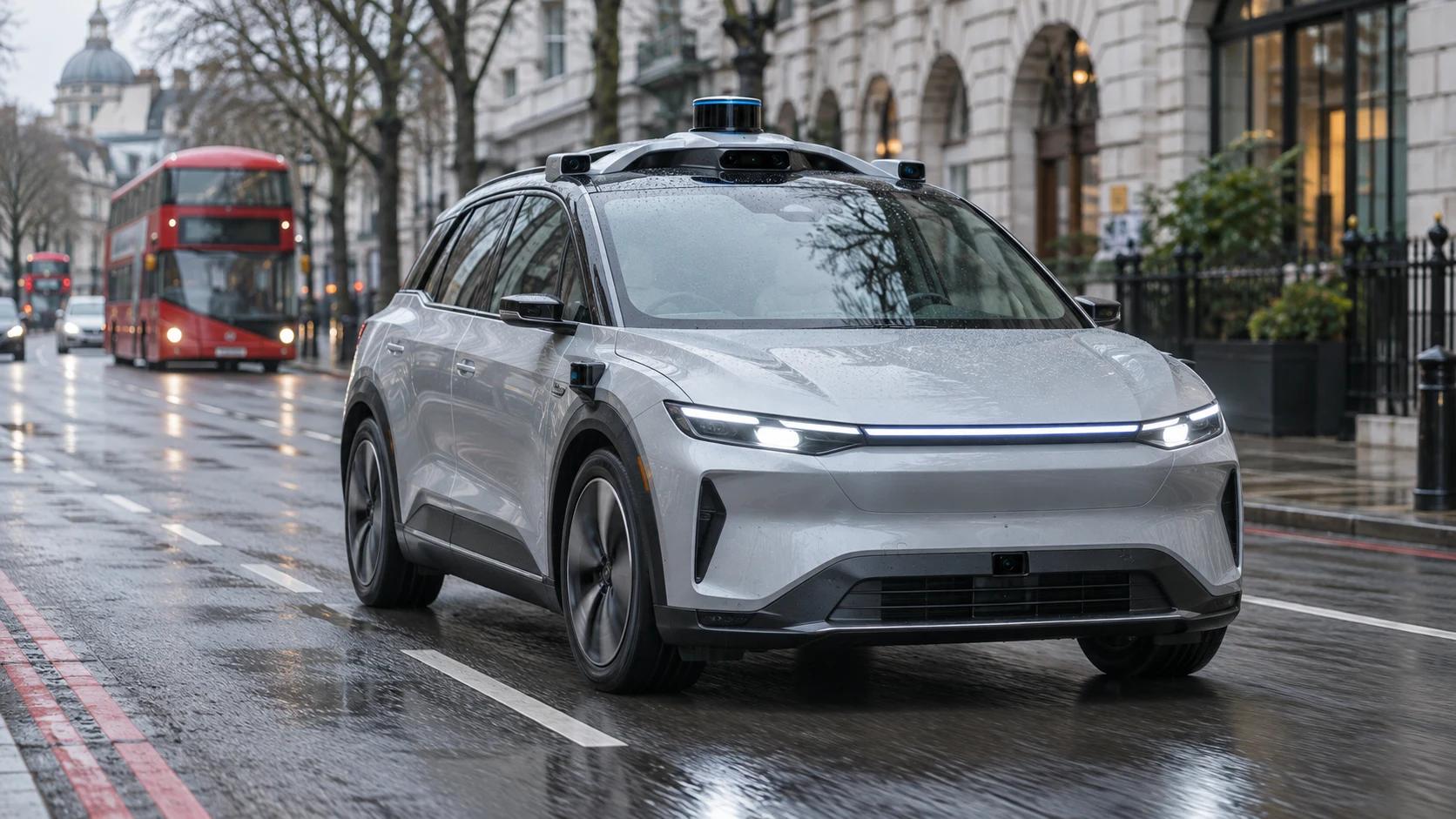
Image: AI-generated editorial illustration for Carboratory. It does not depict a real vehicle, service or road test.
Seventy-three per cent of British adults say they would feel uncomfortable riding in a self-driving car, according to a YouGov study spanning eight countries. Twenty per cent would feel comfortable and seven per cent answered “don’t know”. Britain recorded the highest discomfort in the comparison, although the survey does not show that Britons reject every form of transport automation.
YouGov questioned 2,107 adults in Great Britain and roughly 1,000 respondents in each of France, Germany, Italy, Poland, Spain, Singapore and the United States. Online fieldwork ran from 6 May to 7 June 2026. The results describe stated attitudes at that point in time, not measured vehicle safety or guaranteed future behaviour.
Britain sits at the cautious end of the group
Between 61 and 65 per cent of respondents in France, Germany, Italy, Spain and the US were uncomfortable about riding in a driverless car. Poland was close to evenly divided at 39 per cent comfortable and 41 per cent uncomfortable. Singapore was similarly split, 43 to 44 per cent.
In Britain, 47 per cent selected “very uncomfortable” and 26 per cent “fairly uncomfortable”. Five per cent were very comfortable and 15 per cent fairly comfortable. The gap is substantial, but the wording matters: respondents were asked about a car handling steering, acceleration, braking and traffic rules without a human driver. That is not the same as today’s supervised Level 2 assistance.
Direct control remains the preferred option
Asked to choose between driving themselves and taking a self-driving car, 81 per cent of British respondents preferred to drive and 11 per cent chose the automated option. When the alternative was a taxi or ride-hailing service, 66 per cent preferred a human driver and 22 per cent the self-driving car.
The shift shows that the reference point changes acceptance. Some people who would not surrender personal control are more willing to compare automation with being driven by another person. The questions did not include prices, wait times or a named service, so they cannot be converted into a commercial demand forecast.
Jobs are the shared concern across countries
YouGov also asked respondents to assess effects on society. Expectations for employment were negative in all eight countries, including among many people otherwise comfortable with the technology. British respondents tended to be among the most pessimistic about the economy, environment, traffic, travel costs and society more broadly.
One benefit attracted wider agreement: self-driving vehicles could improve mobility for older and disabled people. That distinction matters. A respondent can recognise an accessibility advantage while remaining reluctant to ride, share the road with the vehicles or accept the disruption of transport jobs.
Rail automation receives a different response
Comfort with a self-driving bus broadly tracked the car result in each country. In Britain, 22 per cent said they would be comfortable using one. Driverless trains and metros performed better, with comfort across the countries generally ranging from 39 to 46 per cent for trains and 41 to 57 per cent for metros.
Singapore provides the clearest exposure example. Large parts of its MRT already operate automatically, and 76 per cent of Singaporean respondents were comfortable with that system. Fixed tracks, segregated infrastructure and public experience make rail automation different from a car interpreting unpredictable mixed traffic.
YouGov’s preliminary British work also found that concerns about driverless rail often centred on the absence of a person during emergencies or breakdowns. Specifying that qualified staff would be present increased comfort. The human role can therefore matter even when that person is not driving.
What this survey cannot establish
The study covers eight countries, not the whole world. Describing Britain as the “world leader” in opposition stretches the evidence beyond the sampled markets. It also does not place respondents in a real car, compare intervention rates or analyse collision data. The question addresses fully driverless operation in ordinary language rather than separating every SAE automation level.
For consumers, the distinction between assistance and automation remains essential. Adaptive cruise control, lane centring and automated parking can reduce workload within defined limits, but the driver may still be legally and operationally responsible. The UK government’s separate terminology research has found persistent misunderstanding around these labels.
The YouGov result is best read as a trust benchmark. Technology companies and regulators face a large acceptance gap in Britain, and broad promises will not close it. Evidence on safety, responsibility, emergency response, data use and employment consequences will matter as much as technical capability. Attitudes can change with experience, but the burden is on deployed services to demonstrate why they deserve that change.