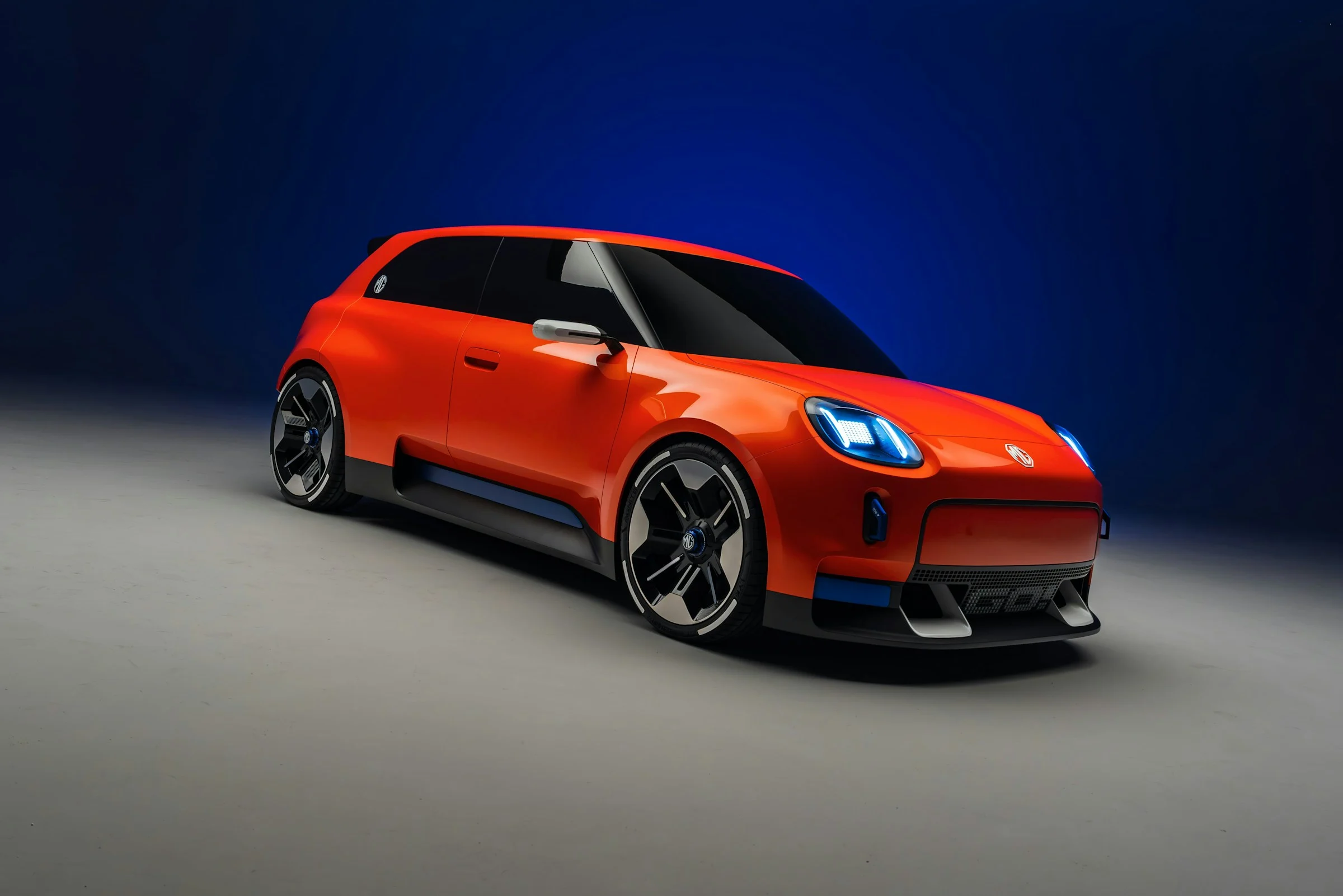
MG has confirmed that the MG GO! concept previews a production battery-electric B-segment hatchback due in 2027. The company has not confirmed the MG2 name, a launch month, a price or any production powertrain specifications. Reports that the car will be called MG2 and target a particular price point should therefore be treated as informed expectations rather than manufacturer facts.
A London-led project with a production date
MG introduced GO! at the 2026 Goodwood Festival of Speed. Its July announcement described the car as a preview of a new electric B-segment hatchback launching in 2027. The current official model page still gives 2027 as the production-model date, but goes no further on market timing. There is no official confirmation that sales will begin in every European country at the same time.
The concept and the forthcoming road car were designed entirely at the MG Design Centre in London, led by design director Carl Gotham. MG identifies the MGB GT, MG Metro Turbo, MG ZR and EX4 as reference points. The influence is not a literal recreation of any one car: it appears in the compact proportions, simple graphic elements and the choice of Lava Orange paint, which MG connects specifically with the MGB GT.
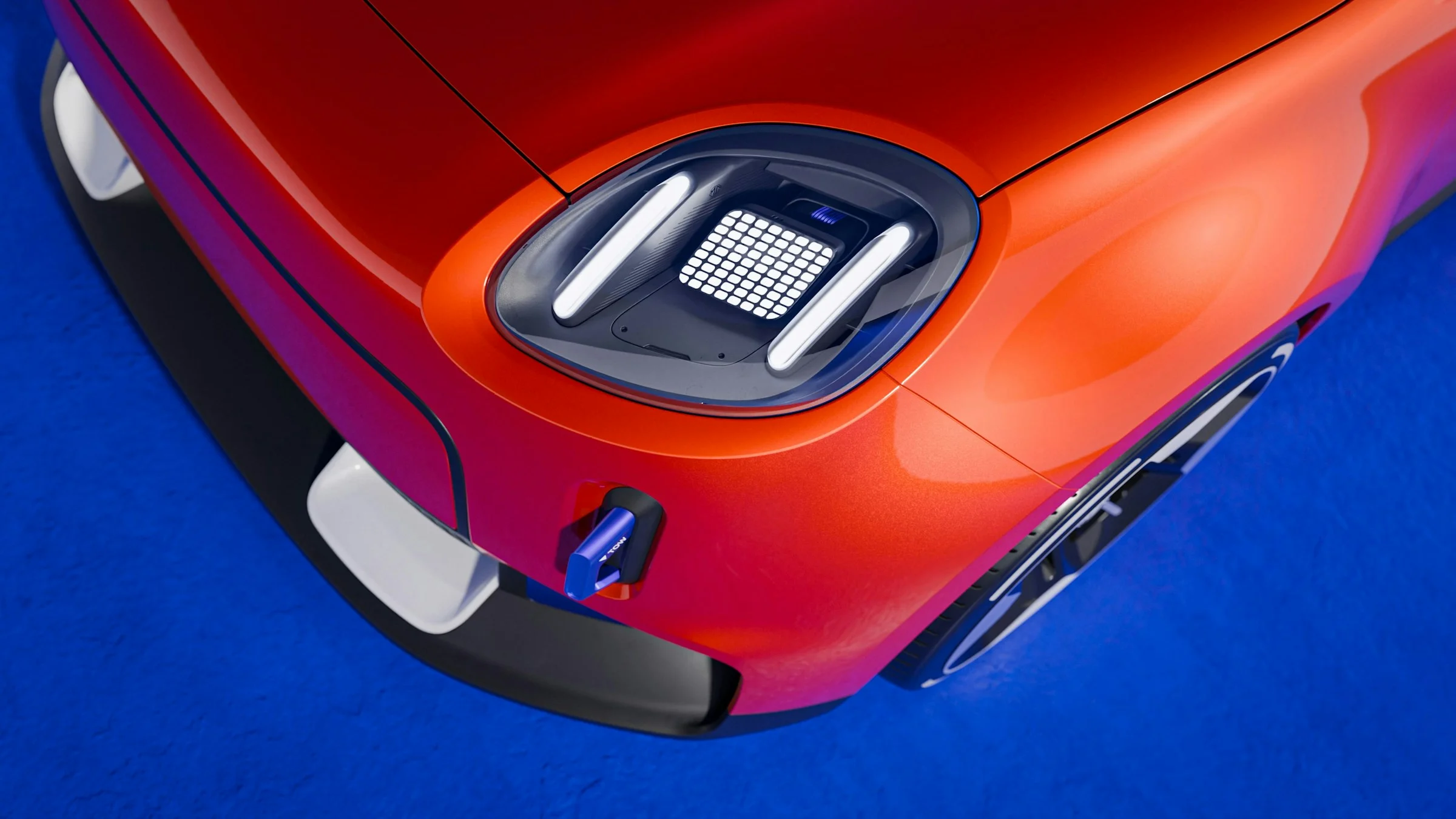
The Pixel Matrix headlight is a concept feature. MG has not said whether the production lamp will retain this construction.
The official photographs make the design intent unusually clear. GO! has a wide track, lowered suspension, flared wheelarches, 20-inch wheels and a short five-door body. Its oval mirrors and pixel-style lamps soften a front end that otherwise uses a deep splitter, large openings and an exposed towing eye. This mixture gives the show car a small touring-car stance without tying the production model to a racing specification.
The dramatic parts are not production specifications
Several visible details are unlikely to survive unchanged if MG wants the road car to be affordable, efficient and comfortable on damaged urban surfaces. A 20-inch wheel brings a visual advantage but also adds tyre cost and can reduce ride compliance. The front splitter sits low, while the large rear spoiler and pronounced diffuser would need to satisfy production aerodynamics, impact requirements and manufacturing costs.
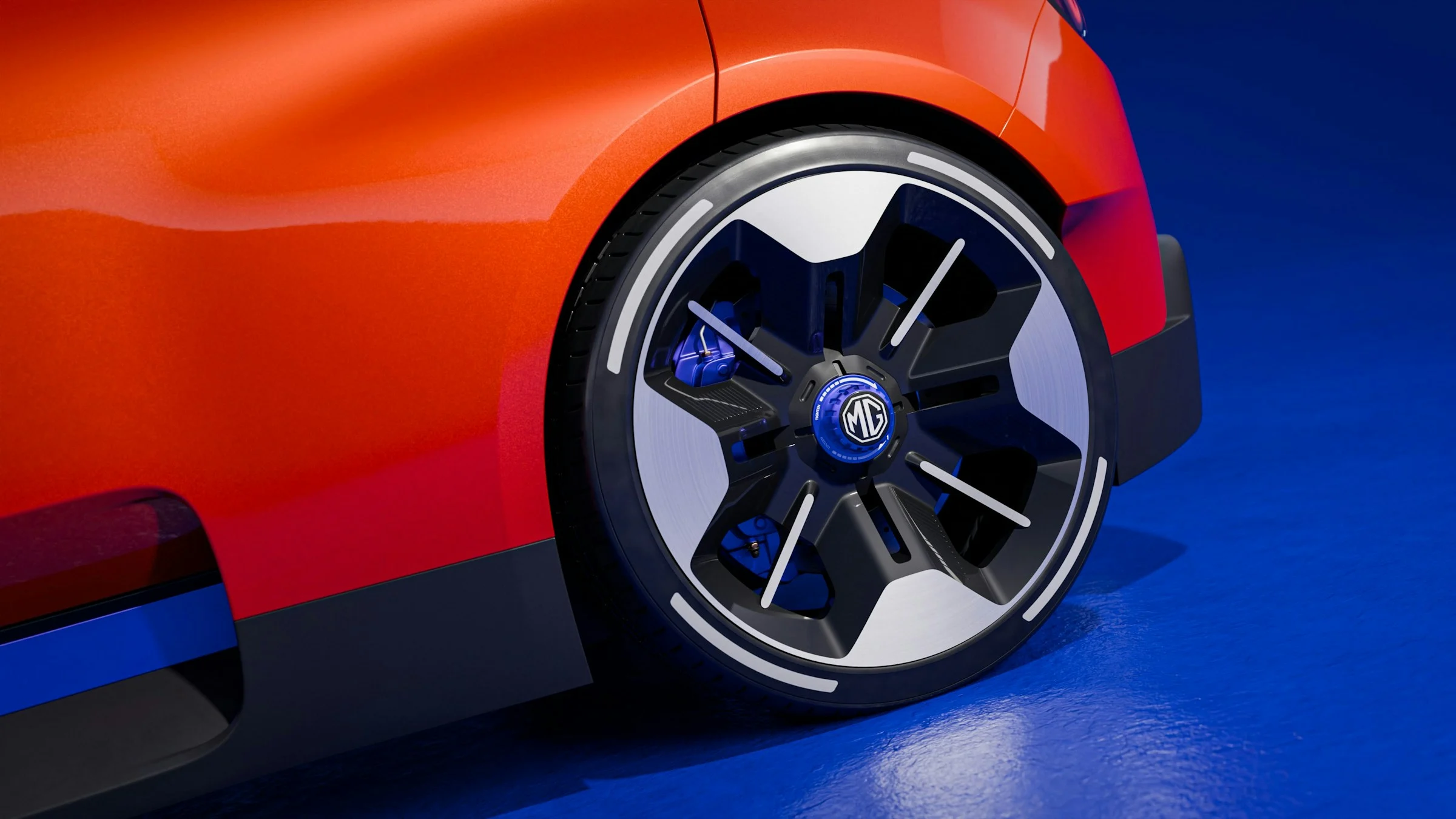
MG lists 20-inch wheels for the concept, not for the 2027 production car.
MG has not shown the cabin. There are no confirmed production figures for screen sizes, boot capacity, rear legroom or the number and placement of physical controls. It would be tempting to assume that the smaller car will adopt the MG4 EV Urban dashboard, but the manufacturer has not made that connection. A clean sheet remains possible until the production interior is revealed.
The same distinction applies to the name. “MG2” would fit below MG3 and MG4, but the official announcements and model page consistently call the show car MG GO! and refer only to a forthcoming compact hatchback. A plausible badge is not yet an announced badge.
Battery, range and platform remain unknown
No official MG GO! release identifies a battery capacity, motor output, charging rate or electric range. MG has also not named the production platform. That leaves a large gap between the detailed exterior imagery and the facts a buyer needs.
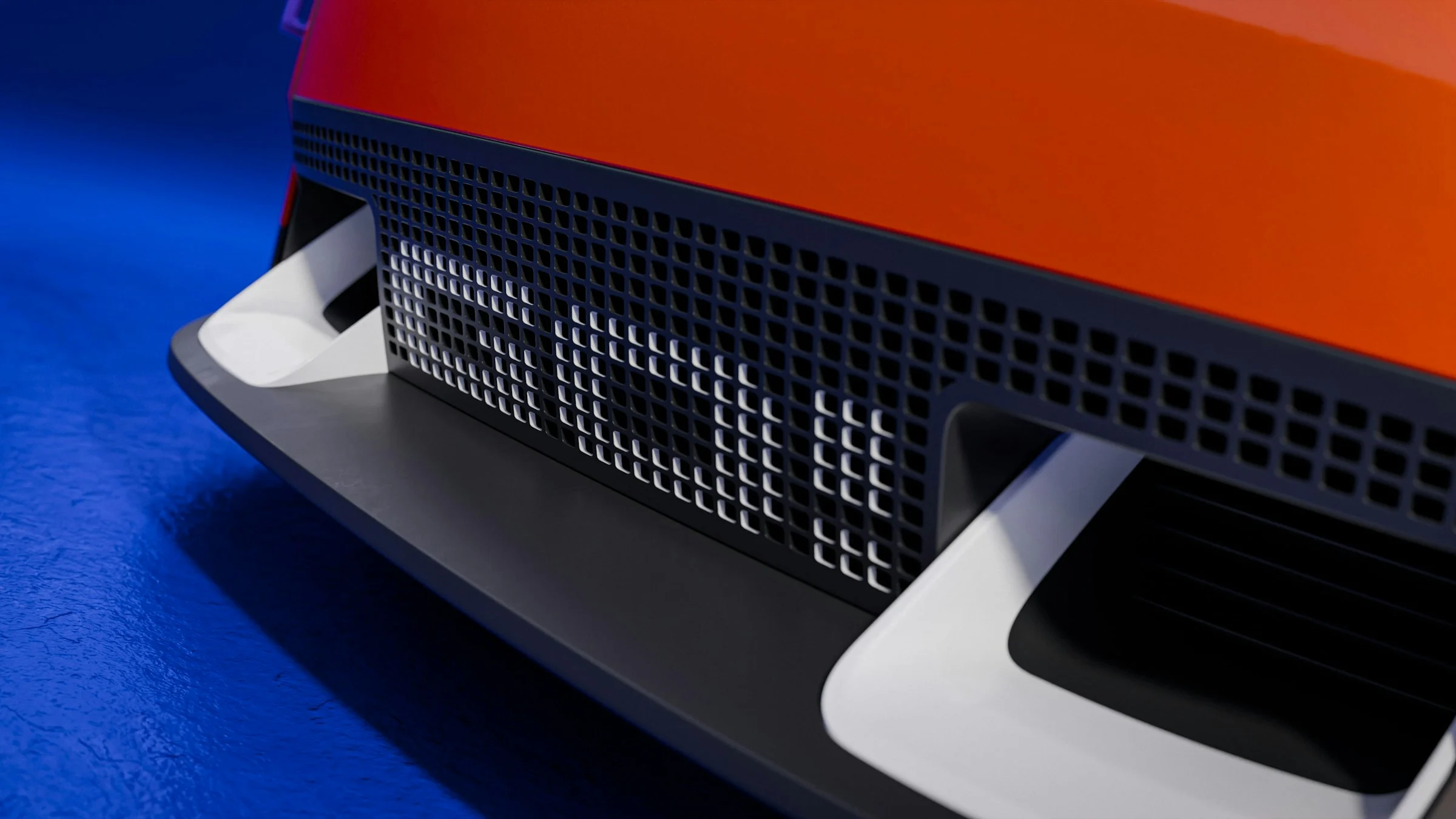
The low splitter is part of the show car’s visual theme and may be simplified for series production.
MG’s existing E3 architecture provides useful company context, but not a specification sheet for GO!. In the MG4 EV Urban, E3 uses front-wheel drive and LFP batteries of 43 kWh or 54 kWh. Official European data lists up to 416 km WLTP for one 54 kWh version, with a 10–80% DC charge in 28 to 30 minutes depending on battery. Using E3 for the smaller model would be logical, yet MG has not confirmed that decision. Those MG4 figures must not be carried over to the future supermini.
That uncertainty also prevents a responsible price or ownership-cost comparison. Battery chemistry, usable capacity, thermal management and charging speed influence both manufacturing cost and daily convenience. Warranty terms and local standard equipment will matter just as much when the car reaches individual European markets.
ID. Polo and Renault 5 set measurable targets
Volkswagen’s ID. Polo demonstrates the level of information MG still has to provide. In Germany, the ID. Polo starts at €24,995. It uses a 37 kWh net LFP battery for up to 329 km WLTP or a 52 kWh net NMC battery for up to 454 km. Volkswagen quotes approximately 23 to 24 minutes for a 10–80% DC charge, depending on the battery.
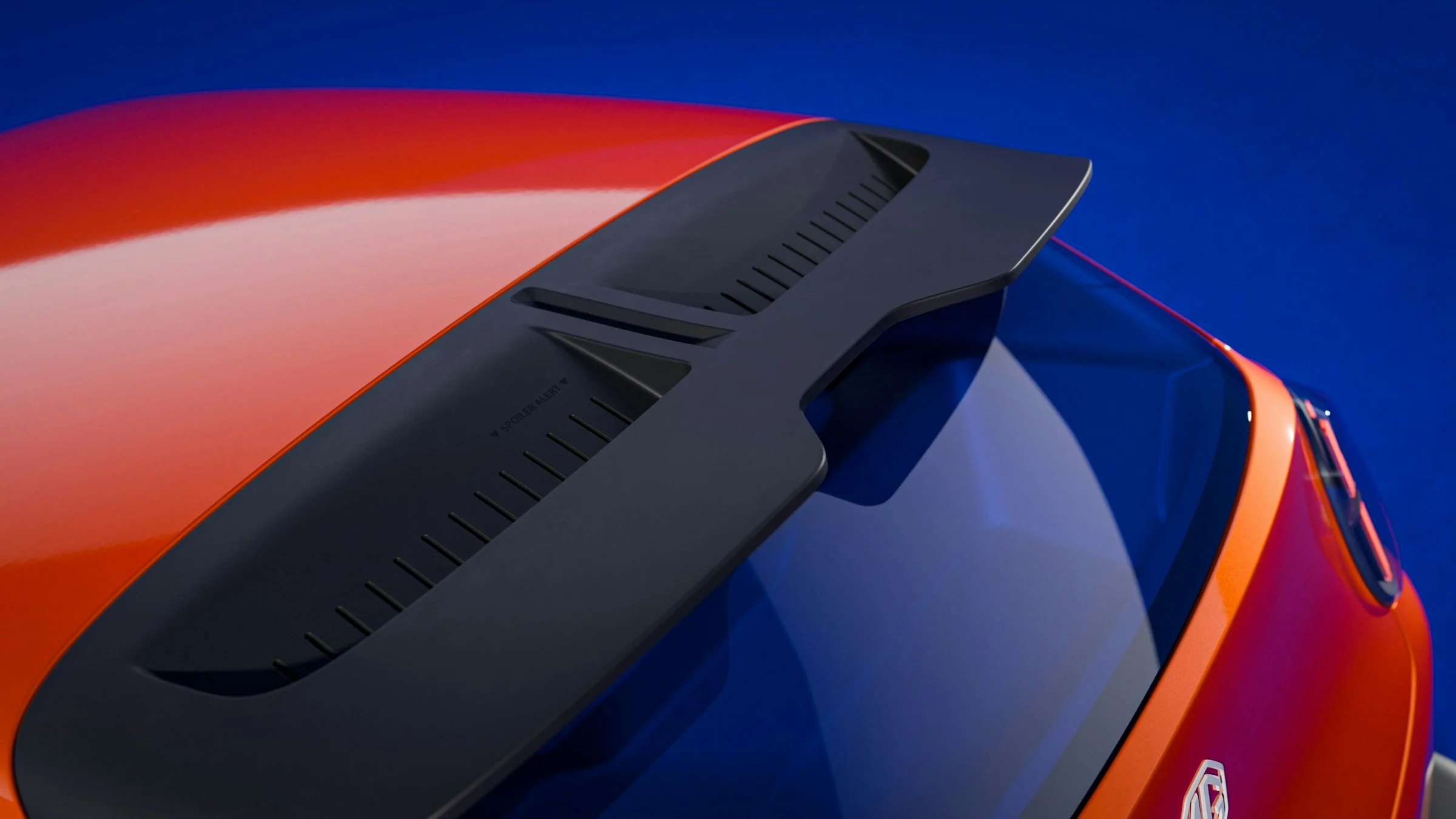
The prominent roof spoiler belongs to the concept; the production tailgate has not been revealed.
The Volkswagen is 4,053 mm long, has a 2,600 mm wheelbase and a 441-litre luggage compartment. These homologated figures create a practical benchmark for passenger packaging and luggage capacity. GO! currently has no published production dimensions, so photographs cannot establish whether it will match the Volkswagen for interior space.
Renault has also moved the target. Its updated Renault 5 E-Tech electric offers up to 315 km WLTP from the 40 kWh battery and up to 430 km from the 52 kWh pack. A newer entry version uses a 36.5 kWh LFP battery and is rated at up to 305 km WLTP. MG’s final product will enter a class in which rivals already cover more than one battery and price tier.
What the 2027 reveal needs to answer
The production announcement needs to establish the car’s real name, dimensions, usable battery capacity, WLTP range, AC and DC charging limits, heat-pump availability, boot volume, safety equipment and warranty. It also needs country-specific prices and delivery timing. Until then, claims of a summer launch or a price close to €20,000 remain outside MG’s official record.
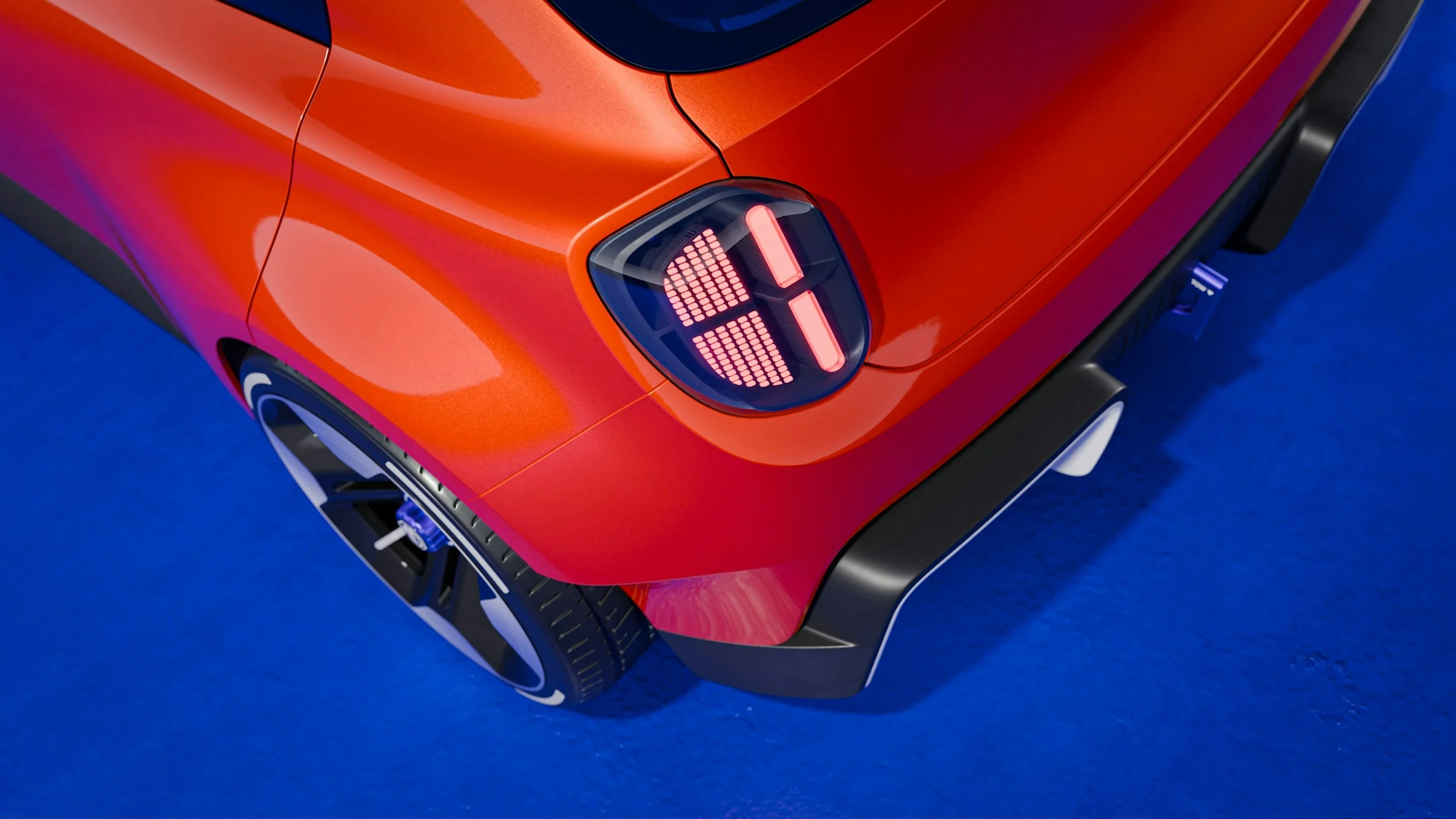
The vertical Pixel Matrix tail-light is one of the concept’s most recognisable elements.
What is confirmed is narrower but substantial: MG is developing a small electric hatchback for 2027, the London studio leads its design, and GO! supplies the visual vocabulary. The six official images show far more than the original silhouette, but they still show a concept. The buyer-relevant story will begin when MG publishes the production car’s engineering and prices.