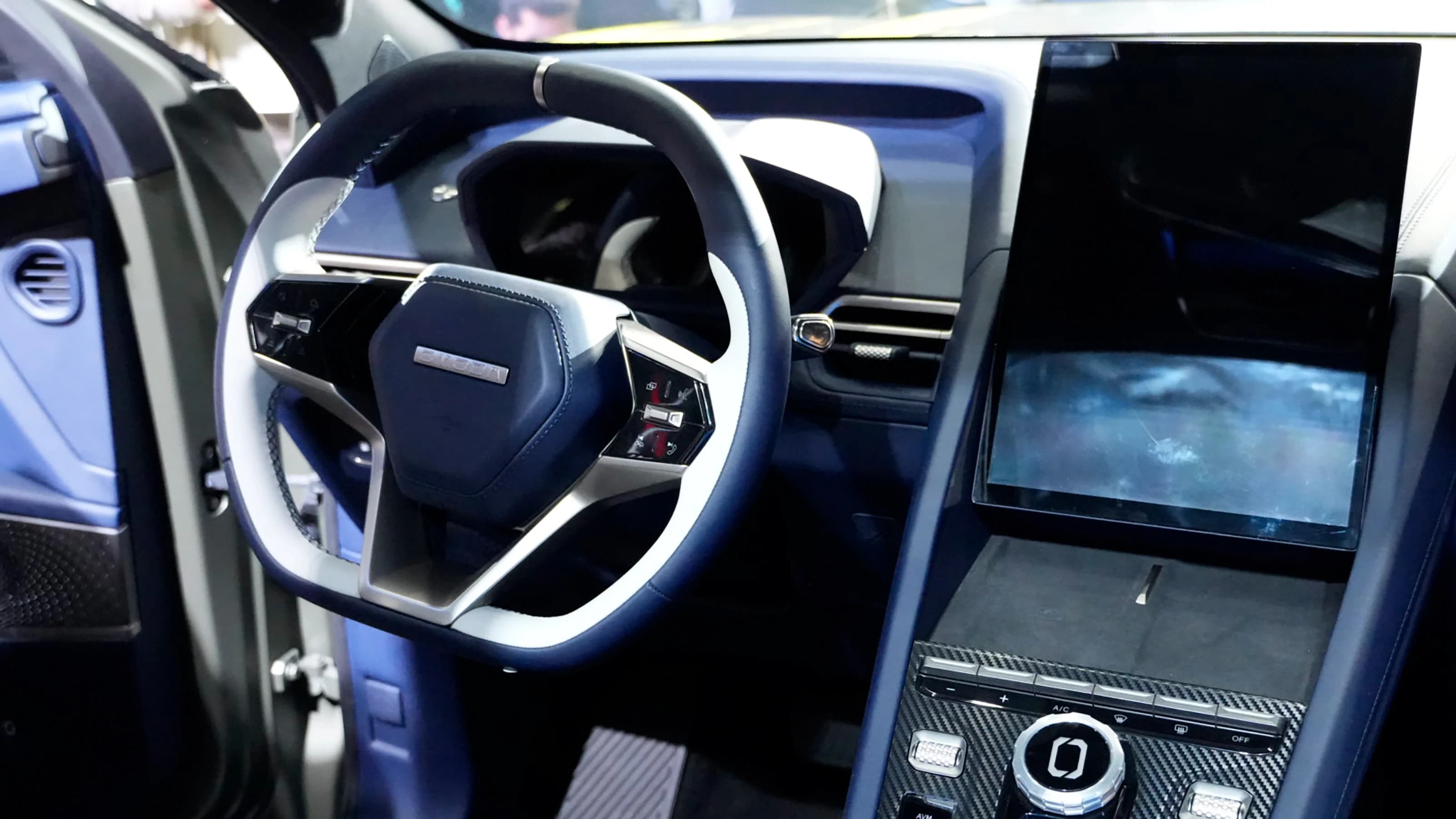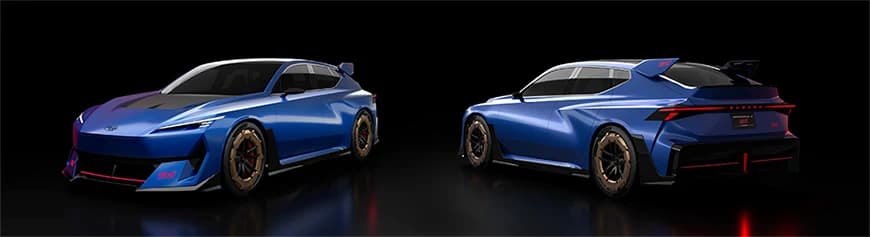
Subaru will stop selling new combustion-powered cars in Europe by the end of 2027 at the latest, according to a confirmation from Subaru Deutschland reported by automotive media. Because every current combustion Subaru uses a horizontally opposed boxer engine, the decision also ends the boxer engine's role in Europe's new-car range. Subaru's official European material already points towards three battery-electric models, but it previously described them as joining the existing BOXER line-up during the transition.
This is a new-car sales decision for Europe, not a ban on existing Subaru vehicles and not a global end to the boxer engine. Owners of an Outback, Forester, Crosstrek or Impreza will still be able to drive, service and repair their cars. Subaru can also keep selling boxer-powered vehicles in markets outside Europe where its product plan and regulatory environment are different.
The Outback is expected to leave first
The reported timetable puts the combustion-powered Outback first. Subaru's European Outback uses a 2.5-litre petrol boxer engine and all-wheel drive. Its replacement in the electric range is the E-Outback, a battery-electric vehicle that shares the name and the broad idea of a capable long-distance family car, but not the engine, platform or refuelling routine.
Subaru Europe introduced the E-Outback as one of three BEVs for Europe in July 2025. The company described the electric model as a new interpretation of the Outback formula, with software-managed all-wheel drive and electric power. That does not make it a battery conversion of the outgoing car. It is a separate product with different packaging, charging requirements and operating costs.
For a buyer, the name is less important than the mechanical change. A petrol Outback can be refuelled quickly across the existing road network. An E-Outback requires access to AC or DC charging and its usable range changes with weather, speed, payload and cabin heating. The replacement may preserve all-wheel drive and practical intent, but it changes how a trip is planned.
Impreza, Crosstrek and Forester follow in 2027
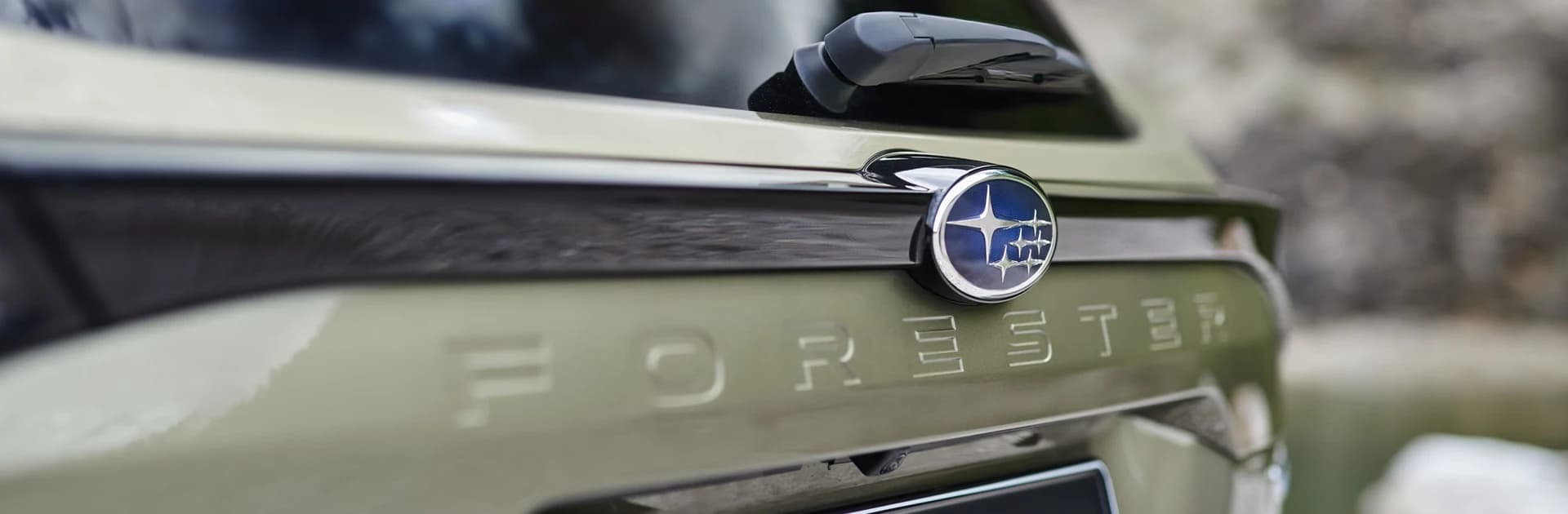
The remaining boxer-powered lines named in reports about Subaru Deutschland's confirmation are the Impreza, Crosstrek and Forester. Their European sales are expected to end during 2027, with the exact timing depending on market, stock and homologation. “By the end of 2027 at the latest” does not necessarily mean that every country will stop taking orders on the same day.
Subaru Deutschland's 2026 information lists the Forester 2.0ie with a 2.0-litre boxer and e-BOXER assistance. The Crosstrek and Impreza are also listed with boxer powertrains and country-specific WLTP fuel-consumption and CO₂ figures. Those pages document the current range; they do not guarantee that every trim will remain available until the final month of 2027.
The e-BOXER name is important here. It is an electrified combustion powertrain, not a battery-electric vehicle. Subaru's system combines a boxer engine, an electric motor and a compact battery. The engine remains the primary energy source and the car still needs petrol. Ending combustion-car sales therefore also removes e-BOXER from the European new-car line-up.
The electric replacement range
Subaru Europe has announced three BEVs for the region: the Solterra, Uncharted and E-Outback. The launch release presented them as zero-tailpipe-emission alternatives alongside the current ICE-based BOXER models. That wording describes the earlier transition phase; the later Subaru Deutschland confirmation sets the end point for the combustion range.
The Solterra is Subaru's established electric SUV and received a revised European specification for the 2026 model year. The Uncharted is a smaller electric crossover offered with single-motor and dual-motor configurations depending on version. The E-Outback is the larger, more practical model. Equipment, prices and delivery timing vary by country, so a general European line-up does not guarantee identical availability in Romania, Germany or the United Kingdom.
All three vehicles also reflect Subaru's relationship with Toyota. The current BEV range uses shared development and supply arrangements rather than an entirely independent Subaru platform. Subaru is separately developing more in-house electric technology for later products, but that engineering programme is not the reason for the immediate boxer phase-out. The European sales plan is driven by product and regulatory decisions already being applied to the market.
Why the boxer is leaving Europe
Subaru Deutschland has pointed to European fleet CO₂ targets and the cost of meeting changing vehicle-approval requirements for assistance and safety systems. A small-volume manufacturer may find it difficult to justify a new certification and hardware programme for each combustion model when European sales are moving towards electric vehicles.
This should not be reduced to one regulation or one deadline. Fleet-average CO₂ rules affect the manufacturer's overall sales mix, while vehicle regulations can require new sensors, software and structural changes. A petrol model can remain technically legal but still become commercially difficult if it raises fleet emissions or needs an expensive update for a relatively small number of buyers.
The electric alternative solves some of those fleet issues but introduces others. Battery sourcing, charging networks, software support and high-voltage service all become part of the ownership decision. For customers who can charge at home and drive mostly in urban or regional traffic, the change may be straightforward. For long-distance drivers without reliable charging access, the move requires more planning than an e-BOXER vehicle.
What the decision does not mean
The European phase-out does not confirm that Subaru will stop producing boxer engines worldwide. The United States, Japan and other markets have different model plans. It also does not mean that every European combustion Subaru will receive a direct electric successor. A name can disappear, or it can be reused on a vehicle with a different body, battery and platform.
Nor does the timetable guarantee that a car ordered in 2027 will be delivered with a particular specification. Dealers may sell existing stock after production ends, while some markets may close orders earlier because of allocation or homologation. Buyers considering a new Forester, Crosstrek, Impreza or Outback should confirm the order deadline, delivery estimate, warranty and parts support with the local importer.
The change is therefore best described as the end of the boxer-powered European new-car range, not the disappearance of the boxer from the roads. From 2028, Subaru's European showroom strategy is expected to centre on the Solterra, Uncharted and E-Outback. They retain Subaru themes such as all-wheel drive on selected versions and outdoor use, but they replace the familiar engine note, fuel stop and mechanical layout with batteries, charging and software.