
Recruitment is being paused, not abandoned
Volvo Cars has introduced a global freeze on white-collar hiring, according to an internal memorandum cited by Automotive News. The measure covers external recruitment and temporarily pauses parts of the internal hiring process while the company reviews talent development, career opportunities and job rotation.
The decision comes as Volvo Cars tries to lower its cost base while demand in the United States and China remains under pressure. It is not being described as a new redundancy programme. Instead, the freeze limits the number of people entering the organisation and gives management tighter control over labour costs while the company works through a broader organisational review.
That distinction matters in a car company. A hiring freeze can leave some approved vacancies open, but it does not necessarily remove every role. Functions connected to vehicle safety, production, type approval or a model launch may still require specialist staff. The memorandum suggests that recruitment will be assessed more selectively, while internal moves and development routes are also being reconsidered.
The move follows the SEK 18 billion plan
In 2025, Volvo Cars announced an SEK 18 billion cost-and-cash action plan. The company estimated that the plan would result in a structural reduction of about 3,000 positions worldwide, including consultants. Around 1,200 employee-held positions in Swedish operations were expected to be affected, with the reductions focused mainly on office-based work.
Volvo said the planned reduction corresponded to about 15% of its global white-collar workforce. The purpose was not to change its electrification ambition, but to create a leaner organisation with a cost base better suited to the market’s current pace and profitability.
The company’s second-quarter 2026 figures show why cost control remains important. Volvo Cars reported revenue of SEK 77.7 billion, compared with SEK 93.5 billion in the second quarter of 2025. The comparison is affected by a SEK 4 billion positive one-off item in the earlier period. Operating income was SEK 0.8 billion, compared with a SEK 10 billion operating loss a year earlier, producing an EBIT margin of 1.1%.
Savings arrived ahead of schedule
In July, Volvo Cars said it had delivered SEK 5 billion of indirect and variable cost savings in 2026, six months ahead of its target. That followed SEK 8 billion of spending savings delivered in 2025. The figures do not mean the pressure has disappeared. They show that the restructuring is already under way and that the hiring freeze is another instrument for keeping costs under control.
Volvo also said its headcount was approximately 3,000 positions lower than in the first half of 2025. The reduction reflects structural changes, not only natural attrition in office functions. Pausing recruitment can prevent the workforce from rebuilding quickly and forces departments to rank programmes more strictly.
The freeze therefore sits between a normal vacancy-control measure and a wider transformation. It can slow the replacement of employees who leave, reduce the use of external recruitment and make internal transfers more competitive. At the same time, it can protect cash while the company decides which capabilities it needs for the next phase of its product and software plans.
Pressure across the US, China and Europe
Volvo Cars has described its external environment as very challenging. In its second-quarter communication, the company highlighted a considerable weakening of the China market for Volvo Cars and for the car industry more broadly. It also pointed to geopolitical uncertainty, pricing effects, tariff exposure and changing customer preferences.
Traditional manufacturers are trying to fund electric platforms, batteries, software, manufacturing upgrades and retail networks at the same time. Electric-car adoption is growing, but not at the same speed in every market. A staffing plan designed during a growth phase can become expensive when volumes, pricing or margins weaken.
The freeze also reflects the difference between strategic hiring and general expansion. Volvo still needs capabilities in software, engineering, electrification and customer experience, but management may prefer to move existing employees or consolidate teams instead of adding headcount. That is why the internal memorandum mentions career development and job rotation alongside recruitment.
Sweden is being reorganised
In August 2026, Volvo Cars announced that it would bring more Swedish competencies and resources together in fewer locations. Most responsibilities from the Stockholm office will move to the company’s headquarters in Gothenburg, and the Stockholm office is scheduled to close on 1 March 2027. About 450 employees are currently based there.
Volvo said the change should simplify the organisation, reduce complexity and improve cross-functional cooperation. The Stockholm office helped build expertise in software development, artificial intelligence and digital customer experiences. The company said those capabilities remain important even as the location and structure of the teams change.
The announcement is separate from the global hiring freeze, but it illustrates the same effort to reduce duplication and make the organisation more focused. Combining teams can lower facility and management costs, although the practical effect on employees depends on relocation, role changes and discussions with employee representatives.
Product investment continues
Pausing recruitment does not mean Volvo Cars has stopped developing new vehicles. At its September strategy update, the company presented plans for its largest product offensive so far, with 13 regionally tailored electrified cars. Volvo is targeting a long-term EBIT margin above 8% and intends to use synergies with Geely more effectively.
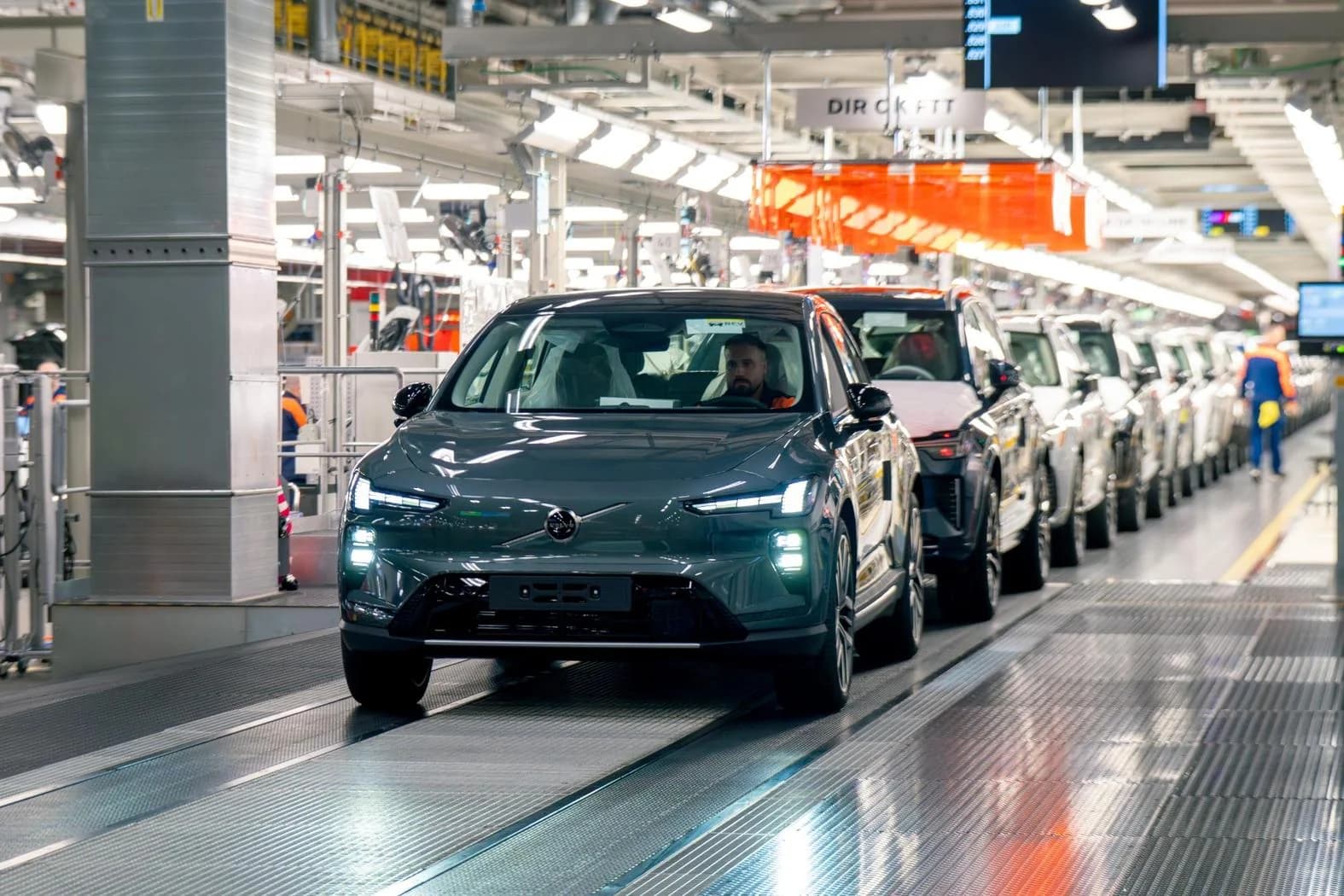
The company has also started production of the electric EX60 at its Torslanda plant, with deliveries expected to ramp up in the second half of 2026. Volvo has separately discussed the competitiveness of its Ghent manufacturing plant with Belgian and Flemish authorities, including possible contract assembly opportunities for vehicles from other brands.
These projects show that cost reduction and product investment are happening at the same time. Volvo is trying to protect funding for launches, software and electrification while cutting roles and processes that management no longer sees as essential to the next stage of the business.
What remains unknown
Volvo has not said how long the global hiring freeze will last or how many positions are directly affected by the memorandum. Nor has it confirmed that the measure will lead to redundancies beyond the reductions announced in 2025. The final impact will depend on sales, the implementation of the regional strategy and discussions with employee representatives.
For now, the freeze is a sign of financial caution rather than a withdrawal from electrification. Volvo Cars is trying to operate with a smaller and more selective organisation while dealing with uneven demand, pricing pressure and the cost of launching a new generation of electrified vehicles.


