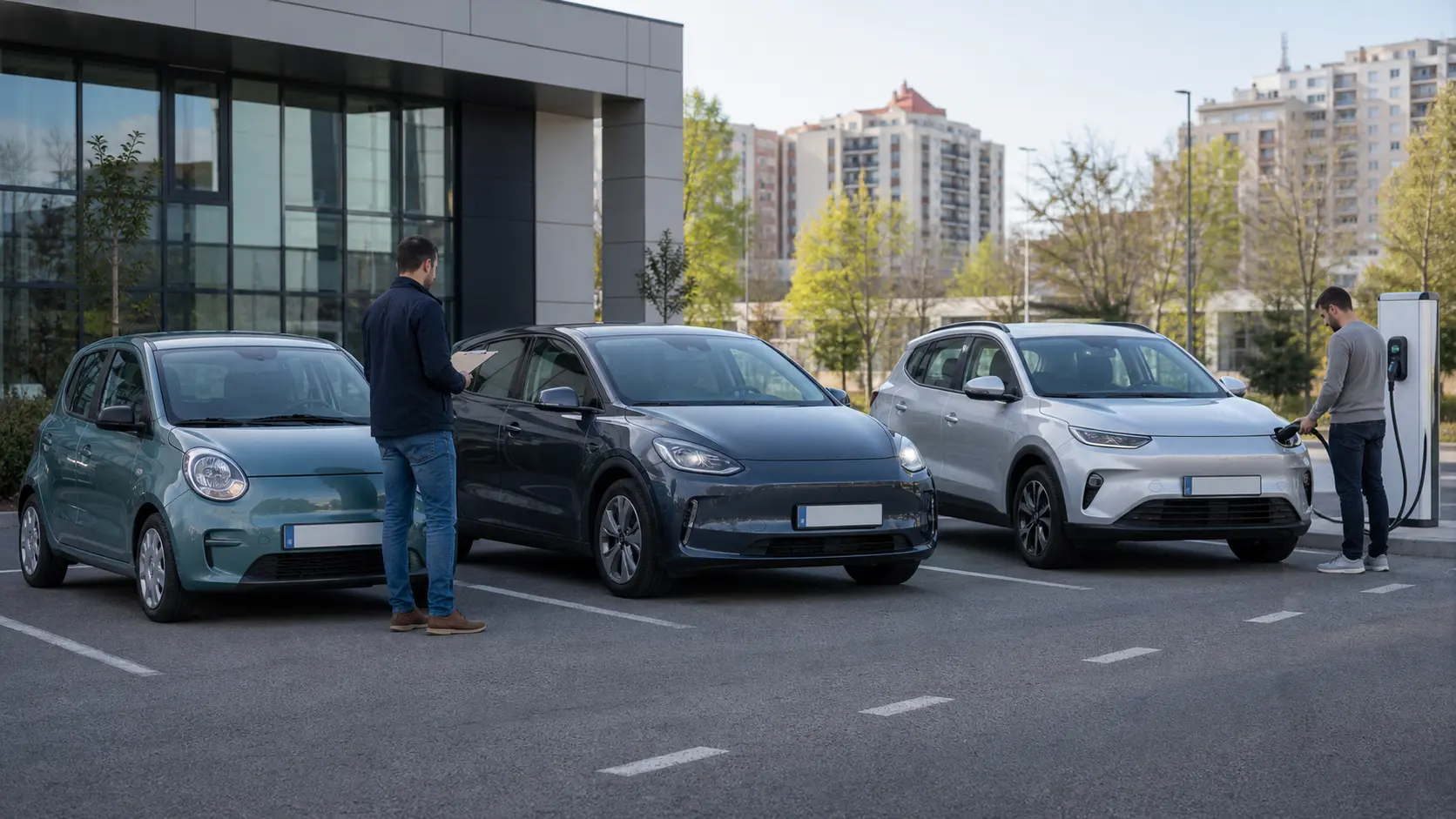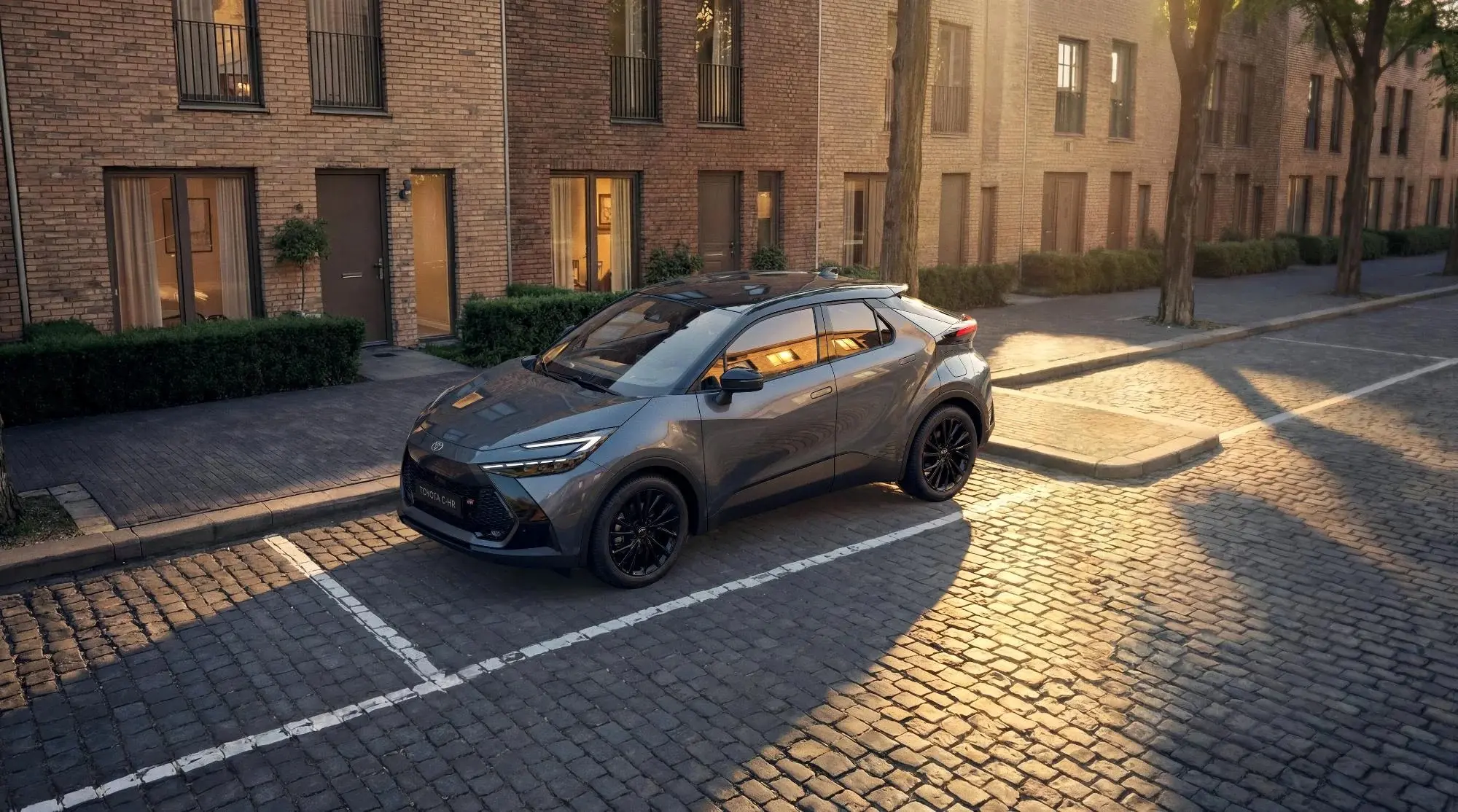
A £7,000 ceiling buys an older used car, not a reliability guarantee. The sensible approach in the UK in 2026 is to search for a sound example of a modest engine, leave money for tax, insurance and immediate maintenance, and use the model name only to narrow the adverts. This is a set of realistic search targets rather than a statistical ranking. An immaculate, documented car outside this list can be a better purchase than a neglected example of a supposedly safe choice.
Make the budget work
If £7,000 is the total available, search around £5,800–£6,300. Keep the rest for a service, tyres, brakes, a battery, insurance changes and the unpleasant surprise that no advert can rule out. A recent MOT reduces uncertainty about basic roadworthiness, but it is not a warranty or a mechanical inspection. Read the advisories and the mileage pattern, rather than treating a fresh pass as a clean bill of health.
For short urban trips, a naturally aspirated petrol manual is usually the easier proposition to assess. A diesel can suit a long commute, but a diesel bought for school runs may bring an expensive emissions-system decision later. Check the actual registration number in the official services before travelling: a generic trim description or a seller’s claim about emissions compliance is not enough for London driving.
Ten UK cars worth searching for
1. Honda Jazz GE 1.4 i-VTEC, 2009–2015
The second-generation Jazz is a useful target for a small-car buyer who needs a tall cabin, folding rear seats and easy town manners. Look for the 1.4 i-VTEC with a five-speed manual if you want the most straightforward drivetrain to appraise. The CVT can also work, but it deserves a more careful transmission check and evidence of the correct fluid service.
Ask for a cold start and listen for an even idle once the engine warms. Check the clutch for judder and slip, then operate every part of the Magic Seats system; a car bought for its clever interior should not have seized hinges or damaged latches. On a lift, pay particular attention to sills, rear suspension areas and brake pipes, especially on a car that has spent years near the coast or on salted winter roads. Test the heater fan, air-conditioning and dashboard switches rather than assuming a Honda will make them trouble-free.
Walk away from a CVT that shudders, drones under gentle acceleration or has no service evidence. Avoid serious corrosion, mismatched paint with no explanation and an interior whose wear is far beyond the stated mileage. A Jazz used for short urban deliveries may be mechanically tired despite a tidy advert.
2. Toyota Yaris XP130 1.33 VVT-i, 2011–2016
The XP130 Yaris is a sensible small hatch for commuting, parking in tight streets and occasional motorway work. The 1.33 petrol with a manual gearbox is the version to put at the centre of the search; it offers more breathing room than the smallest engine without turning the car into an expensive proposition. Hybrid versions need their own battery and hybrid-system assessment, so do not transfer petrol advice to them.
Review the MOT history for mileage consistency and repeated advisories, then request invoices for oil, brakes and clutch work. At the car, listen for a noisy cold-start chain, check the engine for leaks and make sure the coolant temperature behaves normally. Inspect the rear brakes and suspension on a lift, and look at the underside for corrosion rather than relying on the clean appearance of the body. Imported cars need a proper story for the time before UK registration.
Do not buy one with a missing key, a dashboard warning that has just been reset or a large gap between pedal wear and recorded mileage. A Yaris that has been used for courier work may have a hard life hidden behind an attractive fuel-saving reputation.
3. Suzuki Swift AZ 1.2 VVT, 2011–2016
The AZ Swift is light, enjoyable at modest speeds and compact enough for a new driver or an urban household. The 1.2 VVT petrol manual is the natural search target. Four-wheel-drive versions can make sense in rural areas, but they add a prop shaft and rear differential that deserve inspection; they do not turn worn tyres into winter security.
On the standard car, check the cold-start chain noise, oil seepage, clutch take-up and steering assistance. Test the air-conditioning, central locking and all warning lamps. Examine the front subframe, floor and sump for corrosion or impact damage. For an SZ4 or other heavily equipped car, make sure the extra electrical features actually work rather than paying for a list of options.
An AllGrip deserves four matching tyres with similar tread depths, a quiet drivetrain on overrun and no evidence of differential leaks. Avoid modified suspension, an ABS or airbag lamp, and cars with a patchwork of cheap tyres. If you regularly carry adults in the rear or spend every week on motorways, the Swift’s modest size may be the wrong compromise even when the individual car is sound.
4. Mazda2 DE 1.3 petrol, 2008–2014
The DE Mazda2 is a light hatch with direct controls and a simple 1.3 petrol engine. It suits a buyer who values easy parking and modest running costs more than rear-seat space. The manual petrol is the version to seek; the diesel is a different ownership proposition and should not be selected simply because its advertised economy looks attractive.
Rust is the defining inspection theme here. Look inside the wheel arches, around sills and seams, beneath the boot trim and along the underside. Use a lift and a proper light, not a quick crouch at the kerb. Check the 1.3 for oil leaks and an even idle, then assess the clutch, exhaust, rear brakes and suspension. An MOT history full of corrosion advisories is more useful than a seller’s assurance that a recent repair has solved everything.
Avoid a car with perforation, freshly undersealed areas that hide the metal or a low price justified by “just cosmetic” rust. Also walk away from a diesel that has been used for short trips without evidence of appropriate care. The Mazda2 makes sense when its body is healthy; the badge cannot rescue a rotten shell.
5. Ford Fiesta Mk7 1.25 Duratec, 2013–2016
The 1.25 petrol Fiesta is one of the most useful UK search targets for a small car: plentiful, easy to drive and supported by independent garages. Seek a manual example with a clear service trail rather than chasing a high trim. The engine is not quick, but it is a more predictable starting point than buying an older turbocharged version with unknown modifications.
Check the cambelt documentation and the condition of the auxiliary belt, then listen for rattles and inspect the cooling system. During the drive, feel for a heavy clutch, a notchy gearbox and steering vibration. On a lift, inspect front suspension components, brake pipes, the exhaust and the rear axle area. Check the windscreen, heated screen, air-conditioning and electric windows; neglected electrical faults can make a cheap Fiesta less cheap.
Do not buy a car with a missing service history, a remapped engine or signs of repeated front-end damage. A Fiesta that has been used by a learner driver may have clutch and wheel damage despite low mileage. Read the MOT advisories for patterns, not just the latest result.
6. Hyundai i10 PA 1.2 petrol, 2009–2013
The first-generation i10 with the 1.2 petrol is a useful city-car target for a buyer who wants an uncomplicated manual hatch. It has more usable performance than the smallest engine and remains easy to place on narrow streets. Look for a privately owned example with an honest service file rather than a cosmetically polished fleet car.
Inspect the front and rear subframes, sills and brake pipes for corrosion, then check the 1.2 for oil seepage and a stable idle. The clutch should engage cleanly, and the steering should not knock over broken surfaces. Test the heater, fan speeds, air-conditioning and rear wiper. A small car often suffers from short journeys, so battery age and exhaust condition deserve attention alongside the engine.
Avoid structural rust, a car that has failed repeatedly on the same corrosion issue, or one with a non-standard immobiliser and unexplained electrical work. The i10’s low purchase price is not a reason to ignore a weak underside. If you need regular motorway journeys with four adults, choose a larger model instead of overworking a city car.
7. Kia Picanto TA 1.25 petrol, 2011–2016
The second-generation Picanto is another useful urban proposition, and the 1.25 petrol gives it enough flexibility for short motorway sections. A five-door manual is the useful configuration for daily life. Automatic cars are available, but they need their own road test and should not be selected solely because they look inexpensive.
Examine the clutch and gear selection, then inspect the exhaust, brake pipes and suspension for corrosion. Check the underside around the rear axle and mounting points, especially if the car has spent winters on salted roads. The engine should start cleanly and idle consistently; watch the temperature gauge and inspect for coolant staining. Test the air-conditioning, steering controls and rear doors because city cars are often used hard by several drivers.
Do not proceed with a Picanto showing serious underside rust, a slipping clutch or an unexplained ABS lamp. An ex-driving-school car needs a particularly careful pedal, seat and gearbox inspection. The small dimensions are a benefit in town, not a substitute for a proper maintenance budget.
8. Skoda Fabia II 1.4 16V, 2010–2014
The Fabia II 1.4 16V is a sensible target for buyers who want a small car with a more solid-feeling cabin and useful boot. The naturally aspirated petrol manual is the version to prioritise at this budget. A newer Fabia with a turbo engine can be a good car, but the exact engine and service record matter too much to buy on the newer registration alone.
Ask for proof of the cambelt replacement and check when the next one is due. Inspect the 1.4 for oil leaks and listen from cold, then assess the clutch, gearbox and cooling fan. A lift inspection should cover the front subframe, rear axle area, brake pipes, dampers and jacking points. Use a diagnostic scan as a supplement to the drive, not as permission to ignore a worn suspension.
Avoid DSG versions without specialist transmission records, modified cars and examples that have been used for tuition. Examine the driver’s seat and dual-control holes where relevant. If repeated MOT advisories show the same brake or corrosion issue, price the repair from an independent garage before considering the car.
9. Vauxhall Astra J 1.4 petrol, 2010–2014
The Astra J is a larger, comfortable hatch that can suit a couple or small family who want more motorway stability than a city car. The naturally aspirated 1.4 petrol manual is the conservative search target; do not buy the 1.4 Turbo simply because it is more powerful if the history is incomplete. Estate versions add useful carrying space but may have worked harder.
Check the timing-chain area for abnormal noise, examine the cooling system and make sure the engine reaches normal temperature. On the road, assess the clutch, gearshift and braking, then listen for front suspension knocks. A lift should include the rear brake pipes, subframes, exhaust and oil leaks. Test the parking brake, air-conditioning, heated seats if fitted and every warning lamp.
Leave an Astra with coolant loss, a noisy chain, persistent electrical faults or a history of heavy towing unless the price and evidence genuinely account for it. A large hatch can conceal higher tyre and suspension costs than a supermini. Buy the condition, not the apparent amount of car for the money.
10. Toyota Auris E150 1.33 petrol, 2009–2012
The first-generation Auris 1.33 petrol is a useful target for a buyer who wants a straightforward Toyota hatch rather than a larger diesel. It has enough space for ordinary family use and a seating position that some people prefer to a conventional compact. The manual petrol is the configuration to search first; older diesels and hybrid cars require different checks and usage patterns.
Review the MOT history for recurring suspension, brake or corrosion advisories. At the car, listen to the cold-start chain, check oil and coolant levels, and test the clutch and gearbox. Examine the rear brakes, springs, underbody and exhaust on a lift. A road test should include slow manoeuvres, a faster road and repeated braking so that wheel-bearing noise, steering pull and clutch slip have a chance to appear.
Do not buy one with unexplained oil consumption, a missing key or an interior that contradicts the mileage. Avoid an imported car with no pre-UK records and any vehicle where the seller will not allow a cold start. The Auris can be a calm ownership choice, but only after the individual car earns that confidence.
Shared checks: paperwork, inspection and payment
Before travelling, get the registration number, make, model and MOT test details. Use GOV.UK to compare the seller’s description with DVLA data, read every MOT result and note mileage, failures and advisories. A pass is evidence of a test result, not proof that the clutch, timing components, air-conditioning or engine will last. Check recalls through the manufacturer or the official guidance when relevant.
At the viewing, see the V5C log book and match the registration, VIN, make, model and keeper details. A V5C is not proof of ownership, so check the seller’s identity and use a reputable history check for outstanding finance or theft status. Never pay because a seller says the log book will arrive later. Compare the VIN on the car with the documents and walk away from damaged plates, mismatched stamps or pressure to meet somewhere unusual.
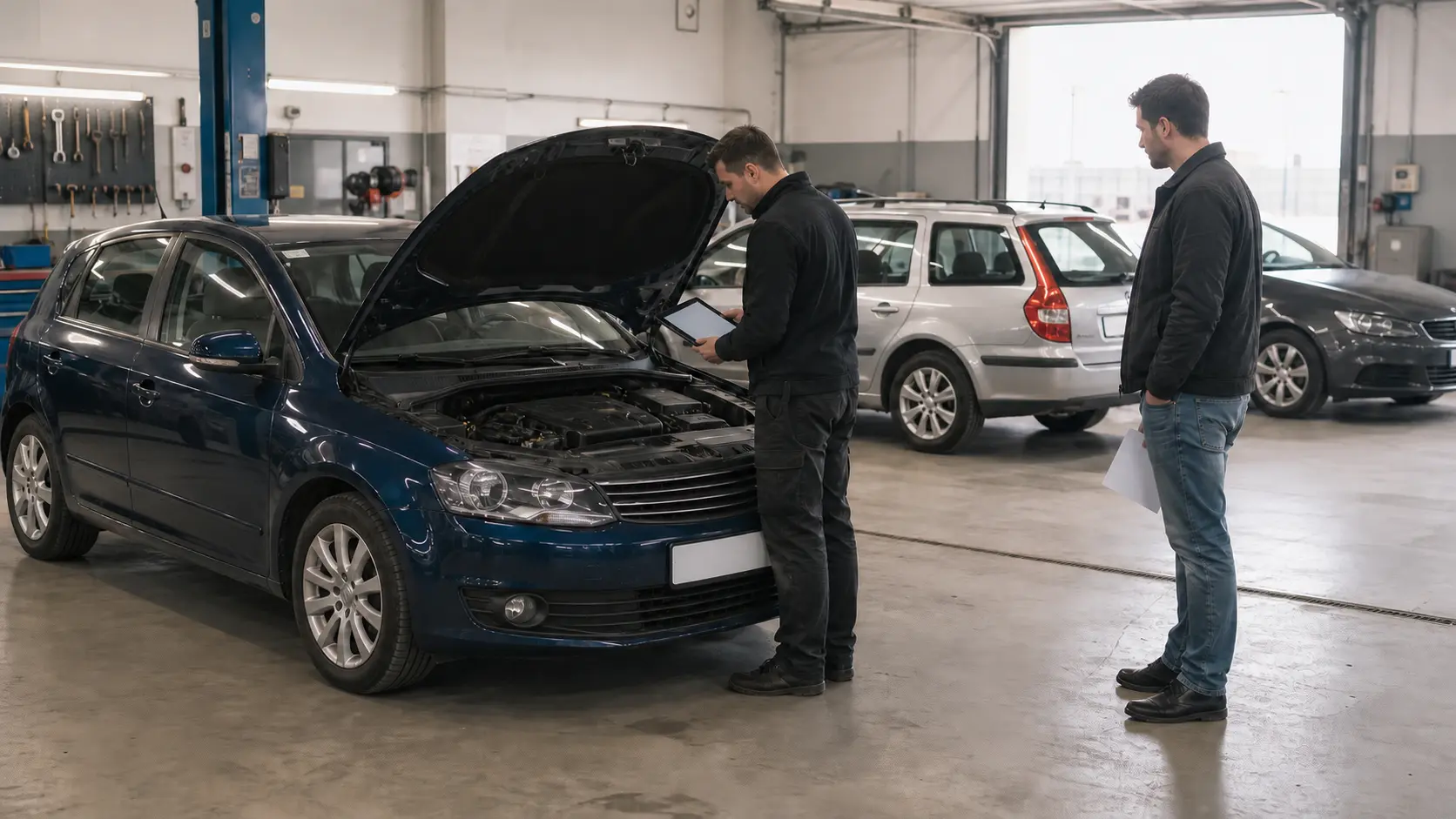
Arrange an independent inspection on a lift before paying a non-refundable deposit. Ask the mechanic to report separately on structure, corrosion, leaks, brakes, suspension, tyres, clutch, cooling and diagnostic faults. Take a cold-start video only as an aid; it is not a substitute for seeing the car cold. Drive at town speeds, over a rough surface and on a faster road where legal. Do not use a fresh MOT to negotiate away a serious mechanical fault.
UK tax, MOT, registration and emissions zones
An MOT is required annually once a car is more than three years old, subject to the rules for the vehicle’s age and type. GOV.UK says the test checks road-safety and environmental standards; it does not amount to a warranty. If the MOT has expired, you cannot normally drive or park the car on the road, except for the limited journey to a pre-arranged test or repair. Confirm the status before collecting it.
Vehicle tax does not transfer from the seller. The buyer must tax the car before using it on the road, normally with the green new-keeper slip or the V5C reference. Check the current rate against the registration date and emissions data rather than trusting an old advert. Insurance must also be active before driving. A private plate or a recent change of keeper can make online checks confusing, so match all identifiers carefully.
For London, check the registration number with Transport for London before buying. ULEZ charges and compliance are separate from MOT and vehicle tax; a car can have a valid MOT and still be chargeable. The Congestion Charge and other road-user charges may also apply depending on the route. Other UK cities operate their own clean-air rules, so check the council or scheme operator for the places you actually visit. Do not assume that a Euro badge on an advert is enough.
Verdict
The Jazz, Yaris, Swift, Mazda2, Fiesta, i10 and Picanto are sensible small-car searches; the Fabia and Auris add practical compact alternatives, while the Astra brings more space for buyers willing to budget for larger-car wear. None is automatically reliable at this age. A matching V5C and VIN, a consistent MOT history, a healthy underside, an independent inspection and money left after purchase matter more than a badge. If the seller refuses those basics, leave the advert behind and keep looking.