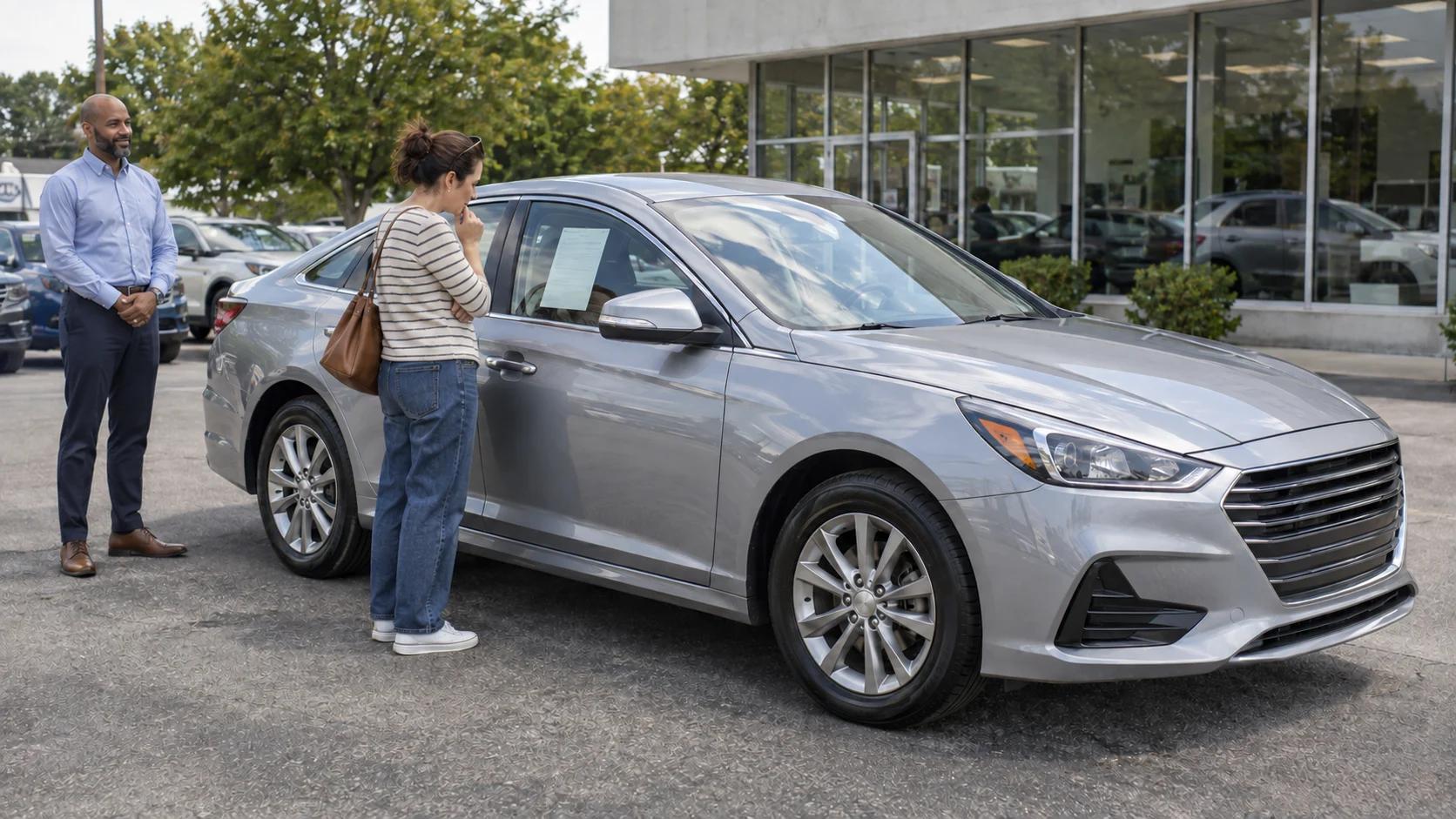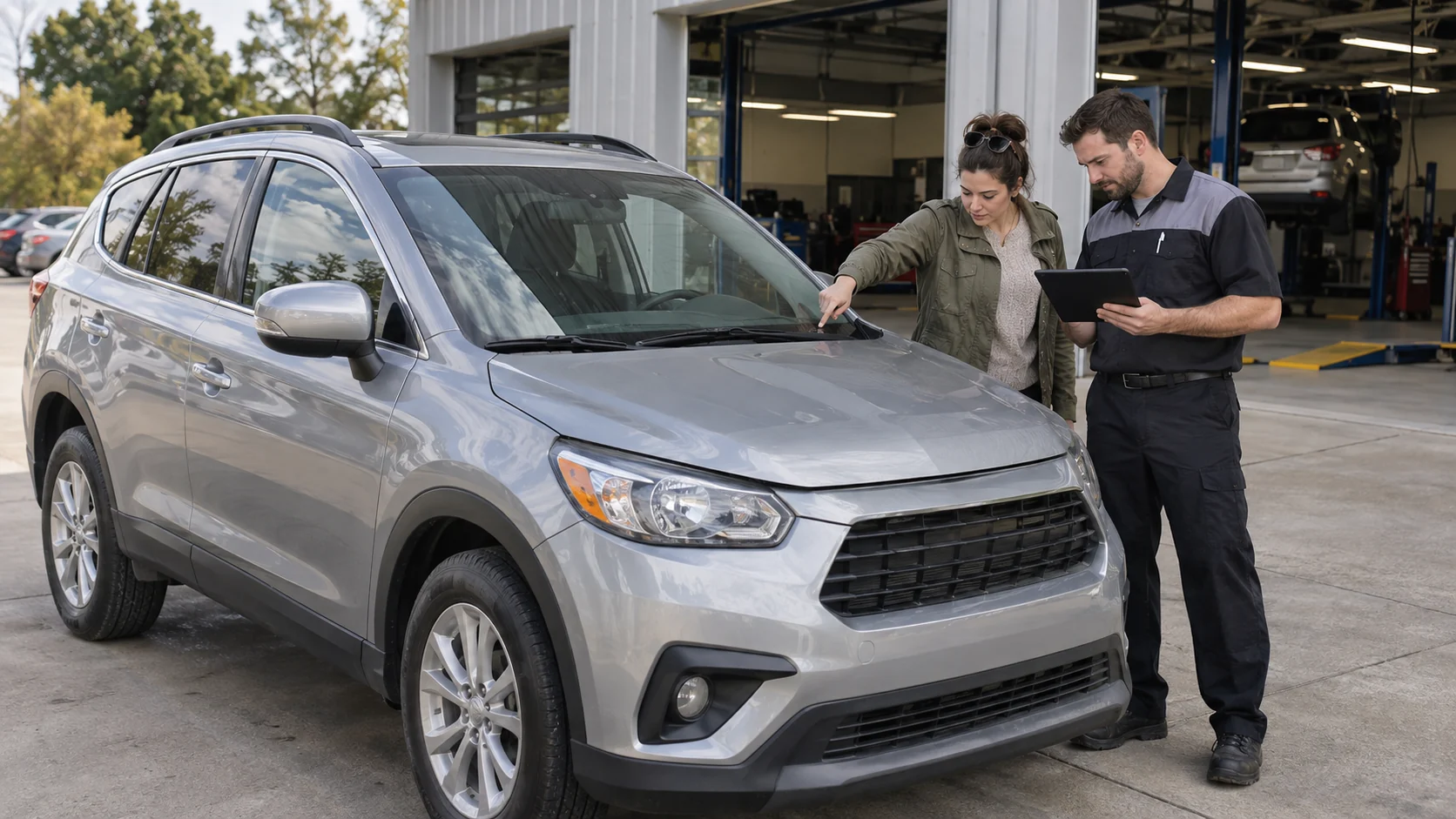
A U.S. dealer can generally sell a used car with an open safety recall because the federal stop-sale rule applies to new vehicles, not every used vehicle. State rules and dealer or manufacturer policies may be stricter. Before buying, run the exact VIN through NHTSA, read the recall instructions and require a written answer on when and where the remedy will be completed.
An open recall does not automatically make a used car a bad purchase. It does create a problem that price, a clean history report and a dealer's multipoint inspection do not resolve. The decision depends on the defect, any warning not to drive or to park outside, whether a remedy exists, and whether the manufacturer will perform it at no charge.
Check the VIN, not only the model year
Use the 17-character VIN in NHTSA's recall lookup. A year-make-model search shows campaigns that may cover similar vehicles; a VIN search is the practical check for an individual car. Compare the VIN in the result with the windshield plate, title and sales documents.
NHTSA says its VIN result can show an unrepaired recall reported by participating manufacturers. It will not show a recall that has already been repaired, some newly announced campaigns whose affected VIN population is still being identified, non-safety service campaigns, certain small-manufacturer records or recalls older than 15 years unless the manufacturer provides longer coverage.
That limitation changes how to read “0 unrepaired recalls.” It is useful evidence, not a lifetime certificate. Ask a same-brand dealer to check the manufacturer's system as well, especially when a campaign was announced recently or the car was imported.
The FTC also directs used-car shoppers to check for open recalls. Keep a dated PDF or screenshot of the VIN result with the purchase file. If the result changes before delivery, the saved record shows what was available when the deal was negotiated.
Does the dealer have to repair it before sale?
Federal law prohibits delivery of a new vehicle with an unrepaired safety recall. It does not impose the same broad prohibition on ordinary used-car sales. A state may add disclosure or sale restrictions, and a manufacturer's certified pre-owned program may prohibit certification while a recall remains open.
Do not treat “certified,” “inspected” or “safe” as proof that every recall was completed. In FTC enforcement cases, dealers that promoted rigorous inspections were required either to offer cars free of open recalls or clearly disclose that an unrepaired recall might exist and explain how a consumer could check.
Read the FTC Buyers Guide on the window, but do not expect it to function as a VIN-specific recall certificate. The Guide mainly tells you whether the dealer offers a warranty or sells the car “as is.” Our separate U.S. used-car warranty guide explains why that warranty box and a manufacturer recall are different obligations.
Ask the seller to put these points in writing:
- the NHTSA recall number and the manufacturer's campaign number;
- whether the remedy is available now;
- which authorized dealer will perform it;
- whether parts have been ordered and an appointment is confirmed;
- whether delivery is delayed until completion;
- what happens to the deposit if the remedy is delayed or the manufacturer says the car cannot be driven.
A promise to “take care of it later” is not a schedule. If the sale depends on repair before delivery, make that a condition of the purchase order rather than an oral assurance.
When recall work should be free
For an eligible safety recall, the manufacturer must provide a remedy such as repair, replacement, refund or, rarely, repurchase. NHTSA states that the statutory no-charge obligation has an age limit: the vehicle must not be more than 15 years old when the defect or noncompliance is determined, measured from the sale date to the first purchaser. A manufacturer may voluntarily cover an older vehicle.
The age rule is not permission to ignore an old recall. It means the buyer should confirm cost and parts availability instead of assuming the repair will be free. For tires, separate timing rules apply, so read the campaign notice rather than applying the vehicle rule automatically.
If an authorized dealer refuses a remedy that the recall letter says should be free, contact the manufacturer first and document the refusal. NHTSA's guidance says a consumer is entitled to the remedy without charge and within a reasonable time once the recall and remedy are active, but there can be a gap while the manufacturer develops the repair and distributes parts.
Read the safety instruction before driving away
Some campaigns permit normal use until parts arrive. Others tell owners not to drive, to park outdoors away from buildings, or to avoid charging. Those instructions matter more than the dealer's general description of the car.
Open the NHTSA campaign record and manufacturer notice. Identify the risk, the affected component and the interim instruction. If the notice says “do not drive,” arrange transport rather than accepting a temporary promise. If it says “park outside,” decide whether your home and workplace can follow that instruction during the wait.
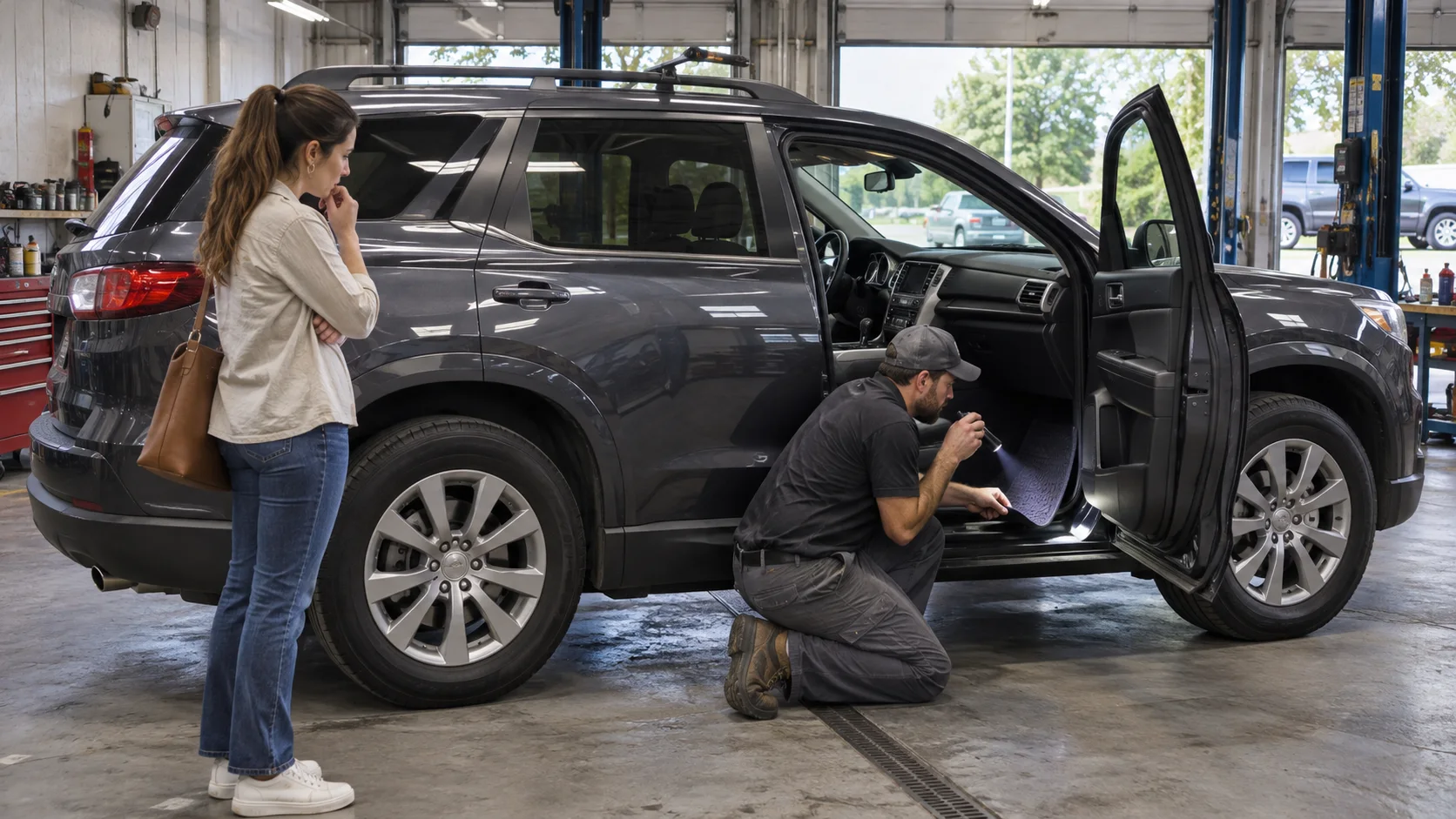
An independent inspection remains necessary. Recall completion addresses the named defect, not collision damage, worn brakes, corrosion or a failing transmission. The FTC recommends a mechanical inspection even when a dealer calls the car certified. If the history raises title or water questions, use the separate flood-damage checklist.
The purchase rule that prevents ambiguity
Buy only when the VIN result, recall notice and written sales terms agree. The strongest arrangement is completion by an authorized dealer before delivery, followed by a repair invoice or campaign-completion record tied to the VIN.
If the remedy is unavailable, proceed only when the manufacturer's interim instruction allows use, you understand the delay, state law permits the transaction and the contract gives you an acceptable exit. Walk away when the seller will not provide the VIN, minimizes a no-drive warning, labels an open-recall car “recall free,” or refuses to record the repair condition in writing.