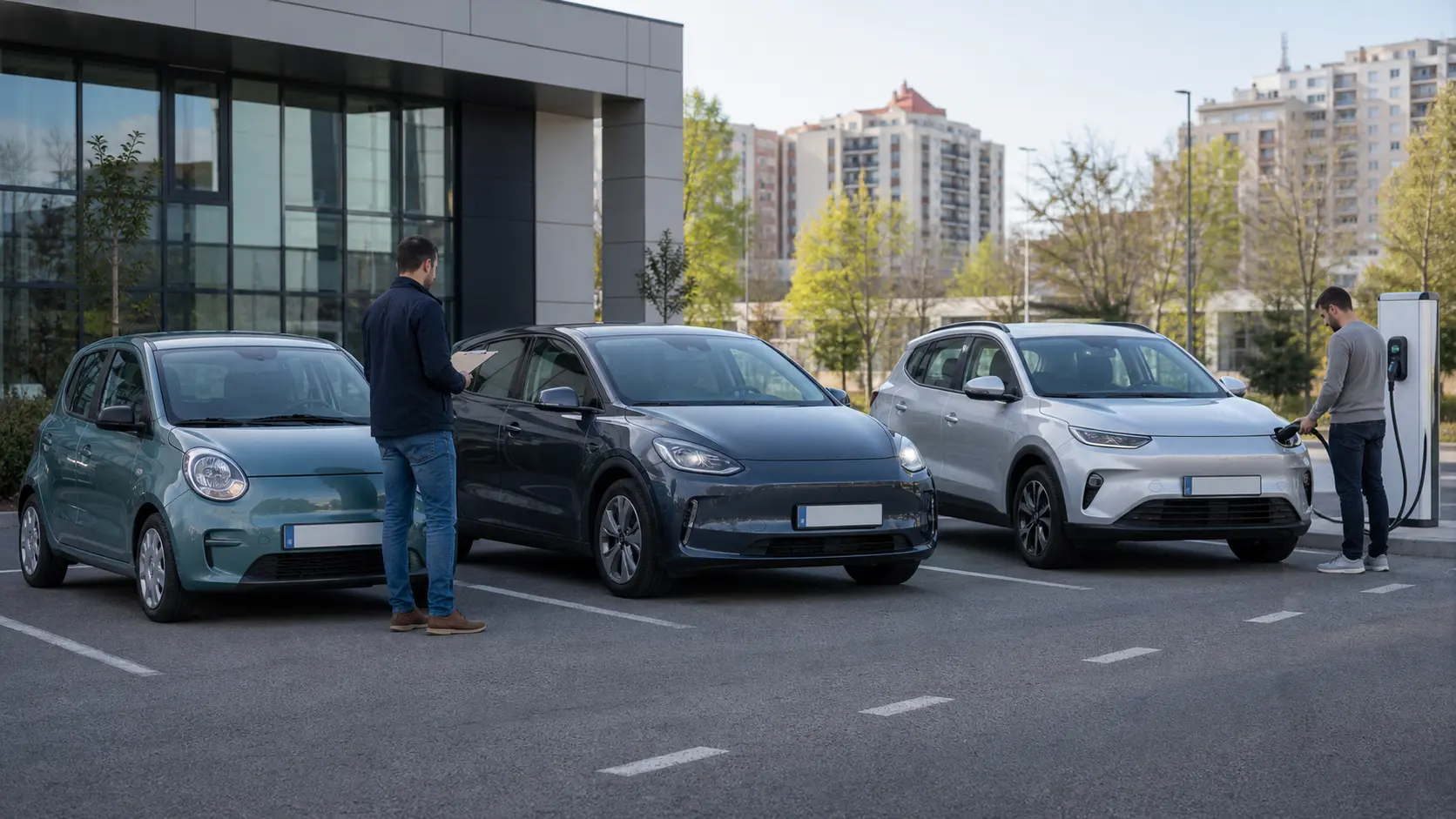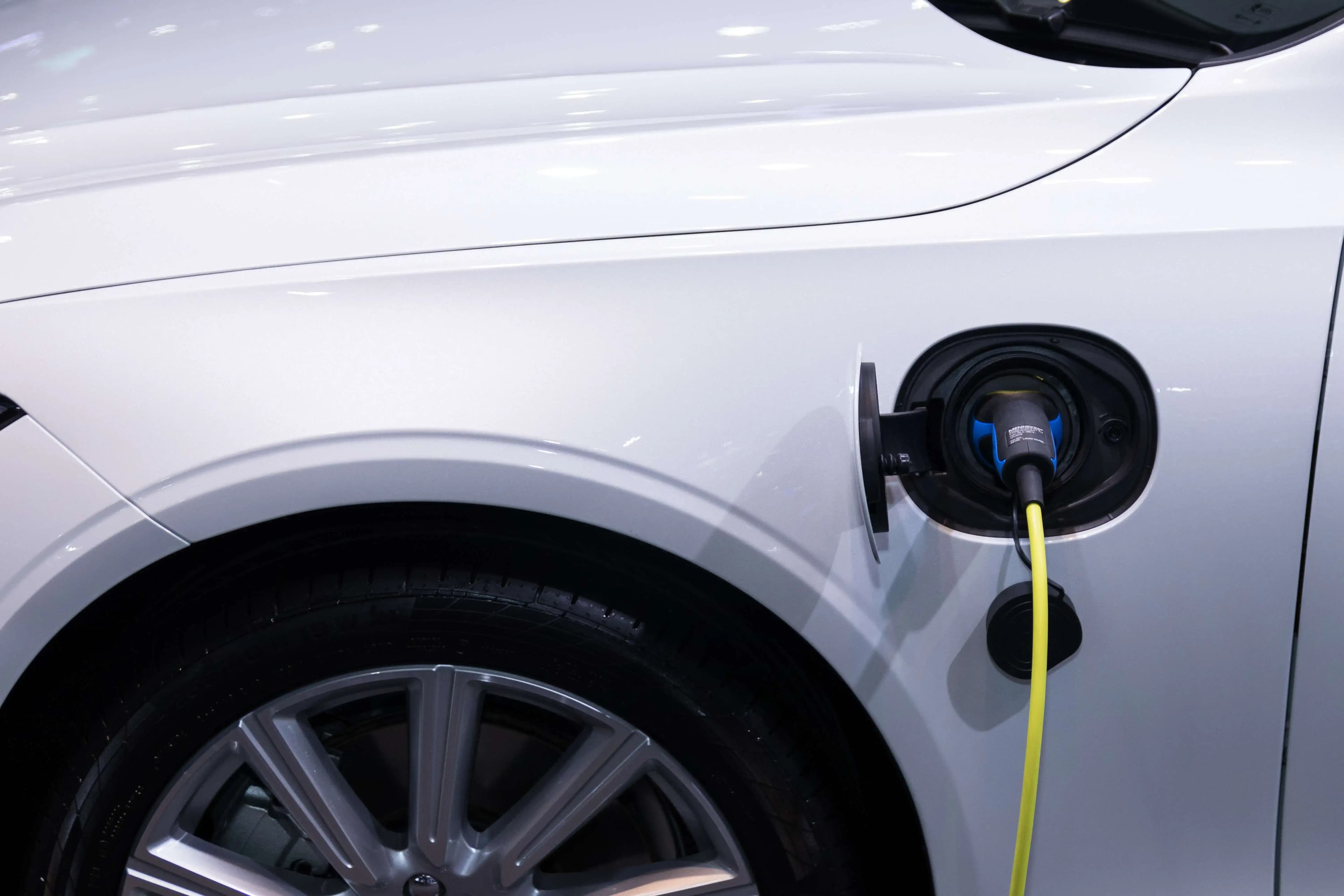
A plug-in hybrid is most useful when it can be charged regularly and driven electrically on ordinary journeys.
The best plug-in hybrid cars to buy in the UK in 2026
Plug-in hybrids still make sense in Britain, but only for a particular kind of driver. You need somewhere to charge, a daily routine that suits the battery’s electric range and enough longer journeys to justify keeping a petrol engine. If you cannot plug in at home or work, a full hybrid or a battery-electric car may be the more coherent purchase.
The UK market has a broad PHEV choice in 2026, from the compact Toyota Prius Plug-in Hybrid to large SUVs such as the Škoda Kodiaq iV and MG S9. There are also premium all-wheel-drive options, including the Volvo XC60 T6. The best car depends less on the lowest quoted fuel-consumption figure than on how often the battery will actually be full.
This guide uses UK model pages, UK price lists and UK tax guidance. Prices are on-the-road or retail prices only where the named source states them. A PCP contribution, monthly payment or fleet quotation is not treated as a cash list price. WLTP range is a comparison figure, not a promise of winter motorway mileage.
The short answer
The Toyota Prius Plug-in Hybrid is the most convincing private-buyer choice for a small family that can live with a hatchback. Toyota UK lists the 2026 Design at £37,895 on the road and gives it up to 53 miles of electric range. Toyota’s UK model page also makes clear that its displayed efficiency and range figures are obtained under a test procedure and can vary with weather, load, driving style and equipment.
For a family SUV, the Škoda Kodiaq iV is the space-led option. Škoda’s UK price material lists the five-seat SE iV at £42,140 on the road, with 204 PS and a 2026–27 BiK figure of 7%. The manufacturer says the Kodiaq iV can travel over 70 miles on a charge and supports up to 40 kW DC and 11 kW AC charging.
The Kia Sportage Plug-in Hybrid is a strong mainstream alternative. Its UK price guide lists the Pure front-wheel-drive version at £38,595 on the road, with 283 bhp, 23 g/km of CO₂ and a 9% BiK figure. The range also includes all-wheel-drive versions, but the price, insurance group and running costs change with the trim.
The MG HS Plug-in Hybrid is the price-conscious SUV choice, while the larger MGS9 is the model to investigate if seven seats matter. The current MG UK brochure page lists the HS Plug-in Hybrid from £32,495 and the MGS9 Plug-in Hybrid from £34,210. Those are starting prices, not a guarantee that a particular trim or colour will be available from a local dealer.
At the premium end, the Volvo XC60 T6 AWD Plug-in Hybrid combines a 335 hp powertrain, four-wheel drive, up to 51 miles of WLTP electric range and a 2,250 kg braked trailer limit. Volvo’s UK specification page lists it from £53,265 for the current range shown online. That is a substantial purchase, but it is also a useful reminder that a PHEV can be chosen for towing, comfort and tax structure rather than solely for fuel economy.
The UK shortlist at a glance
| Model | UK price reference | Official electric-range figure | Best suited to |
|---|---|---|---|
| Toyota Prius Plug-in Hybrid Design | £37,895 OTR | Up to 53 miles | Efficient private motoring in a hatchback |
| Škoda Kodiaq iV SE, five-seat | £42,140 OTR | Over 70 miles | Family space and low company-car tax |
| Kia Sportage PHEV Pure FWD | £38,595 OTR | Up to 43 miles | Mainstream SUV ownership |
| MG HS Plug-in Hybrid | From £32,495 | Check current UK specification | Lower entry price and long warranty |
| MG S9 Plug-in Hybrid | From £34,210 | Up to 62 miles | Large-family practicality |
| Volkswagen Tiguan eHybrid | Check live UK configurator | Trim-dependent | A familiar all-round family SUV |
| Hyundai Tucson Plug-in Hybrid | £46,010 OTR in the published UK sheet | Check chosen trim | Dealer coverage and fleet use |
| Volvo XC60 T6 AWD | From £53,265 | Up to 51 miles | Premium comfort and towing |
The table deliberately mixes fixed UK price-list figures with models whose manufacturer pages present a live configurator or a “from” price. Do not compare a cash on-the-road figure with a finance payment as if they were the same thing.
1. Toyota Prius Plug-in Hybrid: the efficient private-buyer choice
The Prius is the PHEV here with the clearest private-buyer logic. It is a five-door hatchback rather than an SUV, its electric range is competitive and its price is not inflated by four-wheel drive or a large body. Toyota UK’s 2026 price list gives the Design an on-the-road price of £37,895 and the Excel £39,995. The same document lists 36 g/km of CO₂ for the Design and 47 g/km for the Excel, so equipment and wheel specification matter when comparing tax.
Toyota quotes up to 53 miles of electric range for the model. That is enough to cover many commutes and school runs, provided the driver charges at home. It does not make the Prius a long-distance electric car: on a motorway trip, the petrol engine will eventually become the main energy source. The correct test is whether the car can complete your normal week with very little petrol, not whether a brochure figure looks impressive beside a diesel’s.
The compromise is packaging. A hatchback boot is easier to load than a saloon but less square than a family SUV, and the rear roofline is not as generous as a Kodiaq’s. Take a child seat, pushchair or the luggage you actually use on holiday to the dealer. Toyota’s UK page offers a PCP example and a separate lease example; neither should be read as the ownership cost of the £37,895 cash car. Ask for the total amount payable, mileage limit and optional final payment.
Choose it if: your daily driving is modest, you value efficiency and you do not need SUV space.
Check before ordering: boot capacity with your own luggage, insurance group, the exact CO₂ figure for the selected grade and whether the dealer’s finance contribution changes the cash price.
2. Škoda Kodiaq iV: the family-space option
The Kodiaq iV is more useful than the Prius for a family that carries bulky equipment. The UK range page confirms that plug-in hybrid power is available on the five-seat Kodiaq grades; the seven-seat variants use other powertrains. That distinction is central. A Kodiaq badge does not automatically mean seven seats, and the iV should be treated as a five-seat family SUV.
Škoda’s UK price and tax document lists the SE five-seat 1.5 TSI iV 204 PS DSG at £41,360 RRP and £42,140 recommended on-the-road price. It lists a 7% BiK rate for 2026–27 and 35–41 g/km of CO₂ for the iV version. The official Kodiaq iV information says the battery can deliver more than 70 miles of electric travel under the quoted test conditions, with up to 40 kW DC charging and 11 kW AC charging.
That charging combination is unusually useful for a PHEV. Overnight home AC is the normal routine; DC can make a stop on a longer journey worthwhile if the public charger supports the car’s rate. It is still a relatively small battery compared with a BEV, so frequent rapid charging is not a substitute for a sensible home routine.
The Kodiaq’s appeal is not just its electric range. The upright body, broad rear cabin and available boot space suit family travel, while the petrol engine removes the need to plan every motorway stop around public charging. The battery and hybrid hardware can affect payload and the final luggage arrangement, so inspect the actual five-seat car rather than relying on the space of a non-PHEV Kodiaq.
Choose it if: you need a large five-seat SUV and a company-car tax figure that remains competitive.
Check before ordering: five seats rather than seven, payload, towing capacity for the exact trim, home-charger compatibility and the difference between RRP, on-the-road price and a dealer finance campaign.
3. Kia Sportage Plug-in Hybrid: the mainstream all-rounder
The Sportage has the kind of UK dealer presence that makes ownership straightforward to understand. Kia’s current UK pricing page lists the Pure PHEV with front-wheel drive at £38,595 on the road. It specifies a 1.6-litre turbo petrol engine, 283 bhp, 23 g/km of CO₂ and a 9% BiK figure. The same page lists an all-wheel-drive GT-Line S at £47,895 on the road, so the model name alone does not tell you what you will pay.
Kia quotes up to 43 miles of electric range for the Sportage PHEV. That is a useful daily range, but it is shorter than the figures offered by the latest long-range PHEVs. The trade is a familiar family-SUV format, a broad UK sales and service network and a seven-year or 100,000-mile manufacturer’s warranty, subject to the warranty terms and exclusions. A long warranty is reassuring, but it does not remove the need to check the traction-battery provisions and service intervals.
Kia’s finance page shows a 5.9% APR representative offer and a £500 PCP deposit contribution for a stated July-to-September 2026 period. That is a finance campaign, not a discount that should be subtracted from the £38,595 on-the-road figure for every buyer. A cash buyer should ask for the dealer’s written cash quotation; a finance buyer should compare the total amount payable and optional final payment.
The Sportage is a sensible choice for a household that wants a conventional SUV driving position without moving into premium pricing. Its PHEV system is most convincing for local trips, while the petrol engine gives flexibility for holidays. As with the Kodiaq, the battery can change luggage and towing details compared with a petrol or self-charging hybrid version.
Choose it if: you want a familiar UK family SUV, a strong warranty and a manageable route into PHEV ownership.
Check before ordering: whether FWD or AWD is genuinely needed, the insurance group, the exact range at the chosen wheel size and whether the finance campaign suits your mileage.
4. MG HS Plug-in Hybrid: the value-led family SUV
The MG HS Plug-in Hybrid deserves attention because its UK starting price is materially below many mainstream PHEV SUVs. MG’s current UK brochure page lists it from £32,495. That is an entry price, not a description of the equipment, stock status or monthly cost of the car you will actually order. Ask an MG retailer to confirm the exact derivative, battery warranty, delivery date and on-the-road charges.
The HS makes sense for a buyer who wants a roomy SUV and intends to keep it for several years. MG’s UK materials advertise a seven-year warranty, but the owner should read the conditions for the high-voltage battery, annual servicing, roadside assistance and transfer to a subsequent owner. Warranty length is only one part of the ownership calculation: insurance, tyres, servicing and depreciation can matter more than a headline number.
Do not select the HS by its lowest advertised payment. A PCP can reduce the monthly figure by using a deposit contribution, an agreed mileage and a large optional final payment. Those conditions are useful when they match your plans, but they are not the same as a £32,495 cash purchase. Obtain the cash on-the-road quote and the finance representative example side by side.
The HS is also a useful test of PHEV discipline. If you can charge it every night, many local journeys can be completed with the petrol engine off. If you cannot charge, the heavier car is likely to spend more time carrying a depleted battery. Request the official depleted-battery consumption figure and ask how the charging cable is stored before committing to the largest trim.
Choose it if: purchase price, warranty cover and SUV practicality are more important than a premium badge.
Check before ordering: exact electric range, battery warranty conditions, the nearest authorised service point, insurance quote and the difference between advertised finance and cash price.
5. MG S9 Plug-in Hybrid: the large-family candidate
The MG S9 is the specialist choice in this group. MG UK lists the model from £34,210 and advertises up to 62 miles of EV-only travel. It is a large PHEV intended for people who need more cabin and seating flexibility than an ordinary family SUV. That makes it interesting for a big family, but buyers should check the exact UK seating layout and boot configuration rather than assume that every derivative has the same arrangement.
The S9’s electric range could cover a substantial daily routine if charging is available at home. Its size, weight and tyres will still influence energy use, particularly in winter and at motorway speed. An owner who drives long distances with seven occupants should budget on the basis of petrol use after the battery is depleted, not on the most favourable weighted WLTP number.
The MG warranty is a positive reason to include the S9, but the service network is still an important local question. Find the nearest approved retailer, ask how hybrid-system diagnosis is handled and confirm whether the warranty requires a particular service schedule. A large, less common vehicle can also produce higher repair and tyre bills than its entry price suggests.
Choose it if: you need a large family vehicle and want to run school and commuting trips electrically.
Check before ordering: the seating layout, boot space, payload, the exact charging rate, insurance and the local dealer’s experience with the model.
6. Volkswagen Tiguan eHybrid: the established family-SUV route
The Tiguan eHybrid is a sensible UK shortlist car even when a single national cash price is not quoted here. Volkswagen’s UK model information describes a plug-in hybrid Tiguan with up to 30 miles of electric range in the Life specification and an AC charging time of about three hours 40 minutes at 3.6 kW. The UK site also displays model-specific contribution offers that can change the finance calculation.
The Tiguan’s strength is familiarity. Volkswagen has a large UK retailer network, a substantial supply of parts and a model shape that is easy to live with. That does not automatically make it the cheapest or most efficient option. Compare the exact eHybrid battery range, wheel size, boot arrangement and warranty with the Kodiaq iV before signing.
The official range page is a useful warning about trim differences: “up to” figures are not universal. A larger wheel, extra equipment or a different version can alter the certified number. Ask the retailer for the exact vehicle specification and its P11D value if the car is for an employee.
Choose it if: you want a conventional family SUV from a well-established UK network.
Check before ordering: the live UK cash price, contribution conditions, charging equipment, boot volume and the precise WLTP result for the chosen derivative.
7. Hyundai Tucson Plug-in Hybrid: a fleet-friendly alternative
Hyundai’s UK PHEV range remains relevant to company-car drivers and families comparing it with the Kia Sportage. A Hyundai UK technical and pricing sheet for the Tucson Plug-in Hybrid lists the 1.6-litre 252 PS four-wheel-drive version at £46,010 on the road, with 29 g/km of CO₂ and a 9% BiK band. Treat that figure as tied to the published specification and date; Hyundai asks customers to check availability and full details with a local retailer.
Hyundai UK says its high-voltage batteries are covered for eight years or 100,000 miles, whichever comes first. Read the warranty terms rather than treating the headline duration as identical to the whole vehicle warranty. Ask about servicing, battery inspection and roadside cover, especially if the car will be retained beyond a normal company-car cycle.
The Tucson is a good fit for a buyer who values an established manufacturer, an SUV body and four-wheel drive. The PHEV’s tax position can be attractive, but the company-car calculation depends on P11D value, the registration certificate’s CO₂ and electric range, and the tax year. A low percentage does not erase a high list price.
Choose it if: you want a mainstream SUV with a clear fleet proposition and a long battery warranty.
Check before ordering: the exact model-year sheet, delivery availability, P11D value, insurance group and real boot space with the charging cable aboard.
8. Volvo XC60 T6 AWD: the premium towing choice
The XC60 T6 is not a value PHEV, but it answers a different question. Volvo UK lists the T6 AWD Plug-in Hybrid with 335 hp, 589 Nm, up to 51 miles of combined WLTP electric range, 20 g/km of CO₂ and a 2,250 kg braked trailer limit. The current UK specification page gives a starting price of £53,265 for the range shown online.
That towing limit is useful for a caravan or trailer owner, although the legal limit for a particular car depends on its plated weights and equipment. Check the VIN-specific documentation. The XC60 also provides a comfortable, quiet electric mode for local use, while all-wheel drive and the petrol engine reduce the anxiety of long trips in poor weather.
Volvo’s UK stock site separates cash prices from PCP examples. It shows 2026 stock cars with roughly 51 miles of electric range and lists finance offers including 1.9% APR representative and a £3,000 finance contribution for specified cars. Those offers have eligibility, stock and term conditions; a monthly figure is not a substitute for the on-the-road price.
The premium badge does not protect resale value by itself. Expensive options, large wheels, high insurance premiums and a future buyer’s concern about battery health can all affect depreciation. Keep the charging cable, servicing invoices and any battery health documentation.
Choose it if: towing, comfort, all-wheel drive and a premium cabin matter more than the lowest purchase cost.
Check before ordering: plated towing weights, insurance, servicing packages, tyres, finance total and the difference between T6 and T8 pricing.
How to work out whether a PHEV suits your routine
Start with charging, not the badge
The first question is where the car will charge. If you have a driveway, compare a wallbox quotation with ordinary three-pin charging and check whether the installation needs a consumer-unit upgrade. If you rent or live in a flat, the Office for Zero Emission Vehicles says the 2026 chargepoint grant for eligible renters and flat owners covers 75% of purchase and installation costs up to £500. Eligibility and installer requirements apply, so check the current GOV.UK guidance before ordering work.
If you charge at work, ask whether the socket is available consistently and whether the employer charges for electricity. A public AC charger can work, but an overnight parking fee or idle charge changes the economics. PHEVs usually have smaller batteries than BEVs, so an overnight AC session is often enough; DC capability is useful for a trip, not a reason to ignore the home routine.
Calculate the blended running cost
For one month, record electric miles, kWh drawn from the wall, petrol litres and public-charging fees. Divide the total energy cost by the miles driven. Include the charging losses shown by the wall meter rather than using only the battery’s nominal capacity. This produces a more honest answer than a weighted WLTP consumption figure, which assumes a test pattern that may not resemble your life.
Repeat the calculation for a long motorway journey with a depleted battery. A PHEV can be exceptionally cheap for the first part of a trip and an ordinary petrol-powered SUV for the remainder. That is not a fault; it is the reason a PHEV suits mixed driving rather than drivers who spend every week on motorways without a charging stop.
Separate retail price, finance and fleet tax
An on-the-road price includes items such as VAT, delivery and registration charges. A retail price may exclude some of those items. PCP finance adds interest, sets a mileage limit and normally includes an optional final payment. A deposit contribution can reduce the amount financed without reducing the car’s undiscounted list price. Request the cash quote, the amount of credit, interest charges, total amount payable, final payment and excess-mileage rate.
For a company car, the important number is the P11D value, not necessarily the customer’s discounted purchase price. HMRC’s 2026–27 ready reckoner places cars with 1–50 g/km of CO₂ and a WLTP electric range of 70–129 miles in the 7% appropriate-percentage band. Cars with 1–50 g/km and 40–69 miles are at 10%; 30–39 miles are 14%, and under 30 miles are 16%. A car’s exact registration data controls the calculation.
HMRC also has a specific rule for some PHEVs first registered from 1 January 2025 to 5 April 2028. Where the certificate shows 51 g/km or more, at least one mile of electric range and does not show the required Euro status, the benefit calculation can use 1 g/km instead. Ask the employer or tax adviser to check the certificate and use HMRC’s calculator rather than relying on a dealer’s rounded percentage.
Budget for 2026–27 VED
The old idea that a PHEV is automatically cheap to tax is no longer reliable. GOV.UK says hybrid and alternatively fuelled cars registered on or after 1 April 2017 pay the standard £200 rate in the 2026–27 tax year. New low-emission cars registered from 1 April 2025 pay £10 in the first year and then the standard rate, subject to the detailed rules. Cars with a list price above £50,000 can also face the expensive-car supplement under the applicable rules. Check the registration date and list price, not an old advert.
Check clean-air-zone rules locally
Clean Air Zones are local charging schemes, while London’s ULEZ is administered separately. GOV.UK provides a checker and lists the active zones. Some national guidance allows for exemptions or local treatment of plug-in hybrids that are geo-fenced to operate in electric-only mode, but that does not mean every PHEV is automatically free everywhere. Check the vehicle registration and the council’s current rules before a journey.
Warranty, servicing and resale
Ask for three separate answers: the whole-vehicle warranty, the high-voltage battery warranty and the servicing schedule. Confirm the battery’s state-of-health threshold, whether annual inspections are required, what happens if the car misses a service and whether cover transfers to a second owner. A long general warranty is helpful, but the battery terms are the part most relevant to a used-car buyer.
Insurance can be more expensive than for a similar petrol car because a PHEV combines an engine, high-voltage battery, power electronics and additional cooling hardware. Obtain a real quotation using the exact registration or derivative. Tyres may also be expensive on large SUVs, and a heavy PHEV can wear them faster than a lighter petrol model.
For resale, keep the charging cable, both keys, service invoices and any battery-health report. A used buyer will want proof that the car was serviced correctly and that the battery can still deliver useful electric range. Residual values are difficult to predict for newer brands and larger PHEVs, so compare lease or PCP assumptions with independent used listings before accepting a high guaranteed future value.
Final verdict
The Toyota Prius Plug-in Hybrid is the strongest private-buyer recommendation if you can accept a hatchback. The Škoda Kodiaq iV is the better family-space choice, while the Kia Sportage offers a familiar mainstream package with a seven-year warranty. The MG HS is worth a close look when the starting price matters, and the MG S9 is the specialist large-family option. The Volkswagen Tiguan and Hyundai Tucson belong on a dealer-network and fleet shortlist. The Volvo XC60 T6 is the premium option for buyers who will use its comfort, four-wheel drive and towing ability.
The central rule is simple: buy a PHEV only when you will plug it in. Verify the exact UK derivative, cash price, P11D value, insurance, warranty and charging plan. Then judge it on your real week, including the journeys that start with an empty battery.
UK sources
- Toyota UK Prius Plug-in Hybrid
- Toyota UK 2026 Prius Plug-in price list
- Škoda UK Kodiaq range
- Škoda UK Kodiaq pricing and BiK document
- Škoda UK Kodiaq iV specification document
- Kia UK Sportage prices and guides
- Kia UK Sportage PHEV offers
- MG Motor UK brochures and prices
- MG Motor UK MGS9 Plug-in Hybrid
- Volkswagen UK Tiguan eHybrid
- Ford UK Kuga price list
- Hyundai UK Plug-in Hybrid models
- Hyundai UK Tucson technical and pricing sheet
- Volvo Cars UK XC60 Plug-in Hybrid
- HMRC company-car tax percentages for 2026–27
- HMRC tax on company cars
- GOV.UK vehicle tax rates for 2026–27
- GOV.UK electric-vehicle chargepoint grants
- GOV.UK Clean Air Zones