Four-wheel drive has a particular meaning in Britain. For most drivers it is not a licence to cross a bog; it is reassurance on a wet lane, a steep driveway, a farm track or the ungritted road to a Welsh, Scottish or northern English hill. In London, Birmingham or Bristol, an AWD system adds weight and mechanical complexity but does not make a car stop sooner on wet tarmac. A compact SUV therefore needs to be judged as transport first and winter equipment second.
This UK-specific shortlist is built around models available new or used around 2024. It is deliberately not a price ranking. Used prices move with age, mileage, specification, insurance group and seller, so a precise figure without a date and vehicle history would mislead. Check the exact registration, emissions data, service record and insurance quote before committing.
Ten compact AWD choices
Suzuki Ignis AllGrip
The Ignis is one of the easiest AWD cars to live with in a crowded British town. It is narrow, light and upright, with enough clearance for muddy car parks and a snowy lane. The rear seats and boot are small, so it suits a couple or a second-car role better than a family carrying a pram every day. Inspect the clutch, underbody corrosion, suspension knocks and the matching condition of all four tyres. Its size is a real advantage in urban streets, while its motorway refinement is only adequate. It should be treated as a light crossover, not a low-range off-roader.
Suzuki Vitara AllGrip
Vitara is the sensible middle ground: compact enough for a supermarket car park, but more comfortable and useful than the Ignis. Selectable AllGrip modes can help on loose or slippery surfaces, yet the system is not a substitute for winter tyres. Check for drivetrain vibration, tyre-size compliance, clutch bite and evidence that differential or transfer oils were not ignored. Rear-seat space is acceptable for adults on shorter journeys, while the boot is practical for two people and modest family luggage. A full family holiday exposes its limits sooner than the exterior suggests.
Dacia Duster 4x4
Duster is the strongest choice here for rough access roads, moorland tracks and a regular cottage or campsite route. The cabin is simple and the boot is more useful than the smallest cars in this group. A used diesel may have spent its life towing or on short journeys, so inspect the clutch, DPF behaviour, prop shaft, rear differential and underside. Newer petrol versions deserve the same mechanical inspection, even if the emissions picture is easier. Do not assume a Duster has the same equipment or off-road geometry in every trim. The exact tyre size and spare-wheel arrangement matter on a rural car.
Suzuki Jimny
Jimny is a genuine small off-roader, with ladder-frame construction and low-range gearing. That makes it unusually capable in deep snow, rutted tracks and steep, slow climbs. It also makes it noisy, narrow and limited as a family car. The rear seats and luggage area are a serious constraint, and motorway crosswinds require attention. Examine the chassis, steering play, modifications, recovery points, suspension lift and tyre sizes. The UK market also contains commercial and imported examples; confirm the exact type approval and taxation class. A modified Jimny may be a better tool, but it is not automatically a better road car.
Subaru XV or Crosstrek
Subaru suits buyers who regularly travel through wet hills and remote roads but still want a civilised daily car. Its AWD system and clearance are useful on loose surfaces; they do not turn the car into a trial vehicle. Check boxer-engine leaks, CV joints, wheel bearings, suspension bushes and equal tyre wear. The cabin is practical rather than plush. On an imported example, confirm parts support, recalls, dashboard language and the history of rust or flood damage. The boot works for normal shopping, but bulky family kit may require roof storage.
Jeep Renegade 4x4 or 4xe
The Renegade is easy to place in town and has useful terrain modes in four-wheel-drive versions. A 4xe plug-in hybrid is a separate proposition: inspect the charge cable, battery health, charging history and high-voltage fault codes as well as the petrol drivetrain. Conventional petrol and diesel cars need an examination of the automatic gearbox, electronics and service intervals. Rear-seat room is reasonable, but the square body does not remove the boot limitation of a compact car. Insurance and specialist diagnostic work can cost more than the badge size implies.
Skoda Yeti 4x4
Yeti remains an attractive used choice because the cabin is airy, the rear seating can be rearranged and the shape is easy to judge from the driver’s seat. Age is now the central issue. Ask for proof of Haldex servicing, DSG oil changes where relevant, timing-belt work and diesel-emissions maintenance. Check damp carpets, turbo response, clutch wear and the MOT history. A low-mileage example is not automatically safer if it has spent years doing cold short trips. Its boxy boot is useful, but inspect the rear seats and hinges for hard commercial use.
Nissan Qashqai 4WD
The Qashqai is larger than the smallest models here but remains compact by family-SUV standards. It makes sense for a household that needs a usable rear bench, a larger boot and occasional hill-road traction. Choose the powertrain carefully and test the CVT or manual clutch in traffic and on an incline. Inspect the rear-drive coupling, driveshafts, wheel bearings, cameras and parking sensors. It is a road car with extra traction, not an alternative to a farm vehicle. Check whether the exact diesel meets the clean-air requirements of the towns you visit.
Volkswagen T-Roc 4MOTION
The T-Roc brings a more polished cabin and motorway manners, but four-wheel drive usually comes with a larger engine or a higher specification. Check DSG servicing, Haldex oil history, alloy-wheel damage and the operation of driver-assistance cameras. The rear seat and boot work for a small family, though a full holiday load exposes the limits quickly. Confirm the car’s Euro classification from registration details rather than guessing from the badge. A careful test should include low-speed manoeuvres, brake feel and any vibration under load.
Audi Q2 quattro
Q2 quattro is the premium urban option in this group. It is easy to park and composed on fast roads, but tyres, insurance and specialist labour can cost more than the exterior size suggests. Look for kerb damage, uneven tyres, DSG behaviour, Haldex records, adaptive-equipment faults and evidence of poor body repairs. The back seat is tight for tall passengers and the boot is not a family miracle. Buy it for compact quality and traction, not for cheap running. An independent inspection is particularly useful where expensive options are fitted.
What AWD changes in a British town
On wet roads, all-wheel drive can help the car pull away, especially on a hill, but it does not shorten braking distances. Tyre compound, tread depth, suspension condition and driver speed matter more. On narrow lanes, clearance and a compact turning circle are useful; on a London estate, parking sensors and visibility matter more than a low-range gearbox. If snow arrives once every few years, compare the cost of four good winter or all-season tyres with the cost and weight of permanent AWD.
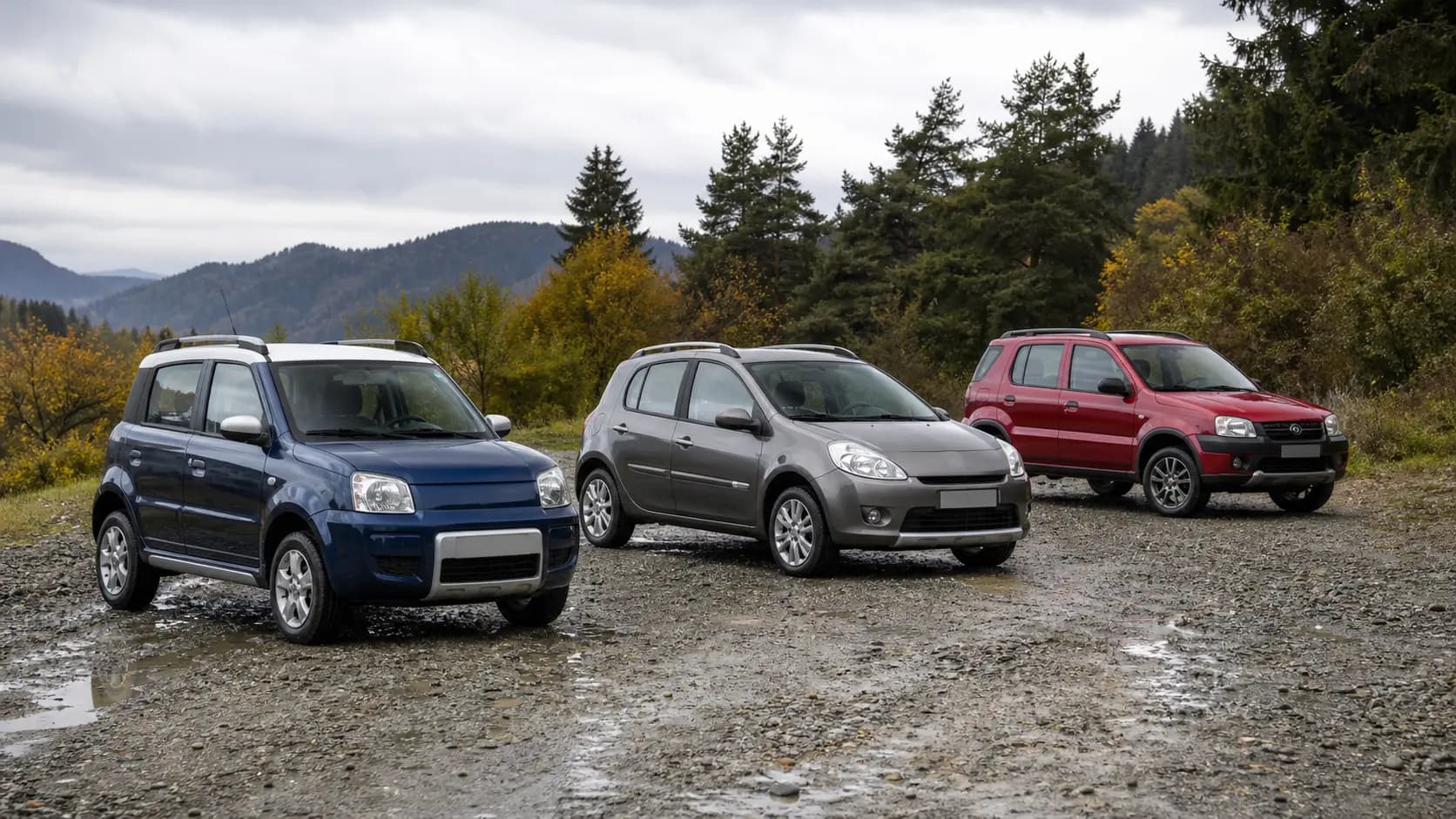
On rural roads, ask where the car will actually go. A Duster or Jimny is sensible for rough farm access. A Vitara, a hybrid AWD crossover or a Q2 is more at home on tarmac leading to a ski centre or upland village. Do not drive on a public right of way or private track without permission. A manufacturer’s terrain mode is an aid, not permission to ignore gates, signs or ground conditions. Carry a shovel, warning triangle and charged phone in remote winter areas.
Tyres and the MOT
There is no general UK legal date requiring winter tyres on private cars. The legal standard remains suitable, roadworthy tyres with correct size, load and speed ratings. The official MOT guidance says the test checks tyre condition, security, size and type, tread depth and, on applicable vehicles, the TPMS warning system. The legal minimum tread depth for most car tyres is not a target for winter grip; replace tyres well before they become marginal, and fit the same model and similar wear across an AWD system.
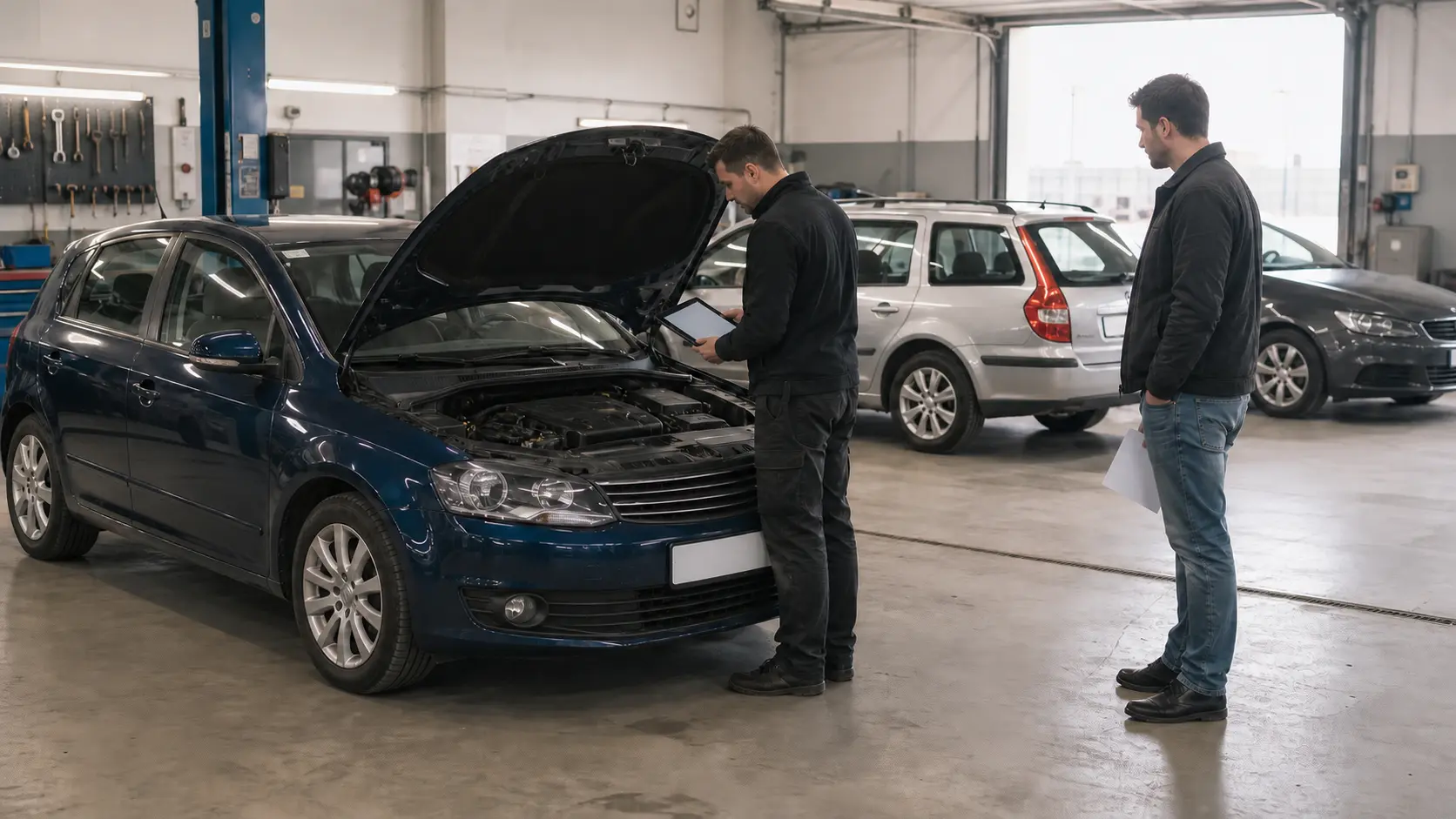
An MOT is not a full mechanical inspection. It will not prove that a centre coupling is healthy, that the four-wheel-drive clutch has fresh fluid or that a hybrid battery is strong. Ask for a cold start, an independent inspection and a scan of all drivetrain modules. Check tyre pressures after fitting a new set and confirm that the car’s TPMS has been recalibrated. A car can pass an MOT and still need an expensive transfer-case service.
AWD inspection checklist
Start with the registration number and VIN. Compare the V5C, dashboard VIN, service invoices and MOT records. On a lift, look for leaks at the transfer case or rear differential, dents in the prop shaft, torn CV boots, loose exhaust heat shields and rust around mounting points. Four tyres should have the correct dimensions and closely matched rolling circumference. A mismatch can force a coupling to work continuously.
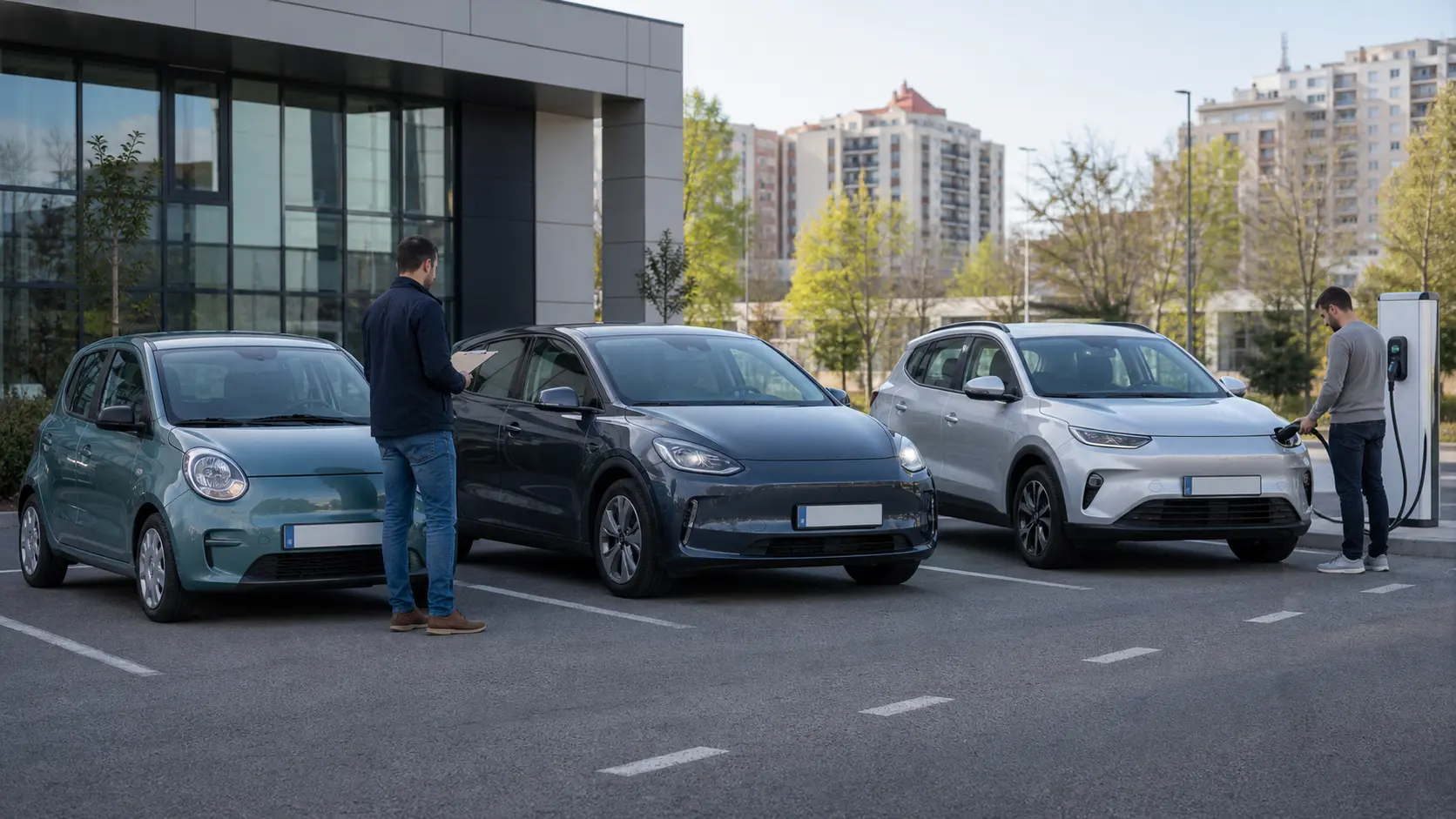
During the drive, test slow full-lock turns, gentle acceleration on a loose surface and a steady motorway run. Listen for humming that changes with speed, clicking on lock, clunks when selecting reverse and vibration under load. A warning light that disappears after the engine starts is not proof of a clean system; read stored codes. On a hybrid, check charging, battery cooling, petrol-engine transitions and high-voltage warnings. Reject a seller who will not allow an independent inspection. Do not test traction by spinning the wheels on a public road.
Cabin, boot and ownership cost
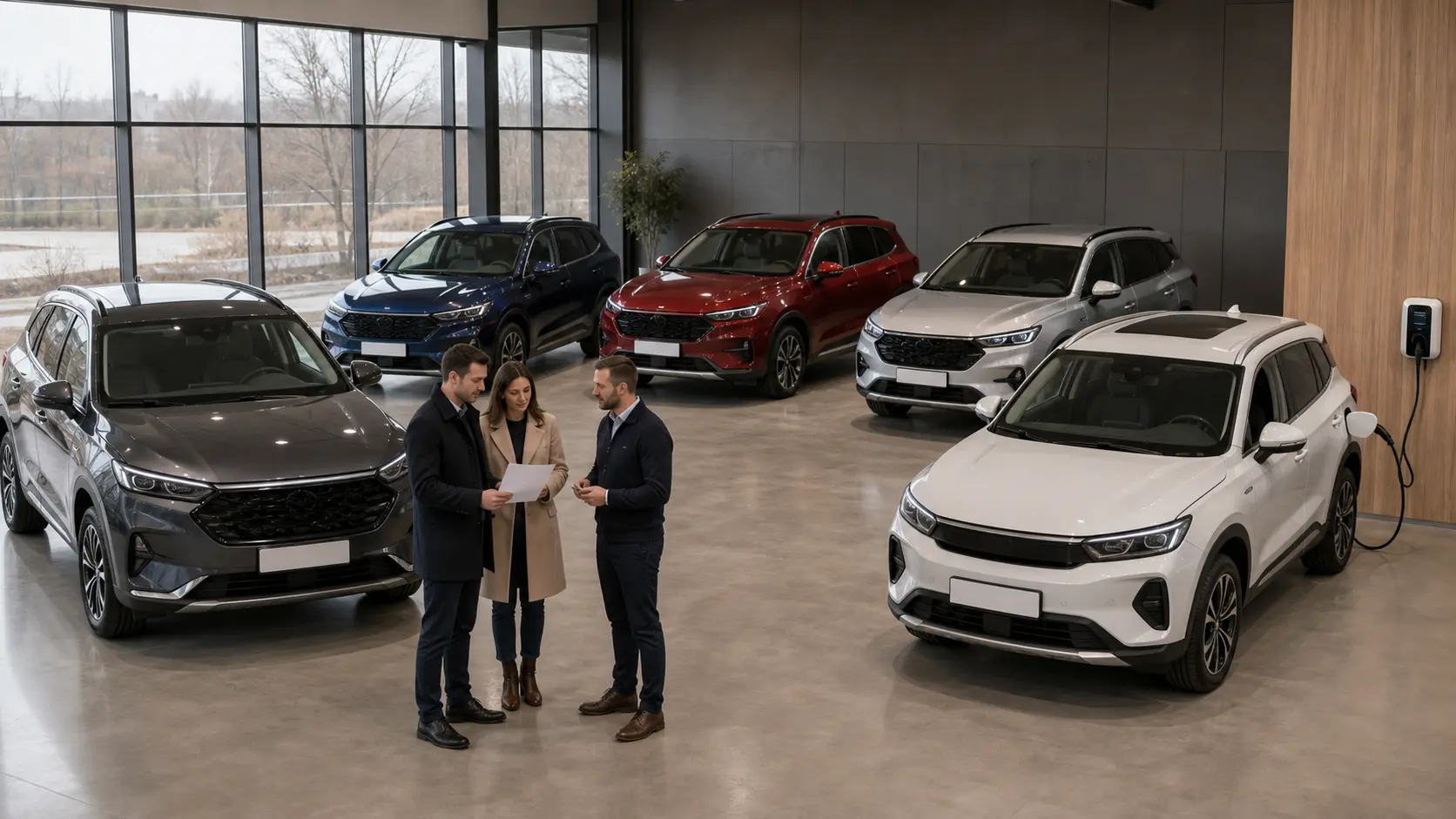
Measure your real equipment: child seats, dog crate, bike wheels, ski boots and shopping. Ignis and Jimny are genuinely small inside. Vitara, Duster and Qashqai are more useful, while T-Roc and Q2 trade some practicality for a better cabin finish. Check rear-door opening, ISOFIX access, boot-lip height, spare-wheel provision and whether a full-size winter wheel set can be stored. Roof boxes solve some luggage problems but add noise, fuel use and loading height.
Fuel use depends on speed, traffic, temperature, tyres, engine and four-wheel-drive demand. WLTP is a comparison test, not a Carboratory measurement or a promise for a Welsh winter. AWD adds fluids, shafts, couplings and potential alignment costs. Insurance is affected by postcode, age, claims history, occupation, security and modification; obtain a quote for the exact registration. Ask an independent garage whether it can service the AWD system and calibrate cameras after windscreen replacement. Include road tax, parking, tyre storage and rescue cover in the annual budget.
Used-car documents in the UK
Before viewing, use the GOV.UK used-car checklist and obtain the registration, make, model and MOT test number. Compare the seller’s description with the DVLA record and MOT history, including mileage and advisories. See the V5C log book in person, check its details and inspect the VIN. A V5C is not proof of ownership, so keep a signed invoice or contract naming the seller, car, price, date and mileage.
After buying, tax the vehicle immediately; the green new-keeper slip is used for the tax process. Insurance must be active before road use. For an imported or modified car, check type approval, the V5C body type, emissions record and any engineer certificates. Do not accept a “fresh MOT” as a warranty. Ask why advisories were repeated and whether a failed test was repaired cheaply or properly. Confirm two keys, immobiliser operation, recall completion and the manufacturer’s service schedule.
Clean-air zones and winter trips
The GOV.UK Clean Air Zone guidance lists the English zones and explains that car charges in a Class D zone generally target vehicles below Euro 6 diesel or Euro 4 petrol standards. London’s ULEZ is a separate scheme, operating across almost all of Greater London, with its own check and charge. Rules, boundaries and local exemptions must be checked before travel. An AWD badge does not change the emissions category.
This matters when choosing an older diesel Yeti, Qashqai or Duster for a city household. Use the registration-number checker, not a seller’s statement. Scotland, Wales, Northern Ireland and individual councils can have different arrangements. For a winter trip, check clean-air compliance before leaving and keep the car’s documents available; a UK-plated car does not automatically qualify elsewhere in Europe. If the car will be used in London, test the registration before buying, not after the first journey.
Sensible conclusion
For a mixed town-and-country life, Vitara, Duster and Qashqai are the practical starting points. Choose Jimny only if its tiny cabin and road manners are acceptable. Choose Q2 or T-Roc if urban refinement matters and you accept higher running costs. Before signing, budget for four matching tyres, a drivetrain service, insurance, MOT repairs and a professional inspection. The best small AWD purchase is the one whose actual history fits your roads, not the one with the most assertive badge.