Hot weather can reduce an electric vehicle's real-world driving range and extend charging times. This occurs primarily due to increased energy consumption for cabin cooling and less efficient battery operation at elevated temperatures.
Battery thermal management
Electric vehicle batteries operate most efficiently within a specific temperature range, typically between 20°C and 35°C. Outside this range, performance can degrade. In hot conditions, the battery management system (BMS) actively works to prevent overheating. This often involves circulating a coolant through the battery pack, a process that consumes energy from the high-voltage battery. If the battery temperature rises significantly, the BMS may limit power output and charging rates to protect the cells from damage, affecting both acceleration and charging speed.
The UNECE Global Technical Regulation No. 22 on in-vehicle battery durability for electrified vehicles specifies testing procedures for battery state of health and energy retention. While this regulation focuses on long-term durability, the underlying principles of thermal management are critical for daily operation. Manufacturers design battery cooling systems to maintain optimal temperatures, but their effectiveness can be challenged by sustained high ambient temperatures, especially during demanding driving or rapid charging.
Cabin cooling and auxiliary load
Maintaining a comfortable cabin temperature in hot weather requires the air conditioning system to work harder, drawing more power from the high-voltage battery. Unlike internal combustion engine vehicles, where the air conditioning compressor is typically belt-driven by the engine, in an electric vehicle, it is electrically powered. This additional electrical load directly impacts the vehicle's available driving range. Pre-cooling the cabin while the vehicle is still connected to a charger can mitigate this impact, as the energy for cooling is drawn from the grid rather than the battery. However, if pre-cooling is not used, or if the journey is long, the continuous operation of the air conditioning system will notably increase energy consumption.
The impact of auxiliary loads like air conditioning is more pronounced in stop-and-go city driving compared to steady highway cruising. At lower speeds, the energy consumed by the air conditioning represents a larger proportion of the total energy usage, as less energy is required for propulsion itself.
Charging performance in heat
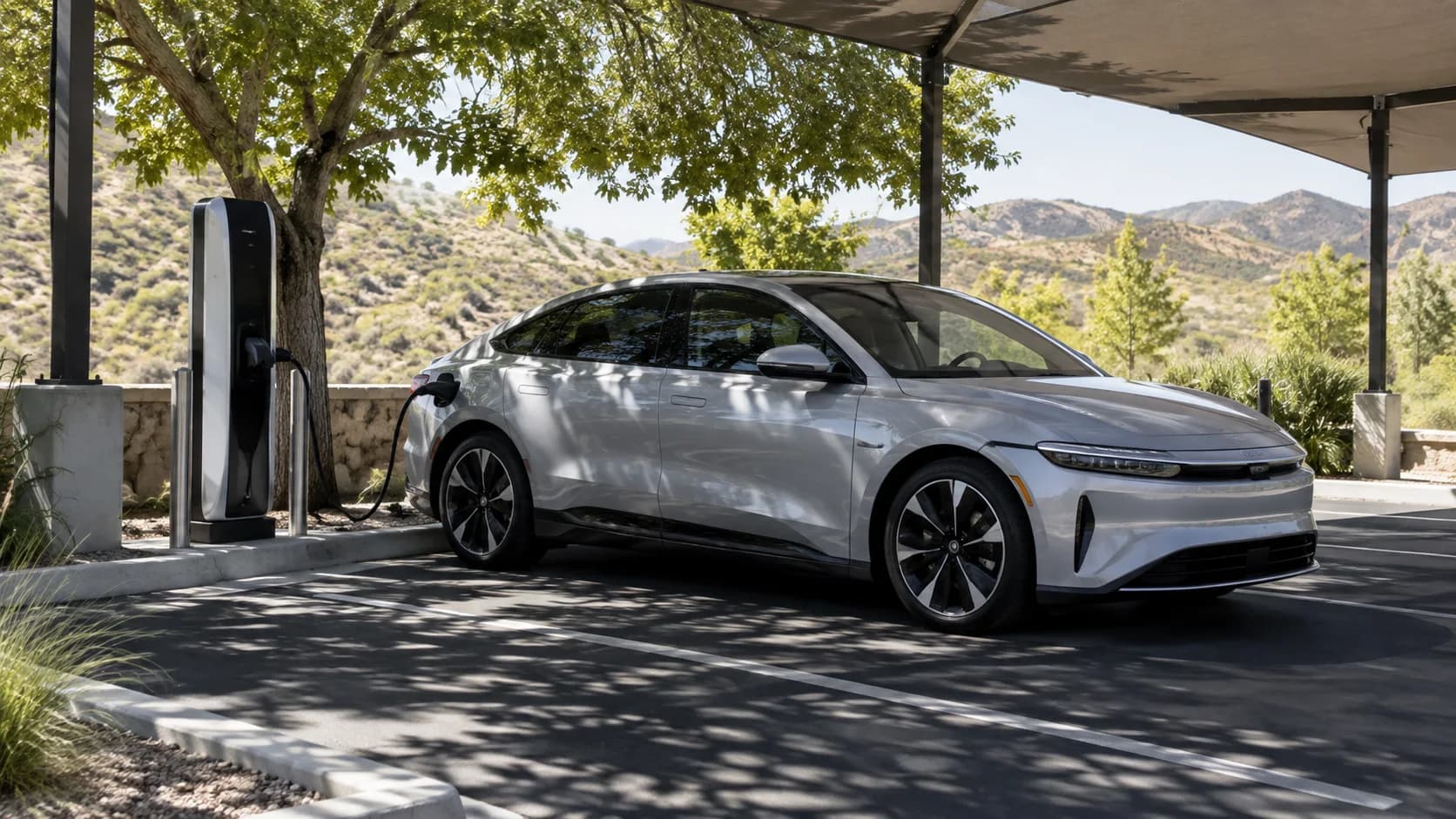
High ambient temperatures can affect both AC (alternating current) and DC (direct current) charging. During DC fast charging, significant heat is generated within the battery pack due to the high power transfer. The vehicle's thermal management system must work intensively to dissipate this heat. If the battery temperature becomes too high, the BMS will reduce the charging power to prevent cell degradation, extending the time required to reach a desired state of charge. This protective measure is more likely to be triggered in hot weather, particularly if the battery was already warm from driving or previous charging cycles.
For AC charging, while the power levels are lower, prolonged exposure to high temperatures can still influence efficiency. The onboard charger, which converts AC to DC, also generates heat. In extreme heat, the charger's efficiency might slightly decrease, or its internal temperature protection could lead to a minor reduction in charging speed. Drivers can observe these effects as longer-than-expected charging times, particularly when using high-power DC chargers in direct sunlight on very hot days.
Real-world range implications
The official WLTP (Worldwide Harmonized Light Vehicles Test Procedure) range figures, as per EU Regulation 2025/1706, are determined under controlled laboratory conditions at specific ambient temperatures, typically around 23°C. These tests do not fully account for the energy demands of continuous air conditioning use in extreme heat or the thermal management required during high-speed driving on hot days. Consequently, the real-world driving range in hot weather will typically be lower than the WLTP figure.
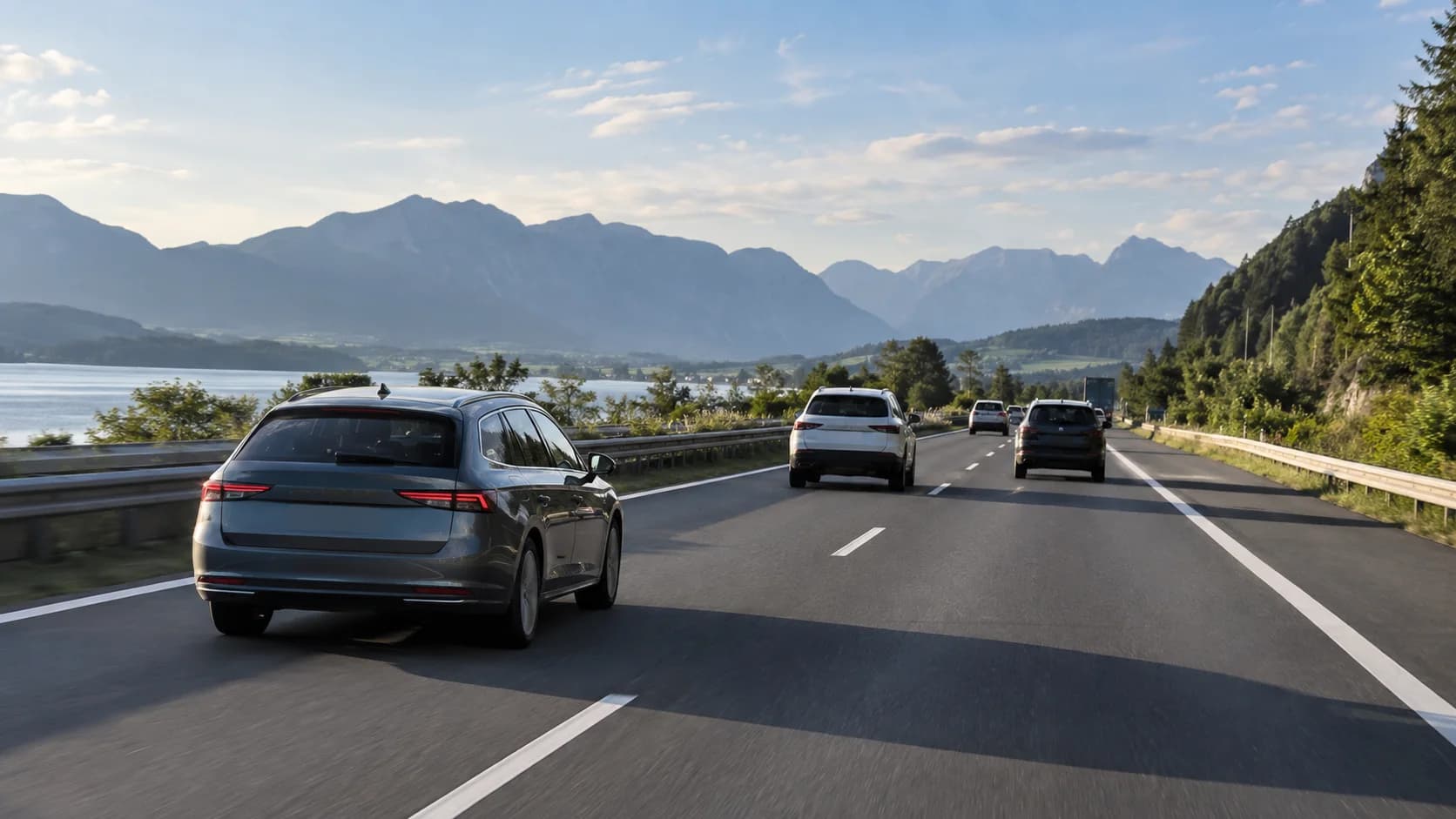
A hypothetical cross-border journey from Munich, Germany, to Milan, Italy, covering approximately 580 km, illustrates this. While a vehicle might achieve its WLTP range in mild conditions, a summer journey with ambient temperatures exceeding 30°C and continuous air conditioning use would likely necessitate an additional charging stop or a longer duration at an existing stop compared to a journey undertaken in spring or autumn. Drivers should factor in a reduced effective range and potentially longer charging stops when planning such trips in hot conditions.
Verifying vehicle compatibility and limits
Vehicle manufacturers provide information regarding operating limits and thermal management in the owner's manual. This documentation often details recommended ambient temperature ranges for optimal performance and charging. For specific battery thermal management system details, technical specifications or supplementary manuals may be available from the manufacturer.
The EU Batteries Regulation (2023/1542) aims to ensure battery durability and performance information is transparent. While it focuses on lifecycle aspects, the underlying design principles for thermal management are crucial for daily operation. Drivers should consult their vehicle's manual for guidance on operating in extreme temperatures and for any specific recommendations regarding charging in hot weather. Some advanced electric vehicles offer in-car displays that show battery temperature or indicate when thermal management systems are active, providing real-time feedback to the driver.
Charging infrastructure and planning
The EU Alternative Fuels Infrastructure Regulation (2023/1804) mandates the deployment of publicly accessible charging points. While this regulation focuses on availability, the performance of these chargers can be influenced by ambient conditions. Some charging stations, particularly older models or those in direct sunlight, may experience reduced output in extreme heat due to their own internal thermal management systems.
Drivers planning long journeys in hot weather should use route planners that integrate real-time charging station availability and power output information. Pre-conditioning the battery before a fast-charging stop, if the vehicle supports it, can help the battery reach an optimal temperature for charging, potentially mitigating the impact of high ambient temperatures. However, this feature also consumes energy. Ultimately, understanding that hot weather adds another variable to electric vehicle operation allows for more effective trip planning and management of expectations regarding range and charging times.