The official WLTP range for an electric vehicle (EV) is a laboratory-derived figure, often exceeding real-world outcomes. Actual range varies significantly due to environmental conditions, driving style, and vehicle load, making direct comparison challenging.
Understanding WLTP Range Certification
The Worldwide Harmonized Light Vehicles Test Procedure (WLTP) provides a standardized method for determining the range, energy consumption, and emissions of light-duty vehicles. For EVs, the WLTP cycle measures the distance an EV can travel on a single charge under controlled laboratory conditions. This procedure, detailed in EU regulation 2025/1706, involves a dynamic driving cycle with varying speeds, accelerations, and decelerations, designed to represent typical driving scenarios more accurately than its predecessor, the New European Driving Cycle (NEDC).
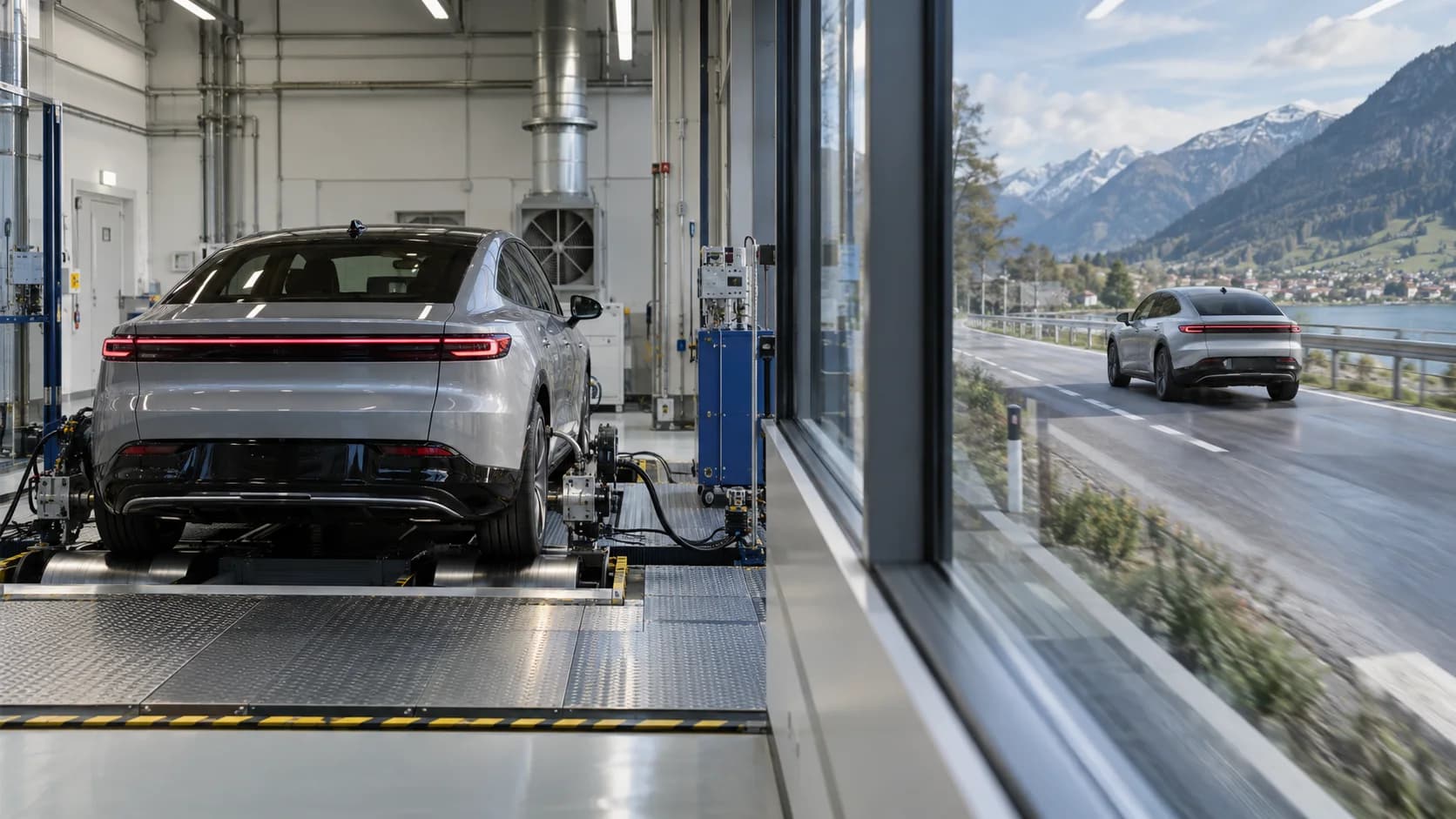
The WLTP test is conducted at an ambient temperature of 23°C, starting with a fully charged battery. The vehicle is driven on a dynamometer, and energy consumption is measured until the battery is depleted to a predefined level. The resulting range figure is an official type-approval value, intended to allow consumers to compare different vehicles on a consistent basis. However, the controlled environment of the laboratory cannot fully replicate the complexities of real-world driving.
Factors Influencing Real-World EV Range
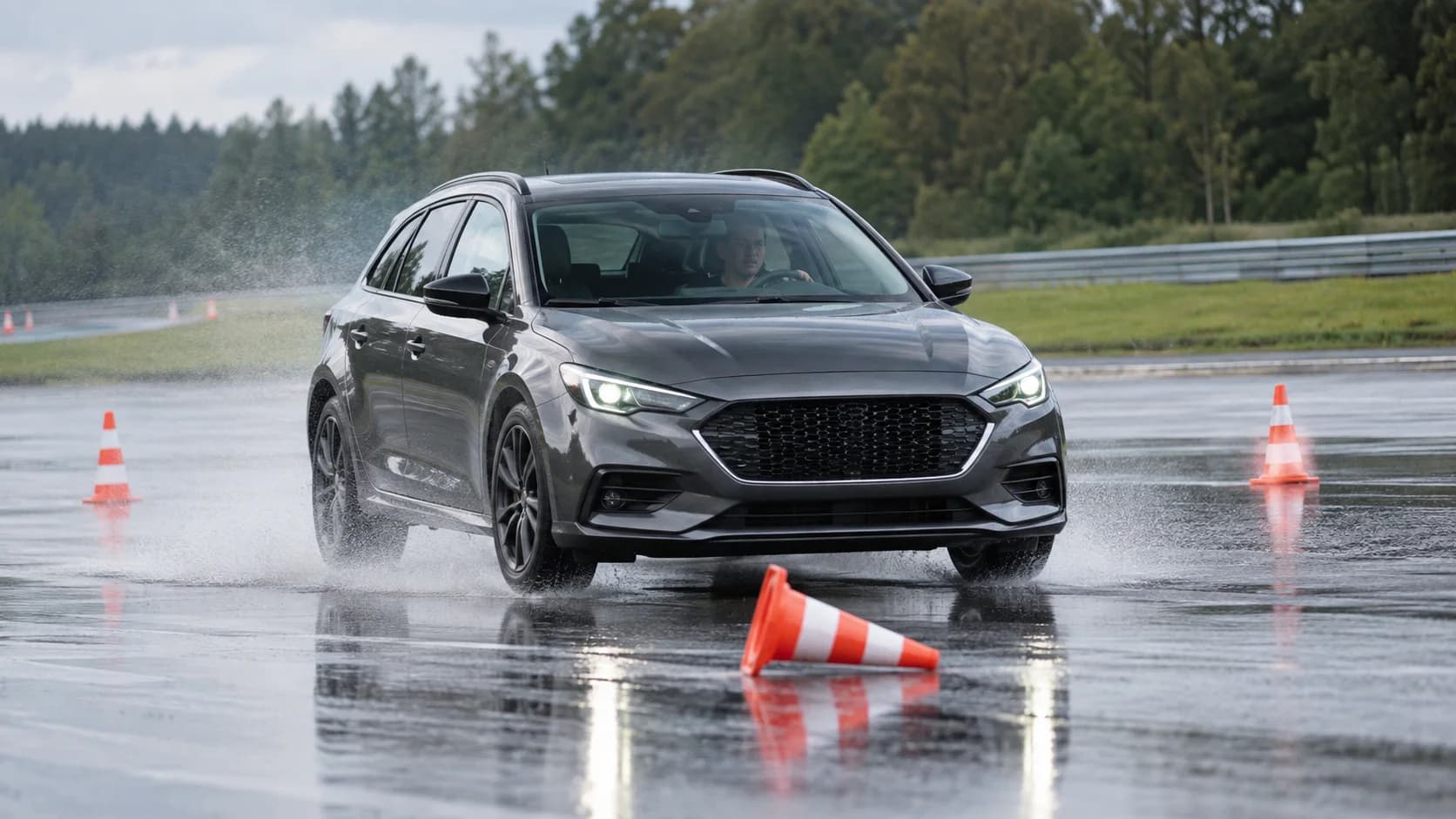
Several external and internal factors contribute to the disparity between WLTP and real-world EV range. Environmental conditions play a significant role. Lower ambient temperatures reduce battery efficiency and capacity, as chemical reactions within the battery slow down. Additionally, heating the cabin in cold weather consumes considerable energy, further reducing available range. Conversely, very high temperatures can also impact battery performance and require energy for cooling, although typically less than heating.
Driving style is another critical determinant. Aggressive acceleration, high speeds, and frequent braking consume more energy than smooth, moderate driving. Regenerative braking, which recovers energy during deceleration, is more effective in stop-and-go traffic than on open motorways where constant speeds are maintained. Topography also matters; driving uphill requires more energy, while driving downhill can partially replenish the battery through regeneration.
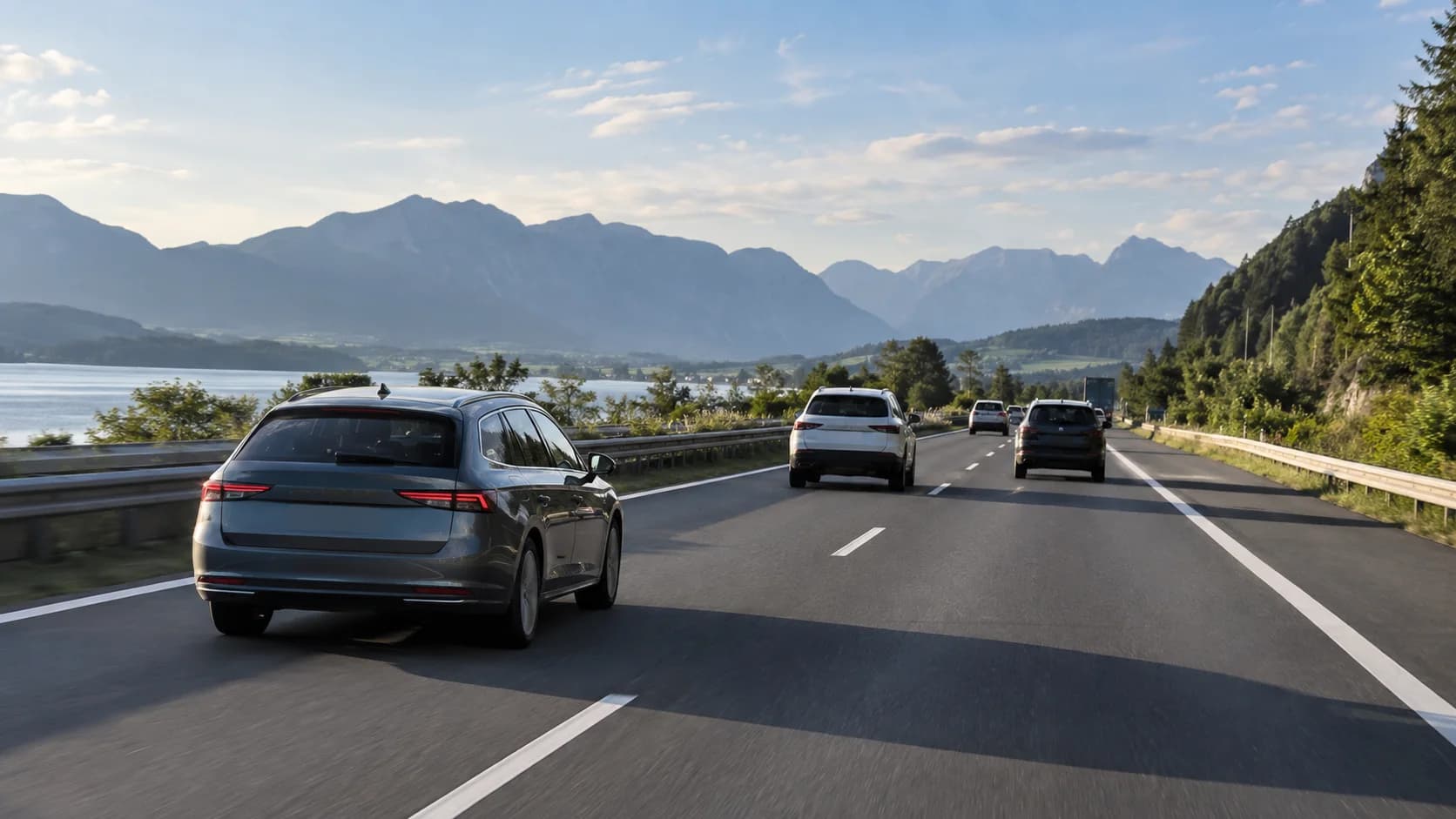
Vehicle load, including passengers and cargo, increases the energy required to move the vehicle. Aerodynamic drag, which becomes more pronounced at higher speeds, also significantly impacts consumption. The use of auxiliary systems such as air conditioning, infotainment, and headlights further draws power from the main battery, reducing the distance an EV can travel.
Battery Degradation and Range Over Time
EV batteries, like all rechargeable batteries, experience degradation over their lifespan. This process, where the battery's ability to hold a charge diminishes, leads to a gradual reduction in available range. The EU Batteries Regulation (2023/1542) addresses battery durability, aiming to ensure that batteries maintain a certain level of performance over time. Similarly, UNECE Global Technical Regulation No. 22 sets out requirements for the durability of electrified vehicle batteries, including their state of health.
Battery degradation is influenced by factors such as the number of charge cycles, depth of discharge, charging speed (frequent fast charging can accelerate degradation), and exposure to extreme temperatures. While manufacturers often provide warranties for battery capacity retention over a certain period or mileage, drivers should anticipate a modest reduction in range as the vehicle ages. Monitoring the battery's state of health, often displayed in the vehicle's infotainment system, can provide an indication of its current capacity relative to new.
Planning for Cross-Border European Journeys
For a hypothetical cross-border European journey, such as from Brussels to Frankfurt, understanding the real-world range implications is crucial. This route involves varying speed limits, potential motorway driving, and diverse weather conditions depending on the season. Relying solely on the WLTP range could lead to miscalculations regarding charging stops.
Drivers should factor in a realistic buffer for range, especially when travelling at higher speeds on motorways, where energy consumption is typically greater than in urban driving. Planning charging stops using dedicated EV route planners that consider real-time traffic, elevation changes, and charger availability is advisable. The Alternative Fuels Infrastructure Regulation (2023/1804) aims to ensure a sufficient and user-friendly public charging infrastructure across Europe, but charger reliability and speed can still vary.
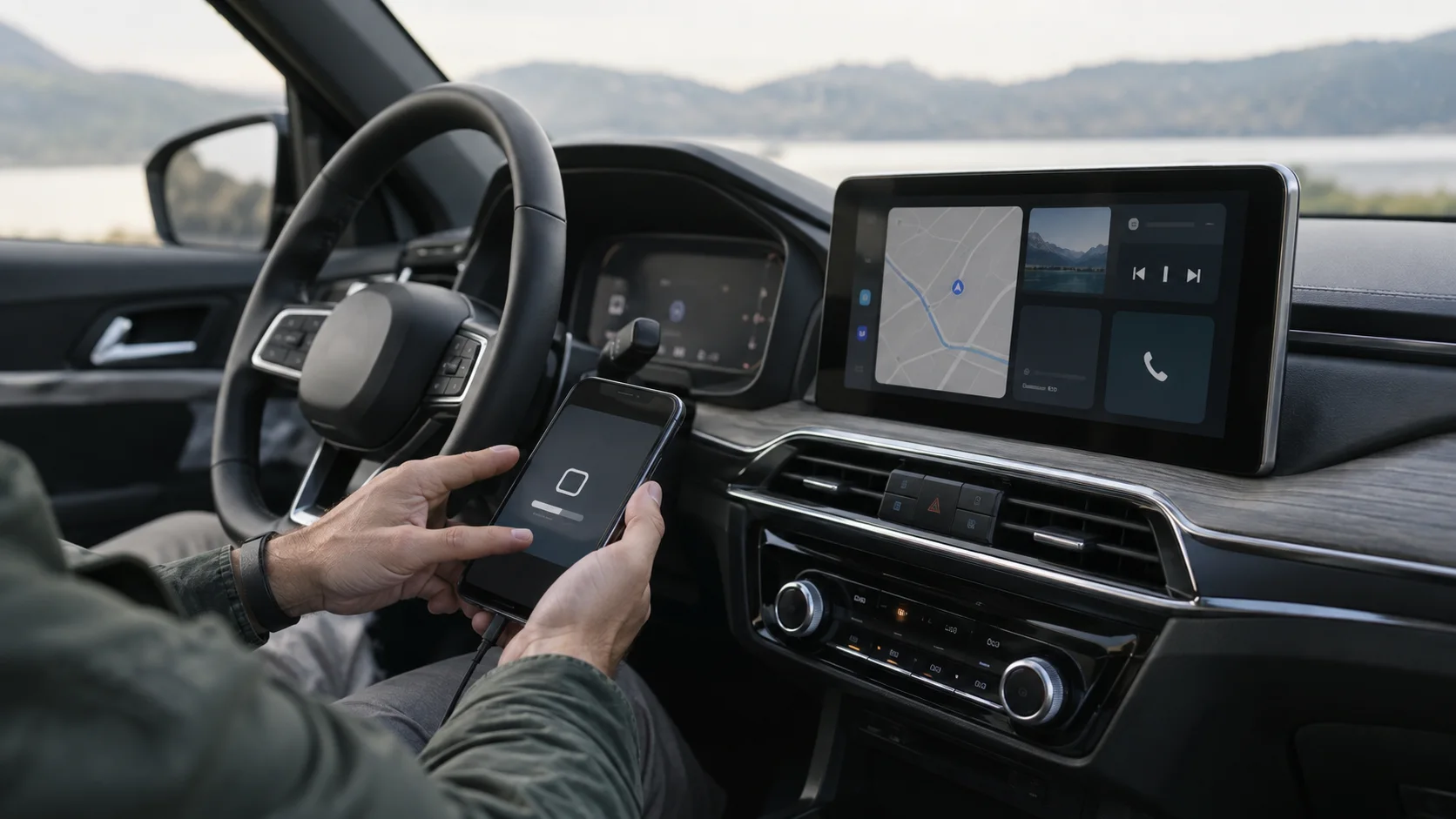
It is prudent to identify charging points along the planned route and have backup options. The vehicle's navigation system or third-party apps often provide information on charger types (AC or DC), power output, and availability. Checking the vehicle manual for maximum charging rates and compatible connector types (e.g., CCS, Type 2) is essential to ensure compatibility with available infrastructure.
Verifying Vehicle Compatibility and Performance
To verify compatibility and understand a vehicle's specific performance characteristics, drivers should consult the official documentation. The vehicle's owner's manual provides detailed information on battery capacity, charging specifications, recommended driving practices, and expected range under various conditions. While the manual will not provide a "real-world" range figure, it often includes consumption data for different driving cycles or speeds, which can help in estimating practical range.
Official manufacturer websites and product specification sheets also list the WLTP range and often provide additional data, such as energy consumption figures for urban and extra-urban cycles. Some manufacturers offer online range calculators that allow users to input parameters like ambient temperature, speed, and use of auxiliary systems to generate a more personalized range estimate.
For charging compatibility, the manual will specify the types of charging connectors the vehicle supports and its maximum AC and DC charging power. This information is vital for selecting appropriate charging stations. For instance, a vehicle supporting 150 kW DC fast charging will benefit from high-power charging stations, while one limited to 50 kW will charge at a slower rate regardless of the station's maximum output. Understanding these limits prevents frustration and ensures efficient use of charging infrastructure.