BMW of North America is recalling 720,796 vehicles because the electrical connector on the water pump can degrade, admit moisture and short circuit. The US National Highway Traffic Safety Administration says affected cars should be parked outside and away from buildings and other vehicles until repaired. The new campaign is 26V-733.
The US recall covers 14 vehicle groups
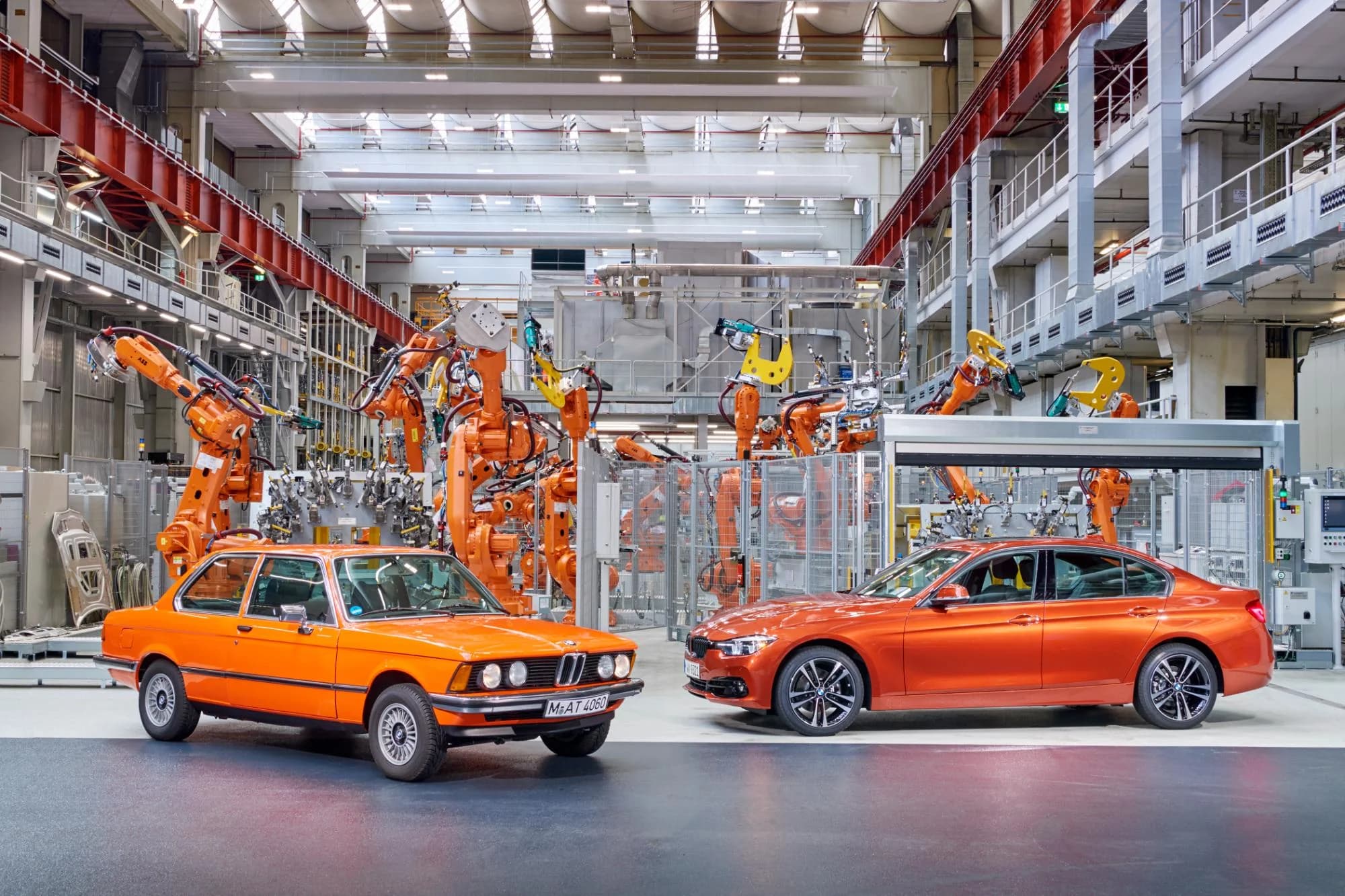
NHTSA’s consumer alert lists selected 2012–2016 3 Series, 5 Series and Z4 vehicles; 2012–2015 X1s; 2013–2017 X3s; 2015–2018 X4s; and 2016–2018 X5 xDrive40e plug-in hybrids. It also includes specified 2 Series coupes and convertibles, 3 Series Sports Wagons and 328xi Gran Turismos, plus 4 Series coupes, convertibles and Gran Coupes.
Those model-year ranges are a screening guide, not proof that every car is included. BMW determined the population from assembly data and supplier production records. The report identifies petrol-powered 228i, 328i, 428i and 528i variants, together with their relevant xDrive derivatives, as well as X1 and X3 28i versions, the X4 xDrive28i, Z4 sDrive28i and X5 xDrive40e.
The largest individual populations are 236,702 3 Series sedans, 163,728 X3s and 110,102 5 Series cars. The total applies to the United States. It should not be presented as a worldwide figure or as confirmation that the same campaign has been opened in every European market.
Why the connector can create a fire risk
BMW’s Part 573 report says material degradation at the water pump’s electrical connector can allow moisture into the pump. A short circuit may follow, increasing the risk of a thermal event and, in rare cases, a fire. NHTSA notes that a fire can occur while the car is parked and switched off, which is why the advisory focuses on where owners leave the vehicle.
The engineering investigation found severe and highly localised embrittlement in the connector’s polybutylene terephthalate, or PBT. Laboratory work identified cracks and possible moisture pathways. BMW and pump supplier Pierburg Pump Technology used returned parts, computed-tomography scans, microscopy and material analysis while investigating the failure mechanism.
The filing lists the estimated defect rate as 0.1%, while explaining that BMW’s calculated value is actually below 0.1% because the reporting portal cannot accept a smaller entry. That low estimate does not narrow the park-outside instruction: it applies to every VIN included in the recall until the remedy is completed.
This is a second recall of the same population
The same 720,796 vehicles were recalled in 2024 under campaign 24V-608. That repair added a protective shield intended to divert residual fluid from the positive-crankcase-ventilation intake hose away from the pump connector. Technicians also inspected the pump connector and wiring-harness plug, replacing the pump or harness when required.
Subsequent thermal events involved cars that had already received that remedy. NHTSA’s alert says BMW is aware of approximately 10 US incidents that relate, or may relate, to the new issue, all involving previously repaired vehicles. BMW reported no crashes or injuries connected with the defect when it decided on the voluntary recall on 28 October 2026.
The chronology shows why a completed 2024 repair is not enough to assume the car is clear. BMW initially considered improper repair as a possible explanation, then found connector embrittlement and cracks during a broader parts investigation. Owners therefore need to check the new campaign rather than relying on an old invoice alone.
A final repair is still under development
BMW’s 4 November filing says the new remedy is under development. Once available, it will be performed free of charge by authorised BMW centres. Interim owner letters are planned for 25 December 2026, the same date on which affected VINs and licence plates are scheduled to become searchable in NHTSA’s recall system.
Until repair, owners are told to park outside and away from structures. The filing checks the “Park Outside” box but not “Do Not Drive”. That distinction matters: the agency has not issued a blanket prohibition on driving, but it has identified a fire exposure during parking. Smoke, a burning smell or signs of overheating require immediate caution and professional assistance rather than continued normal use.
Owners who paid for an eligible repair before notification may qualify for reimbursement under BMW’s filed reimbursement plan. Exact eligibility depends on the recall instructions and documentation, so receipts should be retained.
What this means outside the United States
Campaign 26V-733 is a US safety recall administered by NHTSA. A similar BMW sold in Europe is not automatically included merely because its model and year appear on the American list. Production specification, market destination, component batch and VIN determine coverage.
Owners of US-imported cars should check the 17-character VIN with BMW and, from the announced date, with NHTSA. Owners elsewhere should use the official BMW recall tool for their market or contact an authorised centre. BMW’s recall pages state that safety-recall work is carried out without charge when the VIN is covered.
The practical message is narrower than the headline number. BMW does not claim that 720,796 pumps will fail; its estimated defect share is below 0.1%. Yet because the potential outcome is a vehicle fire and no final fix was available when the campaign was filed, checking the VIN and following the parking instruction are the appropriate responses.