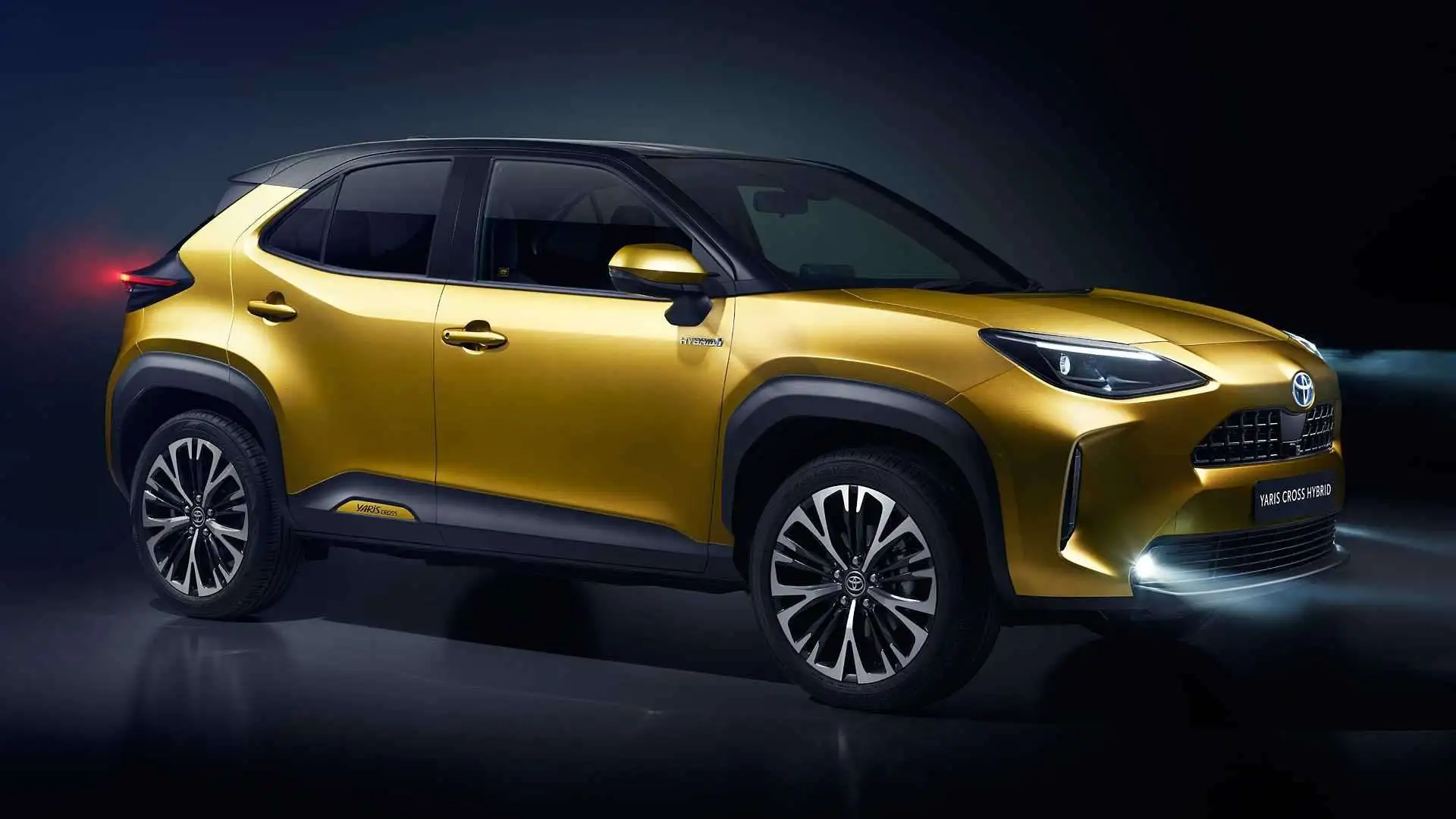
The Toyota Yaris Cross is one of the compact options for those who no longer need the space of a large SUV every day. Photo source: Toyota
What car to choose after the children have moved out: six models that suit life as a couple
After the children have their own cars or move out of the family home, the car bought for four or five people can remain too large for daily use. Three empty seats and a boot used fully a few times a year do not automatically justify the consumption, tyres and parking difficulty of a large SUV.
That does not mean every couple must buy a small car. Some still travel with children or grandchildren, carry bicycles or tow a trailer. Others want a more comfortable car, an electric model charged at home, or even a two-seat roadster. The right choice starts with the activities that remain, not with the number of rooms that have become free in the house.
We have selected six models available in Romania, each for a different scenario. This is not a ranking, and the prices shown by manufacturers were checked on 31 August 2026 and may change through campaigns, equipment or dealer policy.
What is worth reassessing before you change cars
A car for two does not have to have only two seats. The rear bench remains useful for trips with friends, visits from the children and carrying objects that do not fit in the boot. The difference is that these situations no longer have to dictate every daily compromise.
Before choosing a model, answer a few questions in concrete terms:
- how many times a month the rear seats are occupied;
- whether there is a dedicated place to charge an electric car;
- how often you travel on the motorway, on unpaved roads or abroad;
- whether bicycles, animals or bulky equipment must be carried;
- how easily both drivers get into the car and how comfortably they adjust the seat;
- whether you prefer lower costs or are willing to pay for performance and comfort.
A test drive should include getting in and out several times, parking in a tight space and lifting luggage into the boot. A high seating position helps access, but an SUV that is too wide can become tiring in older city car parks.
The selection in brief
| Model | Type | Claimed boot | Especially suited to |
|---|---|---|---|
| Toyota Yaris Cross | full hybrid | 320–397 litres | city use and low consumption without plugging in |
| Renault Captur | petrol, LPG or full hybrid | 348–616 litres, depending on engine and bench | modularity and a controlled budget |
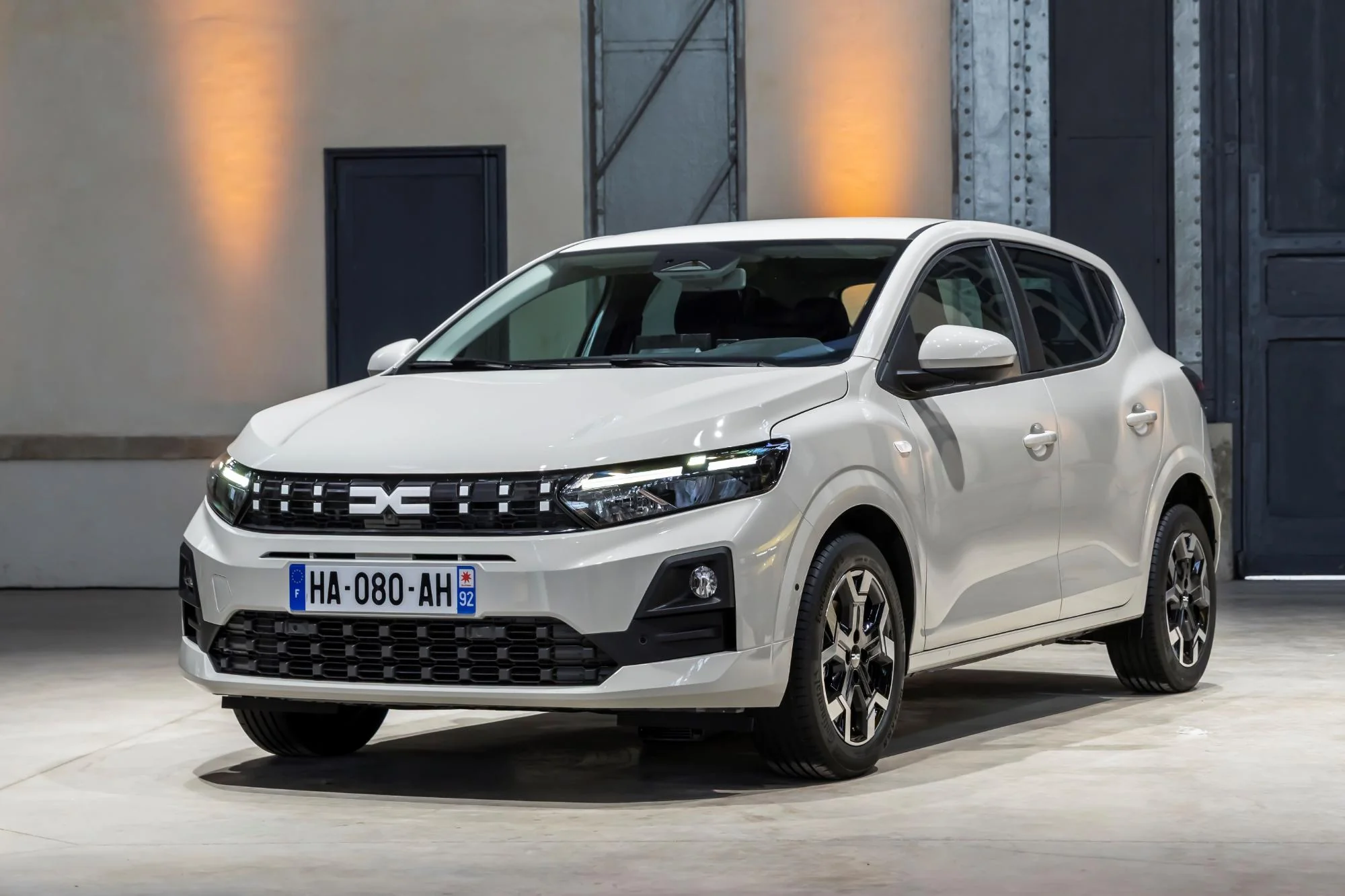
| Dacia Duster | petrol, LPG, hybrid, 4x4 | 430–594 litres, depending on version and measurement | mixed roads and outdoor activities |
| Toyota Corolla Cross | full hybrid | 436 litres claimed for the current range | travel and rear seats used periodically |
| Škoda Elroq | electric | 470–1,580 litres | home charging and longer electric trips |
| Mazda MX-5 RF | petrol, two seats | limited space | the pleasure of driving, without daily family obligations |
Boot figures are not always directly comparable. Manufacturers may publish VDA measurements or volumes calculated up to the roof, and the position of the sliding bench substantially changes the figure on the Captur.
Toyota Yaris Cross: for the city and regional roads
The Yaris Cross is the rational choice for a couple that covers a lot of city miles, wants an automatic gearbox and does not want to plug the battery in. The full-hybrid system recovers energy under braking and can stop the combustion engine in certain urban situations.
The model is easier to park than a higher-class compact SUV, but it keeps the access typical of a crossover. The boot varies between 320 and 397 litres, depending on version. That is enough for shopping and the luggage of two people, but it should be checked with the objects you use often if you carry two folding bicycles or a large animal.
Toyota Romania displayed a recommended price of €22,376.77 including VAT for the entry version at the time of research. The final price is set by the retailer and may include other costs or discounts.
Renault Captur: when the sliding bench matters
The Renault Captur allows the rear bench to be moved over a distance of 16 cm. For a couple, this is more useful than a very spacious fixed bench: when the rear seats are empty, they can be pushed forward to enlarge the boot.
On the petrol version, Renault quotes 484 litres with the bench back and 616 litres with it moved forward. On the full hybrid, the battery reduces the volumes to 348 and 480 litres respectively. The engine choice must therefore be made together with a check of the boot, not separately.
The local range started from €21,850 for the TCe 115 or Eco-G 120 and from €25,400 for the E-Tech full hybrid 160 at the date of verification. LPG is interesting for high mileage and access to stations, while the full hybrid suits urban traffic and those who want an automatic transmission better.
Dacia Duster: for a cabin, fishing or unpaved roads
A smaller household does not automatically remove the need for ground clearance, roof bars and all-wheel drive. The Dacia Duster remains a suitable choice if weekends mean forest tracks, a house outside the city or carrying equipment.
Boot volume differs a lot between engines. In the VDA measurement, Dacia indicates between 430 and 517 dm³, and the figures published in litres reach between 496 and 594 litres. Hybrid versions and those with all-wheel drive lose some space compared with the mild-hybrid front-wheel-drive configuration.
Do not buy 4x4 automatically just for the driving position. If the car runs almost exclusively on tarmac, a front-wheel-drive version is simpler and may offer a larger boot. For regular outings on snow, mud or unmade slopes, the 4x4 system can justify the difference.
Toyota Corolla Cross: when children and grandchildren often return to the car
For those who periodically need four usable seats, the Corolla Cross avoids too abrupt a step from a family SUV to a small crossover. The model has a claimed boot of 436 litres for the current range and full-hybrid powertrains of 1.8 or 2.0 litres.
The 1.8 Hybrid Active version was displayed by Toyota Romania from about €33,329, as part of a campaign, against a list price of around €35,083. The difference compared with the Yaris Cross buys more space, better access to the rear bench and superior comfort on long trips, but it brings a larger body and a higher budget.
It is the compromise for the couple that uses the car alone during the week but often travels four-up at the weekend.
Škoda Elroq: if you can charge at home
An electric car can become easier to use after the daily school run disappears, but only if charging is solved. The Škoda Elroq has compact-SUV dimensions, a boot of 470 litres and up to 1,580 litres with the rear bench folded.
The Elroq 85 version offers a WLTP range of up to 560 km, according to Škoda Romania. That figure is not guaranteed range on the motorway or in winter, but it allows longer trips with fewer stops than an urban electric with a small battery.
The displayed starting price for the Elroq Essence was €36,444. Before ordering, the cost of a wallbox should also be calculated, if the home installation allows it to be fitted. For anyone who parks exclusively on public land, the advantage of overnight charging disappears, and the experience depends on the stations available in the neighbourhood.
Mazda MX-5 RF: the choice made for the pleasure of driving
After years in which every purchase was judged by the number of ISOFIX seats and the size of the boot, a two-seat car can become realistic. The Mazda MX-5 RF has a retractable hard top and compact dimensions, suited to weekend roads and to drivers who want a manual gearbox and a light car.
The compromises are clear. Luggage for two people must be chosen carefully, the low access is not comfortable for everyone, and the car cannot occasionally take more than one passenger. It is not the universal recommendation after the children leave, but the option for a household that has a second practical car or no longer needs one at all.
A test drive is essential. Check access with the roof up, visibility, noise at motorway speeds and whether the boot can take the bags used on a weekend.
Hybrid, electric or petrol: how to choose the powertrain
A full hybrid is easy to use if you have no socket and cover a lot of miles in built-up areas. It does not require a change of routine, but motorway consumption does not benefit from the electric side as much as urban traffic does.
An electric car makes sense when it can be charged at home or at work, and long trips are compatible with the charging network. Do not buy on WLTP range alone; check charging speed, the charging curve and the stations on the routes you actually use.
Petrol or LPG remain simple solutions for low mileage, areas with weak charging infrastructure or unpredictable travel. At 8,000–10,000 km a year, the consumption difference may matter less than the purchase price and the cost of insurance.
The smaller car should also reduce the bills
Swapping a large SUV for a compact crossover is not justified if the price difference is lost in optional packs. Compare the total cost over at least five years: comprehensive insurance, servicing, tyres, tax, energy or fuel, and depreciation.
Wheels of 17 or 18 inches can be more suitable than 19- or 20-inch ones. Tyres cost less, a taller sidewall protects better on damaged tarmac, and comfort can be superior. For a car used by two people, good seats, effective headlights and a reversing camera are usually more useful than a sporty exterior pack.
Frequently asked questions
Is an SUV still necessary after the children have moved out?
Not necessarily. A compact crossover, a hatchback or an estate can offer enough space at lower cost and smaller dimensions. An SUV remains justified if the high driving position, ground clearance, towing or access are genuine priorities.
What is the best choice for the city?
The Toyota Yaris Cross and Renault Captur are easy to park and have hybrid options. The Captur offers more flexibility through the sliding bench, and the Yaris Cross has a full-hybrid system available across the range analysed.
Is an electric car worth it for a retired couple?
It can be if there is charging at home and the usual routes are known. Without a stable charging place, the choice depends much more on local public infrastructure.
Is a two-seat car a practical choice?
Only if carrying other people and bulky objects is rare, or if there is access to a second car. The Mazda MX-5 should be chosen for the driving experience, not for utility.
Sources and official data
- Toyota Romania — Yaris Cross, prices and model data
- Renault Romania — Captur versions and prices
- Renault Romania — Captur dimensions and boot
- Dacia Romania — Duster dimensions and boot
- Toyota Romania — Corolla Cross, versions and prices
- Škoda Romania — Elroq, range, price and boot
- Mazda Romania — MX-5 RF