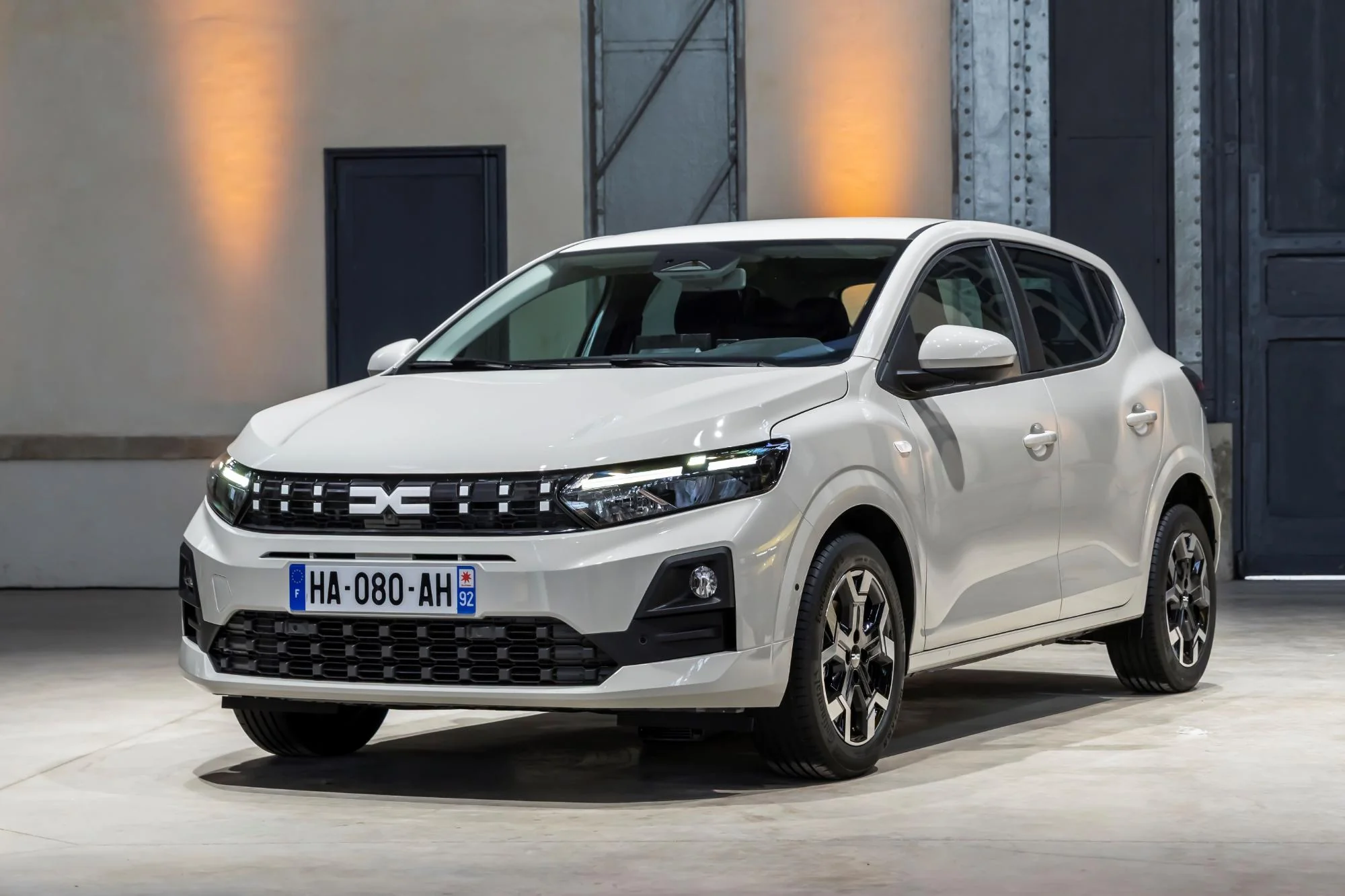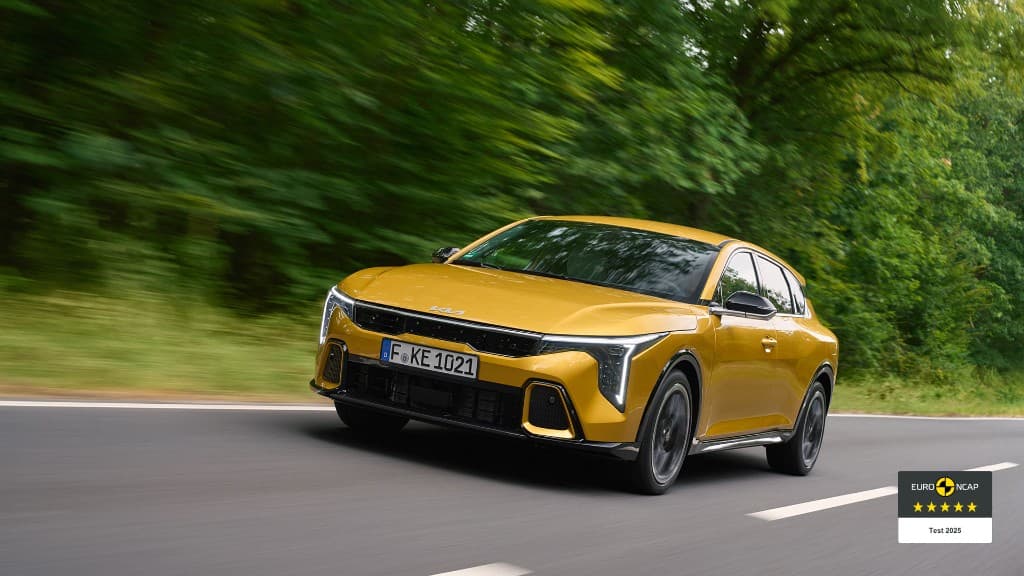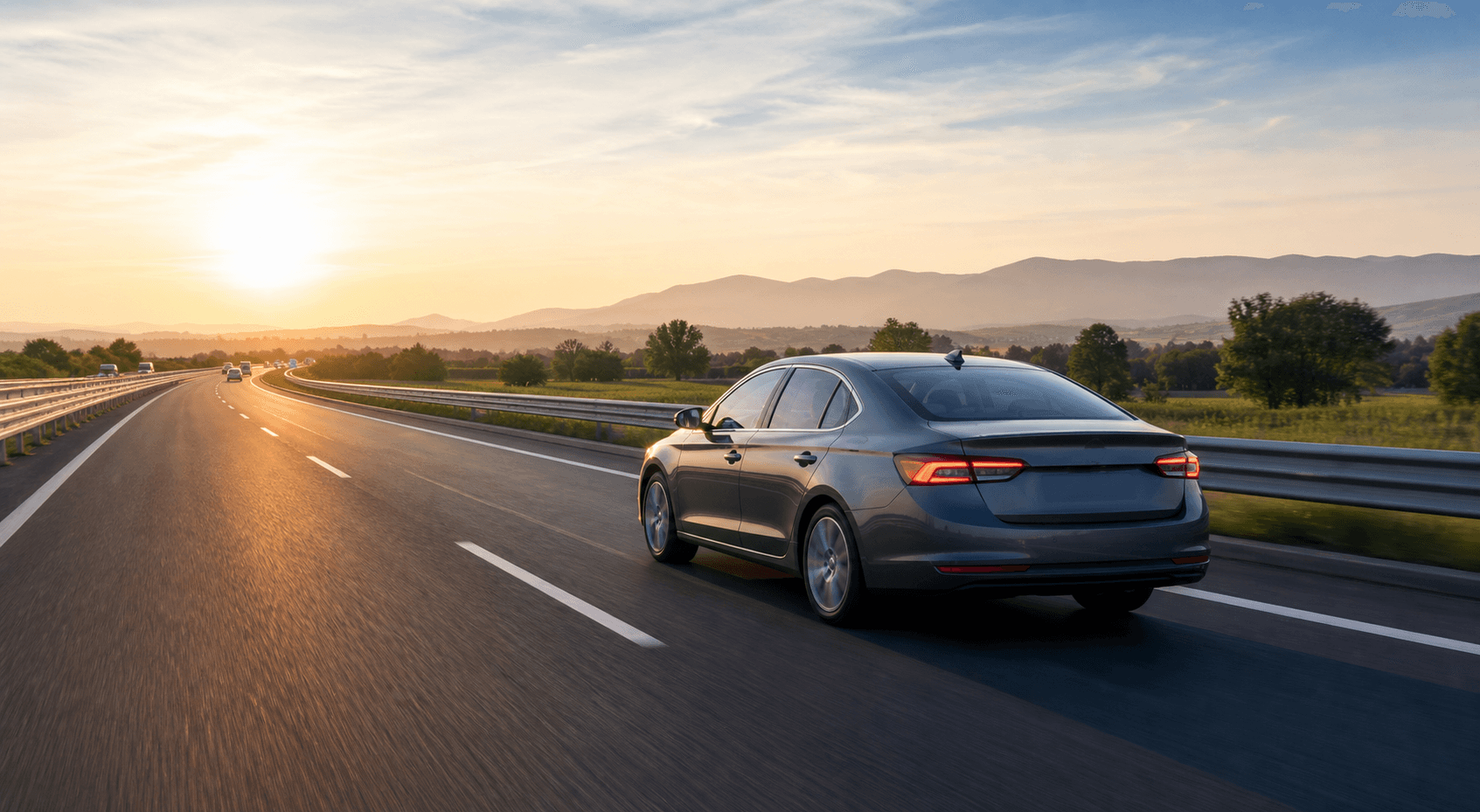
The 150 km/h limit on the D3 is displayed dynamically and can drop to 130, 100, 80 or 60 km/h. Illustrative image.
Czechia is testing a 150 km/h limit on the D3 motorway. When it can be used
Drivers may legally travel at 150 km/h on a section of the D3 motorway in Czechia, but only when that figure appears on the variable signs. The pilot project runs between kilometres 84 and 131, on the route between Planá nad Lužnicí and the České Budějovice area, and has been extended until the end of 2026.
It is not a permanent limit and not a rule valid on all Czech motorways. Normally, the maximum motorway limit remains 130 km/h. The system on the D3 can display 150, 130 or 100 km/h, and in areas with temporary works the speed can drop to 80 or, in exceptional cases, to 60 km/h.
Where the 150 km/h limit applies
The monitored section is about 47 km long and lies in South Bohemia. The D3 motorway links the Tábor area with České Budějovice and continues towards the Austrian border, and is also used by tourist traffic heading south through Europe.
The trial began on 1 October 2025. The Czech Ministry of Transport installed variable signs and a system that uses data from weather stations, traffic detectors and the National Traffic Information Centre.
The 150 km/h limit can be activated only if several conditions are met at the same time:
- visibility and weather are good;
- traffic is light;
- there are no accidents, queues or restrictions;
- the risk of ice, strong wind or animals appearing is low.
The sign displayed on the road takes priority. Being on the pilot section does not automatically allow a driver to travel at 150 km/h.
The maximum limit was active 39% of the time
The first official data show how much the trial depends on traffic conditions. Between October 2025 and March 2026, the 150 km/h regime was active 39% of the time. The 130 km/h limit was displayed for 59% of the interval, and 100 km/h for 2%.
Seasonal differences were large. In October, 150 km/h was allowed 93% of the time, and in November 85%. In December the share dropped to 7%, in January to 1%, in February it reached 13%, and in March 36%.
The ministry decided to continue the project until 31 December 2026 precisely to collect more data in summer conditions and at higher traffic volumes. The initial assessment is not enough for a permanent introduction of the limit.
Average speed rose by about 10 km/h
When the signs displayed 150 km/h, the average speed of passenger cars rose by about 10 km/h compared with periods with a 130 km/h limit. The increase is smaller than the 20 km/h difference between the two limits, a sign that not all drivers used the maximum value.
Preliminary data also show that more than 40% of drivers in the left-hand lane exceeded the limit even when it was set at 150 km/h. BESIP, the road-safety department of the Ministry of Transport, considers that clear signing and enforcement still need to be watched.
The Czech police have not concluded that the section became safer simply because the limit was raised. The final assessment must analyse accidents, risk level, traffic flow and time saved, using a longer observation period.
How much time can be saved over the 47 km
In a theoretical calculation, without traffic and without slowing down, covering 47 km at a constant 130 km/h takes about 21 minutes and 40 seconds. At 150 km/h, the time falls to about 18 minutes and 48 seconds.
The maximum saving would thus be less than three minutes. In real traffic it can be smaller, because the driver must adapt speed, keep a gap and respect any change displayed by the system.
At 150 km/h, a car covers almost 42 metres every second. A larger distance to the vehicle ahead and tyres in good condition become more important, and fuel or energy consumption rises compared with travelling at 130 km/h.
Is the D3 the road with the highest speed limit in the world?
The claim needs a clarification. 150 km/h is among the highest numerical limits displayed on a public road, but certain sections of Germany’s Autobahn network have no general mandatory limit. For that reason, the D3 cannot simply be described as the road on which the highest speed in the world is allowed.
There is also a difference between a numerical limit and the absence of a general limit. On the D3, 150 km/h is the maximum permitted when the sign shows it; exceeding it remains an offence. On German sections without a mandatory limit there is a recommended speed of 130 km/h, and local or dynamic restrictions can appear.
What a Romanian driver arriving on the D3 needs to know
The driver must watch the variable signs, not information remembered before the trip. The limit can change during the journey if rain starts, traffic increases or an incident appears.
The car must have tyres with an adequate speed rating, correct pressure and a sound technical condition. The maximum limit is not an obligation: the driver can and should choose a lower speed when conditions, visibility or their own experience require it.
The project remains in the trial phase until the end of 2026. Czech authorities will later decide whether to keep the system on the D3 and whether they can use it on other modern motorway sections.
Frequently asked questions
What is the normal limit on motorways in Czechia?
The general limit is 130 km/h. The 150 km/h value applies only on the D3 pilot section and only when it appears on the variable signs.
How long is the section with a variable limit?
The section lies between kilometres 84 and 131 of the D3 motorway and is about 47 km long.
Can you travel permanently at 150 km/h on the D3?
No. The system can display 150, 130 or 100 km/h depending on weather, traffic and incidents. Near works, limits of 80 or 60 km/h can appear.
How long does the trial last?
The Czech Ministry of Transport has extended the project until the end of 2026.
How much time is saved?
Over the full 47 km section, the theoretical difference between a constant 130 km/h and 150 km/h is about three minutes. In real conditions, the saving can be smaller.