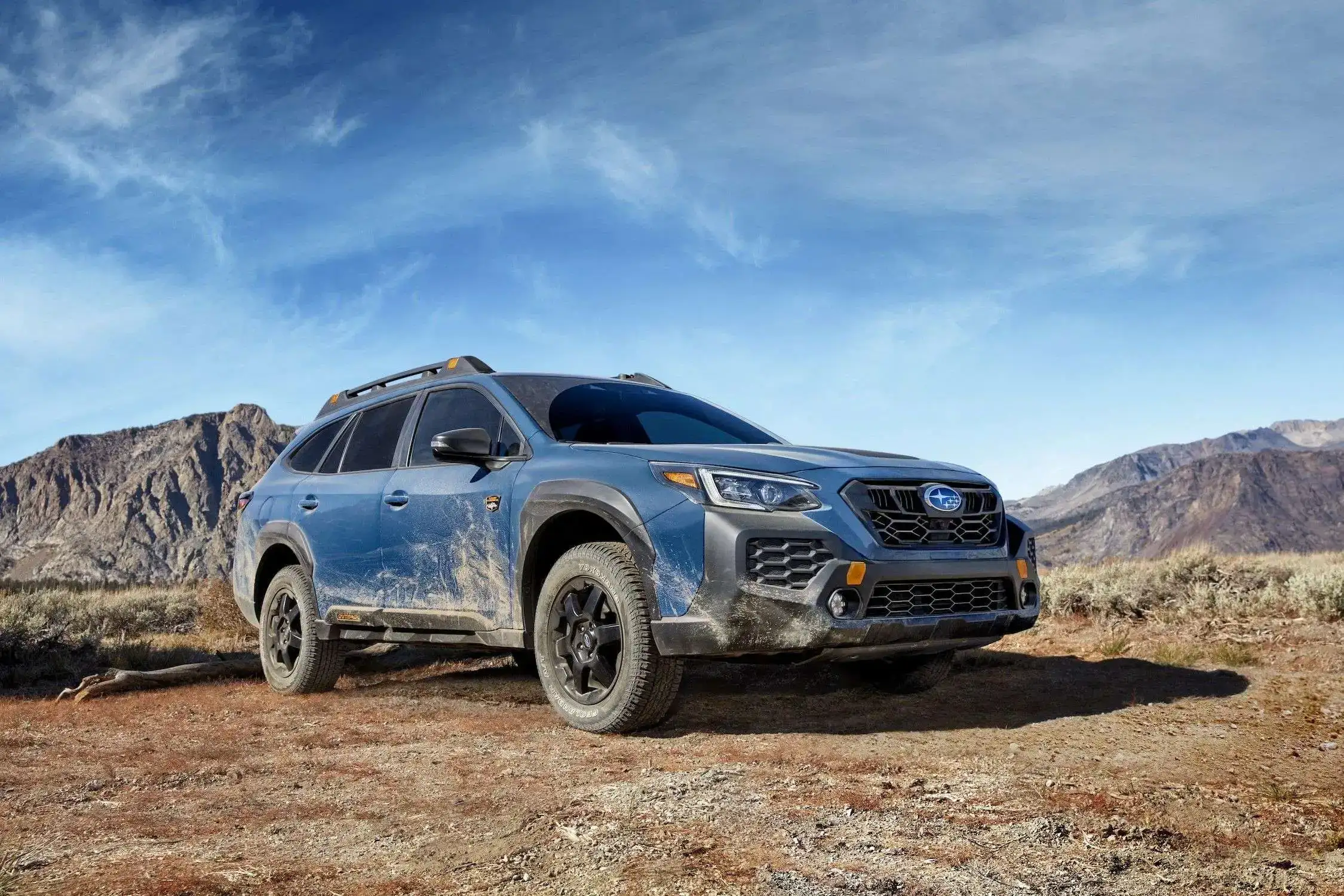
The Subaru Outback Wilderness uses ample trim in areas exposed to mud and gravel. It also plays an important visual role. Subaru press image.
Why do SUVs have so much black plastic on the body?
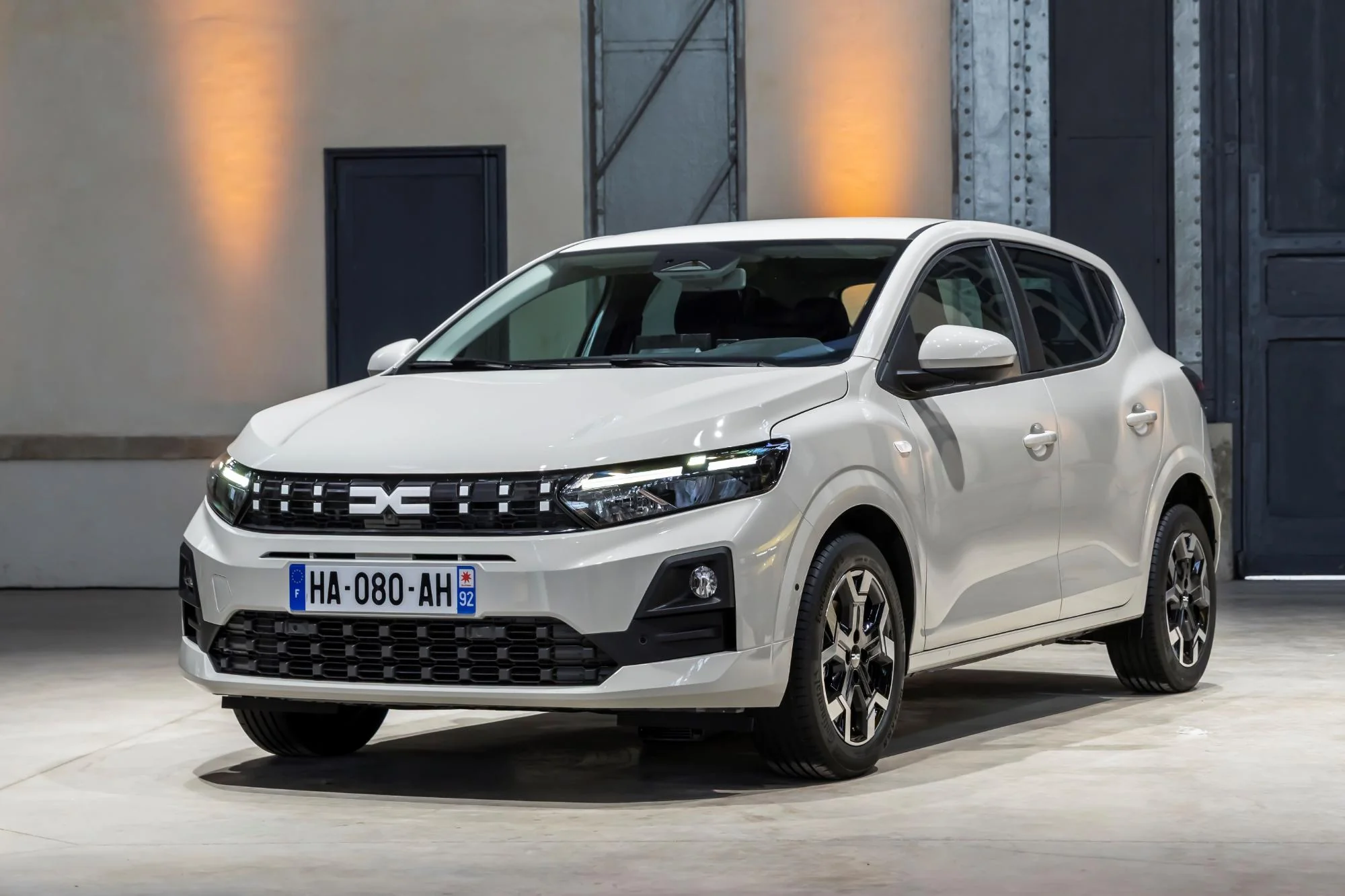
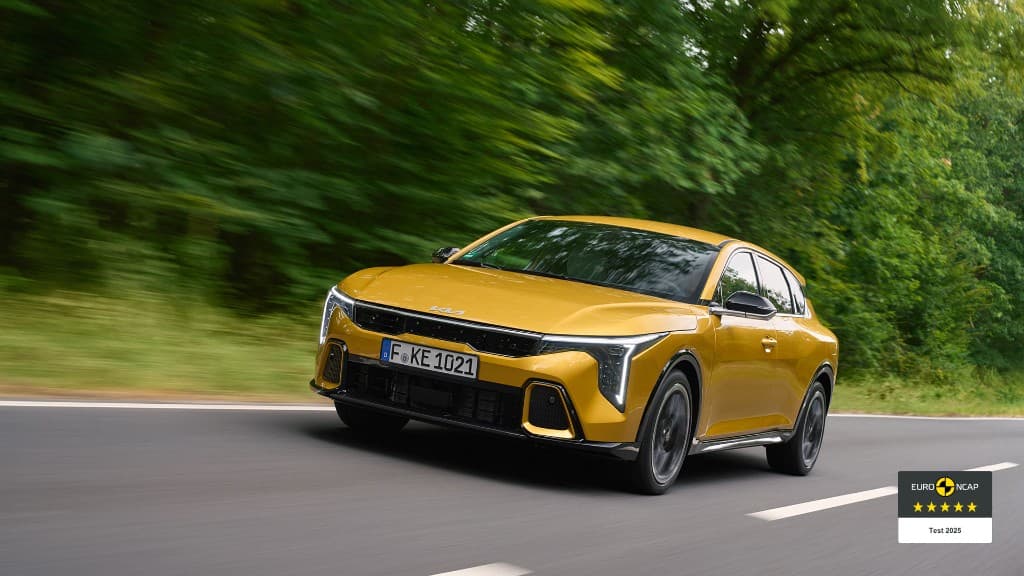
The black plastic on wheel arches, sills, doors and bumpers is known in the industry as body cladding. Manufacturers use it for three main reasons: it limits marks left by gravel and light scratches, it can simplify the repair of some cosmetic damage, and it makes the car look more robust.
The last reason explains why such parts also appear on front-wheel-drive crossovers intended almost exclusively for tarmac. The plastic does not turn a city car into an off-road vehicle. It can protect the surface underneath in certain situations, but it does not replace ground clearance, suitable tyres, structural protection or all-wheel drive.
Where it is fitted and what it is made of
The black trim is found in the most exposed areas:
- around the wheel arches;
- on the lower part of the doors;
- on the sills;
- on the lower part of the front and rear bumpers;
- sometimes on the edges of the wings or on the tailgate.
The material differs from one part and one manufacturer to another. Material supplier SABIC indicates for automotive exterior applications including polypropylene and thermoplastic polyolefins (PP/TPO). These materials can combine impact resistance, low mass and the possibility of being moulded in colour, without a separate painting stage.
The textured surface is not chosen by chance. On matte black plastic, a fine scratch or a gravel mark is usually less obvious than on a glossy panel painted in body colour.
1. It protects areas often hit by gravel and mud
The wheels throw water, sand, salt and small stones towards the wings and sills. In Romania, the effect is easy to see after a winter or after unpaved roads: the lower part of the body accumulates dirt and small impacts.
A plastic trim can take superficial scratches that, on a painted part, would require sanding and repainting. Subaru even describes the extra door cladding for the Outback as parts that emphasise a robust look and are tested for resistance to fading, scratching and cracking.
The protection has clear limits. A strong impact can break the plastic, snap the clips and deform the wing or sill underneath. Corrosion does not disappear either: if the trim comes loose, retains dirt or hides an old repair, the metal must be checked separately.
2. It can reduce the cost of a cosmetic repair
Many protective elements are distinct parts, held by clips and screws. If the damage is limited to the trim, a workshop can replace it without repainting a large area of the body. The advantage is relevant in a light parking contact or a scratch on the wheel arch.
That does not mean every repair will be cheap. The price depends on the size of the part, availability, the number of clips, nearby sensors and labour. Some trims form large assemblies, and an original part can cost more than its simple appearance suggests.
After damage, ask for a separate estimate for:
- the exterior trim and fastening elements;
- checking the supports and the sheet metal underneath;
- possible painting of the panel;
- sensor calibration, if they were affected.
3. It changes the proportions and makes the SUV look more ready for terrain
The black band at the bottom visually reduces the height of the painted surface. The dark outline around the wheels makes the arches look larger, and black sills emphasise the impression of ground clearance.
It is an effective design tool. The same car can look more urban with painted arches and more adventurous with wide trim, even if the platform, drivetrain and suspension remain unchanged. Versions with an off-road image often receive more plastic, contrasting accents and redesigned bumpers precisely to differ from ordinary trims.
This is also why black plastic has spread beyond genuine 4x4 models. Buyers associate the shape with robustness, and manufacturers can create an SUV identity without extensive structural changes.
4. It is cheaper than a painted part, but it is not only about saving money
A part moulded in colour eliminates painting and can reduce manufacturing costs. PP/TPO is used in the car industry for the balance of cost, mass, stiffness and impact resistance. Economy therefore matters.
The explanation that “the manufacturer left the body unpainted” is, however, wrong in many cases. Under the trim there can still be a protected, painted metal panel. The plastic, clips and fitting are extra components. The manufacturer accepts this cost for the combination of design, protection and repairability.
Why black plastic turns grey over time
Ultraviolet radiation, extreme temperatures, salt, aggressive detergents and repeated washing can change the appearance of the surface. The plastic loses uniformity and takes on a grey or whitish shade. The process is more visible on black parts and on cars kept permanently in the sun.
Products dedicated to exterior trim include UV protection and can temporarily improve the colour, but they do not repair cracked plastic, broken clips or a deformation. The result and duration differ according to the condition of the part and the product.
How to care for the trim correctly
- wash it with a pH-neutral car shampoo and a soft cloth or brush;
- remove salt and dried mud from the joints quickly;
- do not apply abrasive paint polish on textured plastic;
- avoid wax that leaves white residue on porous surfaces;
- use a product intended for exterior plastic and test it first in a little-seen area;
- avoid “restoration” with a flame or a heat gun: it can deform the part, affect the texture and accelerate deterioration;
- do not mask scratches with oils or greasy solutions that attract dust and can reach tyres or brakes.
What to check on a used SUV
Ample trim can hide damage, and a fresh shine does not prove that the parts are in good condition. When viewing, inspect the car in natural light and look for:
- differences in shade and texture between left and right;
- uneven gaps between plastic and metal;
- missing clips, raised ends and noises when pressed;
- paint traces on the plastic, a sign of a poorly masked respray;
- deep scratches, cracks or deformations near jacking points;
- mud, moisture and rust behind a loose part;
- the date and part code, if you suspect a replacement after an accident.
A new trim is not automatically a problem: it may be the result of strictly cosmetic damage. What matters is to find out why it was changed and whether the panel, sill or structure behind it was repaired correctly.
Is a car with a lot of black plastic worth choosing?
Yes, if you use the car on gravel roads, in winter or in car parks where the lower areas are frequently scratched. The trim can keep the paint looking better and can make some repairs simpler.
The drawbacks are visible ageing, the risk of broken clips and the possibility that the parts hide damage. When buying, the concrete condition and the price of a replacement part matter more than a generic promise of “off-road protection”.
Frequently asked questions
Does black plastic protect the SUV from rust?
It can reduce gravel impacts on the paint, but it is not complete anti-corrosion protection. If water and dirt reach behind a loosened part, or the metal has already been affected, corrosion can continue hidden.
Can it be painted in body colour?
Some materials can be prepared and painted with suitable procedures and adhesion promoters. The operation does, however, change scratch behaviour and can cancel the advantage of a moulded-in-colour finish. A workshop must identify the material before work.
Why is the plastic not fitted only on 4x4 SUVs?
Because it also has an aesthetic role. It outlines the wheels, visually reduces the mass of the body and conveys the idea of a robust car even on a front-wheel-drive crossover.
Scratched black trim or a complete replacement?
Fine marks can be cleaned and faded with suitable products. A crack, a deformation, a broken fastening or a deep scratch requires an assessment of the part. Ask for the price of the trim and the clips before accepting an improvised repair.