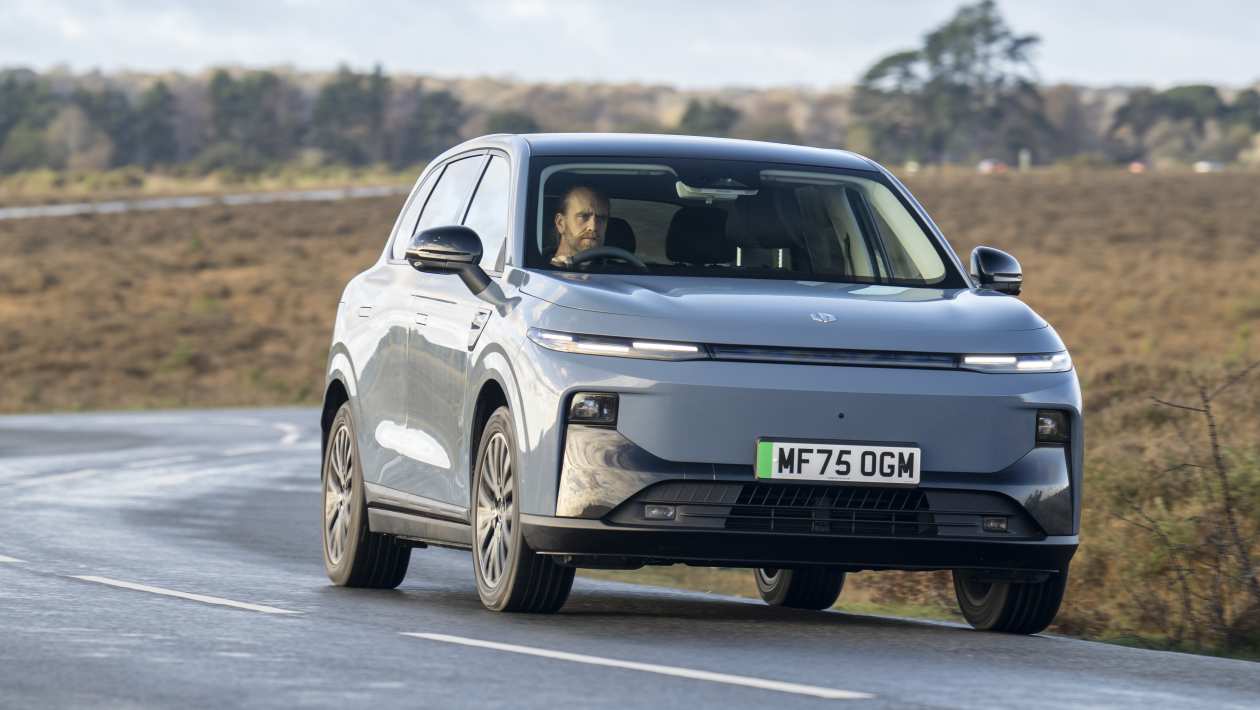
Photo: Auto Express. Leapmotor B10, the model chosen to start European production.
Leapmotor will start building cars in Spain in October 2026, and the first model assembled at Stellantis’s Zaragoza plant will be the B10 electric SUV. The project is meant to cut logistics costs and, above all, to avoid the countervailing duties the European Union applies to electric vehicles imported from China.
Cars built in Spain will initially go to European Union markets, where those duties apply. The United Kingdom will, at least for now, continue to receive China-built examples, because it does not apply the EU customs regime for Chinese electric cars.
Damien Dally, Leapmotor’s UK market director, told Auto Express that the brand has to prioritise countries where European production removes a tariff burden. He did not rule out British customers later receiving cars built in Spain.
B10 will open Leapmotor’s Zaragoza line
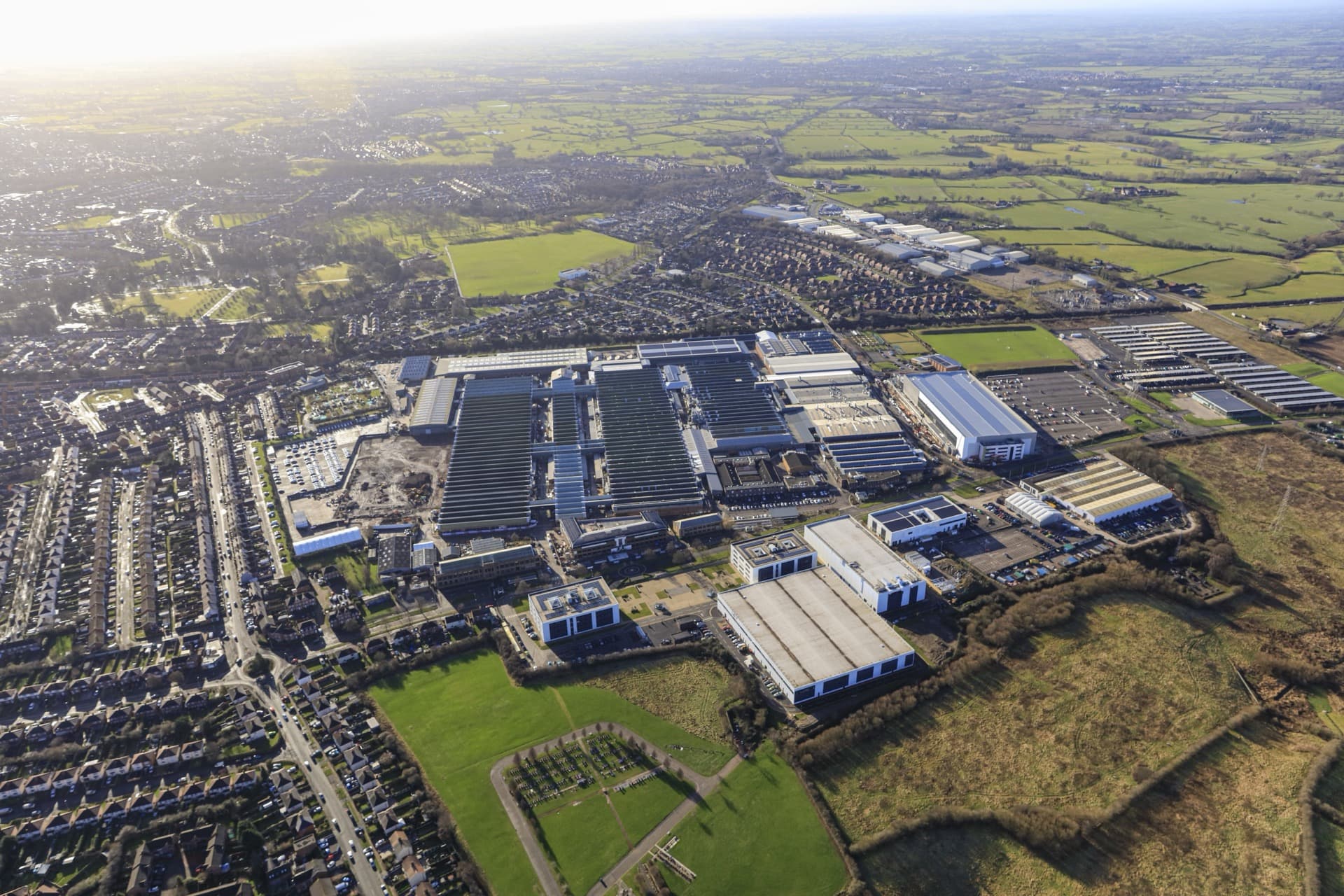
The Leapmotor B10 is a compact electric SUV and the first model to enter the new line in north-eastern Spain. The Figueruelas plant, near Zaragoza, belongs to Stellantis and already builds cars for the group’s European brands.
The October timetable is more specific than earlier plans. In their joint statement in May, Stellantis and Leapmotor confirmed the intention to produce the B10 in Zaragoza during 2026, without publicly fixing the month the line would start.
The partnership has an unusual structure. Stellantis holds about 20% of Chinese manufacturer Leapmotor, while Leapmotor International, which is responsible for operations outside China, is 51% controlled by the European group. That arrangement gives the Chinese brand access to Stellantis factories, suppliers, distribution and aftersales.
Leapmotor has already assembled the urban T03 in Europe, at Stellantis’s Tychy plant in Poland. Production that began in 2024 was stopped in 2025. The Spanish project is broader: it includes locally made components and the preparation of a European supplier network, not only the assembly of kits shipped from China.
Why EU duties matter
The European Union applies a standard 10% customs duty to electric cars produced in China, plus countervailing duties set after the European Commission’s investigation into subsidies granted to Chinese manufacturers. The extra rate varies by company and can reach 35.3%.
A car built in Spain is no longer an electric vehicle imported from China, so it does not automatically fall under those duties. European origin can also matter for some national incentive programmes that condition support on the place of production, carbon footprint or the origin of components.
Emanuele Cappellano, Stellantis’s chief operating officer for Europe, confirmed that local production makes it possible to avoid the tariffs. He said suppliers are already involved and that the group is mobilising its European infrastructure for Leapmotor cars.
Francesco Giacalone, Leapmotor’s European sales and marketing director, also cited rising maritime transport costs as a reason for localisation. According to him, the brand has built a European supplier base able to meet the technical specifications Leapmotor uses in China.
The Madrid plant could move to Leapmotor International
The plan does not stop at Zaragoza. Stellantis and Leapmotor are assessing a transfer of the Villaverde plant in Madrid to the Spanish subsidiary of Leapmotor International. Several models for Europe and other markets would be produced there, in line with future European local-content requirements.
Antonio Filosa, Stellantis’s chief executive, has spoken about two larger Leapmotor models, from the D segment, for the Madrid factory. The companies have not yet disclosed their names, annual volumes or the exact start of production.
In parallel, a battery plant developed by Stellantis and CATL is being built next to the Zaragoza factory. The announced investment is about €4.1 billion, and placing it on the same industrial site can reduce logistics costs for future electric models.
Stellantis is also looking at building a new Opel C-segment electric SUV in Zaragoza from 2028. The European model would use technology developed with Leapmotor, but the project and its timetable are still under evaluation.
Why Britain stays with China-built cars
The decision not to send Spanish-built examples to the United Kingdom immediately is economic, not technical. The UK does not apply the European Union’s countervailing duties on Chinese electric cars, so the financial advantage of Zaragoza production is smaller.
Leapmotor can keep supplying the British market directly from China, while the Spanish plant’s initial capacity is reserved for EU countries. The company says distribution can be changed quickly if demand, costs or regulation require it.
That difference does not mean the B10 sold in the United Kingdom is a distinct model. The place of production and some components may differ, but the cars must meet the same local type-approval and safety requirements.
What Spanish production could mean for Romania
Romania is part of the European network Leapmotor entered through Stellantis. The company has not yet announced how Zaragoza output will be allocated by country, so the date when the first Spain-built B10 examples reach Romanian dealers is not confirmed.
The Romanian market is, however, in the group of countries for which EU production makes economic sense. Removing the countervailing duty and shortening transport can help the brand keep a competitive price, but they do not automatically guarantee a cheaper car: European production costs, equipment, exchange rates and the importer’s policy remain decisive.
For buyers, the advantages that are easier to see could be shorter delivery times and better availability of configurations. Production closer to the market lets the manufacturer adjust volumes without ordering, months in advance, batches shipped by sea from China.
Starting B10 production in Zaragoza therefore marks Leapmotor’s shift from imported brand to a manufacturer with a European industrial base. How quickly other models follow depends on the plant’s pace, EU demand and completion of the Madrid factory plan.
Sources: Auto Express – production timetable and strategy for EU markets, Stellantis – partnership expansion and plans for Zaragoza and Madrid, European Commission – countervailing duties on electric vehicles from China, Invest in Spain – Leapmotor production at Stellantis plants