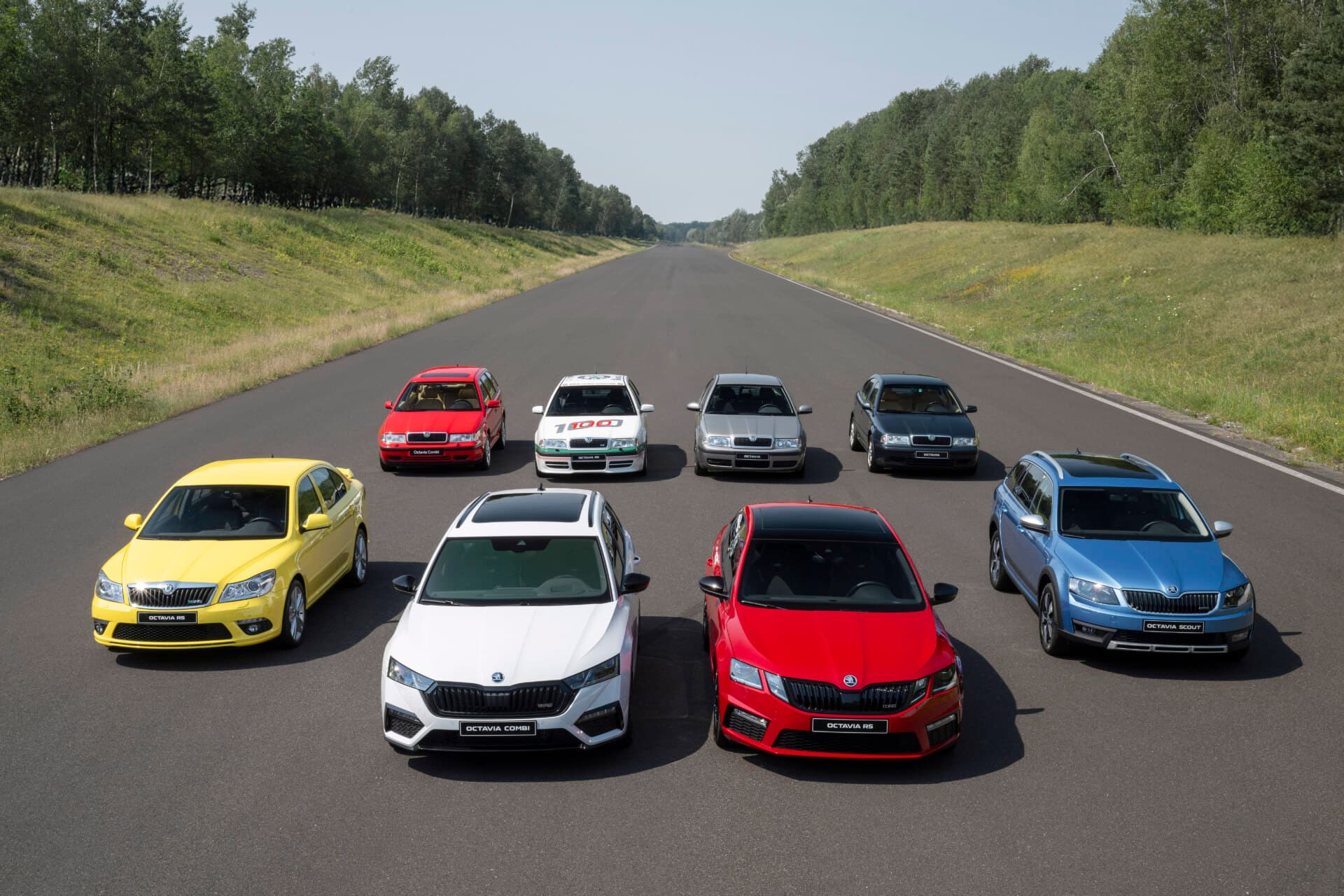
Several Škoda Octavia versions built over the past three decades. Photo: Škoda Auto
The modern Škoda Octavia turns 30: four generations and almost 7.9 million cars
Škoda is marking 30 years since production of the first modern Octavia generation began. The first example left the assembly line in Mladá Boleslav on 3 September 1996, and the model has since reached four generations and almost 7.9 million units built.
The 1996 Octavia was the first Škoda developed entirely after the Czech manufacturer’s integration into Volkswagen Group. The project started in 1992, about a year after the brand joined the group, and used the PQ34 platform and technical components shared with other Volkswagen models.
The Octavia name is older than the 1996 model
The Octavia name first appeared in 1959. It came from the Latin “octava”, because the car was the eighth Škoda model launched after the Second World War and the eighth equipped with independent suspension for all wheels.
The original model was produced in various forms until 1971. Škoda revived the name in the 1990s for an entirely new car, which was meant to show the technological and industrial change that began after the association with Volkswagen Group.
The first modern Octavia was presented in April 1996
The liftback version was presented on 4 April 1996, a few months before series production began. Design was coordinated by Dirk van Braeckel, and the hatchback body offered a boot of 528 litres.
Construction of the car was prepared in a new hall at Mladá Boleslav. Investments in assembly, press shop, welding and paint increased the plant’s production capacity from about 90,000 to 350,000 cars a year.
The first modern Octavia introduced technologies Škoda had not previously offered in this combination. Among them were side airbags, automatic transmission, all-wheel drive and, after a range update, the ESP electronic stability system.
Combi, 4x4 and RS quickly widened the range
The Octavia Combi variant followed in March 1998. It had a boot of between 548 and 1,512 litres, depending on the position of the rear bench. In 1999 the all-wheel-drive version joined the range.
In 2000 the first modern Octavia RS was launched. The 1.8-litre turbo engine developed 132 kW (180 hp), and the RS name brought back onto the road a designation associated with Škoda’s sporting history.
Commercial success kept the first generation in production long after the 2004 successor appeared. Older versions continued to be sold under the Octavia Tour name, and the last example was built in November 2010. The total for the first modern generation reached about 1.44 million units.
The second generation introduced the DSG transmission
The second modern Octavia debuted in 2004. It kept the practical body formula, but offered more space, a boot 32 litres larger and new technologies for the range, including the DSG dual-clutch automatic transmission.
Production of this generation reached about 2.6 million cars, according to Škoda data. The range again included Combi, 4x4, Scout and RS versions, which stretched the model from family and fleet car to variants aimed at rough roads or performance.
The third generation brought assistance systems from more expensive classes
The third generation entered production at the end of 2012 and remained in the range until 2020. It used the MQB modular platform, a lighter body and updated TSI and TDI engines.
On this generation, assistance systems previously found mainly on more expensive cars became available. The GreenLine variant used aerodynamic optimisation, brake energy recuperation and low-rolling-resistance tyres to cut consumption.
The 2017 facelift visibly changed the front end with split headlights and brought new multimedia screens. Total production volume was close to that of the previous generation.
The current Octavia debuted in 2019
The fourth generation was presented in November 2019 in liftback and Combi variants. The range included petrol and diesel engines, mild-hybrid systems, all-wheel drive and, on some markets and in certain periods, plug-in hybrid versions.
The 2024 update changed the design, multimedia systems and safety equipment. Depending on version, the model can have up to ten airbags and a new generation of the system that monitors driver attention and fatigue.
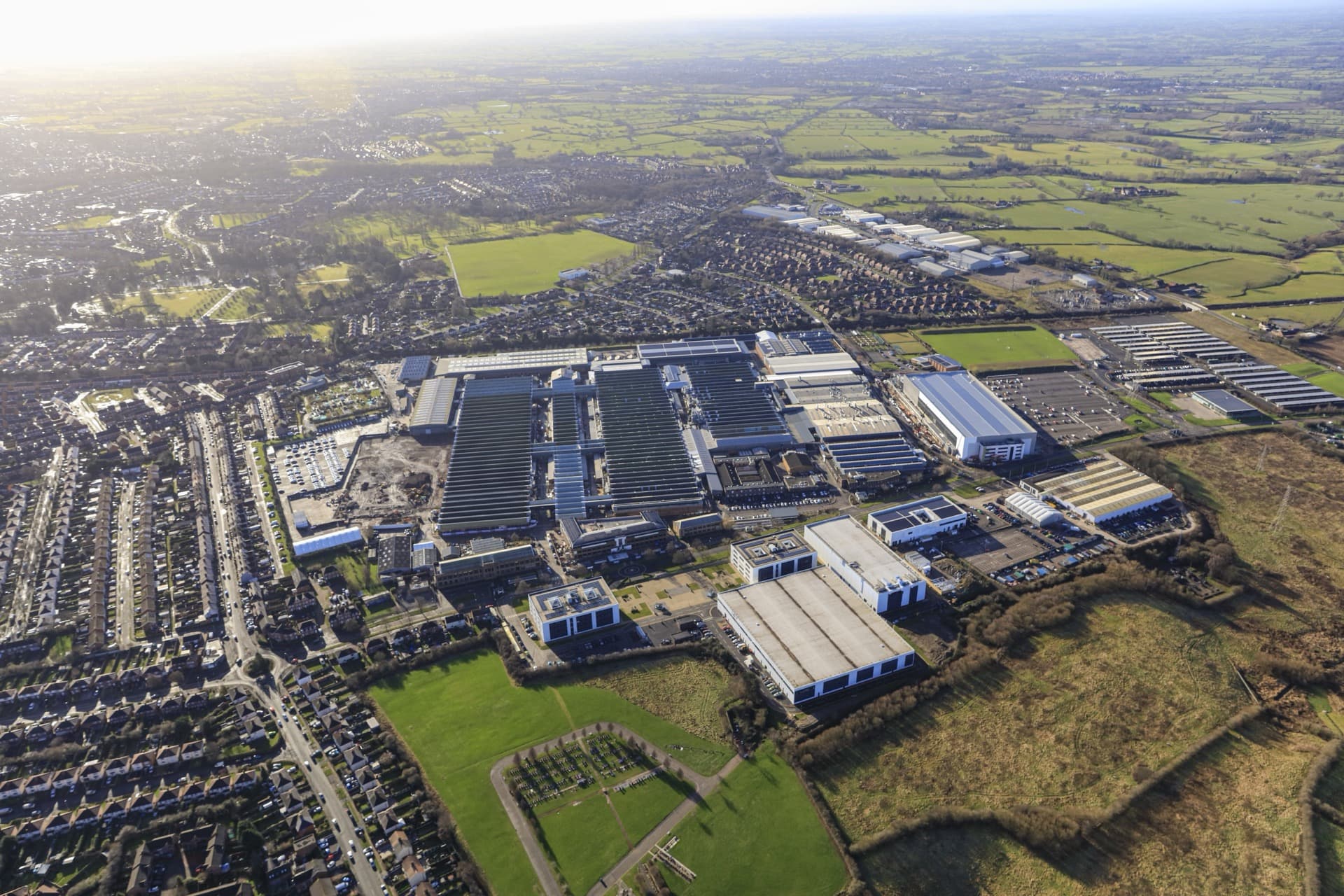
The Octavia is currently produced in Mladá Boleslav and Kvasiny, in Czechia, as well as in Kostanay, Kazakhstan. The model’s role remains important in a market where SUVs have taken an ever larger share of sales, and the supply of compact family cars has narrowed.
Why the Octavia matters on the used-car market
The four generations cover very different engines, platforms and emissions systems. The model name is not enough to assess a used car: a first-generation example does not have the same inspection points as one with a Euro 6 TDI engine, a DSG gearbox or a plug-in hybrid system.
When buying, the engine and gearbox codes, service history, technical campaigns, emissions standard and the actual equipment according to the chassis number must be checked. For cars with DSG, the history of oil changes where these are specified matters, and on modern diesel engines the DPF, EGR and SCR systems need to be assessed.
High production volume can help with finding parts and workshops familiar with the model, but it does not guarantee the condition of a particular example. Mileage, maintenance and previous repairs remain more important than the general reputation of the generation.
Frequently asked questions
When did production of the first modern Škoda Octavia begin?
Series production began on 3 September 1996, at the Mladá Boleslav plant.
How many Octavia examples have been built in 30 years?
Škoda indicates a total of almost 7.9 million cars from the four modern generations.
When did the Octavia Combi appear?
The production Combi variant was launched in March 1998, after the concept was presented in 1997.
When did the first modern Octavia RS appear?
The first Octavia RS debuted in 2000, with a 1.8-litre turbo engine and 180 hp.
Until when was the first generation produced?
Octavia Tour versions kept the first generation in production until November 2010.