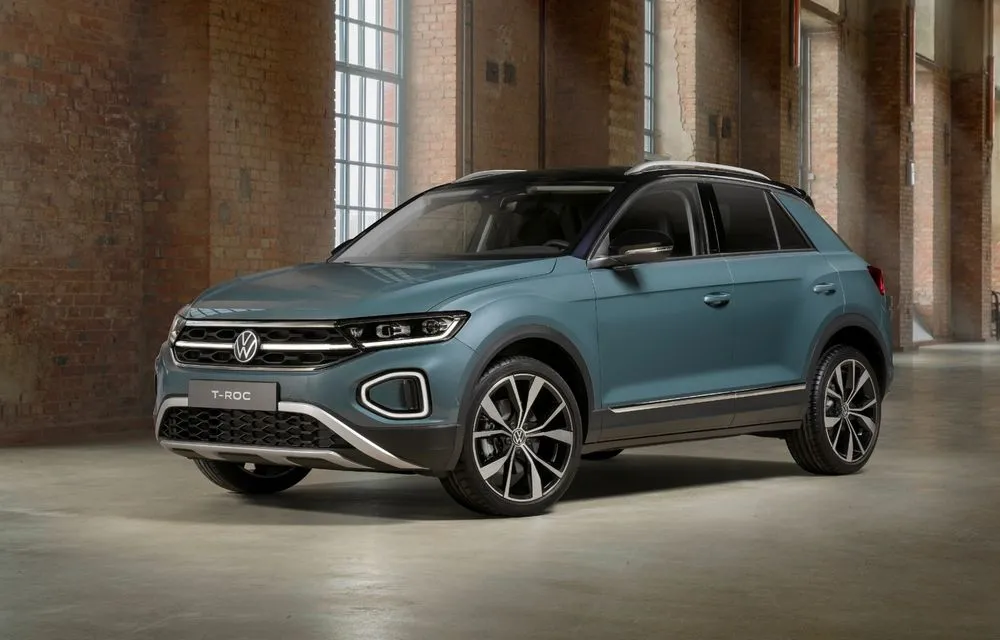
Photo: Volkswagen. Press image for illustration.
Compact SUVs have become the largest segment of the European car market. In the first seven months of 2026, the category accounted for 21% of new-car registrations, according to Dataforce figures published by Automotive News Europe.
Segment volume reached about 1.7 million units, up 12% on the same period in 2025. The European market as a whole advanced 5.4%, which means compact SUVs grew more than twice as fast as total registrations.
Volkswagen T-Roc remains in front
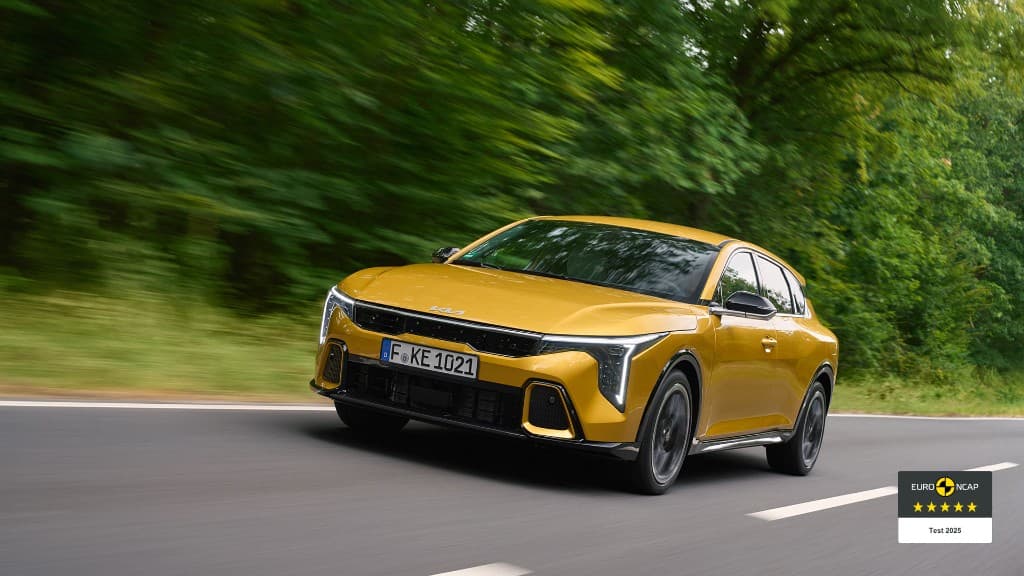
The Volkswagen T-Roc took first place in the category, with about 115,000 units registered by the end of July. The Volkswagen Tiguan followed with around 110,000 units, and the Kia Sportage completed the podium with about 94,000.
The ranking of the two Volkswagen models shows how broad Dataforce’s category is: it groups crossovers of different sizes and prices, from cars close to the traditional compact class to family SUVs.
European rankings can show slightly different volumes depending on the countries included and when the data are validated. The figures in this analysis should therefore not be compared directly with EU statistics, which exclude markets such as the United Kingdom.
SUVs have reached 58% of the market
Taken together, all SUV categories accounted for 58% of new cars registered in Europe in the first seven months. Small SUVs, such as the Toyota Yaris Cross, Volkswagen T-Cross and Peugeot 2008, had a separate 16% share and were the second-largest segment.
The growth comes at the expense of traditional body styles. While compact SUVs advanced 12%, compact hatchbacks and estates fell 13%. A shrinking estate offering and the withdrawal of some classic compact models are accelerating the shift, on top of buyers’ preference for a higher driving position and easier cabin access.
Skoda Elroq is the highest-ranked electric model
The shift to electric drive is starting to change the segment ranking as well. The Skoda Elroq reached seventh place among compact SUVs, with about 67,000 units, making it the best-selling fully electric model in the top ten.
Across the European Union as a whole, electric cars had a 20.7% share in the first half of 2026, compared with 15.6% in the same period of the previous year, according to ACEA. Petrol engines and hybrid systems still generate most of the volume in the compact SUV category, however.
Chinese brands have reached 15% of the segment
No Chinese model entered the compact ranking’s top ten, but brands from China together reached 15% of the segment, doubling their share versus 2025. The rise is not based on a single manufacturer: MG, BYD, Chery, Omoda, Jaecoo, Leapmotor and other brands are competing at the same time with electric, hybrid and petrol models.
The United Kingdom is the market where the change is most visible. There, Chinese brands took 29% of compact SUV registrations in the first seven months, only three percentage points behind European manufacturers.
That share should be read at brand level, not as the origin of the factory. Some cars from European groups are produced in China, and Chinese manufacturers are starting to prepare or use European plants.
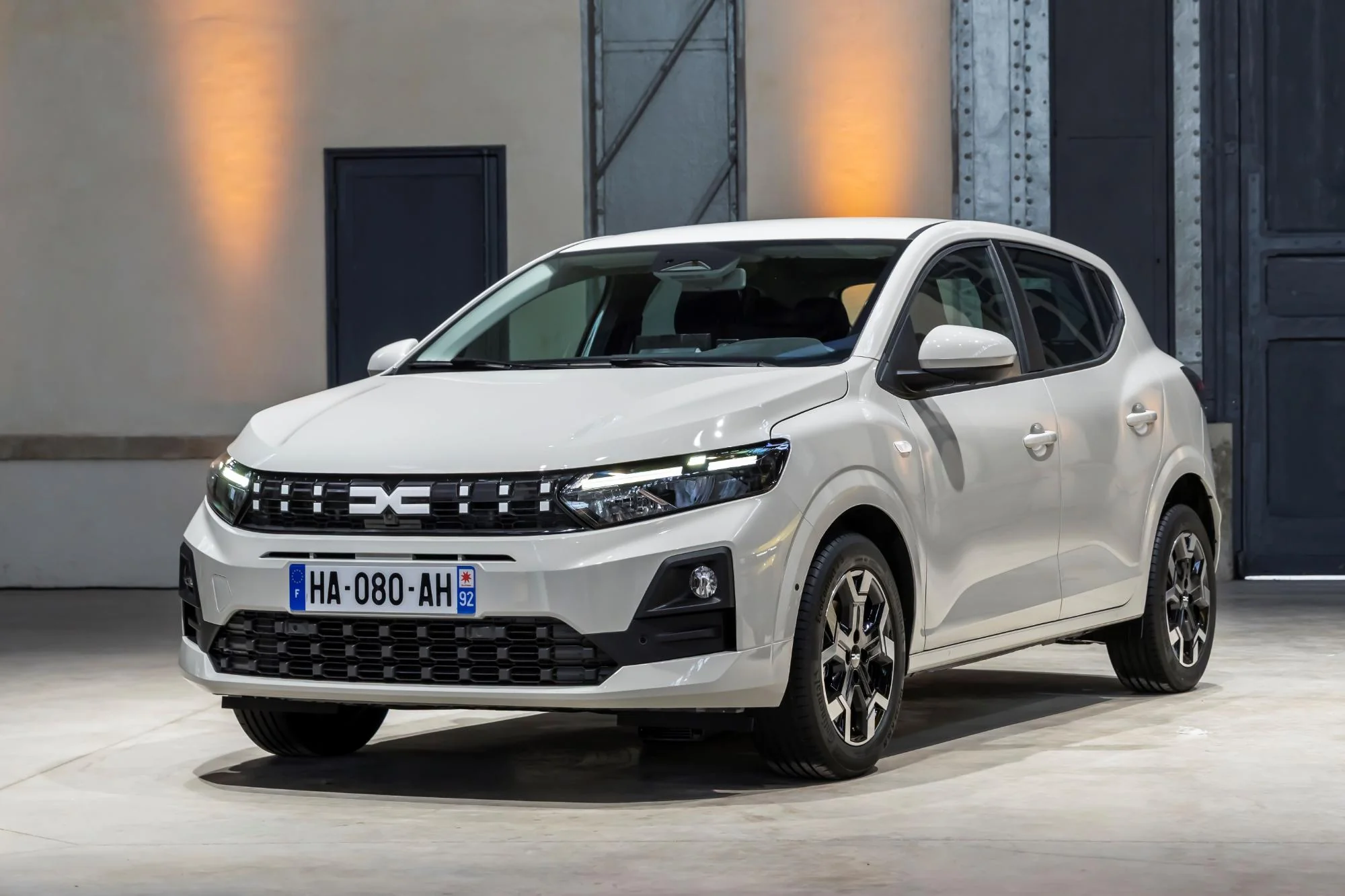
Where the Dacia Duster stands
The Dacia Duster remains one of the market’s important models, but it lost ground in 2026. Data for the first half of the year indicated about 90,000 units, 15.2% fewer than in the same period of 2025.
The decline cannot be attributed solely to Chinese competition. Dacia now also has the Bigster, a larger model that can attract some of the customers who would previously have chosen a better-equipped Duster. Classification differences can also place the Duster in different categories from one analysis to another.
For Romania, the success of compact SUVs keeps the Duster in a commercially favourable zone, but it also raises competitive pressure. Buyers now have more hybrid and electric options, and equipment, warranty and financing cost can matter as much as list price.
Why Europeans are buying more compact SUVs
The category combines a footprint that is still acceptable in cities with boots and cabins suited to families. Manufacturers have moved most powertrain options into this space: petrol, mild hybrid, full hybrid, plug-in hybrid and electric.
Popularity has a cost. An SUV is typically heavier and has a larger frontal area than an equivalent hatchback, which can raise energy consumption. The difference depends on the model and powertrain, so a practical choice should compare mass, WLTP consumption, usable space and price, not body style alone.
Sources: Automotive News Europe – 2026 compact SUV segment analysis, ACEA – European registrations in the first half of 2026, Volkswagen Group – report for the first quarter of 2026, Dacia – data on the Duster’s position in the European market