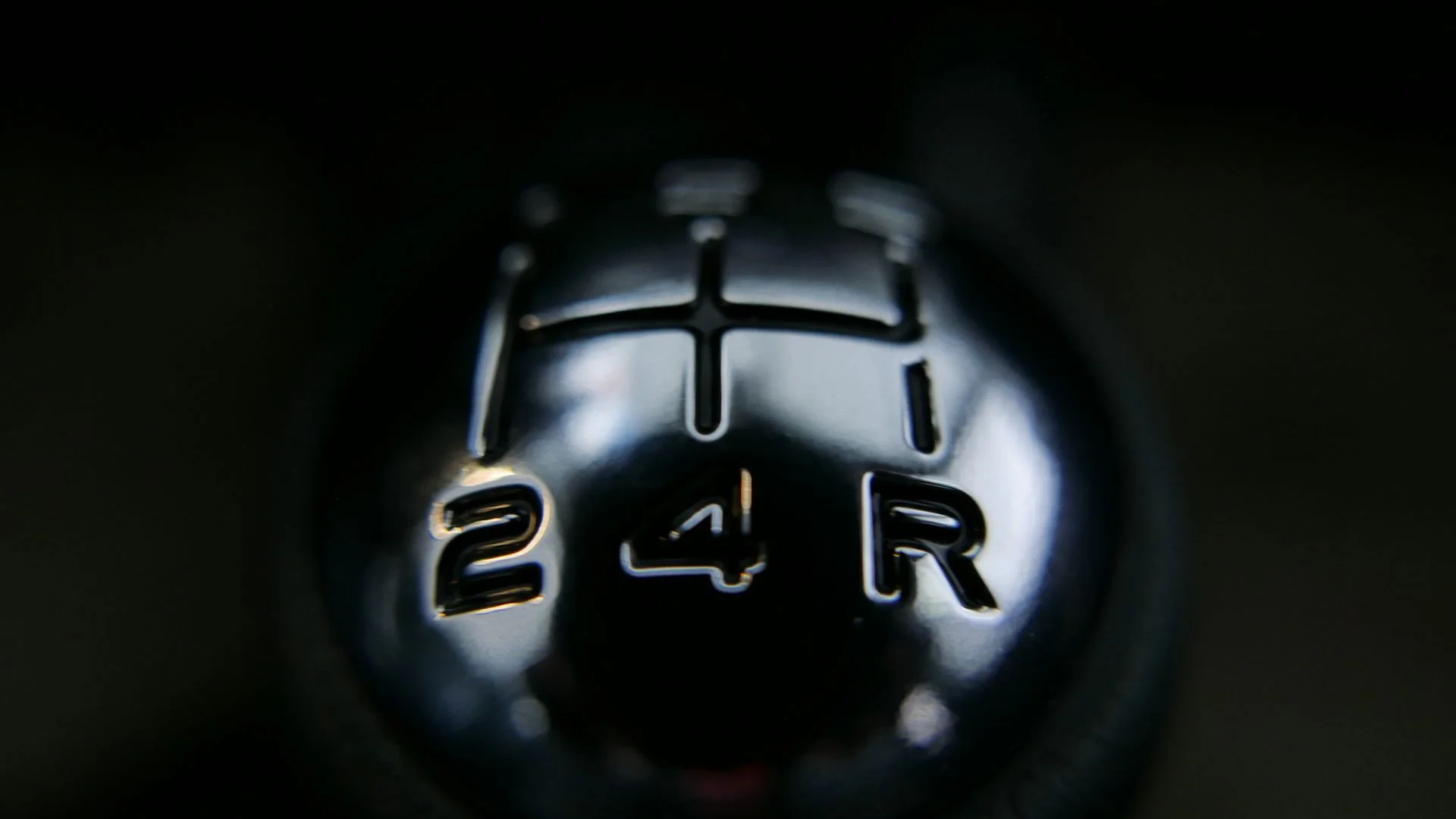
Manual cars remain the most likely next purchase for 58% of 18–24-year-olds and 50% of 25–34-year-olds questioned in an AA/Yonder driver panel. The figures describe stated intentions among British respondents, not completed purchases or the preferences of every young driver.
What the survey actually measured
The AA/Yonder Motoring Panel ran from 13 to 19 March 2026 and received 13,631 responses from drivers and AA members. Asked what they were most likely to buy next, 36% of the full panel chose a manual car. Another 34% selected an automatic petrol, diesel or hybrid, while 7% expected to choose a fully automatic electric car. Seventeen per cent had no plans to buy another vehicle.
Age produced the sharpest differences. Manual preference was 58% among 18–24s and 50% among 25–34s. Women chose manual more often than men in the panel, at 39% versus 33%. The published summary does not give the number of respondents in each age bracket, confidence intervals or full weighting details.
That omission limits the conclusion. A large total response does not guarantee equally large young subgroups, and an AA member and driver panel is not the same thing as a random sample of all British young adults. The defensible finding is that manual preference remained high in the two younger groups within this survey.
Automatic tests are rising at the same time
Administrative test data shows a sustained shift towards automatics. AA Driving School's analysis of Driver and Vehicle Standards Agency data says automatic cars accounted for 29.4% of practical car tests in 2025/26, the highest share on record. The equivalent figure was around 4% in 2007/08.
The automatic pass rate reached 44.6%, up from 37.5% in 2007/08. Even so, manuals still supported roughly seven out of ten tests. Across AA Driving School and BSM, about one in four instructors now teaches in an automatic, leaving manual tuition as the majority.
There is no direct contradiction between these numbers and the purchase poll. Learners can increasingly prefer an automatic for lessons and testing while still valuing manual entitlement, or existing licence holders can expect to buy a manual because of price and availability in the used market.
The National Travel Survey supplies that market context. In England in 2025, 59% of cars owned by respondents were manual and 41% automatic or semi-automatic. New-car catalogues may be moving rapidly towards automatic and electric powertrains, but the existing fleet turns over more slowly.
Licence rules affect the decision
In Britain, passing the practical test in an automatic restricts the driver to automatic vehicles. Gaining manual entitlement later currently means passing another full practical test in a manual. A test passed in a manual grants access to both transmission types.
That distinction matters beyond enthusiasm for changing gear. A manual licence broadens the pool of affordable first cars, family cars that can be borrowed, rental vehicles and vans or company cars used for work. It does not prove that a manual is safer or better. Automatic tuition removes clutch and gear coordination, which may suit a learner who expects to drive an EV or automatic.
The AA is lobbying for a shorter conversion route. Its proposal involves up to ten manual lessons and a one-hour session containing a formal assessment of clutch control, gear selection and hill starts. A successful driver would gain manual entitlement without repeating every element of the standard test. This is a policy proposal, not the current British rule.
The EU's 2025/2205 driving-licence directive also provides for the automatic-only restriction to be removed after dedicated manual training or a dedicated skills test, subject to national implementation. Union code 78 identifies a licence restricted to automatic vehicles. That European development does not itself change the current UK system.
Used-car economics remain central
The survey's question appeared in a broader section about used-car purchasing. Nine in ten respondents said they would test-drive a used car, 81% would examine its service history and 80% would check the MOT record. Only 35% felt confident assessing a used car themselves, while 33% did not.
Those answers help explain why transmission choice cannot be isolated from budget. For a first-time buyer, a manual licence keeps both manuals and automatics available. Restricting a search to automatics can reduce the number of older, lower-priced candidates, although the actual price gap depends on model, condition and local supply.
The picture will continue to change because battery-electric cars do not use a conventional manual gearbox. Hybrids and many combustion models are also increasingly automatic-only. That affects future supply, but it does not erase the manual cars already in the fleet or the jobs and journeys for which manual entitlement may still be useful.
The AA/Yonder result therefore does not show a manual revival in new-car production. It shows that licensing flexibility and used-car choice can preserve demand among young respondents even while training and new vehicles move towards automatics.